As an Amazon Associate, we earn from qualifying purchases. Some links on this site are affiliate links at no extra cost to you. Our recommendations are based on thorough research and editorial judgment.
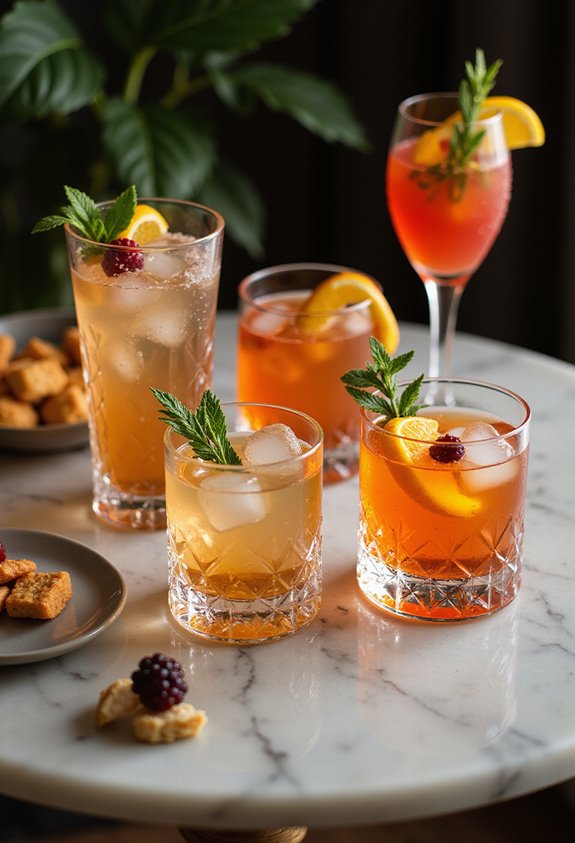
When Is The Best Time To Host A Cocktail Tasting At Home?

The best time to host a cocktail tasting at home is typically on weekday evenings, particularly from Monday to Wednesday, or during weekend afternoons. An ideal start time is around 7 PM, allowing for a relaxed atmosphere. Events should last between 1.5 to 2 hours to maintain guest interest. Advance planning is essential, with invitations sent 3 to 4 weeks prior, ensuring guests confirm attendance. Additional considerations enhance the overall experience, which can be explored further.
Key Takeaways
- Ideal days for cocktail tastings are weekday evenings (Monday-Wednesday) or weekend afternoons for maximum guest availability.
- Start the event around 7 PM to create a relaxed ambiance and encourage commitment.
- Keep the event duration to 1.5 to 2 hours to maintain guest engagement and interest.
- Send invitations 3 to 4 weeks in advance with clear RSVP details to boost attendance.
- Frame the tasting experience with warm lighting and thoughtful music for a comfortable atmosphere.
Importance of Timing for Cocktail Tastings
When organizing a cocktail tasting at home, the timing of the event plays a crucial role in determining its success. Effective timing strategies can enhance guest engagement and attendance. Weekday evenings from Monday to Wednesday are ideal, as they typically experience fewer social conflicts. Conversely, Thursday to Sunday evenings tend to clash with other events, dampening attendance. Weekend afternoons, especially between lunch and dinner, attract guests looking to unwind. A defined start time, such as 7 PM, supports commitment, while limiting event duration to two hours helps maintain interest. Events scheduled during natural social gaps, like early evenings, prevent guest drop-off and guarantee a lively atmosphere, maximizing enjoyment of the cocktails presented. Additionally, consider providing a bar cart for easy access to drinks and tools, which encourages socializing and enhances the overall experience.
Ideal Days of the Week
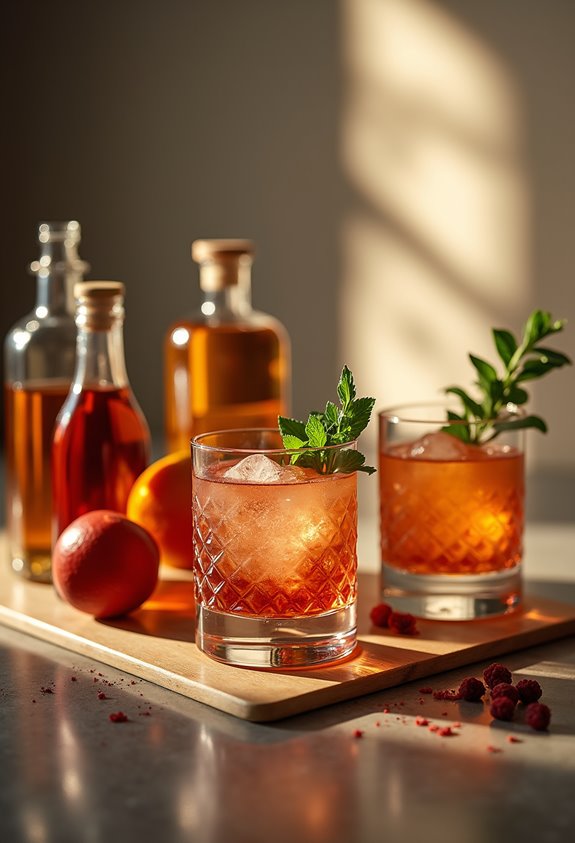
Selecting the right day for a cocktail tasting event can greatly impact attendance and guest enjoyment. Fridays and Saturdays emerge as ideal choices due to widespread weekend preferences, offering guests flexibility and relaxation after a workweek. Sundays may also be appropriate for casual gatherings in certain cultures, though they tend to be less popular overall. Weekdays often face competition from work obligations, making attendance tricky. Additionally, hosting during holidays or adjacent to them typically boosts desirability, as potential guests appreciate the extra time off. Cultural influences, such as religious observances, may further affect day selection, influencing preferences for social activities. Ultimately, effective planning requires considering these factors to maximize guest participation and enjoyment at the event. Including an array of quality ingredients in your cocktail options can also enhance the overall experience for attendees.
Optimal Time of Day
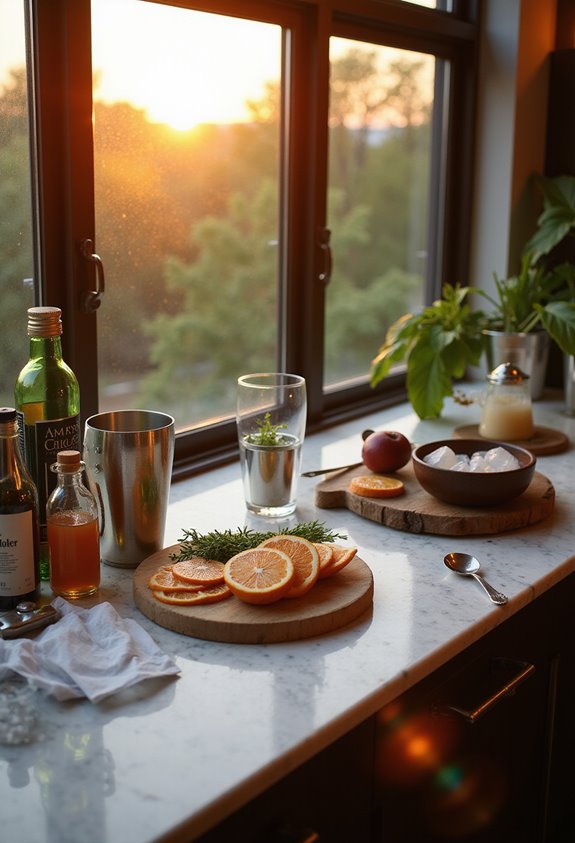
Timing plays an essential role in the success of a cocktail tasting event at home. The ideal cocktail timing typically begins around 7:00 p.m., allowing guests to shift from their workday into a relaxed evening ambiance. This start time provides a balance, avoiding late-night fatigue while ensuring meaningful interactions among attendees. The hours between 6:30 p.m. and 8:00 p.m. are particularly effective, as guests usually have fewer social engagements and can comfortably mingle. Twilight serves as the perfect backdrop for the event, enhancing the atmosphere with soft lighting and subtle music. By scheduling the tasting earlier in the evening, hosts can create an inviting space that promotes conversation and enjoyment without overstimulating their guests. Additionally, having energy-efficient designs can help maintain the ideal serving temperature for cocktails while keeping utility costs low.
Recommended Products

Timeless Farmhouse Charm Style:This 3-piece living room coffee table set includes 1 coffee table and 2 side tables.3 pieces farmhouse living room table sets featuring a vintage textured design paired with an elegant texture, combines farmhouse style with modern style and is the ideal match for your living room furniture.At the same time, this bedside table can also be used as nightstand in the bedroom, versatile and reasonable use
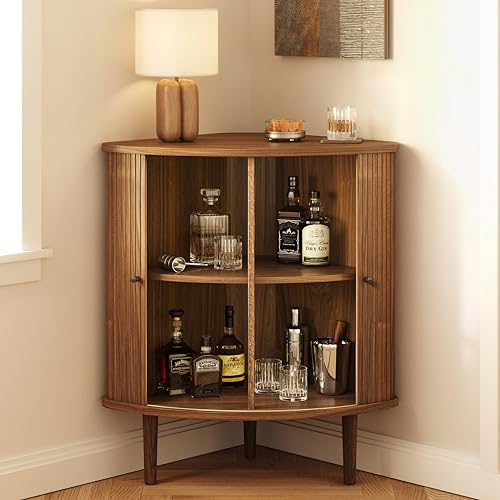
CREATE YOUR PERFECT CORNER HOME BAR with a fluted corner cabinet designed for evening drinks, casual hosting, and entertaining. Its angled shape and compact footprint (29.5'' W x 33.3'' H x 19.7'' D) makes it easy to transform unused corners into functional corner bar cart for your living room, dining area, apartment, or house. Doubles as a small corner coffee bar cabinet for your daily routine.

50,000 BTU Adjustable-Height Outdoor Heater – 2 height levels adapt to lounge chairs, dining sets, or standing cocktails. Electronic pulse ignition fires in under 3 seconds; twist-knob flame control adjusts from 10,000 BTU ambient glow to 50,000 BTU full patio heat. Burns clean propane with zero smoke, zero ash, zero soot.
Duration of the Event
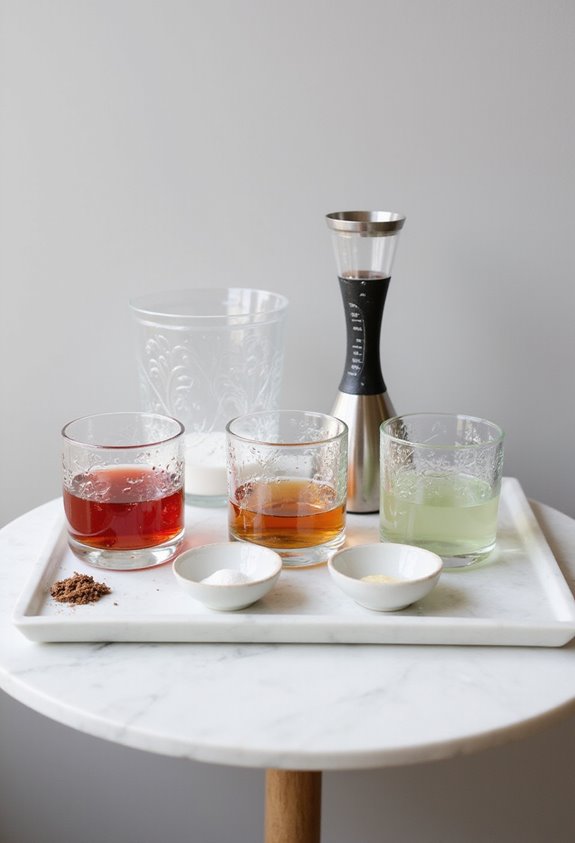
Typically, cocktail tasting events last between 1.5 to 4 hours, a timeframe that balances enjoyment with sensory focus. This duration supports effective duration strategies and pacing techniques to enhance guest experiences. For instance, a bourbon tasting for eight usually spans 1.5 to 2 hours, allowing attendees to appreciate flavors without fatigue. Longer events, extending to 4 hours, risk diminishing sensory perception, leading to disengagement. Hosts can optimize time through structured flights of 2-3 tastings, facilitating discussion and palate cleansing. Incorporating breaks for water guarantees guests remain refreshed and engaged. Hosting around eight guests helps maintain a manageable and interactive atmosphere. Ultimately, the event duration should enhance the tasting experience, guaranteeing no subtle notes are missed. Additionally, providing cocktail-making tools can encourage guests to experiment and engage further with the flavors being tasted.
Recommended Products
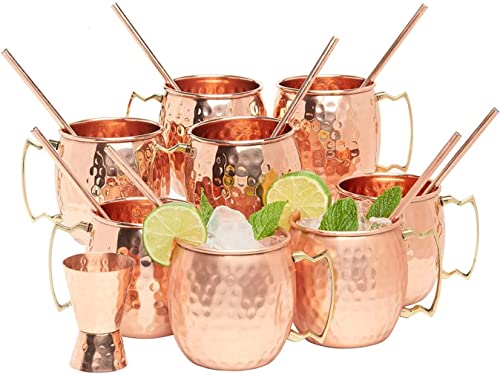
Authentic Pure Copper Craftsmanship – Expertly crafted from pure copper, inspired by the original 1941 Moscow Mule mugs. Finished with elegant brass handles for a refined, vintage aesthetic and a perfectly balanced, secure grip
![Kitchen Science [Gift Set] Moscow Mule Mugs, Stainless Steel Lined Copper Moscow Mule Cups Set of 96 (19OZ) w/Straws, Jigger | Tarnish-Resistant Stainless Steel Interior](https://m.media-amazon.com/images/I/51U4Ky2-VPL._SL500_.jpg)
✓ PREMIUM STAINLESS STEEL LINED MOSCOW MULE COPPER MUGS | PERFECT HOME BAR DISPLAY: Very durable and well-made to withstand everyday practical use. With their luster, our metal mugs make a great addition to your bar accessories and a standout centerpiece for your home bar display!

Size: Generously sized at 16 x 16 inches unfolded and 4 x 8 inches folded; provides ample coverage for hands, face, or utensils; ideal for formal dinners, holiday gatherings, and weddings; folds neatly for quick setup and elegant presentation; compact storage design keeps napkins crisp and ready for use until needed
Planning Ahead for Invitations
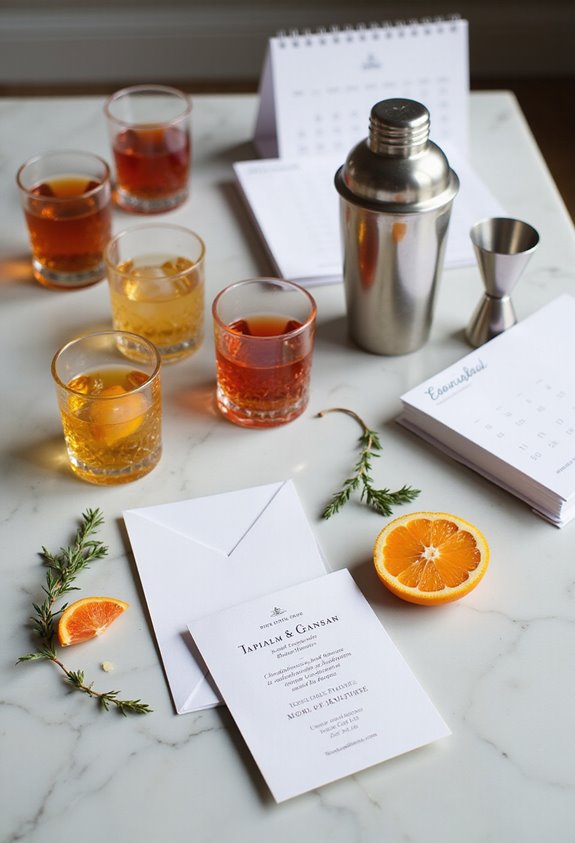
Planning a cocktail tasting at home requires careful consideration and advance preparation, particularly regarding invitations. Selecting appropriate invitation styles is essential, as they set the tone for the event. Electronic invitations offer a quick distribution method while also improving RSVP tracking. Invitations should specify the day, date, and start time to minimize scheduling conflicts. Ideally, sending invites three to four weeks in advance maximizes guest attendance, especially when aiming for weekend gatherings. Hosts should clearly state RSVP deadlines and provide various response options. Utilizing follow-ups helps track responses and encourages participation, ensuring a well-coordinated gathering. Including crucial event details, such as location and any thematic elements, further enhances guest commitment to attending the cocktail tasting. Additionally, considering bar cart accessories can elevate the cocktail experience and impress your guests with stylish presentations.
Guest Preferences and Considerations
When organizing a cocktail tasting at home, understanding guest preferences and considerations is vital for creating an enjoyable experience. Recognizing guest demographics—such as age—can greatly inform cocktail selections. For instance, adults aged 21 to 54, particularly Gen Z and late millennials, often lean towards sweeter flavors and ready-to-drink options. As guests grow older, their appreciation may shift towards bitter or more nuanced cocktails. Flavor exploration is important; many guests appreciate cocktails that feature a blend of sweetness, smokiness, or fruitiness. Additionally, awareness of guests’ health preferences, such as low-alcohol or non-alcoholic choices, can foster a more inclusive atmosphere. Responsively adjusting offerings guarantees all guests feel welcomed and catered to during the tasting event. Incorporating non-alcohol options can enhance the experience for those who prefer mindful drinking.
Selecting the Right Guest List Size
Selecting the right guest list size for a cocktail tasting event can greatly impact the overall experience. Ideally, hosts should aim for around 10 guests, striking a balance between engagement and manageability. This number allows for intimate conversations and meaningful interactions. Guest dynamics notably shift when fewer than five attendees are present, leading to a casual atmosphere. Conversely, exceeding 15 guests can dilute conversation quality and create crowding issues. An effective invitation strategy involves sending out invitations 2–3 weeks in advance, encouraging RSVPs to finalize numbers accurately. This plan supports a comfortable flow and fosters connections among guests, enriching the social fabric of the event. Smaller, diverse groups promote interaction, enhancing overall satisfaction during the tasting experience.
Logistics for Smooth Participation
Logistics play an essential role in ensuring smooth participation during a cocktail tasting event. Venue accessibility is vital; a space should be easily reachable and allow for comfortable movement. The logistical setup must include adequate tables spaced 6-10 feet apart for cocktails and ample seating for guests. Coordination of supplies is equally important. Each guest needs two glasses, along with necessary utensils and ice for preparation. Scheduling the event during the early evening enhances attendance, ensuring guest coordination is effective. Clear invitations outlining the event details help guide expectations. Designating roles among organizers streamlines the event flow, while providing tasting notes engages participants. Proper planning and communication contribute remarkably to a successful cocktail tasting experience.
Recommended Products
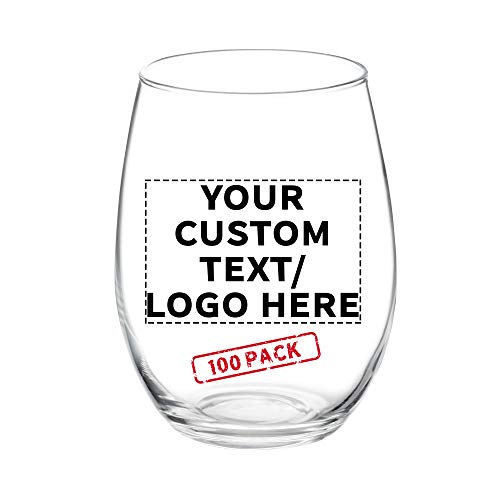
Elegant & Versatile – These 21 oz. ARC stemless wine glasses offer a sleek, modern design perfect for wine tastings, special events, and everyday use. The curved silhouette enhances aroma and flavor, making every sip more enjoyable.
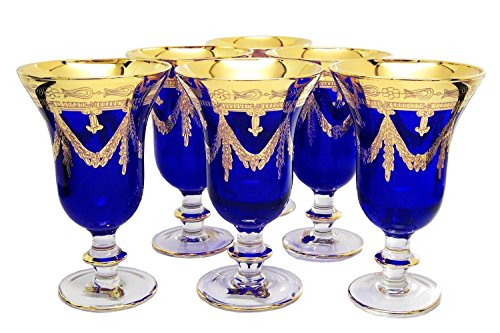
Handcrafted in Italy With Premium Crystal and 24K Gold - Decorated entirely by hand for a stunning Old World inspired design with exceptional attention to detail. The ornate and glittering style stands out and adds majesty to home barware.

𝐖𝐇𝐈𝐒𝐊𝐄𝐘 𝐑𝐎𝐂𝐊𝐒 𝐆𝐋𝐀𝐒𝐒: Impress your friends with these modern stylish Whisky glasses curve to perfectly fit in your hand. They feature a classic bowl shape that enhances Whisky flavors and allows you to fully enjoy your glass to the last sip.
Creating the Right Atmosphere
Creating the right atmosphere is vital for the success of a cocktail tasting event at home. Key lighting techniques, such as warm lighting and dimmable fixtures, create a comfortable environment. Ambient decor, including candles and string lights, enhances intimacy while helping to establish mood. Thoughtful music selection, with a focus on unobtrusive tunes, guarantees conversations flow without interruption. Proper seating arrangements are essential, as ergonomic chairs encourage guests to relax and mingle. Attention to scent considerations can elevate the experience with aromatic infusions. Effective layout design should create defined areas for cocktails and conversation. Finally, effective temperature control, ideally between 68-72°F, assures guest comfort throughout the tasting, facilitating prolonged engagement and enjoyment.
Recommended Products

⭐ IP66 WATERPROOF & DUSTPROOF — COMMERCIAL GRADE DURABILITY Built for the harshest environments with IP66-rated waterproof and dustproof construction. Durable polycarbonate housing reinforced with stainless steel hardware stands up to moisture, dust, and debris in car washes, parking garages, barns, warehouses, food processing facilities, walk-in coolers, carports, gas stations, and wet outdoor applications.

Sonneman Stix Contemporary Chandelier: Elevate your decor with the Sonneman Modern Lighting Stix 6-Arm LED Hanging Chandelier, featuring a contemporary design that adds a touch of sophistication to your kitchen island, dining room, or living room.

Modern Staircase Chandelier: Elevate entryways with this gold high-ceiling chandelier; featuring (49 Droplets) and a 128-inch adjustable design, it creates a striking focal point for staircases, foyers, and open spaces
Food and Drink Pairings
When hosting a cocktail tasting, the selection of food and drink pairings plays an essential role in enhancing the overall experience. Conceptualizing cocktail essentials involves understanding pairing principles that promote flavor balance. Sweet cocktails like the Piña Colada can pair well with spicy grilled prawns, while acidic drinks, such as a Margarita, complement rich grilled pork belly. Texture contrast is also crucial; cold cocktails, like Gin and Tonic, refresh amidst hot dishes. Spirit profiles, including whiskey and cognac, enhance specific foods, enriching tasting notes. To achieve ingredient synergy, consider shared flavors, such as thyme, in both a cocktail and dish. Seasonal pairings can elevate the tasting experience, inviting guests to explore diverse culinary worlds through carefully curated combinations.
Recommended Products

STYLISH DESIGN – Brown resin wicker in complex pattern paired with beige cushions for a refined, textured look, halfmoon patio furniture is the perfect addition to outdoors. Red &White stripe fancy decorative pillows combined to really make the sectional sofa set stand out.

Optimized Outdoor Comfort: The 3.5-inch thick cushions and ergonomic backrests in this patio seating collection ensure lasting comfort for family gatherings or casual conversations. Designed to complement outdoor spaces, this versatile set works seamlessly in gardens, pool areas, balconies, decks, and backyard retreats.

3 PIECE LIVING ROOM TABLE SET - Achieve a high-end look with the Calais coffee table set of 3 by Alaterre, which includes a 48-inch large coffee table and two small 20-inch end tables, providing ample space for snacks, drinks, and decor.
Seasonal and Cultural Considerations
Seasonal and cultural considerations substantially shape the planning of a cocktail tasting at home, influencing ingredient choices and event timing. For example, spring offers an opportunity to incorporate seasonal ingredients like apricots and rhubarb, enhancing fresh cocktail varieties. Summer tastings align well with national holidays, favoring light, fruity blends. Autumn’s harvest festivals inspire the use of root vegetables and warming spices, while winter celebrations center around rich, spiced cultural cocktails. Event timing reflects daylight changes, with longer spring and summer days ideal for late afternoon tastings, while shorter fall and winter days call for earlier indoor gatherings. Recognizing these seasonal and cultural nuances fosters an engaging experience, making cocktails more relevant and enjoyable for guests.
Enhancing Guest Experience
Enhancing guest experience during a cocktail tasting involves careful planning and attention to detail, as these factors contribute to a memorable event. Thoughtfully chosen tulip-shaped tasting glasses are essential for concentrating aromas, while separate glasses prevent flavor contamination. Engaging guest interactions can be elevated by providing tasting mats for noting flavors and aromas. Palate cleansers, such as water or crackers, reset taste buds between cocktail samples. The atmosphere can be enriched with soft lighting and curated music playlists, setting an inviting ambiance. Adding interactive elements, like cocktail-making challenges, fosters immersive experiences. Additionally, serving complementary snacks encourages mingling and maintains guest comfort, fostering a connected environment during the event. All these elements work harmoniously to enhance guest experience greatly.
Evaluating Success Post-Event
Evaluating the success of a cocktail tasting event requires a structured approach to gather feedback and analyze data. Collecting post-event satisfaction surveys can reveal immediate guest reactions concerning cocktail quality, presentation, and inclusivity. Questions around service professionalism and timeliness offer deeper insights into the guest experience. Likewise, analyzing feedback on flavor variety and the likelihood of recommending the event gauges overall enjoyment. Additionally, tracking attendance patterns can indicate guest retention and satisfaction levels. Financial metrics, such as Average Spend Per Event and Gross Profit Margin, contribute to a thorough event analysis. This systematic feedback evaluation guarantees future events are tailored to enhance inclusivity and operational efficiency, ultimately fostering a vibrant community around cocktail tasting experiences.
Flexibility in Scheduling
How can hosts optimize attendance at cocktail tastings? One effective approach is to incorporate flexibility in scheduling. Events held during late afternoons or early evenings capitalize on peak social activity hours, boosting guest availability. Weekday evenings, particularly Thursdays, offer a balance between workweek fatigue and weekend preparation. Additionally, shifting start times by 30–60 minutes accommodates varying guest arrival due to diverse work schedules. Rather than a fixed start time, implementing a time window, such as 5 PM to 7 PM, allows guests to arrive conveniently, maintaining a pleasant flow. Further, avoiding major holidays or local events can minimize conflicts, enhancing attendance. Combining these scheduling options will create an inviting atmosphere that encourages guests to connect and enjoy the experience.
Frequently Asked Questions
How Do I Choose Cocktail Recipes for the Tasting?
To choose cocktail recipes for a tasting, one should curate a selection of signature cocktails, balancing diverse flavor profiles. This approach caters to varied preferences, fostering a sense of belonging among guests while enhancing their experience.
What Should I Do if My Guests Have Dietary Restrictions?
Like a skilled chef crafting a menu, one should consider guest preferences by offering cocktail alternatives that accommodate dietary restrictions. Engaging openly fosters an inclusive experience, ensuring everyone feels valued and welcomed at the gathering.
How Can I Ensure My Cocktails Are Well-Prepared Ahead of Time?
To guarantee cocktails are well-prepared ahead of time, effective cocktail preparation and time management are essential. Pre-measure ingredients, batch cocktails, and organize tools to create a seamless experience, enhancing guests’ enjoyment and connection.
What Types of Glassware Should I Provide for the Tasting?
To enhance tasting etiquette, a variety of cocktail glassware should be provided, including cocktail glasses, coupe glasses, and highball glasses, ensuring each cocktail is presented beautifully while fostering a welcoming atmosphere for sharing experiences.
How Do I Follow-Up With Guests After the Event?
The host should promptly send thank-you notes within 24 hours, encouraging guest feedback to foster connection. Personalized messages can rekindle shared memories, enhancing relationships and promoting a sense of belonging for future gatherings.