As an Amazon Associate, we earn from qualifying purchases. Some links on this site are affiliate links at no extra cost to you. Our recommendations are based on thorough research and editorial judgment.
Where Can I Learn About The History Of Famous Bars?

To learn about the history of famous bars, one can explore venues like The White Horse Tavern in Rhode Island, constructed circa 1652, or The Green Dragon Tavern in Boston, known for its role in the American Revolution. Additionally, Sean’s Bar in Ireland, designated the oldest pub around 900 AD, illustrates Europe’s pub culture. Historical significance and architecture define these establishments, making them ideal subjects for further exploration of bar culture’s rich heritage.
Key Takeaways
- Explore the Museum of the American Cocktail for exhibits and seminars focused on cocktail history, famous bars, and mixology education.
- Research books and online resources about notable bars like The White Horse Tavern and The Green Dragon Tavern to understand their historical significance.
- Visit historic bars in person, such as Sean’s Bar, to experience their legacy and learn about local drinking culture firsthand.
- Attend cocktail conferences, such as Tales of the Cocktail, to gain insights from industry experts on the history and evolution of bars and cocktails.
- Access documentaries or podcasts dedicated to the Prohibition era and its impact on bartending culture, highlighting famous bars and their stories.
The White Horse Tavern: America’s Oldest Bar
The White Horse Tavern, located in Newport, Rhode Island, holds the title of America’s oldest bar, dating back to its original construction circa 1652. Initially built as a private residence, it was transformed into a tavern in 1673. Significant as a meeting place for the Rhode Island General Assembly, this establishment has also served as a courthouse and city hall. The tavern is an exemplary model of colonial architecture, with its clapboard walls and gambrel roof reflecting 17th-century design. Restoration efforts in 1952, led by Newport’s Preservation Society, maintained its historical integrity. With tales of ghost stories enhancing its ambiance, the White Horse continues to be a cherished part of Newport heritage, attracting visitors keen to experience its rich tavern culture. Additionally, the tavern’s enduring appeal is complemented by its selection of essential bar cart accessories, which elevate the drink experience for patrons.
The Green Dragon Tavern and Its Revolutionary Significance
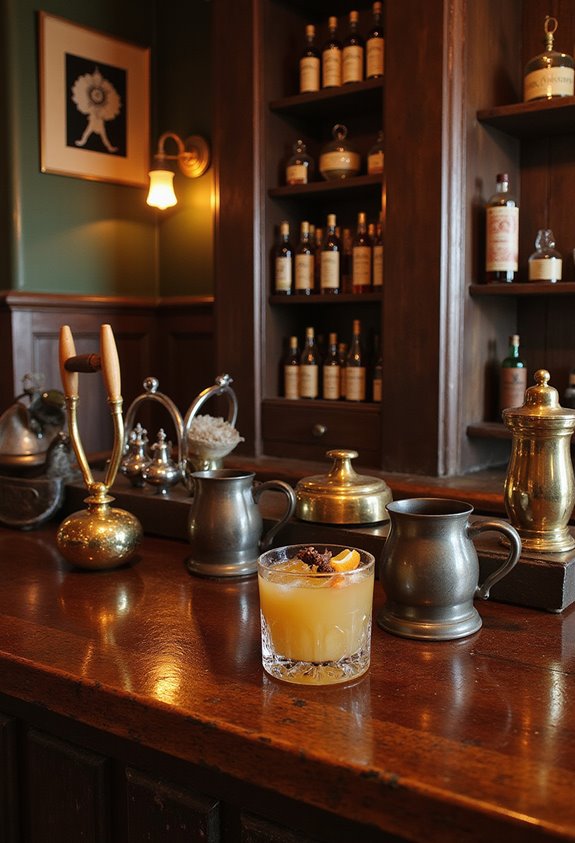
Located in Boston’s North End, the Green Dragon Tavern served as a crucial meeting place during the American Revolution. Known as the “Headquarters of the Revolution,” it hosted significant revolutionary meetings, fostering a social atmosphere where ideas flourished. Prominent figures, including Paul Revere and Dr. Joseph Warren, utilized the tavern for clandestine gatherings, forming strategies that influenced critical events such as the Boston Tea Party. The “Long Room,” a space in the tavern, facilitated secret discussions essential to the revolutionary cause. Beyond politics, the Green Dragon was a community hub for working-class tradesmen. Its unique dual role as both a pub and a headquarters left an indelible mark on Boston’s historical and cultural landscape, symbolizing the spirit of resistance. This blend of social interaction and political strategy mirrored the functions of modern bar kits for crafting cocktails, emphasizing the role of communal spaces in fostering creativity and collaboration.
Seans Bar: Europe’s Oldest Pub
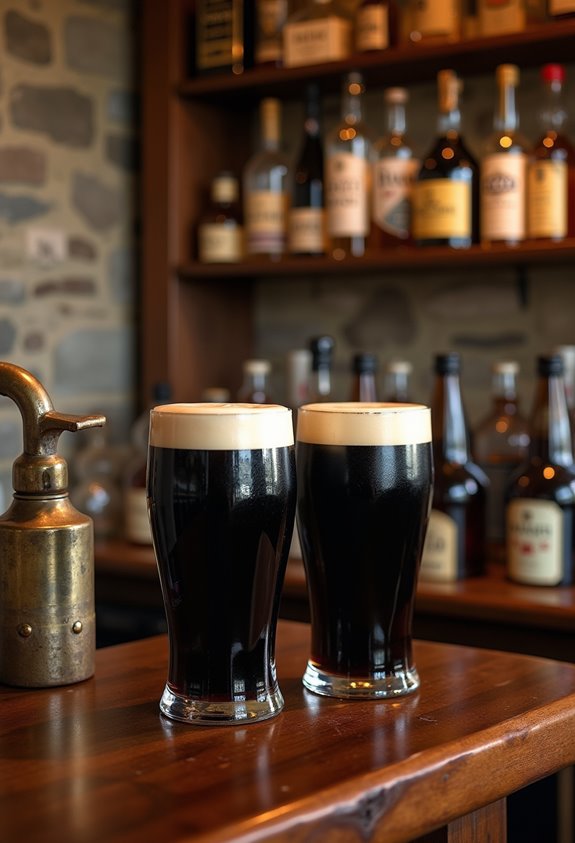
Established around 900 AD by Luain Mac Luighdeach, Sean’s Bar stands as Europe’s oldest pub, situated in Athlone, Ireland. This historic venue began as Luain’s Inn, providing shelter for travelers at a crucial crossing over the River Shannon. Sean’s Bar history is rich, with renovations revealing original walls and artifacts that date back to the ninth century. Not only does it hold the Guinness World Record for being the oldest pub in Ireland, but ongoing research aims to establish it as the oldest in the world. Emblematic of European pub culture, it has served as a community hub for over a millennium, inviting both locals and tourists to experience its storied past and warm Irish hospitality. The bar’s unique charm is complemented by its natural wood patterns, reminiscent of the craftsmanship found in iconic establishments like acacia cutting boards.
The Role of Taverns in Early American Society
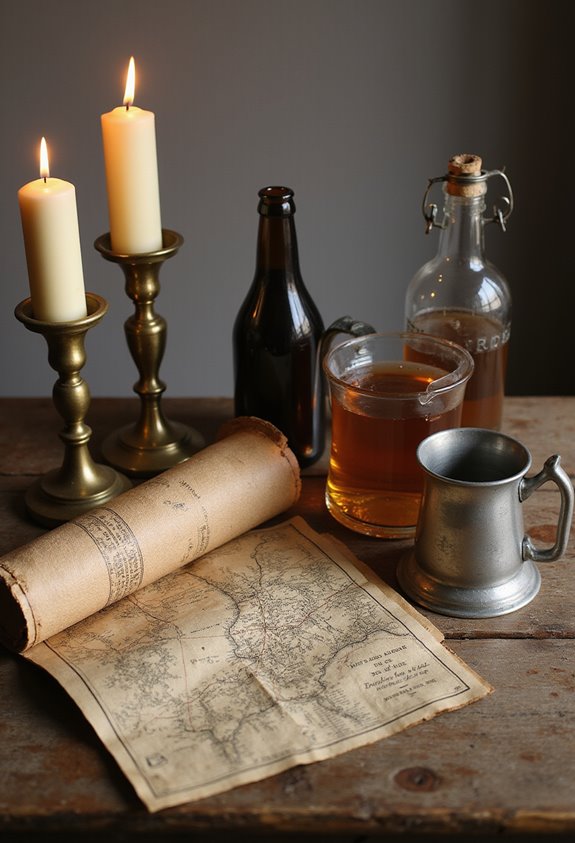
Taverns served as fundamental community hubs in early American society, blending hospitality, commerce, and social interaction. As significant venues, they facilitated community gatherings where townsfolk discussed political issues and shared news. Their evolution mirrored the needs of expanding settlements, acting as trading centers and mail distribution points. Positioned along major travel routes, they provided essential food and shelter for migrating families. Local authorities recognized their importance, appointing reliable innkeepers to maintain social order. These establishments catered to various social classes, offering services for both elite and everyday patrons. Taverns also became arenas for revolutionary discourse, shaping public opinion and helping to rally colonists during the fight for independence, making them crucial to both societal and political landscapes. Additionally, these spaces often featured decor items that reflect the chosen style, enhancing the overall atmosphere and fostering a sense of community.
Bartending in America: A Historical Overview
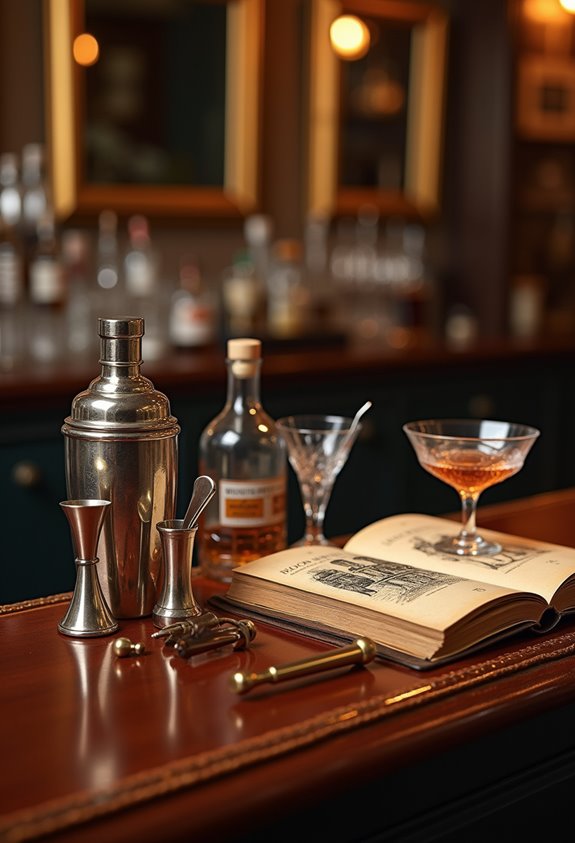
The evolution of bartending in America reflects significant cultural and social shifts from the nation’s early days to the present. Initially regarded as a low-class occupation, bartending involved simple drinks like sours and punches. This changed dramatically with Jerry Thomas, known as the “father of mixology,” who published *The Bon Vivant’s Companion* in 1862. He integrated cocktail evolution and entertainment into bartending, earning respect for the profession. By the late 19th century, iconic drinks like the Manhattan emerged. Despite being male-dominated, women began to reshape the industry by the 1920s, especially in speakeasies. These shifts established new bar etiquette and transformed public perception, fostering a more inclusive and skilled bartending culture in America. Today, aspiring bartenders can explore their craft with mixology kits that provide essential tools and recipes for mastering cocktail-making.
The Impact of Prohibition on Bar Culture
As Prohibition took effect in 1920, American bar culture underwent a dramatic transformation, shifting from public saloons to clandestine speakeasies. By 1925, New York City was home to 30,000 to 100,000 hidden venues, creating a vibrant speakeasy culture fueled by secrecy and exclusivity. These underground bars required passwords for entry and often limited access to known patrons or cardholders. Although alcohol consumption initially dipped, illicit drinking persisted, adapting social habits away from public view. The demand for creative cocktails helped mask the poor quality of bootlegged alcohol, paving the way for modern mixology practices. Overall, the influence of speakeasies left a lasting legacy on American drinking culture that resonates even today. The period also marked a shift in bar cart design as home entertaining became more popular, leading to the rise of stylish mobile bars that enhanced social gatherings.
The Tiki Bar Phenomenon: A Mid-20th Century Trend
Emerging in the early 20th century, tiki bars represented a distinct cultural phenomenon that captivated American society. The debut of Don the Beachcomber in 1933 in Hollywood by Ernest Raymond Beaumont Gantt laid the foundation for tiki culture. Influenced by his travels, Gantt created an immersive setting filled with tropical décor, while Victor “Trader Vic” Bergeron expanded the trend in the mid-1930s. Signature tiki cocktails, such as the Mai Tai and Zombie, showcased rum mixed with fresh juices and exotic syrups. The elaborate presentation and unique mugs enhanced the experience. Throughout the 1940s and 1950s, tiki bars flourished nationally, offering a delightful escape from post-war realities and creating a beloved social atmosphere for patrons seeking adventure and connection.
Recommended Products

LEMONSODA Ceramic Hawaiian Tiki Glasses

Includes the coveted Millennium Falcon drink bowl that can be used to store your tropical concoctions or just add a straw and start drinking!

🍹 Ceramic Material:These Creative Tiki Glasses Are Made Of Ceramic, Handmade And Hand-painted Ceramic Mugs. They Are Amazing And A Fun Way To Have A Cocktail With Them.Moreover,The Tiki Glasses Are Glazed,They Are Much Longer Lasting As They Are Color Resistant.
The Craft Cocktail Movement
Reviving traditional bartending techniques and classic cocktail recipes, the craft cocktail movement began in the late 1980s in Manhattan, New York City. Pioneered by Dale DeGroff at the Rainbow Room in 1987, the movement reflects a craft cocktail resurgence that emphasizes artisanal mixology. This revival focuses on high-quality, fresh ingredients and the reintroduction of forgotten spirits like Genever and Amaro. Additionally, bartenders aim for precision in technique, incorporating creative elements and theatrical presentation. The craft cocktail philosophy gained momentum against mass-produced drinks by the early 2000s, leading to industry standards formalized at the first Tales of the Cocktail conference in 2003. By the mid-2010s, this movement reshaped cocktail culture across the United States.
Recommended Products

ELEGANT HOME BAR DESIGN: Transform your living or dining area with this sophisticated white home bar, featuring a clean, classic aesthetic that complements any modern or traditional decor.

[Rustic Material Construction]: Crafted with rough-sawn mahogany solids and veneers, the unit features a Tobacco Leaf finish for a distressed aesthetic and durable wood structure

Notable Figures in Bar History
Notable figures in bar history have played vital roles in shaping the world of mixology and cocktail culture across different eras. Among these cocktail innovators is Jerry Thomas, known as “The Professor,” who revolutionized bartending techniques in the 19th century. William “Cocktail Bill” Boothby, another influential bartender, penned authoritative bar manuals during his time at San Francisco’s Palace Hotel. Ada Coleman emerged as a pioneering female bartender at the Savoy Hotel, mentoring legends like Harry Craddock. Craddock later revitalized London’s cocktail scene post-Prohibition with his 1930 classic, “The Savoy Cocktail Book.” Ernest “Don The Beachcomber” Gantt considerably influenced Tiki culture, inventing popular drinks such as the Zombie cocktail. These bartending legends have indelibly shaped modern cocktail culture.
Iconic Bars of the Modern Era
As the cocktail culture evolved into the modern era, iconic bars emerged, each establishing its own unique identity while influencing mixology trends. Notable establishments include Milk & Honey, founded in 2000 by Sasha Petraske in New York, which pioneered the craft cocktail culture with its reservation-only model. Seattle’s Zig Zag Café, opened in 2002, set new standards for the Northwest. The Pegu Club, founded by Audrey Saunders in 2005, brought craft cocktails into New York’s mainstream. Meanwhile, the historic Green Mill Cocktail Lounge continues to resonate with its Prohibition-era legacy. These bars showcase modern bar innovations, reflecting a commitment to quality and creativity that unites cocktail enthusiasts. Their influence shapes today’s vibrant drinking scene, fostering community and belonging.
The Importance of the Museum of the American Cocktail
The Museum of the American Cocktail, founded in 2004 by prominent figures such as Dale DeGroff and David Wondrich, stands as an essential institution in the preservation and celebration of cocktail culture. Located within the Southern Food and Beverage Museum in New Orleans since 2014, it showcases the historical significance of cocktails. The museum features rare spirits, memorabilia, and educational exhibits that highlight the cocktail’s impact on American politics and culture over two centuries. Through monthly seminars and events, it emphasizes mixology education, aiming to elevate the craft of cocktail making. The museum also honors industry innovators through its annual American Cocktail Awards, solidifying its role as a hub for cocktail preservation and cultural exploration.
Preserving History: Living Museums of Bar Culture
Preserving the rich history of bar culture, living museums across the United States serve as essential repositories of architectural and social heritage. Venues like Fraunces Tavern in New York offer a blend of dining and education, showcasing their roles in pivotal historical events. Historic establishments maintain original styles, providing patrons an immersive experience. For instance, The Cave at Omni Mount Washington Hotel preserves Prohibition-era secrets, while Gadsby’s Tavern Museum highlights early American social dynamics. These living museums prioritize bar preservation and cultural storytelling, allowing visitors to engage with history meaningfully. Many are located in landmarked buildings, ensuring legal protection. Through interactive exhibits and artifacts, these bars illuminate their rich narratives, fostering a deeper understanding of America’s diverse heritage.
Annual Events Celebrating Bartending Traditions
Celebrating the art of bartending, annual events across the globe bring together industry professionals and enthusiasts to honor traditions and innovation within cocktail culture. Notable gatherings include Tales of the Cocktail in New Orleans, where attendees enjoy tastings and educational seminars. Similarly, Bar Convent Brooklyn combines unlimited tastings with a focus on emerging mixology trends. The San Antonio Cocktail Conference merges philanthropy with education, supporting local charities while exploring bartending heritage. Events such as Elijah Craig Old Fashioned Week commemorate classic cocktails, while regional festivals like Manchester Cocktail Week highlight local traditions. Each event provides a platform for shared experiences, fostering community and connection among those who appreciate the rich tapestry of bartending heritage.
Recommended Products

Portable Bar Set: The Hamilton Bartender Kit by Legacy is a 16-piece travel cocktail bar set. This stylish bar set adds a touch of sophistication to any gathering, whether at home or on the go.

PRODUCT: White Portable Folding PartyLife Bar w/ LED Lights, Free Bar Mat & Bottle Opener - Premium Edition. Perfect for parties, mobile bartending, tailgating, BBQs, catering, trade shows, and events. MULTIPLE CONFIGURATIONS: Connect bars together to create the perfect setup for your event. Use a single bar on its own, or combine two or three units for Inline, L-Shaped, or U-Shaped layouts. Each bar includes a squeeze clamp for quick, secure connections.
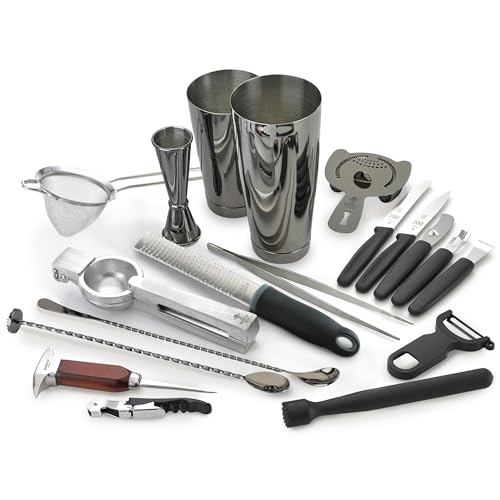
QUALITY CONSTRUCTION: Shakers, spoons, spring bar strainer and jigger crafted with gun metal black finished heavy-duty stainless steel to maintain shape, hide wear, and perform consistently well while keeping a refined appearance
Educational Resources for Bartending History
Regularly, bartenders and enthusiasts seek educational resources to deepen their understanding of bartending history and practices. Educational websites such as Diageo Bar Academy and BarSmarts offer free online masterclasses focused on bartending history and techniques. These platforms provide essential insights, enhancing one’s expertise. Additionally, various historical documentaries explore the craft’s evolution, especially during pivotal moments like Prohibition. Books such as *The Bar Book* by Jeffrey Morgenthaler and *Imbibe!* by David Wondrich serve as foundational texts. They investigate cocktail recipes and the profession’s rich past. Local community colleges also offer courses that intertwine bartending skills with historical perspectives. Together, these resources create a thorough toolkit for anyone looking to connect with the longstanding traditions of bartending.
Recommended Products


The Global Influence of American Cocktail Culture
American cocktail culture has exerted considerable influence globally, shaping drinking practices and trends in numerous countries. Its origins date back to the early 19th century, when cocktails were first defined in the United States. Pioneers like Jerry Thomas elevated bartending as an art form, inspiring global bartenders to refine their craft.
The Prohibition era further fueled cocktail innovations, as creative recipes emerged to disguise the harsh flavors of illicit spirits. This rebellious spirit was later revived during the craft cocktail renaissance, which began in the early 2000s. Influencers like Dale DeGroff emphasized quality ingredients and artisanal techniques. As a result, American cocktail culture has become a symbol of creativity, allowing the world to embrace new flavors and sophisticated drinking experiences.
Frequently Asked Questions
What Role Did Bars Play in Early American Politics?
In early American politics, tavern gatherings served as essential venues for political debates, fostering community engagement. These establishments empowered ordinary citizens to partake in meaningful discussions, uniting diverse social classes and nurturing revolutionary sentiments for independence.
How Did Cocktail Recipes Evolve Over the Centuries?
Cocktail recipes evolved over centuries, with classic cocktails reflecting changing ingredient trends. Early mixtures transformed into sophisticated drinks, blending creativity and tradition, fostering a sense of belonging among enthusiasts who cherish shared experiences through these timeless beverages.
What Are Key Events in Global Bar History?
Like rivers carving valleys, key events shaped global wateringholes: bar innovations from ancient taverns to speakeasies and cocktail culture flourished. Each milestone fostered community, inviting all to gather, drink, and share stories across time and borders.
How Do Modern Bars Preserve Historical Cocktail Recipes?
Modern bars prioritize historical mixology through cocktail preservation efforts, utilizing archival recipes, expert collaborations, and themed environments. This dedication fosters a sense of belonging, connecting patrons to the rich tradition and stories behind each cocktail.
What Is the Significance of Bartending Competitions Today?
Bartending competitions today hold significance by shaping bartender trends and honoring competition history, fostering innovation while enhancing skills. They create community, elevate professionalism, and celebrate the art of mixology, inspiring pride and collaboration within the industry.