As an Amazon Associate, we earn from qualifying purchases. Some links on this site are affiliate links at no extra cost to you. Our recommendations are based on thorough research and editorial judgment.

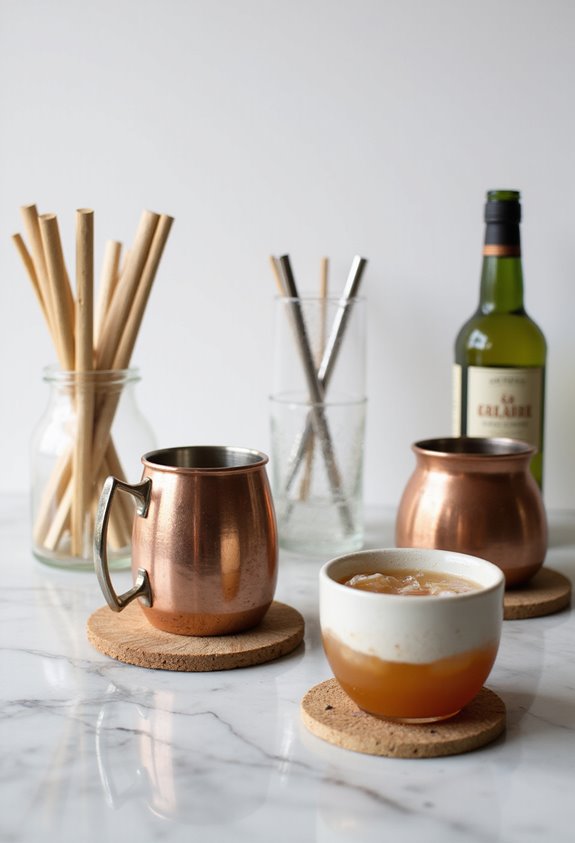
Are There Eco-friendly Alternatives To Plastic Barware?

Numerous eco-friendly alternatives to plastic barware are available, greatly reducing environmental impacts. Plant-based compostable cups, bamboo barware, and wooden or palm leaf options present sustainable choices. Biodegradable paper cups and straws are another option, although they face durability challenges. Reusable glass, porcelain, and stainless steel barware contribute to a circular economy, promoting effective reuse and lowering carbon emissions. Businesses increasingly adopt these alternatives to support sustainability efforts in the food service industry. Further insights on these innovations reveal even more possibilities.
Key Takeaways
- Plant-based compostable cups are made from renewable materials and follow strict composting standards, offering an eco-friendly substitute for plastic.
- Bamboo barware reduces plastic waste and has a lower carbon footprint, though sourcing and transport emissions require consideration.
- Wooden and palm leaf barware are compostable options that minimize environmental impact when responsibly sourced and harvested.
- Biodegradable paper-based cups and straws help reduce microplastic pollution, but proper composting disposal is essential for effectiveness.
- Reusable glass, porcelain, and stainless steel options significantly lower CO₂ emissions and promote sustainability through their long lifecycle.
Plant-Based Compostable Cups
Plant-based compostable cups represent a significant advancement in sustainable packaging solutions. These cups are crafted from renewable materials like sugarcane bagasse, cornstarch, and wood pulp sourced from responsibly managed forests. Using agricultural byproducts, they offer a twofold benefit by transforming waste into useful products. The manufacturing process adheres to strict composting standards, such as ASTM D6400 and EN 13432, ensuring that the cups break down into non-toxic residues. Coatings made from bioplastics like polylactic acid (PLA) provide liquid resistance while maintaining environmental integrity. Certified sustainable sourcing practices minimize ecological impact, reinforcing the commitment to reducing reliance on fossil fuels. By choosing these compostable options, consumers contribute to a circular economy and support environmental health, fostering a sense of belonging to a sustainable community. Additionally, using high-density materials in food preparation can further enhance hygiene and sustainability in bar settings.
Recommended Products

Eco-Friendly Design: Our dessert table display set features 4 inch biodegradable plates made from plant-based corn starch, ensuring an environmentally friendly choice for your next event. These eco-friendly party plates offer sustainability without sacrificing style.

EASY PLANT STARTER PLUGS: OrganiPlugs Hydroponic Seed Starter Plugs are a food-safe option for germinating seedlings and root cuttings quickly and effortlessly, Organic peat and coco coir OMRI listed ingredients supplement and support plant growth
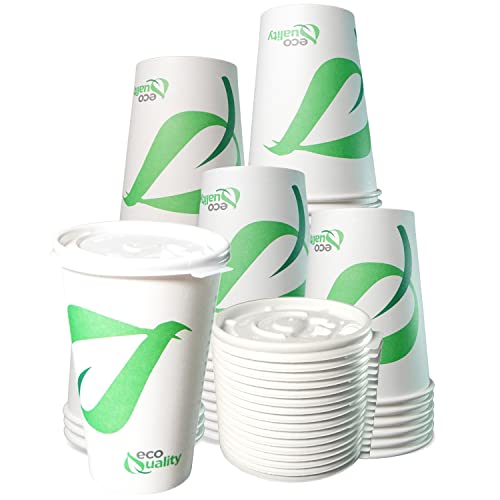
BIODEGRADABLE & COMPOSTABLE: Our hot paper tea cups are lined with a sustainable plant based starch. Which makes this cup a guilt free option, 100% natural and sustainable. Can be composted in a commercial facility. The perfect alternative to traditional plastic and wax lined paper cups.
Bamboo Barware Alternatives
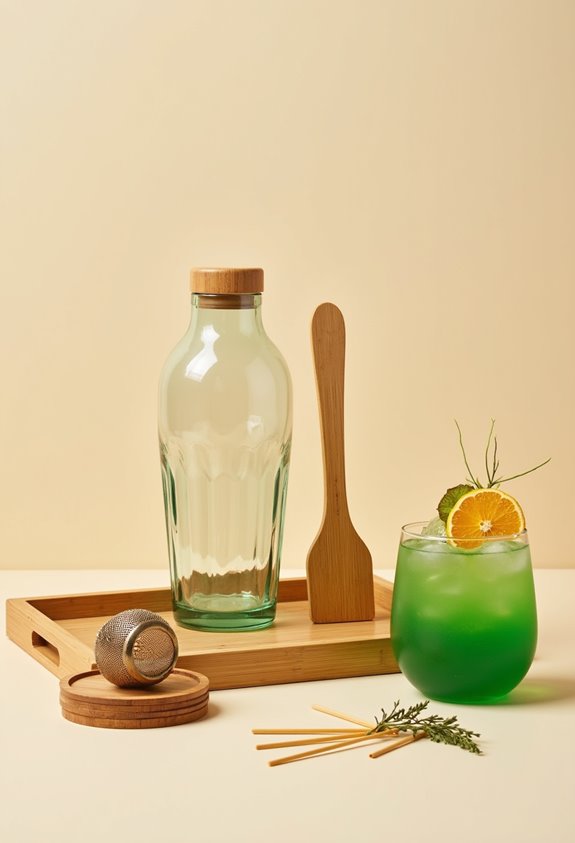
As the movement toward sustainable alternatives continues to grow, bamboo barware has emerged as a promising option that aligns with eco-friendly values. Bamboo barware benefits include significant reductions in plastic waste and lower water and energy consumption during production. Additionally, bamboo emits less carbon dioxide throughout its lifecycle compared to plastics. However, bamboo sustainability challenges must be acknowledged. Unsustainable cultivation practices, such as monoculture farming, can threaten biodiversity and degrade ecosystems. The carbon footprint of transporting bamboo, particularly from major production centers in China, also presents concerns. Thorough sustainability assessments are necessary to determine the true environmental impact. Mindful harvesting and responsible management of bamboo resources will enhance its position as a viable alternative for eco-conscious consumers. Many bamboo products, including bamboo bar carts, exemplify the combination of functionality and aesthetic appeal while promoting sustainable living.
Recommended Products


Safe & Sturdy: This stylish kitchen island with drop leaf is well constructed of quality MDF board that's CARB phase 2 certificated, both durable and safe. Its counter space can hold up to 400 lbs while drop leaf 66 lbs

Versatile Kitchen Island Set: Available with or without bar stools, this kitchen island blends classic design with modern functionality, perfect for daily meals or weekend brunches. The stools feature solid wood legs and a sturdy top, supporting up to 220 lbs each.
Wooden and Palm Leaf Barware
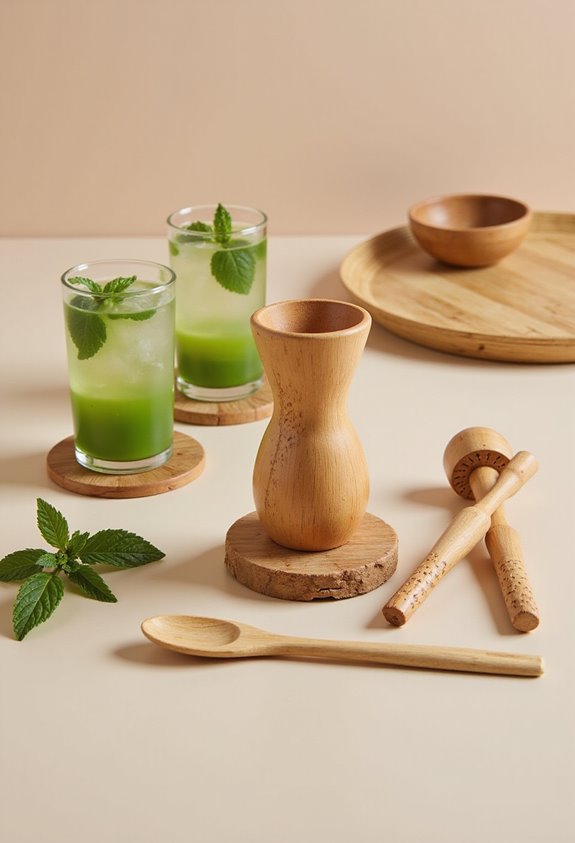
Wooden and palm leaf barware has gained attention as sustainable alternatives to traditional plastic options, particularly in the hospitality industry. Wooden sustainability is evident in its low Global Warming Potential and its role in reducing single-use plastic waste. Utilizing responsibly sourced wood minimizes environmental impact and guarantees that products are compostable. Palm leaf advantages include being derived from naturally fallen leaves, which require no tree cutting, making it fully biodegradable. Their minimal processing avoids toxic residues, while their durability supports various beverage types. Both materials promote eco-friendly practices in food service, aligning with growing consumer demand for sustainability. Additionally, choosing materials like bamboo and acacia wood emphasizes the importance of selecting renewable resources. Adopting these alternatives fosters a sense of community responsibility and environmental stewardship among establishments and patrons alike.
Recommended Products

Margarita Cocktail Kit: you will get 1 wooden iced condiment container, 1 tissue box, 1 3-layer bar glass rim, 1 manual lemon squeezer, 2 plastic juice pourers, 3 ice tongs, 2 bags of cocktail stirrers, 1 ice scoop, 1 bottle opener, 1 mixing cup, 1 bar mat and 13 pieces cocktail shaker set

✔ THE LAST DRINK MIXER SET YOU'LL EVER NEED » A complete bartending kit cocktail set with all the bar cart essentials equipment you need to shake & mix up delicious adult alcoholic drinks & mocktails

A BEAUTIFUL BARTENDER KIT: Contains all the bartender accessories needed for masterful mixology, each with beautiful and bright birch wood touch points for stylish comfort
Biodegradable Paper-Based Cups and Straws
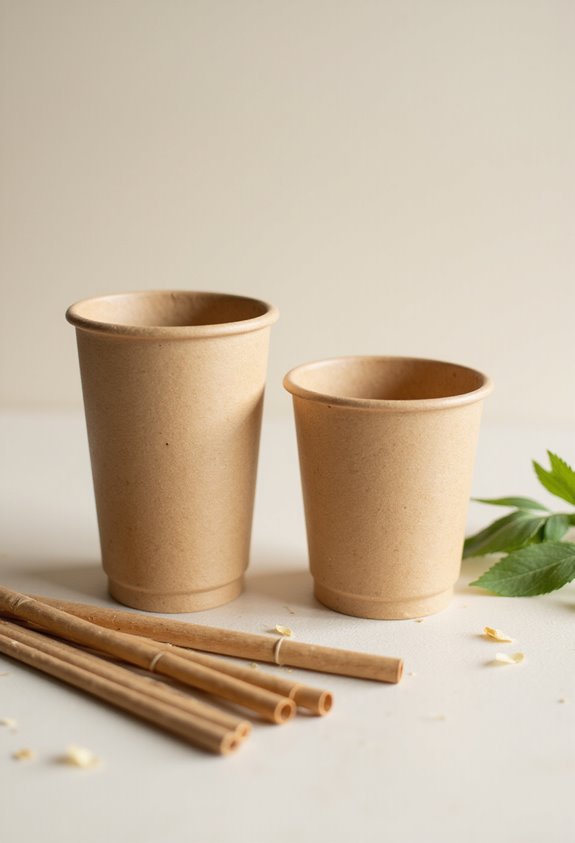
Biodegradable paper-based cups and straws have emerged as notable alternatives to plastic waste in various industries, including food service and events. These products are often praised for their potential to reduce microplastic pollution, appealing to environmentally conscious consumers. However, challenges exist regarding sustainable sourcing and production impacts. The energy-intensive manufacturing processes may lead to resource depletion, raising concerns about overall sustainability. Additionally, paper straws have lower durability, often becoming soggy during use, which can negatively affect consumer perception. For peak biodegradability, proper disposal through commercial composting is essential. These factors highlight the complexity of adopting biodegradable options while balancing eco-friendliness and user experience, prompting businesses to carefully consider their choices in barware. Many companies are now exploring eco-friendly bar tools as part of their sustainability initiatives, further diversifying their offerings.
Reusable Glass, Porcelain, and Stainless Steel
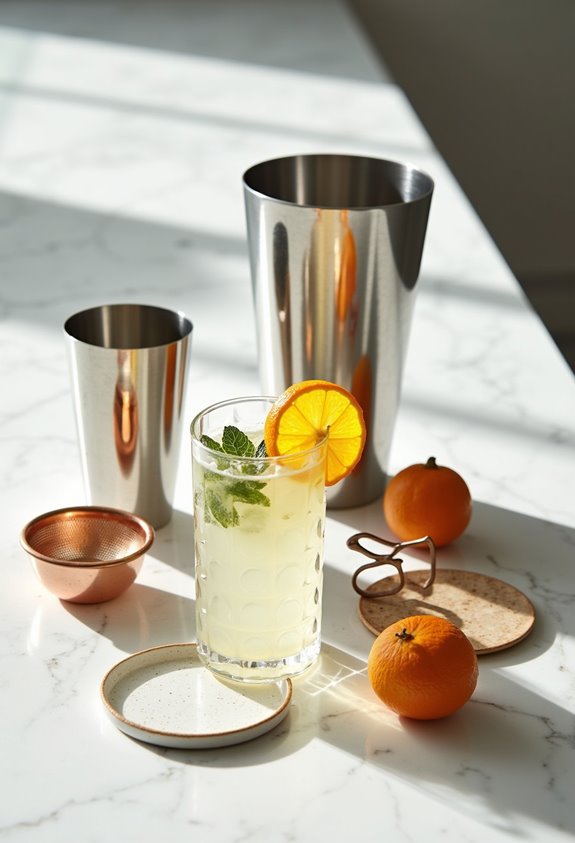
The growing focus on sustainability has led many establishments to explore reusable options in barware, particularly glass, porcelain, and stainless steel. Reusable glassware markedly reduces CO₂ emissions, especially when properly managed during glass cleaning processes. Upcycled glass uses less energy than new production, efficiently repurposing millions of bottles that would otherwise occupy landfills. Similarly, porcelain offers significant durability, achieving a break-even point after approximately 118 uses, enhancing its sustainable appeal. Meanwhile, stainless steel barware showcases impressive corrosion resistance, achieving its break-even energy threshold after just 24 uses. Although it has a higher initial carbon footprint, stainless steel reuse effectively amortizes this impact, rendering it a practical choice in eco-friendly barware. Consequently, these materials collectively promote a circular economy. Additionally, adopting slow-melting ice can further enhance the sustainability of beverage service by reducing the need for single-use ice products.
Recommended Products

PROFESSIONAL COCKTAILS: Elevate your cocktail-making experience with the world's first hand-held machine that uses patented technology to create masterpiece cocktails. Get creative with captivating concoctions with this innovative mixology set, utilizing a handheld smoking gun to infuse drinks and food with edible bubbles and aromas. For home and commercial use.

Product Size: Approx. φ2.6 x 6.3 inches (6.5 x 16 cm), Maximum Diameter: Approx. 2.6 inches (6.5 cm) (per piece)

HIGH QUALITY - strong sturdy base that are manufactured with strong PS plastic materials and come with a long stem and narrow bowl. These 6.7 oz. Plastic Champagne Flutes are perfect for your next toast.
Frequently Asked Questions
Are Eco-Friendly Barware Options Cost-Effective for Businesses?
Eco-friendly barware can be cost-effective for businesses following a thorough cost analysis and price comparison. Initially higher prices are balanced by long-term savings on waste management and enhanced brand appeal, fostering customer loyalty.
How Do I Properly Dispose of Biodegradable Barware?
To properly dispose of biodegradable barware, individuals should compost it in designated facilities, ensuring no contamination occurs. Research local recycling options and maintain separation from standard plastics to enhance decomposition effectiveness and minimize environmental impact.
Can I Use Biodegradable Barware for Hot Beverages?
Approximately 65% of biodegradable materials can safely handle hot beverages. Biodegradable barware offers varying heat resistance and guarantees hot beverage safety, making it a worthy choice for environmentally conscious consumers seeking alternatives without harmful chemical risks.
Are Any Eco-Friendly Barware Options Dishwasher Safe?
Eco-friendly barware options like stainless steel cups are generally dishwasher safe, ensuring durability and convenience. Bamboo tumblers, while charming, typically require hand washing to maintain their structural integrity, appealing to environmentally conscious gatherings.
What Certifications Should I Look for in Eco-Friendly Barware?
Charting the eco-friendly barware sea, seekers should anchor to certifications like GreenScreen, BPI, and FSC, ensuring adherence to sustainability standards and responsible material sourcing. These badges of honor represent commitment to a greener shared future.