As an Amazon Associate, we earn from qualifying purchases. Some links on this site are affiliate links at no extra cost to you. Our recommendations are based on thorough research and editorial judgment.


Why Do Some Bars Use Boston Shakers Instead Of Cobbler Shakers?

Many bars opt for Boston shakers over cobbler shakers due to their efficient two-piece design. This design enhances speed and control, allowing bartenders to prepare multiple cocktails simultaneously. Additionally, Boston shakers can accommodate larger volumes, promoting better aeration and chilling of drinks. In contrast, cobbler shakers, while easier for beginners, limit precision and mixing efficiency. As industry experts note, the preference for Boston shakers reflects the need for higher performance and durability in fast-paced environments. More insights on this trend are available.
Key Takeaways
- Boston shakers offer larger capacities, allowing for efficient preparation of multiple cocktails in high-volume settings.
- Their two-piece design enables quicker sealing and unsealing, enhancing speed during busy service hours.
- The ergonomic shape provides better tactile feedback and control for skilled bartenders, supporting cocktail artistry.
- Boston shakers promote better aeration and chilling of drinks, improving the overall quality of cocktails served.
- Their durable stainless steel construction ensures longevity and reduces replacement costs in professional environments.
Design and Construction Features of Shakers
When comparing the design and construction features of shakers, two primary styles emerge: the Boston shaker and the Cobbler shaker. The Boston shaker, featuring a two-piece design, consists of a large metal tin and a smaller tin or glass, crafted mainly from industrial-grade stainless steel. This design evolution delivers enhanced durability and a leak-resistant seal during use. In contrast, the Cobbler shaker incorporates three pieces: a metal tin, an integrated strainer, and a sealing cap. While both styles utilize similar shaker materials, the Boston shaker is favored in professional settings due to its robust, straightforward construction, allowing for efficient batch mixing. Therefore, the preference for one design over the other often rests on varying needs for functionality and simplicity. Additionally, many cocktail kits, such as the Mixology Bartender Kit, include high-quality shakers that enhance the home bartending experience.
Recommended Products

Lunar Eclipse is the mixing kit inspired by the lunar universe

The Shaker: Classic Style Boston 2 Cup Shaker. The large cup, 7 inches tall, is 30 ounces and the smaller cup is 18 ounces and 5 3/4 inches tall.

Heat-sealed interior liner (18" x 7" x 10") with 46 12-oz can capacity
Usability and Performance Comparisons
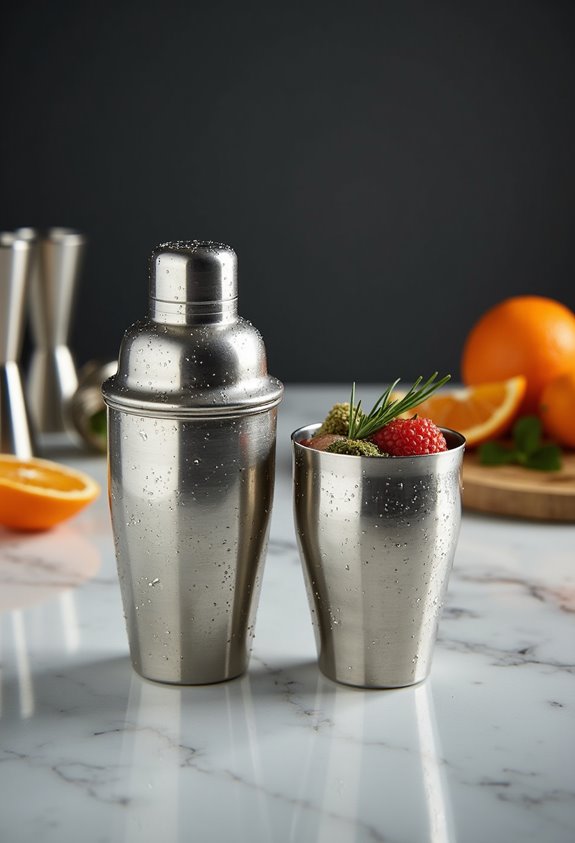
The usability and performance of Boston shakers and Cobbler shakers present distinct advantages and challenges for bartenders at varying skill levels. Boston shakers, made entirely of stainless steel, offer ergonomic benefits. They enable efficient shaking techniques and accommodate larger volumes, which enhances speed in busy bars. Beginners may find the Boston shaker’s tight seal challenging, while professional bartenders often prefer it for improved control over dilution and mixing. In contrast, Cobbler shakers feature integrated strainers, making them easier for novices but less precise in shake customization. Their mixed materials can lead to durability concerns. Ultimately, the choice between these shakers hinges on the user’s skill level and the desired cocktail quality. Additionally, high-quality materials used in cocktail shaker sets can enhance durability and performance, making them essential for serious mixologists.
Cleaning and Maintenance Challenges
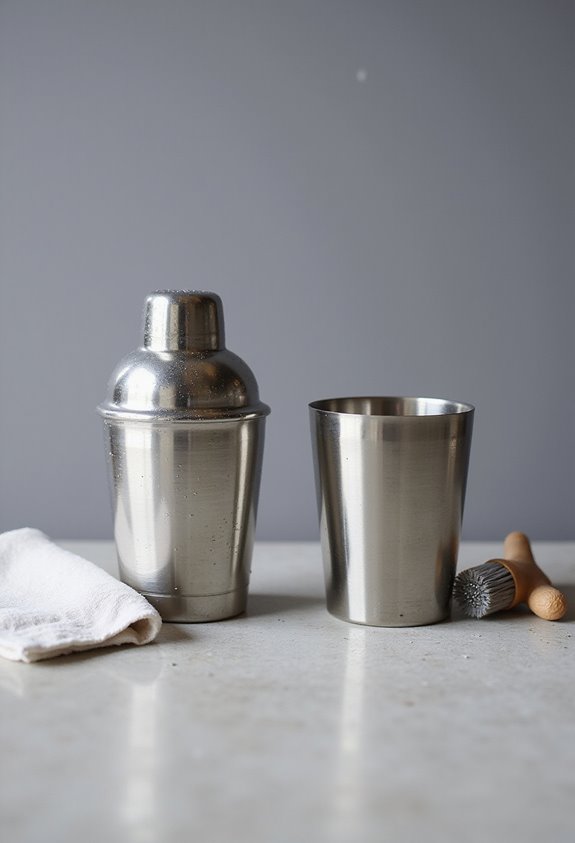
Cleaning and maintaining Boston shakers can pose significant challenges for bartenders, particularly due to their two-piece design. The complexity of disassembly requires separate cleaning techniques for each tin, which can be time-consuming. Additionally, the need to clean individual strainers prevents residue accumulation but increases maintenance frequency. If not dried properly, nested tins can trap moisture, fostering microbial growth. Bartenders are advised to clean using mild, food-safe detergents and periodically employ stainless steel cleaners to preserve their appearance. Regular deep cleaning, ideally weekly, is essential to avoid sticky buildup and potential health risks from residue transfer in cocktails. Although thorough cleaning is achievable, the added steps make Boston shakers more labor-intensive compared to their cobbler counterparts. Furthermore, using high-quality ingredients in cocktails can help minimize residue buildup, making the cleaning process easier overall.
Recommended Products

【All-Weather Anti-Slip Grip Side Step】: For drivers and families stepping in during rain, snow, mud, or wet driveways, slippery shoes maybe make entry feel unsafe. Our 6.5 inches Aluminum running boards designed with wide textured step sides help keep wet, muddy, or slushy footwear planted during daily entry and exit for safety boarding
Volume and Capacity Differences
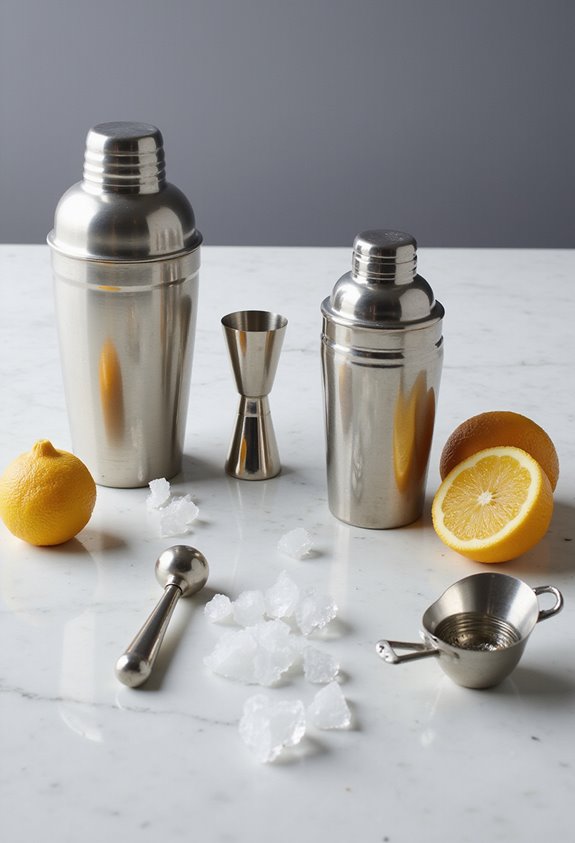
While both Boston shakers and cobbler shakers serve the same fundamental purpose in cocktail preparation, their volume and capacity differences are significant in determining their suitability for various settings. Boston shakers typically range from 18 to 28 ounces per tin, allowing for efficient mixing of multiple cocktails at once. This larger shaker size supports the incorporation of ingredients like egg whites or muddled fruit without risk of overflow. In contrast, cobbler shakers offer a smaller capacity of about 24 ounces, which can limit mixing efficiency when preparing drinks for a crowd. The Boston shaker’s design also facilitates a smoother seal, contributing to better aeration and chilling, making it a preferred choice in professional bartending environments where time and productivity matter. Additionally, the insulation properties of Boston shakers can help keep cocktails cold for longer periods, enhancing the overall drinking experience.
Recommended Products

Bundle includes Cocktail Shaker Set Bartender Kit and Travel Bartender Bag
Professional Preferences in Bartending
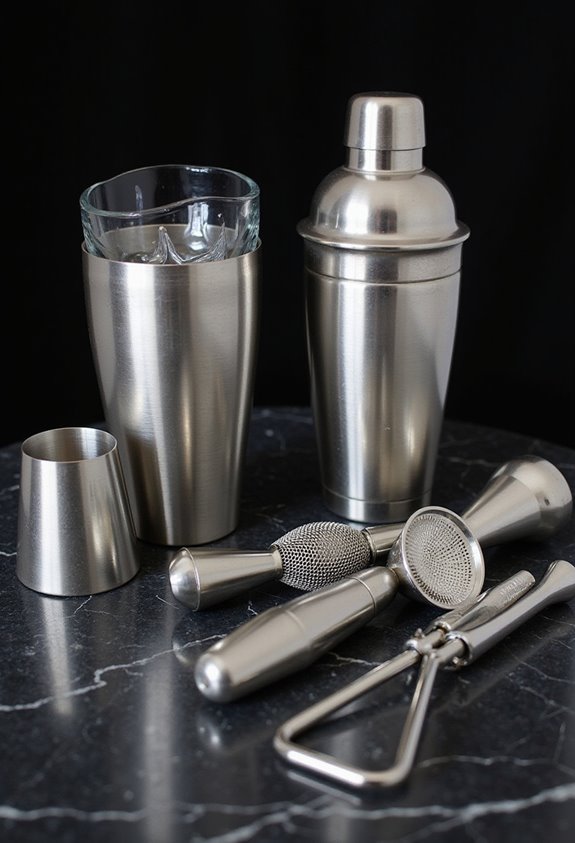
Professional bartenders often favor Boston shakers over cobbler shakers due to their speed, efficiency, and flexibility in high-volume settings. The two-piece design of Boston shakers allows for quicker sealing and unsealing, essential during peak service hours. With greater tactile feedback and the ability for more precise control, they support cocktail artistry and creativity. Bartender training programs often emphasize these advantages, recognizing the importance of choosing tools that enhance performance. Additionally, Boston shakers provide larger capacities for batch preparation, enabling bartenders to mix multiple servings efficiently. Their durable stainless steel construction contributes to longevity and consistent performance, making Boston shakers a staple in many professional bars. This combination of practicality and artistic freedom solidifies their place in modern bartending practices. Furthermore, using high-quality cocktail measuring cups ensures precise ingredient ratios, further enhancing the quality of the cocktails prepared.
Practical Challenges Faced With Each Shaker
The practical challenges faced by bartenders when using Boston and cobbler shakers are notable. Boston shakers demand precise alignment to create a leak-proof seal, which can be tricky without practice. Conversely, cobbler shakers have built-in strainers but can be difficult to open after shaking, sometimes needing warm water to loosen. This risks warming the cocktail. The smaller design of cobbler shakers limits capacity, affecting shaker stability in high-volume situations. Additionally, improper securing of cobbler caps can result in spills during vigorous shaking. On the other hand, Boston shakers offer better pouring precision as they use separate strainers, allowing for cleaner pours. Overall, these challenges influence bartenders’ preferences and efficiency in cocktail preparation. Furthermore, the choice of shaker can impact the overall cocktail making experience, especially for those looking to create diverse cocktails at home.
Impact on Cocktail Preparation Efficiency
Bartenders often face significant challenges that directly impact their efficiency and workflow during cocktail preparation. The choice between Boston and cobbler shakers plays a vital role in cocktail speed and overall efficiency. Boston shakers, with their larger capacity and two-piece design, allow for the simultaneous handling of multiple cocktails, typically resulting in reduced shaking cycles during busy hours. This efficiency is paramount for professionals who thrive on rapid service. In contrast, cobbler shakers often limit volume and obscure workflow due to their built-in strainers and additional cleaning challenges. When mastered, the shaking technique of a Boston shaker enhances performance, enabling bartenders to serve more drinks quickly while maintaining quality, essential under high-demand circumstances.
Frequently Asked Questions
What Are the Best Brands for Boston Shakers?
A few top shaker brands for bartenders include A Bar Above, Cocktail Kingdom Koriko, and Alessi. These high-quality bar accessories enhance cocktail mixing experiences, fostering a sense of community among enthusiasts and professionals alike.
How Can I Improve My Shaking Technique With a Boston Shaker?
Like a well-conducted orchestra, mastering shaking technique with a Boston shaker involves understanding shaking physics and achieving cocktail balance. Practice sealing, shaking steadily for 10–15 seconds, and employing precise straining for harmonious results.
Are There Any Specific Cocktail Recipes Best Suited for Boston Shakers?
Boston shakers are perfect for cocktail recipes like whiskey sours, margaritas, and daiquiris. Their efficiency in shaking and mixing guarantees excellent flavors, making them a favored choice among bartenders for creating vibrant, well-balanced drinks.
Can Boston Shakers Be Used for Both Shaken and Stirred Drinks?
Though a Boston shaker excels in mixing shaken cocktails, its use for stirred cocktails is atypical. Precision in stirring requires a mixing glass, as Boston shakers prioritize speed and efficiency, catering to vibrant social environments.
What Material Types Are Available for Boston Shakers Besides Stainless Steel?
Alternative materials for Boston shakers include copper for aesthetics, and glass for visual appeal. These options enhance shaker durability while providing unique styles, appealing to bartenders who seek both functionality and an inviting presentation.