As an Amazon Associate, we earn from qualifying purchases. Some links on this site are affiliate links at no extra cost to you. Our recommendations are based on thorough research and editorial judgment.

How Do I Choose A Quality Vermouth For Cocktails?

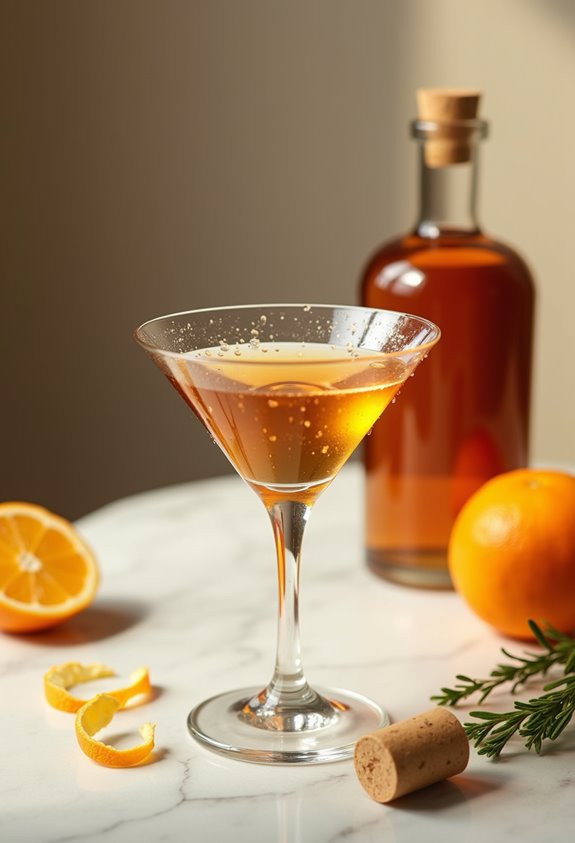
To choose a quality vermouth for cocktails, one must understand the types available, such as sweet and dry variants. Key indicators include a complex bouquet of botanicals, balanced sweetness, and freshness. Notable brands like Noilly Prat and Dolin reflect high quality. The choice of vermouth also hinges on the cocktail type; for example, dry vermouth enhances gin-based drinks, while sweet vermouth enriches whiskey cocktails. Further exploration reveals more about regional varieties and their unique influences on flavor.
Key Takeaways
- Consider the type of vermouth; choose sweet for depth in cocktails like Negronis and dry for floral notes in gin-based drinks.
- Look for recognizable brands like Noilly Prat or Dolin to ensure quality and complexity.
- Assess the sweetness balance; a harmonious interplay of sweetness, bitterness, and acidity is essential for a well-rounded vermouth.
- Store vermouth properly, refrigerating after opening and protecting it from light and temperature fluctuations to maintain freshness.
- Experiment with regional varieties; Italian vermouth tends to be sweeter, while French and Spanish styles offer diverse flavor profiles.
Recommended Products

HIGH-QUALITY OLIVES - That same tree-to-table flavor made famous by our Extra Virgin Olive Oil can be found in our Dirty Martini Juice.

Tillen Farms Lemon Twist Olives - 6 Pack contains six-12 oz jars

Premium Non-Alcoholic Vermouth. 0% Alcohol. Low in Calories
Understanding the Types of Vermouth
Vermouth, a fortified and aromatized wine, is categorized into five primary types: Sweet, Dry, Extra Dry, White (Bianco), and Rosé. Each type reflects the diverse vermouth regions and unique production methods, offering distinct flavor profiles. Sweet vermouth, typically red or amber, ranges from 130-150 g/L of sugar, producing a rich, spiced taste suited for cocktails like the Negroni. Dry vermouth, with under 50 g/L of sugar, tends to be crisp and pale. Extra Dry is even less sweet, ideal for bone-dry martinis. White vermouth, pale yellow, presents floral hints with moderate sweetness, while Rosé is characterized by its delicate pink hue and invigorating profile. Each variant showcases the craftsmanship involved in vermouth’s creation, inviting exploration and enjoyment. Understanding the importance of high-quality ingredients is essential for enhancing the overall cocktail experience.
Key Quality Indicators to Look For
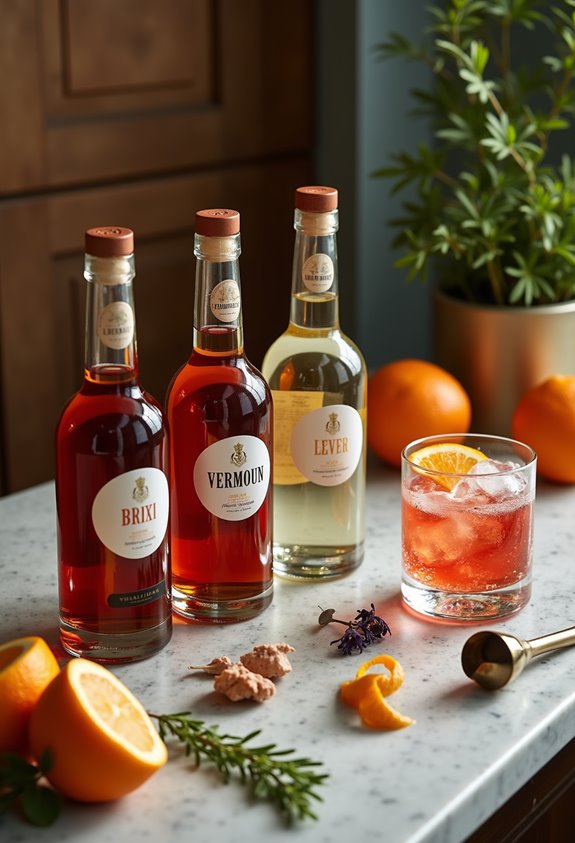
To select quality vermouth for cocktails, certain key indicators signify an exceptional product. A complex bouquet rich in herbal notes, including juniper and coriander, highlights its premium nature. Aromatic balance is essential; no single botanical should overwhelm others. For sweetness balance, a well-crafted vermouth harmonizes sweetness, bitterness, and acidity without overwhelming the palate. Sweet vermouth should have a richness from caramel and spice, while dry vermouth should maintain a crisp, herbal brightness. Freshness is another key indicator as vermouth is perishable; proper storage enhances its botanical integrity. Recognizable brands, such as Noilly Prat and Dolin, often indicate a commitment to quality, reflecting traditional production methods and attention to detail. Additionally, consider selecting vermouths that are 100% vegan and align with various dietary preferences to ensure a broader appeal in your cocktails.
Recommended Products

100% Natural Ingredients – Bab Louie & Co. Bitters are crafted with organic herbs, spices, fruits, and roots. Non-GMO, gluten-free, and calorie-free with no added sugar, offering a healthy alternative for your drinks. Bab Louie Bitters are a blend of 15 Special botanicals sourced from across India. We use ingredients like fruits, herbs, spices and roots sourced from the local Indian farms and handpicked with love by Bab & Louie.
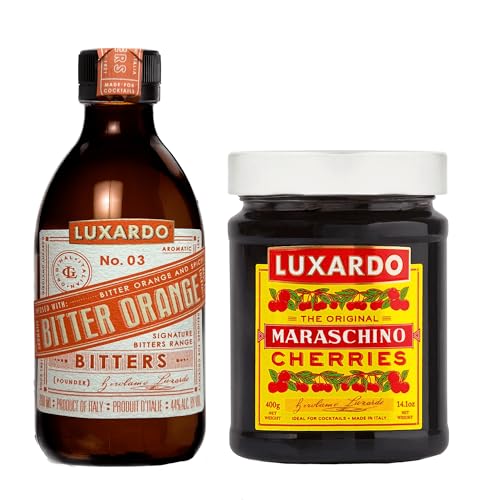
PREMIUM LUXARDO VARIETY PACK – Includes two iconic products: Luxardo Bitter Orange and Luxardo Maraschino Cherry, crafted in Italy for elevated cocktail flavor.
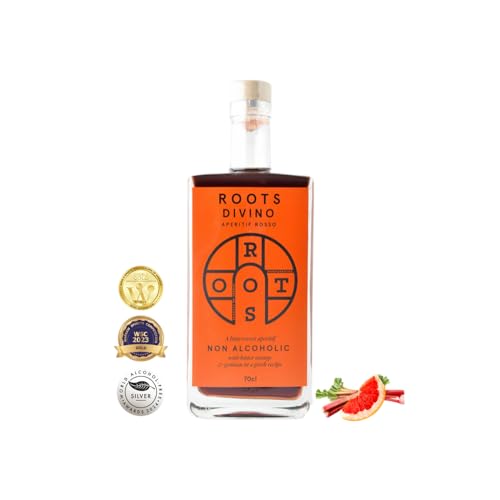
Premium Non-Alcoholic Spirit. 0% Alcohol. Low in Calories. No Fat.
Choosing Vermouth Based on Cocktail Type
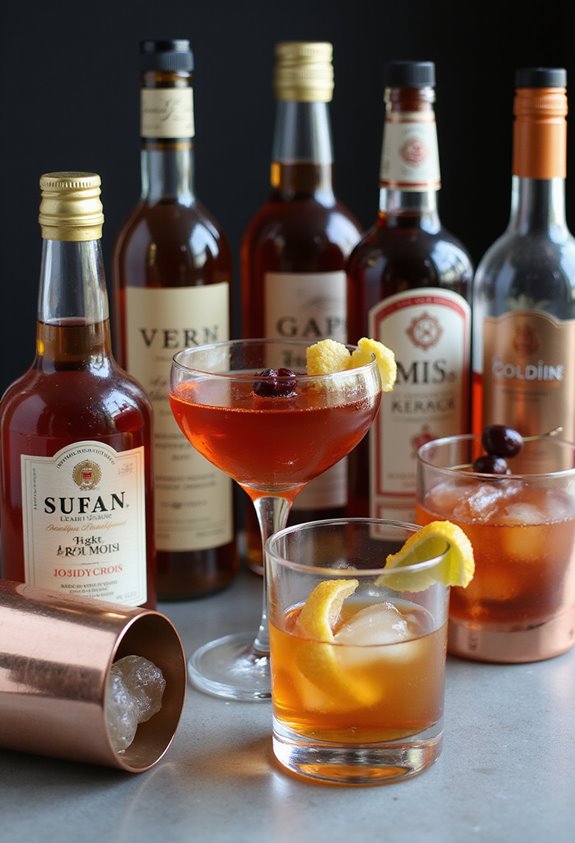
Choosing the right vermouth is crucial for crafting cocktails that align with specific spirits. For gin-based cocktails, dry vermouth enhances the floral notes of gin, while sweet vermouth adds depth in drinks like the Negroni. Utilizing a blend of both can offer a sophisticated balance, significantly in the Bronx cocktail. Conversely, whiskey drinks like the Manhattan benefit from the richness of sweet vermouth, which complements whiskey’s caramel notes. Employing vermouth selection strategies that prioritize the sweetness and herbal intensity is essential. Additionally, sweet vermouth serves well in bitter aperitif cocktails, harmonizing with liqueurs like Campari while balancing bitterness. Cocktail pairing techniques emphasize the importance of tailoring vermouth to enhance flavors and achieve the desired balance in every drink. An effective way to ensure quality is to look for vermouth brands that utilize premium ingredients to achieve a richer flavor profile.
Recommended Products

A Proper Martini Glass — London Standard: Inspired by the legendary Martini service at Duke’s Bar in London, this set of two classic V-shaped Martini glasses is designed for those who take the Martini seriously. Ideal for Dry Martinis, Vodkatinis, and Gibsons, these glasses bring understated British elegance to the home bar.

CHEERS! The Gin Trio cocktail mixes from McKinnon’s are 3 times the fun! Relax and savor the refreshing flavors of Grapefruit Rosemary, Cucumber Cilantro, and Sangria. Tightly sealed glass mason jars lock in the freshness of the premium ingredients

Derived from “Mother Brine” for the dirtiest martini you can get. Make your next martini extra dirty or try as a tangy chicken marinade
Exploring Flavor Profiles and Aromatic Complexity
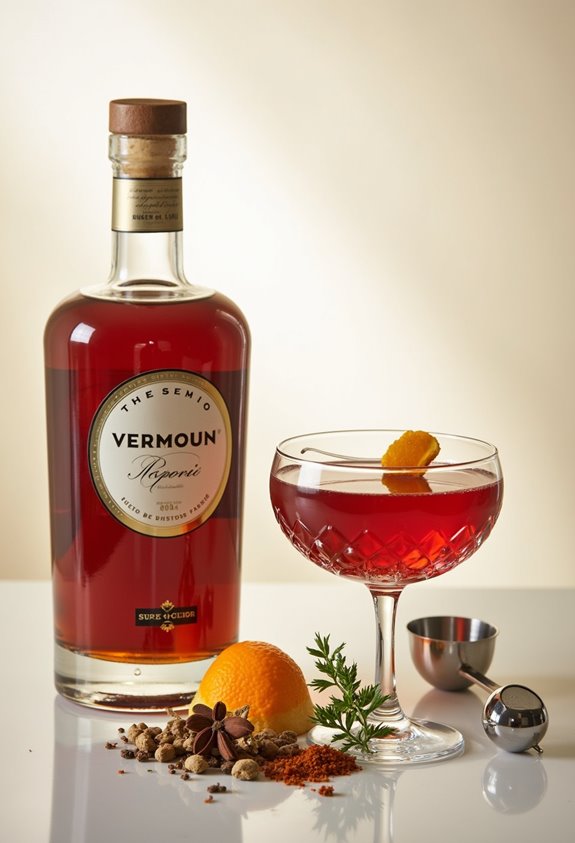
How can the flavor profiles and aromatic complexity of vermouth enhance the cocktail experience? Vermouth’s distinct aromatization with botanicals like wormwood, chamomile, and orange peel creates diverse sensory notes. These flavor harmonies—ranging from sweet and rich to crisp and herbal—reflect the quality of the base wine used. Sweet vermouths exhibit bittersweet warmth, while dry versions offer a rejuvenating herbal character. Bianco and rosé vermouths introduce a balance of floral and citrus elements. Each style encourages aromatic experimentation, inviting bartenders and enthusiasts to explore this unique diversity in crafting cocktails. The intricate interplay of sweetness, bitterness, and spices results in a multilayered experience, making vermouth a versatile ingredient in the world of cocktails. Additionally, using a 30oz cocktail shaker allows for more efficient mixing and can enhance the overall cocktail-making process.
Price and Availability Considerations
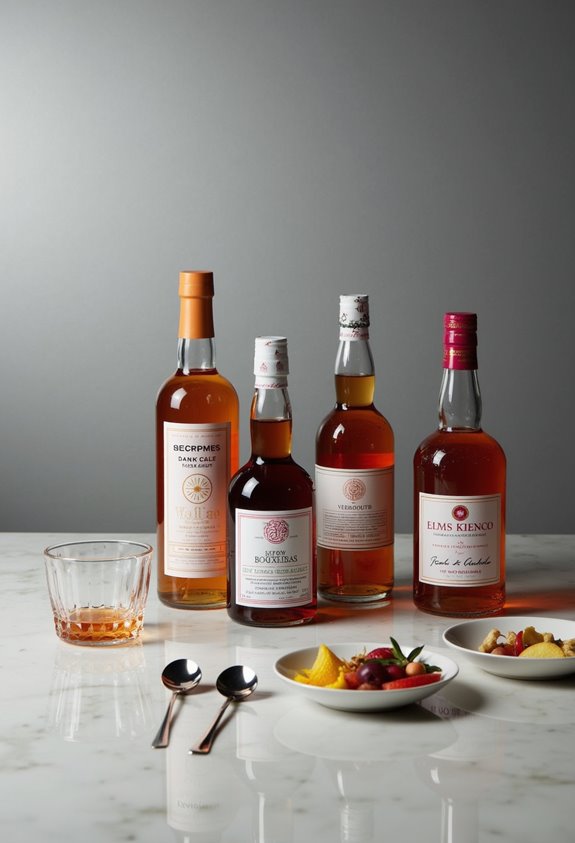
The price and availability of vermouth can considerably influence a consumer’s choice and cocktail experience. Vermouth typically ranges from $3 to over $25 per bottle, reflecting quality and production methods. Budget options like Gallo and Ponti are widely available, appealing to cost-conscious drinkers, yet may lack depth. Mid-range vermouths, such as Drapo Dry and Gonzalez Byass, provide enhanced complexity for craft cocktails. Premium brands, starting at approximately $20, offer deeper flavors, supporting both sipping and sophisticated mixes. However, regional availability varies; budget brands dominate some areas while specialty vermouths may only be found in select liquor stores or online. As a result, understanding one’s local market is essential for finding the best option tailored to individual preferences. Additionally, the choice of vermouth can significantly influence the overall experience when served in quality crystal martini glasses, enhancing the presentation and enjoyment of the cocktail.
Recommended Products

Non-Alcoholic Drink for Everyday Occasions: Whether you need a workweek treat or enjoying a social gathering, Abstinence Blood Orange Aperitif is a bold alcohol alternative that brings the same celebratory spirit, minus the alcohol


Six distinctive bitters for cocktails - From West Indies Orange to Black Walnut enhanced with red vermouth, this bundle delivers a complete spectrum of premium flavors to transform any drink
Tips for Proper Storage
Proper storage of vermouth is a significant aspect of preserving its flavor and quality, particularly after opening. To achieve ideal storage conditions, refrigerate vermouth immediately after purchase and maintain a temperature between 45-60°F (7-15°C). This practice extends bottle longevity by slowing oxidation. It is essential to reseal bottles tightly after each use to limit oxygen exposure. Additionally, store bottles upright if they have screw caps while those with corks should be laid on their sides. Protect vermouth from direct light and temperature fluctuations, which can degrade its flavors. For fans of quality cocktails, using a dedicated wine fridge and labeling bottles with opening dates can enhance the experience by ensuring that the vermouth remains vibrant and flavorful. Choosing a quality vermouth can significantly impact your cocktails due to its versatility in beverage compatibility.
Using Vermouth in Classic Cocktails
While crafting cocktails, using vermouth effectively enriches the overall experience by enhancing flavors and balance. A critical component of vermouth history, classic cocktails showcase the evolution of this fortified wine. The Martini, for instance, combines dry vermouth and gin, highlighting the herbaceous notes that define its character. Sweet vermouth plays a pivotal role in the warmth of a Manhattan, while the Negroni—made with equal parts gin, sweet vermouth, and Campari—delivers a bittersweet aperitivo perfect for evenings. The Americano, originating in 1860s Milan, blends sweet vermouth with Campari and sparkling water, creating a rejuvenating drink. Each cocktail relies on the distinct qualities of vermouth to achieve harmony, underscoring its significance in the domain of mixology.
The Role of Vermouth in Modern Mixology
Vermouth plays an essential role in modern mixology, serving as both a flavor modifier and a complexity enhancer in cocktails. Craft cocktails have increasingly embraced vermouth for its ability to introduce depth and variety to drink profiles. By adding subtle notes of citrus, florality, and spice, vermouth enhances the overall character of the base spirit. It balances acid, sugar, and alcohol, creating a sophisticated drinking experience. Moreover, vermouth’s versatility supports innovative mixing techniques, enabling mixologists to craft lower-alcohol beverages that remain flavorful. This ingredient has become indispensable, encouraging creativity and allowing bartenders to tailor drinks to evolving consumer preferences. Ultimately, vermouth enriches the cocktail landscape, bridging traditional and contemporary mixology practices.
Regional Varieties and Their Influence
Regional varieties of vermouth considerably influence the flavor profile and character of cocktails. Italian vermouth, especially from the Piemonte region, is known for its sweet styles enriched with botanicals like vanilla and cocoa. Conversely, French vermouth, exemplified by Noilly Prat, pioneers a dry, herbal profile emphasizing finesse. Spanish vermouth, often made with sherry as a base, reveals a richer, sweeter character, incorporating local herbs and spices reflective of its Catalonian roots. Each region’s traditional recipes and botanical choices create distinctive taste experiences. For instance, Torino’s vermouth features bitter undertones from chinchona, while French styles focus on gentian and delicate florals. Understanding these regional influences is essential for crafting cocktails that resonate with authentic flavors.
Enhancing Cocktails With Vermouth
Cocktail enthusiasts recognize that the inclusion of vermouth can dramatically elevate the quality and complexity of mixed drinks. Vermouth contributes a complex blend of botanicals, enhancing flavor layering and achieving a remarkable botanical balance within cocktails. Key ingredients like wormwood, orange peel, and cinnamon offer a spectrum of bitterness, citrus brightness, and warming spice. This interplay of flavors can complement base spirits, adding depth to drinks. Choosing vermouths with distinct botanical characteristics allows bartenders to customize cocktail profiles according to desired sophistication. Additionally, vermouth’s varying sweetness levels—dry or sweet—impact overall flavor, guiding selections for classic cocktails like the Martini or Manhattan. Ultimately, understanding vermouth’s role fosters more refined and enjoyable drinking experiences.
Recommended Products

Set of 6 - 5 ounce Bottles

CHEERS! The Tequila Trio cocktail mixes from McKinnon’s are 3 times the fun! Relax and savor the refreshing flavors of Pineapple Jalapeno, Grapefruit Rosemary, and Sangria. Tightly sealed glass mason jars lock in the freshness of the premium ingredients. Complex tasting, mouthwatering drinks are now easy to make without the stress of finding all the ingredients.
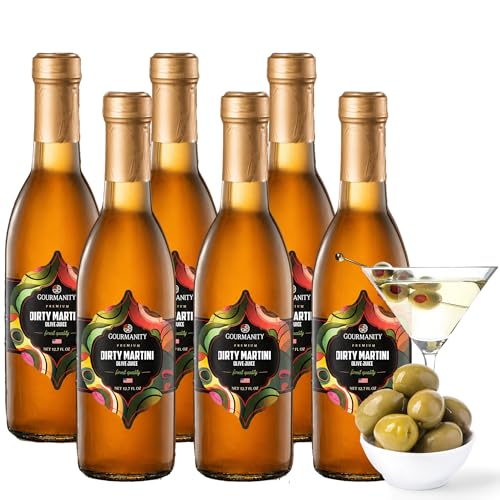
BALANCED TASTE, NEVER TOO SALTY: Filtered from naturally cured olives for a clean, smooth tang that is never harsh or overly salty, the balance dirty martini drinkers ask for by name.
Experimenting With Different Vermouths
Exploring different styles of vermouth can greatly enhance the cocktail experience, as each variant offers unique attributes that affect flavor and aroma. Vermouth tastings encourage cocktail enthusiasts to engage in flavor pairings that match their favorite spirits. For instance, dry vermouth provides a crisp herbal note perfect for a Martini, while sweet vermouth‘s richness suits a Negroni. Brand exploration allows drinkers to experience regional differences, such as the often sweeter Italian rosso versus the more herbal French varieties. Cocktail experimentation with styles like Bianco and Ambrato can reveal delightful surprises for any palate. Ultimately, understanding these distinctions transforms the art of mixing and elevates social gatherings through informed choices in vermouth selection.
Frequently Asked Questions
Can I Use Old Vermouth for Cocktails?
Using old vermouth in cocktails may lead to unpleasant flavors and diminished quality. With vermouth shelf life typically declining after a few weeks, it’s advisable to prioritize freshness for a more enjoyable cocktail experience.
What Are the Best Brands for Beginners?
Popular vermouth brands for beginners include Gallo and Martini & Rossi, offering accessible flavors for classic cocktails. Following beginner cocktail tips, these options create a welcoming experience, fostering confidence and a sense of belonging in mixology.
How Long Can I Keep an Unopened Bottle?
An unopened bottle of vermouth, when stored in cool, dark conditions, has a lifespan of 3 to 5 years. Ensuring ideal storage preserves its allure, inviting gatherings filled with joy and delightful cocktails.
Does Vermouth Expire After Opening?
Vermouth typically lasts 1 to 2 months post-opening, with proper storage techniques enhancing its lifespan. Vintage vermouth may be cherished longer; however, quality diminishes rapidly, impacting flavor and aroma beyond weeks of exposure to air.
Can I Make Cocktails Without Vermouth?
In a garden of flavors, vermouth is an essential bloom. While cocktails can thrive without it, exploration of vermouth alternatives invites cocktail experimentation, allowing creators to weave new tales, though classic intricacies may be lost.