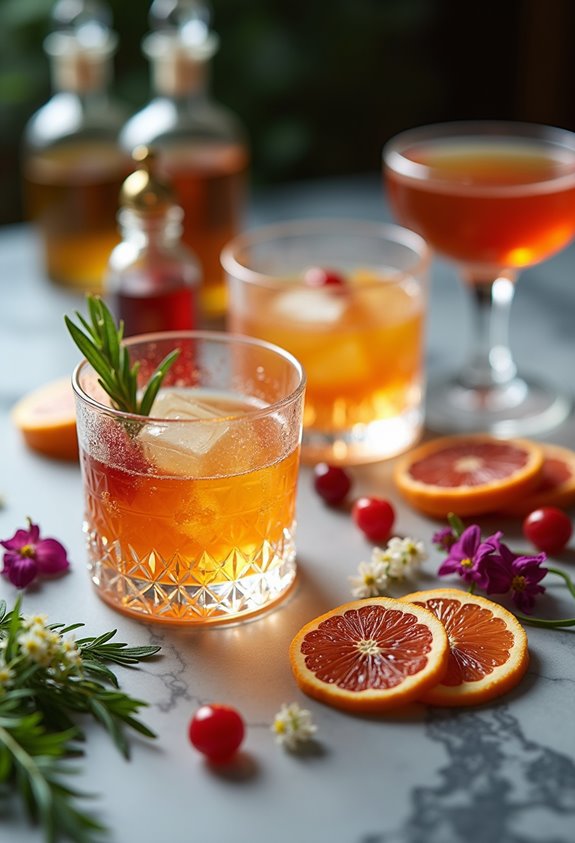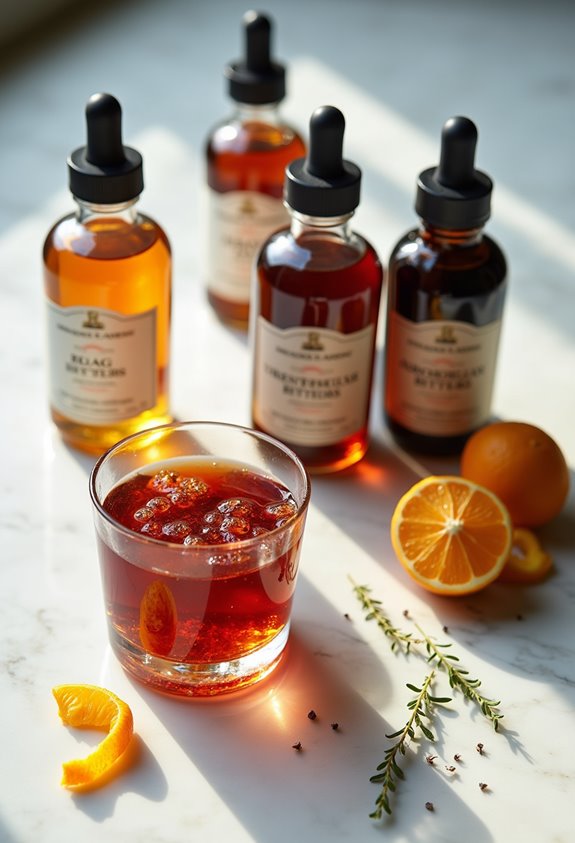
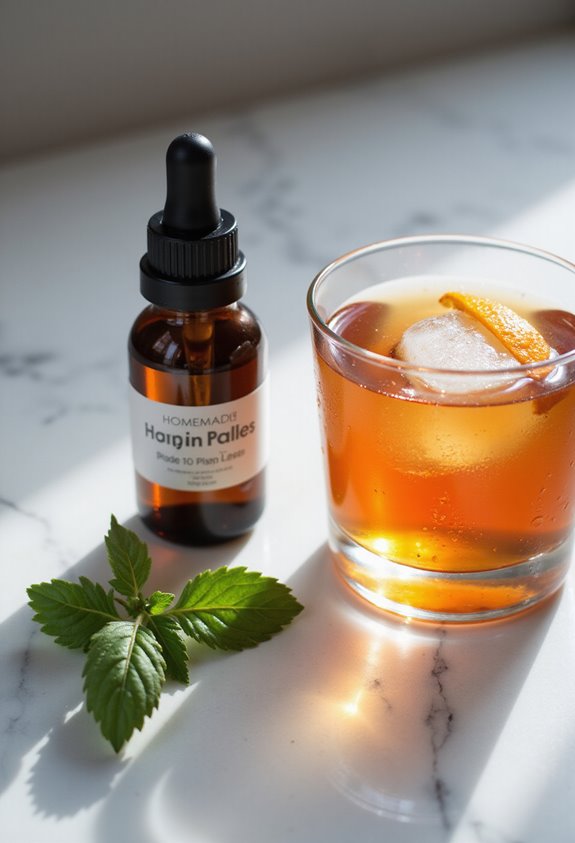

Using homemade bitters in drinks can be safe, but individuals must be cautious. Potential risks include allergic reactions and digestive discomfort. Certain herbs may interact with medications, particularly for those with liver issues or gastrointestinal disorders. Recommended preparation includes using food-grade botanicals and sterilized containers. Proper storage extends the bitters’ flavor and benefits. While they enhance drink flavor and support digestion, further details on safe usage and storage practices warrant attention for informed consumption.
Key Takeaways
- Homemade bitters can enhance flavor in drinks but may cause allergic reactions or digestive discomfort in some individuals.
- Monitor initial consumption closely for adverse effects, and consult a healthcare provider if necessary.
- Certain herbs in bitters can interact with medications or worsen gastrointestinal disorders, requiring caution.
- Pregnant, breastfeeding individuals, and those with specific health issues should avoid homemade bitters.
- Use high-quality, organic ingredients, and store bitters properly to ensure safety and flavor quality.
Understanding Homemade Bitters
What constitutes homemade bitters, and how do they differ from commercial versions? Homemade bitters are crafted using high-proof neutral grain alcohol, dried citrus peels, spices, and medicinal botanicals. These ingredients undergo specific infusion techniques in glass jars, where they steep for days to weeks, allowing flavors to meld. This process enhances flavor customization, enabling enthusiasts to tailor their bitters with unique blends of herbs, spices, and fruits. For example, cinnamon adds warmth while gentian root provides a classic bitterness. Unlike commercial bitters, which tend to be consistent and mass-produced, homemade versions offer distinct profiles shaped by individual preferences and local ingredients. This personalization fosters a deeper connection among those who appreciate mixology and culinary exploration. Additionally, using essential bitters in cocktails is crucial for balancing flavors and enhancing overall depth.
Potential Risks and Side Effects
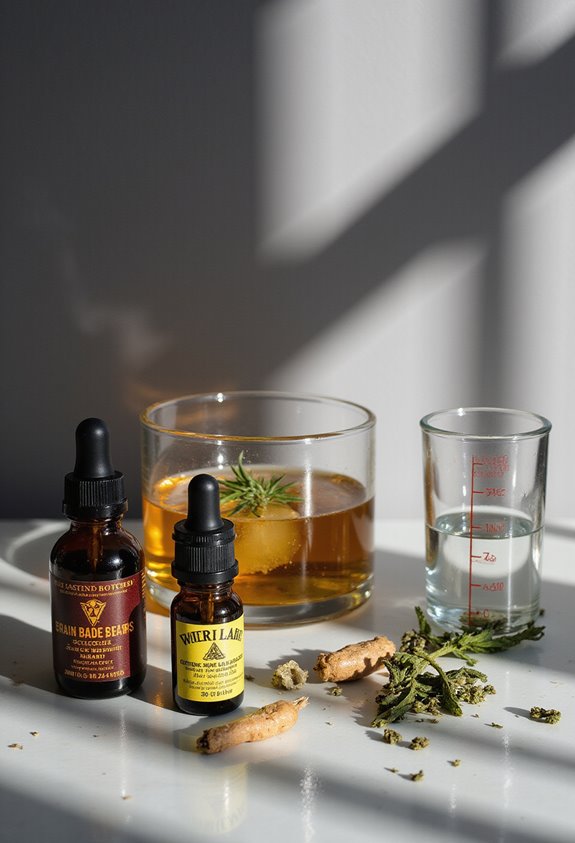
Homemade bitters, while celebrated for their flavor customization, carry potential risks and side effects that users should be aware of. Certain herbs used in these concoctions can trigger allergic reactions, including skin rashes, itching, or swelling. Individuals with known herb allergies should exercise caution or avoid homemade bitters altogether. Additionally, consuming these bitters may lead to digestive discomfort, such as nausea, abdominal pain, or unexpected changes in bowel movements. Particularly sensitive individuals might find these effects troublesome. It’s essential for users to monitor their reactions during initial use and consult with a healthcare provider if they experience any adverse symptoms. Being informed and cautious can help individuals enjoy homemade bitters while mitigating health risks. Furthermore, the use of unique flavors in homemade bitters can also contribute to unforeseen reactions depending on the specific herbs chosen.
Recommended Products
Live Long, Live Right: Unleash your potential with a natural drink that houses potent antioxidants that promotes a healthy immune system and contributes to a healthier life. Chaga’s resilient adaptogens improve overall well-being making you feel revitalized.

ORGANIC BLEND: A powerful wellness elixir combining natural ingredients Soursop, Seamoss, Black Seed, and Moringa for comprehensive health support.

Naturally Sourced Ingredients: Each ingredient is carefully selected for its natural properties, ensuring you receive the full benefits without any artificial additives.
Interactions With Medications and Health Conditions
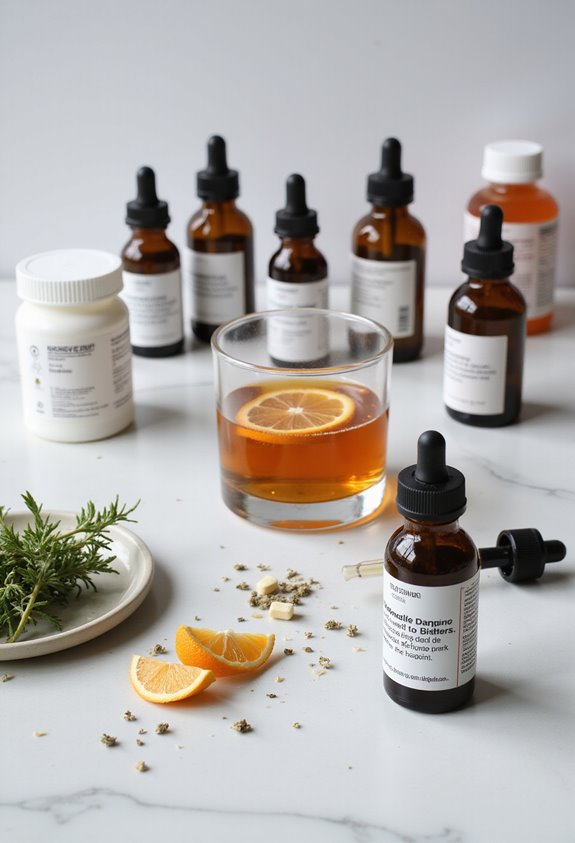
Interactions between homemade bitters and various medications or health conditions are notable and require careful consideration. Certain herbal components, like St. John’s wort or goldenseal, may lead to herb interactions that alter drug metabolism. This can pose risks for individuals on blood pressure medications, insulin, or medications with a narrow therapeutic index, such as warfarin. Additionally, bitters may aggravate gastrointestinal disorders, making them contraindicated for those with ulcers or inflammatory bowel disease. Pregnant and breastfeeding individuals should also avoid bitters due to potential adverse effects. People with liver or kidney diseases, and those with bleeding disorders or low blood pressure, must exercise caution to prevent serious complications or exacerbation of existing health conditions. Furthermore, the use of mini shot glasses for serving bitters could enhance presentation but should be approached with awareness of their potential effects on health.
Recommended Products

Complete Wellness Duo – Combine the power of Soursop Bitters and nutrient-rich herbal capsules for full-body wellness support


Enhance your vitality with Herboganic Living Bitters, your natural solution for optimal health and wellness.
Safe Preparation and Ingredient Guidelines
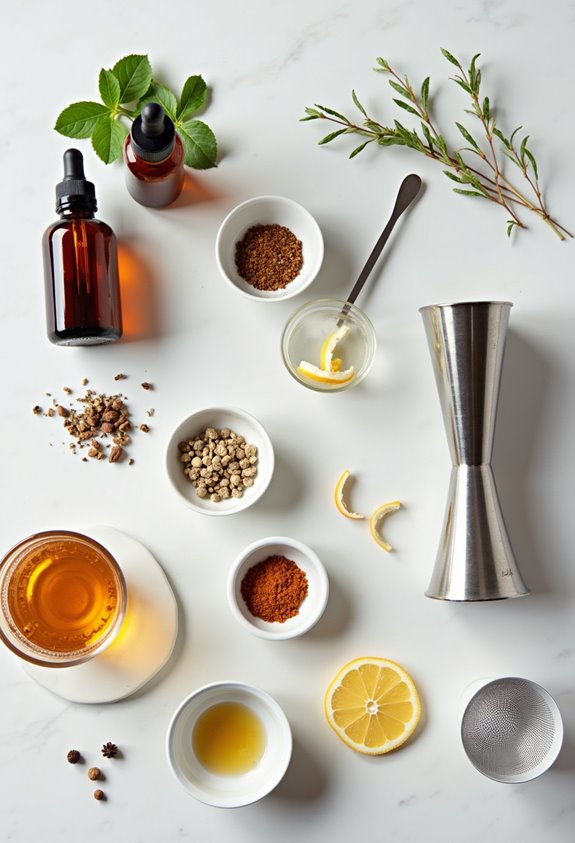
When considering the safe preparation of bitters, ingredient selection plays a significant role in ensuring both quality and safety. It is essential to use food-grade, preferably organic botanicals, free from harmful pesticides. All ingredients, including dried roots, spices, and fruits, should be thoroughly inspected and cleaned. High-proof neutral spirits, such as vodka or rum, are recommended for their ability to extract flavors while preserving the bitters. Proper storage practices are essential; bitters should be kept in sterilized glass jars with airtight lids, away from direct light and heat. Regularly inspect bitters for any signs of spoilage, such as off odors or cloudiness, and consume within one to two years for peak safety and flavor quality. Additionally, homemade bitters can benefit from the unique complex flavor profile that established brands like Angostura have refined over nearly two centuries.
Recommended Products

Organic Cinnamon Chai Rooibos Tea: Organic rooibos is our rich, caffeine free twist on traditional chai. Layered with herbs and spices, it gives each cup a kick without giving you one.

SUPER GREENS & MUCH MORE: Each bottle (12.5 ounces) is packed with 62 organic superfoods, including greens, sprouts, algae, sea vegetables, mushrooms, and much more.

QUALITY CONSTRUCTION: Crafted with an elegant classic style, easy to hold shape, stainless steel and cork dasher top, and excellent balance
Benefits and Recommendations for Use
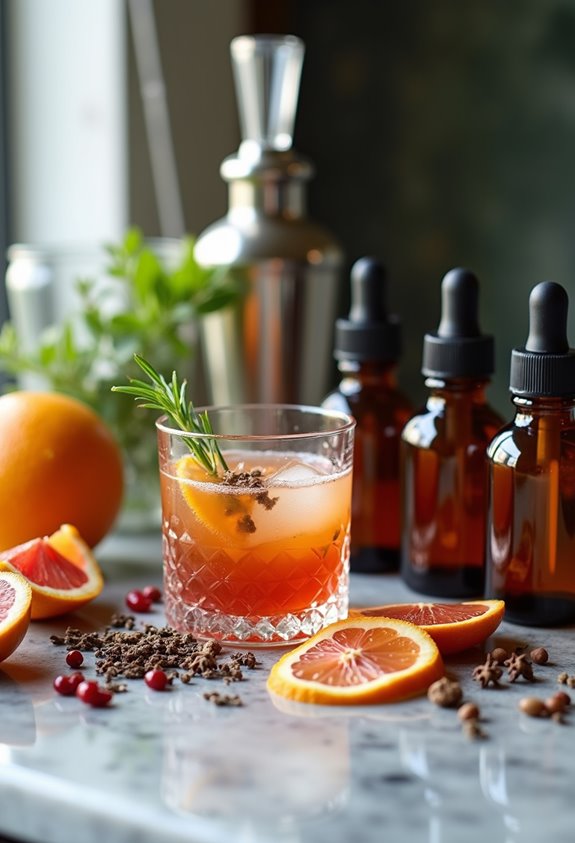
Bitters are gaining recognition for their health benefits and culinary versatility, making them a popular addition to both alcoholic and non-alcoholic beverages. These concoctions enhance flavor while offering digestive support, thereby promoting better nutrient absorption. Ingredients such as gentian root stimulate enzyme production and support appetite regulation. Herbal elements like ginger and chamomile confer anti-inflammatory benefits, helping to alleviate digestive distress. Recommendations suggest using bitters in small doses to prevent overpowering flavors while obtaining their health advantages. They can be incorporated seamlessly into cocktails or non-alcoholic drinks, providing a unique taste experience. Proper storage in sealed containers guarantees longevity and preserves their beneficial properties, making homemade bitters an appealing and health-conscious choice for a variety of beverages. Additionally, high-quality bitters crafted from real ingredients can enhance the overall flavor profile of your drinks.
Recommended Products


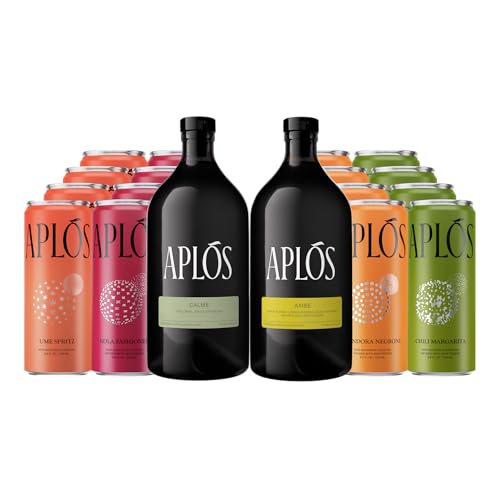
Our collection of sparkling, non-alcoholic cocktails and spirits infused with botanical ingredients for a calming and uplifting effect.
Frequently Asked Questions
Can Children Consume Homemade Bitters Safely?
Children’s safety concerns arise with homemade bitters consumption. Given potential alcohol presence and dosage risks, it is advised to consult healthcare professionals before introducing bitters to children, ensuring suitable alternatives are explored for their well-being.
How Can I Tell if My Homemade Bitters Have Spoiled?
To determine if homemade bitters have spoiled, conduct a smell test for off-odors and observe any color change indicating degradation. Cloudiness or unusual sediment are also clear signs that they should be discarded.
Are There Any Recommended Brands of Commercial Bitters?
In 80% of surveyed bars, Angostura remains the bestseller among commercial brands. Quality ingredients define its success, alongside Peychaud’s and Fee Brothers, each offering unique flavor profiles that cater to diverse cocktail enthusiasts and creative bartenders.
What Are the Best Herbs for Making Digestive Bitters?
The best herbs for making digestive bitters include gentian root, dandelion root, and ginger. Their herbal properties can be effectively extracted using various infusion techniques, promoting better digestion and creating a sense of community through shared wellness.
Can I Use Bitters in Cooking or Baking?
Bitters enhance both cooking and baking, adding complexity to dishes. Exploring bitters alternatives can elevate flavors. Cooking tips suggest using them sparingly to avoid overpowering, creating delightful harmony in cherished family recipes and new culinary adventures.