As an Amazon Associate, we earn from qualifying purchases. Some links on this site are affiliate links at no extra cost to you. Our recommendations are based on thorough research and editorial judgment.

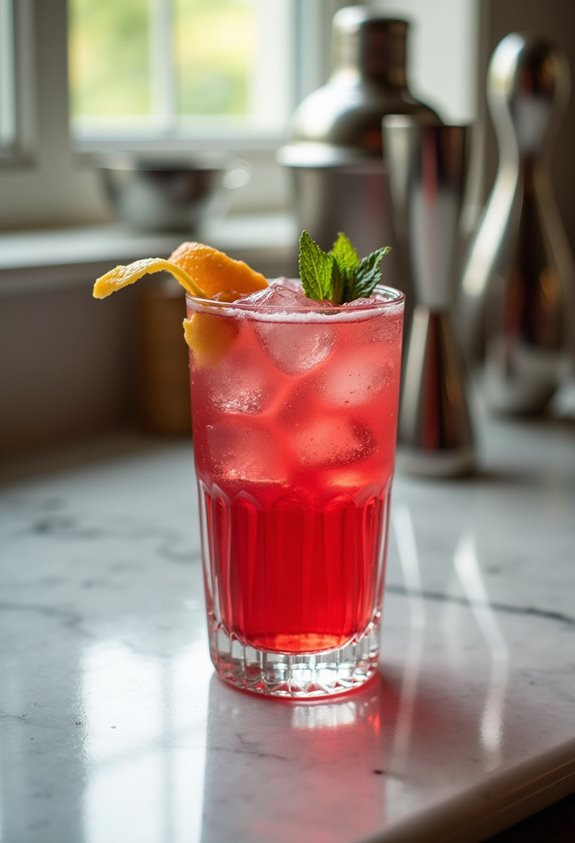
Is It Possible To Become A Proficient Home Bartender Without Training?

Becoming a proficient home bartender without formal training is achievable through dedicated self-study and practice. Resources like “The Bar Book” and platforms such as YouTube provide valuable insights into cocktail techniques. Engaging in regular practice helps develop essential technical skills and enhances muscle memory. However, untrained bartenders often face challenges, including inconsistent product quality and physical strain. Committing to continuous learning and seeking peer feedback can greatly improve one’s bartending abilities. More information follows.
Key Takeaways
- Self-study through resources like books and online tutorials allows for foundational knowledge without formal training.
- Regular practice of essential techniques builds mastery and enhances muscle memory necessary for effective bartending.
- Engaging with digital communities offers support, tips, and feedback to refine skills naturally.
- Experimentation with cocktails fosters creativity and deepens understanding of ingredient roles in drinks.
- Commitment to continuous learning and improvement can lead to proficiency despite the absence of formal training.
The Importance of Self-Study and Practice
Self-study and practical experience are essential components in the journey to becoming a skilled home bartender. Individuals can utilize abundant learning resources, such as Jeffrey Morgenthaler’s “The Bar Book,” which offers in-depth insights into cocktail techniques. Online platforms, including YouTube and TikTok, serve as valuable venues for watching demonstrations by experienced bartenders. Practicing regularly enhances fundamental skills and builds muscle memory, while feedback from peers aids in refining techniques. Aspiring bartenders often employ self-discipline techniques to establish consistent practice routines. Digital communities play an important role, allowing users to exchange tips and troubleshoot challenges collaboratively. By blending self-study with hands-on experience, individuals foster a deeper understanding of mixology, ultimately elevating their home bartending capabilities. Investing in premium bar tools can further enhance the cocktail crafting experience by ensuring durability and precision.
Developing Essential Technical Skills

Developing essential technical skills is critical for aspiring home bartenders seeking to elevate their mixology prowess. Mastery of shaking techniques is essential for properly chilling and diluting cocktails, ensuring a balanced flavor profile. In addition, pouring precision is necessary for consistent liquid measurements and maintaining recipe integrity. A good home bartender should also understand the art of stirring, as this technique mixes spirit-forward drinks while preserving clarity and texture. Knowledge of tools like a jigger for accurate measuring, a cocktail shaker for effective mixing, and a citrus juicer for fresh juice extraction is imperative. These skills, paired with the ability to adapt recipes and garnish effectively, foster an engaging and inviting atmosphere for friends and guests alike. Furthermore, utilizing tools from a comprehensive cocktail kit can significantly enhance your cocktail-making experience and streamline the process.
Mastering Key Soft Skills for Home Bartenders
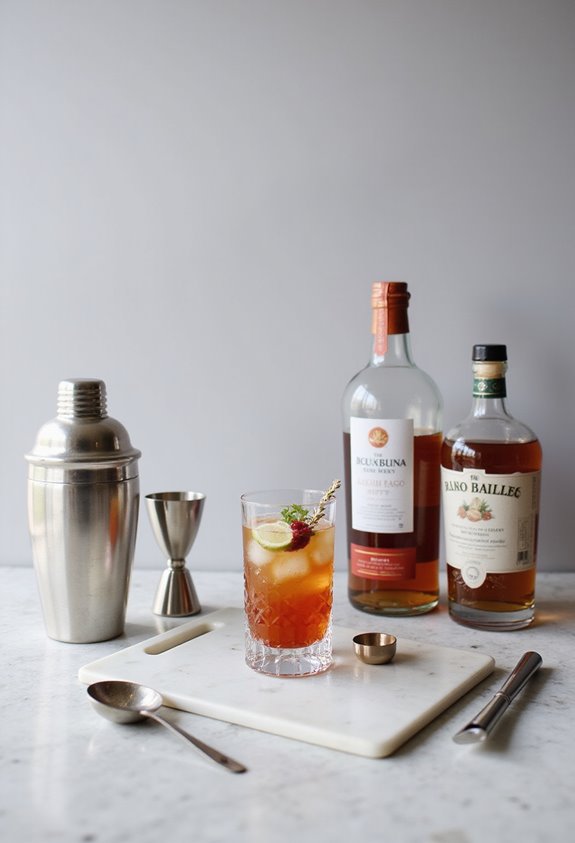
Mastering key soft skills is essential for home bartenders aiming to provide exceptional service and create an inviting atmosphere. Effective communication techniques play a critical role in enhancing customer engagement. Bartenders should focus on small talk, using open-ended questions that invite conversation about drink preferences or local events. Maintaining a neutral stance by avoiding controversial topics fosters a welcoming environment for all patrons. Additionally, active listening and adapting communication styles to fit individual customers improve satisfaction and loyalty. Strong organizational skills and time management facilitate the handling of multiple orders seamlessly. By mastering these soft skills, home bartenders can create memorable experiences, promoting repeat business and a sense of community among their guests. Furthermore, investing in essential bar tools enhances the overall cocktail-making experience and allows for greater creativity in crafting drinks.
Recommended Products

PORTABLE BAR TABLE: This portable pop-up mini bar is a convenient solution to any of your party or event planning needs! It can be installed within a few minutes, and used to serve snacks, drinks, or food. It is a portable high top bar that is perfect for any event including tailgates, backyard parties, and formal parties.

Have bar, will travel can be your motto when you own this portable bar; Not only for traveling caterers you can set up in your home outside your covered patio
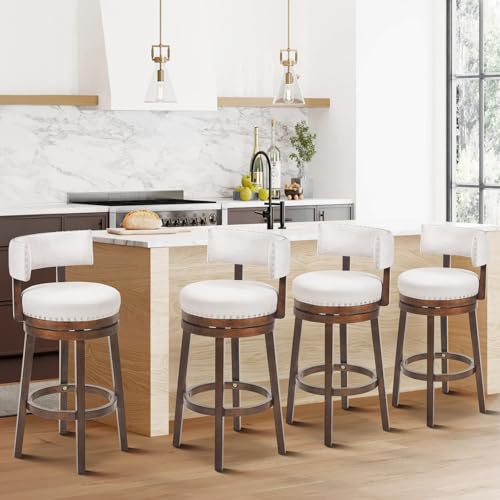
❗❗❗Shipped in multiple packages, you may not receive them at the same time! 【360°Swivel Bar Stool】The 360-degree rotation feature of this wood barstool offers convenience and flexibility. You can easily turn to access different areas or interact with others without having to reposition the entire chair. This makes it ideal for various settings such as bars, kitchens, or home offices. Whether you're having a conversation, working on a task, or simply enjoying a moment of relaxation, the smooth rotation allows for seamless movement and enhanced usability.
Challenges Faced by Untrained Bartenders
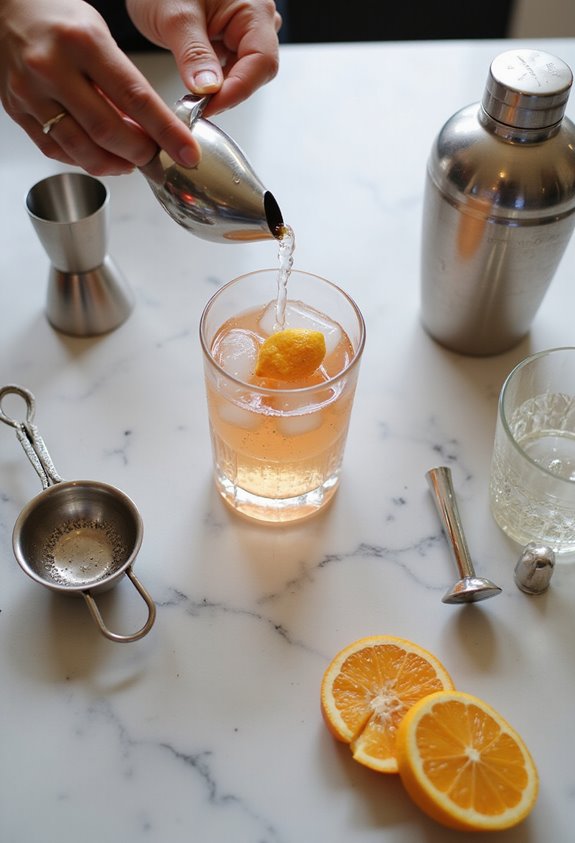
Untrained bartenders face various challenges that can hinder their effectiveness in this demanding role. A significant number, approximately 92%, report musculoskeletal strain due to improper techniques, with lower back pain affecting 87% of workers. Cognitive demands are also high, as many bartenders must adapt quickly to variable schedules, requiring rapid decision-making under pressure. Without formal training, they may struggle to meet performance standards, leading to errors that risk customer safety. Additionally, the lack of technical skills in drink preparation results in inconsistent product quality. Untrained bartenders often encounter heightened fatigue from long hours, contributing to decreased job satisfaction. These combined challenges underscore the importance of structured training in fostering a safer, more effective bartending environment. Furthermore, the ability to present drinks elegantly, similar to how charcuterie boards enhance gatherings, can significantly elevate the overall customer experience.
Recommended Products

Anti-Fatigue Mat: Supporting ergonomic posture, the anti-fatigue design of this floor mat reduces discomfort and muscle fatigue by promoting better circulation and minimizing pressure on the legs and feet during extended standing periods
Achieving Proficiency Through Commitment and Resourcefulness
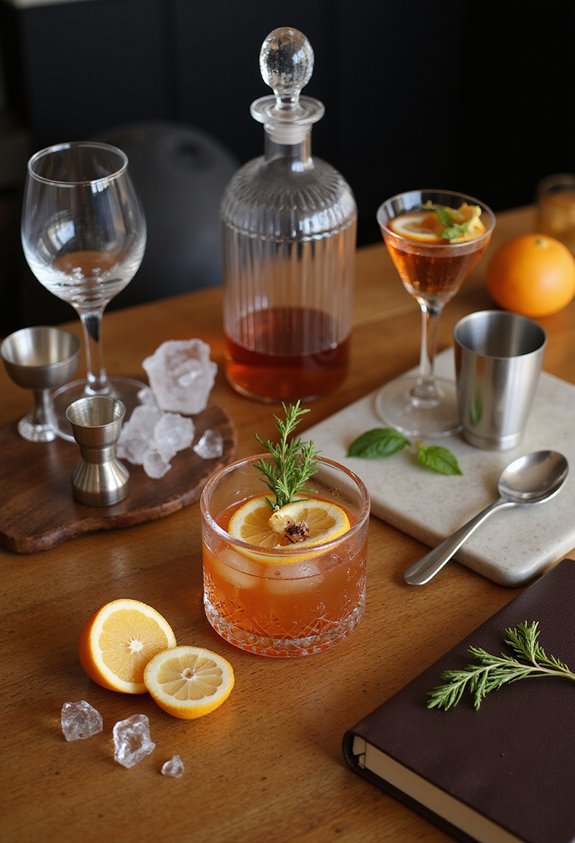
Achieving proficiency as a home bartender requires a dedication to continuous learning and a resourceful approach to skill development. Individuals must commit to self-education by reading renowned bartending books and watching tutorial videos online. Observing professional bartenders in action can provide vital insights into effective techniques. Key skills like shaking, stirring, and muddling must be practiced to build confidence and consistency. Moreover, cocktail experimentation is essential for grasping ingredient roles and enhancing creativity. Ingredient sourcing is equally important; using premium spirits and fresh components greatly elevates drink quality. Collecting essential bar tools enhances preparation efficiency. Engaging with feedback from friends or family helps refine skills, making the journey of becoming a proficient home bartender both rewarding and communal. Additionally, exploring cocktail subscription boxes can provide a curated selection of unique mixers and flavors to further enhance your home bartending experience.
Frequently Asked Questions
What Are the Basic Tools Needed for Home Bartending?
Basic tools for home bartending include cocktail shakers, preferably Boston types for ease, a jigger for precise measurements, a mixing glass, and essential garnishing tools to enhance flavor and presentation, fostering a communal bartending experience.
How Can I Create Unique Cocktail Recipes at Home?
Crafting creative cocktails requires curiosity and courage. Seeking cocktail inspiration through flavor combinations, one can explore unexpected ingredients and techniques, embracing experimentation to create delightful drinks that foster connection, camaraderie, and shared experiences among friends.
What Common Mistakes Do Beginners Make When Bartending?
Beginners often struggle with cocktail balancing and ingredient measuring, resulting in inconsistent flavors. They frequently overlook proper ice handling, utilize incorrect pouring techniques, and mismanage customer interactions, all of which can lead to disappointing drink experiences.
How Can I Source High-Quality Ingredients for Cocktails?
Sourcing superior spirits and sensational supplies from reputable retailers fosters a fulfilling flair for cocktail creation. Quality suppliers guarantee fresh produce, premium mixers, and artisanal bitters, all essential for elevating home bartending to a delightful experience.
What Are the Best Ways to Present Drinks Attractively?
Attractive drink presentation hinges on glass selection and garnish creativity. Unique glassware enhances the cocktail’s theme, while fresh, vibrant garnishes elevate visual appeal, inviting guests to experience a delightful blend of flavors and aesthetics together.