As an Amazon Associate, we earn from qualifying purchases. Some links on this site are affiliate links at no extra cost to you. Our recommendations are based on thorough research and editorial judgment.

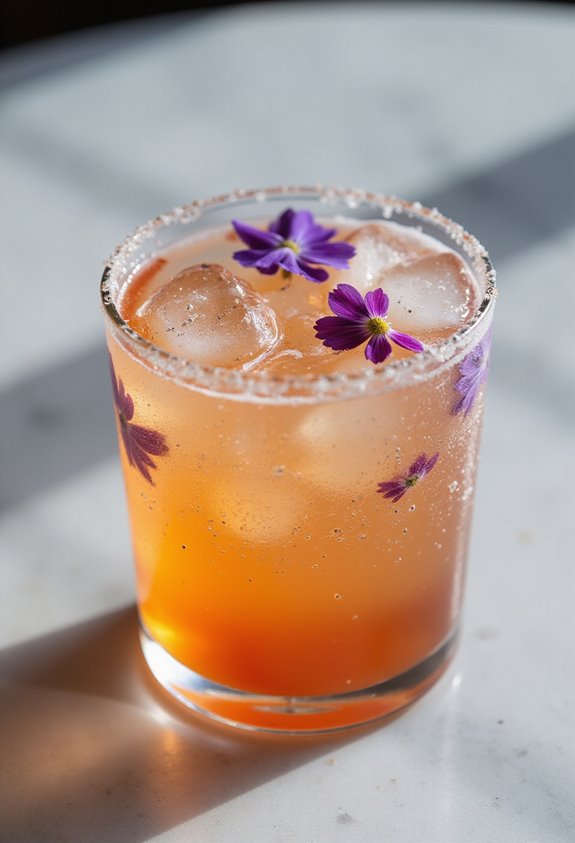
Is It Safe To Use Edible Flowers In Cocktails?

Using edible flowers in cocktails can be safe if specific precautions are followed. Experts emphasize proper identification of flowers, as some have toxic look-alikes. Flowers should be sourced from reputable, organic suppliers to avoid pesticide residue and contamination. Additionally, individuals with allergies should consult healthcare professionals before consumption. It is essential to thoroughly wash flowers and consume only the petals. Understanding these guidelines may enhance enjoyment and safety with edible flowers in cocktails, promoting informed choices.
Key Takeaways
- Properly identify edible flowers to avoid toxic varieties that may look similar, such as distinguishing edible chamomile from wild daisies.
- Source flowers from reputable organic farmers markets to minimize risks of pesticide contamination and ensure freshness.
- Consult with a healthcare professional if you have allergies, asthma, or sensitivities before consuming edible flowers.
- Thoroughly wash flowers before use and consume only the petals, discarding stamens, stems, and leaves for safety.
- Be aware of current regulations and potential public safety risks related to edible flowers, as awareness varies among consumers.
Understanding Edible Flowers and Their Potential Risks
When considering the incorporation of edible flowers into culinary creations, understanding their potential risks is crucial. A thorough toxicity assessment reveals that some edible flowers contain harmful compounds, like alkaloids and saponins, which may disrupt nutrient absorption. Identification challenges arise from the presence of toxic look-alikes; for instance, edible chamomile can be mistaken for toxic wild daisies. Many flowers also carry pathogens, posing microbiological risks. Misidentification can lead to severe poisoning or gastrointestinal distress. Additionally, the risk of chemical contamination from pesticides remains high if sourced improperly. As consumers increasingly embrace these floral ingredients, awareness of these hazards is significant to guarantee safety and foster belonging in the culinary community. Proper identification and cautious sourcing can mitigate many of these risks. Furthermore, incorporating advanced cooling technology in beverage storage can help maintain the freshness of ingredients, including edible flowers, ensuring a safer culinary experience.
Commonly Recognized Safe Edible Flowers
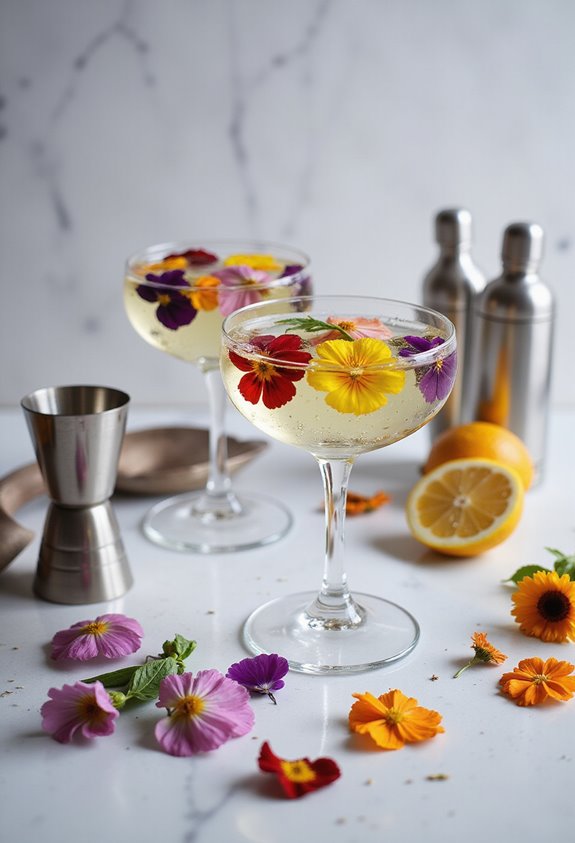
Commonly recognized safe edible flowers include rose, pansies, nasturtiums, hibiscus, lavender, and honeysuckle, each offering unique benefits as cocktail enhancements. Roses provide a gentle sweetness and fragrance, pairing well with spirits like bourbon and vodka. Pansies and violas add vibrant colors and mild flavors, elevating visual appeal without overwhelming the drink. Nasturtiums introduce a spicy, peppery zest that complements citrus notes, while hibiscus brings tartness and a striking red hue. Lavender offers herbal notes and aroma, perfect for aromatic cocktails. Honeysuckle imparts a natural sweetness, enhancing overall taste. These flower varieties enrich cocktails by adding complexity and charm, fostering a sense of belonging among those who appreciate craft mixology. Additionally, using premium shot glasses can elevate the overall drinking experience, showcasing the beauty of these floral garnishes.
Importance of Proper Identification and Sourcing
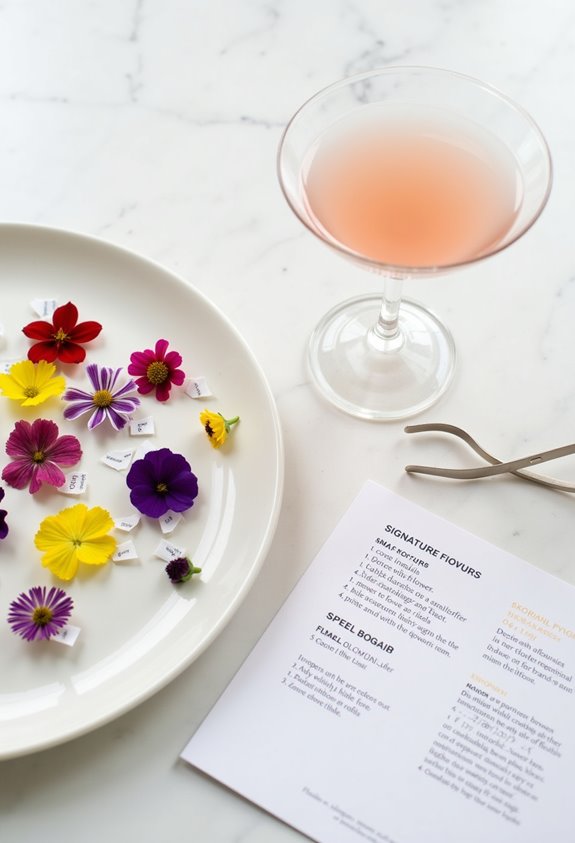
Proper identification and sourcing of edible flowers are critical for safe cocktail preparation. Incorrect identification may lead to ingesting toxic flowers, posing severe health risks. Many harmful flowers closely resemble their edible counterparts, creating confusion for untrained individuals. To guarantee safety, edible flower identification must involve consulting botanical guides or experts. Additionally, using reliable flower sourcing techniques is essential. Flowers cultivated specifically for culinary use reduce contamination risks and confirm freshness. It is advised to avoid flowers from florists or garden centers, as these may be treated with unsafe pesticides. Instead, choosing organic, regionally sourced flowers from reputable farmers markets promotes safety and encourages sustainable practices within the community. Consequently, proper identification and sourcing are paramount in cocktail preparation. Furthermore, selecting flowers from sustainable sources not only ensures safety but also supports responsible consumer habits.
Health Precautions for Allergies and Sensitivities
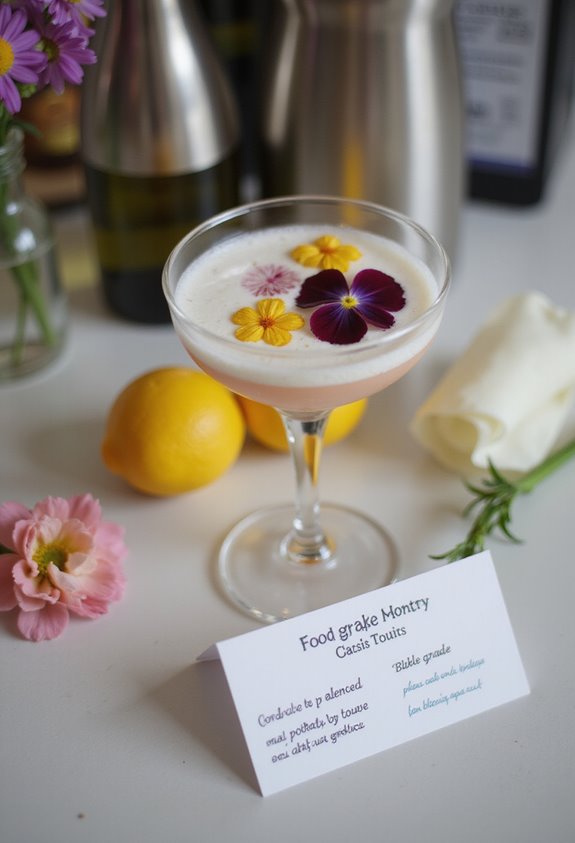
How can individuals safely enjoy cocktails featuring edible flowers while minimizing allergy risks? Those with known flower allergies or sensitivities are advised to exercise caution. Edible flowers may contain proteins that trigger allergenic reactions, particularly in people with pollen allergies. Symptoms can range from hives to digestive discomfort, influenced by cross-reactivity between flower proteins and pollen allergens. It is essential for individuals with asthma or severe allergies to consult a healthcare professional before consumption. Small initial servings or skin patch testing can help identify sensitivities. Children should partake in mild, well-known flowers under supervision. Overall, a thorough awareness of personal allergy histories can greatly enhance safety when enjoying cocktails adorned with edible flowers, promoting both enjoyment and health. Additionally, using high-quality materials in your cocktail tools can help ensure a safer mixing experience by reducing contamination risks.
Guidelines for Safe Consumption of Edible Flowers
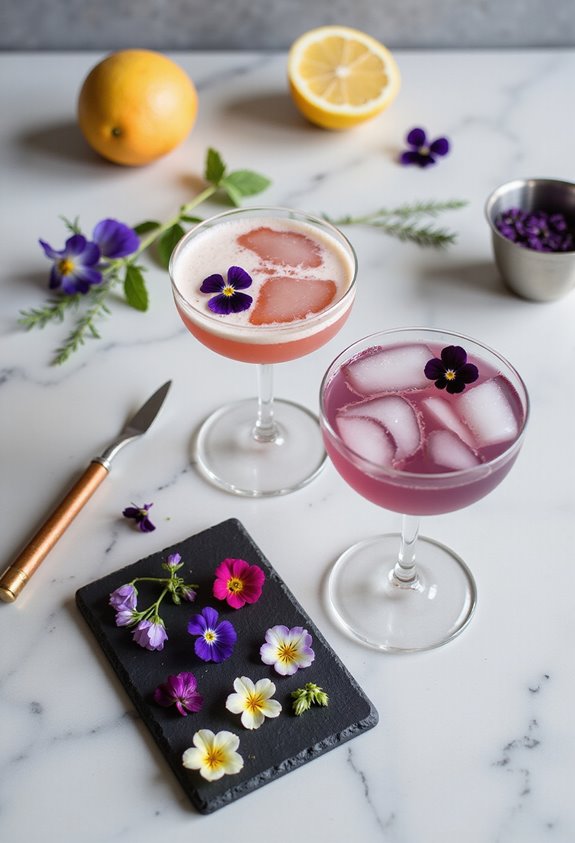
Ensuring the safe consumption of edible flowers requires diligent adherence to several guidelines, particularly for users unfamiliar with them. Select only flowers labeled as culinary or edible, avoiding those from florists or unknown sources. Trusted organic growers or specialty food stores are ideal for obtaining safe flowers. It is essential to accurately identify edible varieties and thoroughly wash them to remove contaminants before use in cocktail recipes. Only consume the petals, discarding stamens, stems, and leaves, and introduce new flowers gradually to monitor for possible allergic reactions. Store flowers in a refrigerator and use them promptly to maintain freshness. By following these cooking techniques, individuals can enjoy the aesthetic and flavorful benefits of edible flowers in their cocktails safely. Additionally, using high-quality materials in bar tools, such as 18/8 stainless steel, can enhance the overall cocktail-making experience.
Flavor Profiles of Popular Edible Flowers in Cocktails
When exploring the flavor profiles of popular edible flowers in cocktails, one might wonder how these botanical ingredients enhance drink creativity and appeal. Hibiscus offers a tangy, tart flavor akin to cranberries, perfect for summer cocktails. Roses provide a delicate sweetness and elegant aroma, elevating celebratory drinks and softening their sweetness. Violets present a fragrant sweetness, enhancing light cocktails with their visually striking purple hue. Chamomile adds a soothing, herbal flavor with mild apple-like notes, complementing lighter spirits. Borage offers a crisp, cucumber-like essence, while nasturtium contributes a peppery, sweet taste, suitable for savory drinks. These unique floral flavorings not only improve cocktail aesthetics but also add complex layers, enriching the overall drinking experience. Additionally, utilizing specialty cocktail mixers can further enhance the flavor profiles in your creations.
Microbial Contamination and Chemical Safety Considerations
The use of edible flowers in cocktails introduces significant microbial contamination and chemical safety considerations that demand attention from both consumers and industry professionals. Edible flowers, often consumed fresh, present microbial risks from bacteria such as *Salmonella* and *E. coli*. These pathogens can transfer from soil or water to flower petals, particularly when post-harvest handling is inadequate. Additionally, certain flower species may contain toxic compounds, raising concerns about chemical contaminants. Alkaloids and saponins are particularly alarming, as they can cause adverse health effects. To mitigate these risks, it’s recommended to source flowers from trusted organic growers and guarantee proper washing and handling methods. Clear labeling and consumer education are essential to promote safe practices in cocktail preparation.
The Role of Organic Cultivation in Edible Flower Safety
Organic cultivation plays a pivotal role in enhancing the safety of edible flowers, offering significant advantages over conventional farming methods. By utilizing organic practices, farmers avoid synthetic pesticides and fertilizers that can leave harmful residues on plants. This minimizes chemical safety risks for consumers who enjoy edible flowers in cocktails. Additionally, organic flowers tend to have improved nutrient profiles, exhibiting higher antioxidant levels and beneficial compounds. Healthier soil management in organic systems also reduces the likelihood of absorbing toxins, ensuring that flowers are both safe and nutritious. The observance of stringent organic standards further protects consumers by monitoring flower species and preventing toxic contamination. As a result, organic cultivation supports a sustainable approach to edible flower production for enhanced food safety.
Regulatory Gaps and Public Awareness on Edible Flowers
Despite the growing popularity of edible flowers in culinary applications, significant gaps exist in the regulatory framework governing their safety. Current regulations, such as those in Belgium, focus primarily on flowers deemed safe for restaurant consumption, leaving room for regulatory confusion. In the U.S., varying state laws, like Hawaii’s “one-cut rule,” additionally complicate oversight. Moreover, there is insufficient consumer awareness regarding potential risks, including pesticide residues and toxic compounds. Surveys show that less than half of consumers understand these dangers. Many mistakenly view ornamental flowers as safe for consumption, risking accidental ingestion. Generally, the absence of consistent labeling and education on safe practices hinders informed decisions and heightens public health concerns about edible flowers.
Best Practices for Using Edible Flowers in Cocktails
Regulatory gaps have raised concerns about the use of edible flowers, underscoring the significance of best practices when incorporating them into cocktails. To guarantee safety, only flowers known as culinary must be used, such as lavender and nasturtiums, and they should be grown organically to avoid pesticides. Innovative garnishing techniques can enhance cocktails, using flowers as floating embellishments or in elegant ice cubes. Preparation involves thorough washing, removing inedible parts, and proper storage in a refrigerator. Moreover, floral infusion methods like creating syrups can add complexity to drinks. It’s essential to educate consumers about potential allergens and to test new flowers gradually. Following these guidelines can help guarantee safe and enjoyable cocktail experiences with edible flowers.
Frequently Asked Questions
Can I Use Flowers From My Garden in Cocktails?
Using flowers from one’s garden in cocktails symbolizes nature’s bounty. However, garden safety demands caution; only select known edible flower varieties, ensuring they are free from pesticides and safe for consumption, enhancing both flavor and community enjoyment.
How Do I Know if a Flower Is Edible?
To determine if a flower is edible, one should employ flower identification tips, verify edible flower types through trusted guides, and guarantee they are organically grown, avoiding toxic lookalikes for safe culinary enjoyment and community sharing.
Are Dried Edible Flowers Safe to Use?
In the age of culinary exploration, dried flowers can be safe for cocktail garnishes if sourced from certified suppliers. Ensuring they are free from contaminants and used in moderation fosters confident enjoyment amongst those seeking flavor and aesthetic appeal.
Can Pets Safely Consume Cocktails With Edible Flowers?
Pets cannot safely consume cocktails with edible flowers due to potential toxicity and allergic reactions. Pet safety is compromised by various cocktail ingredients, emphasizing the need for caution and guidance when incorporating floral elements in pet-friendly environments.
What Are the Best Methods for Storing Edible Flowers?
Ironically, many might think freezing techniques enhance flavor preservation, yet delicate storage requires cool environments and ventilation. Storing wrapped flowers in humid conditions guarantees they remain fresh longer—ultimately inviting everyone to enjoy vibrant, flavorful delights together.