As an Amazon Associate, we earn from qualifying purchases. Some links on this site are affiliate links at no extra cost to you. Our recommendations are based on thorough research and editorial judgment.

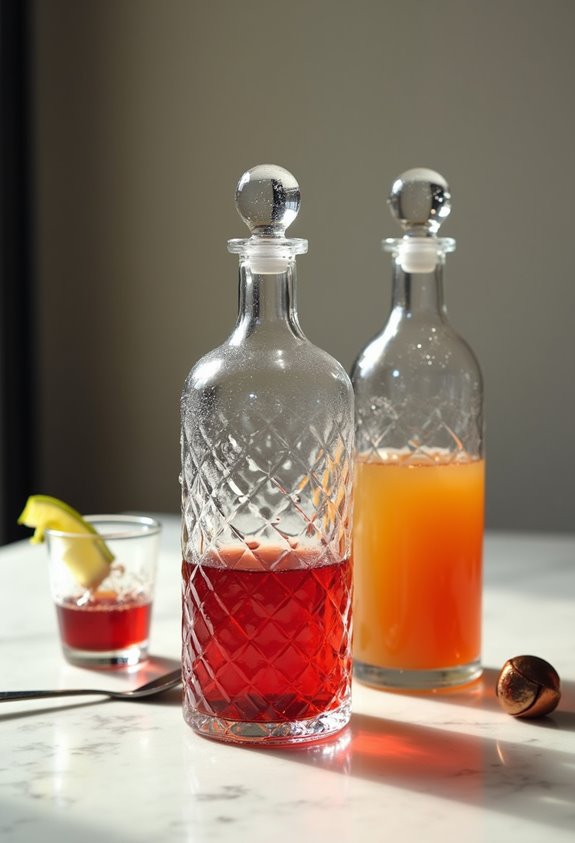
When Should I Use Flavored Syrups Versus Simple Syrup?

Flavored syrups are ideal for adding unique tastes and enhancing flavor profiles in beverages, especially cocktails and coffee. They utilize natural extracts or artificial flavorings, making them popular for seasonal innovation. In contrast, simple syrup offers straightforward sweetness, dissolving instantly in various temperatures without altering drink integrity. It is commonly used for precise sweetness control in multiple applications. Understanding the differences between these syrups helps in selecting the right option for specific drinks and occasions. Further insights await on this topic.
Key Takeaways
- Use simple syrup for neutral sweetness when you want to maintain the original flavors of your drink.
- Opt for flavored syrups to add distinctive tastes and enhance the complexity of cocktails or coffee beverages.
- Choose simple syrup for precise sweetness control in recipes where consistency is crucial.
- Flavored syrups are ideal for seasonal drinks, preserving unique flavors year-round.
- Use simple syrup in baking or desserts for enhanced texture without altering the flavor profile significantly.
Understanding the Basics of Simple Syrup
Simple syrup is a fundamental ingredient in the world of beverages, recognized for its clarity and versatility. Typically made from equal parts granulated white sugar and water, simple syrup guarantees a smooth addition of sweetness to drinks. Known also as “sugar syrup,” this clear liquid avoids the graininess of undissolved sugar. Variations exist, particularly the rich syrup, which features a 2:1 sugar-to-water ratio. This thicker syrup offers enhanced sweetness and a longer shelf life, inhibiting bacterial growth. Widely used in cocktails, flavored coffee, and iced beverages, it enhances flavor balance and improves texture. As a cost-effective solution, homemade simple syrup allows individuals to tailor sweetness levels, making it a cherished staple in both professional and home kitchens. Additionally, the choice between simple syrup and flavored syrups often depends on the desired flavor profile of the beverage.
Recommended Products

ALL NATURAL: Say goodbye to sweetener tablets that are full of unnecessary additives like sodium bicarbonate, magnesium stearate, and xylitol; This premium stevia powder from Natural Mate contains only stevia sugar extract and erythritol; For people who care about their health, our natural sweetener is the smarter choice

DELICIOUSLY SWEET INGREDIENTS: Wholeome Organic Turbinado Sugar contains one pure and simple ingredient. Raw cane turbinado sugar is golden-colored with large sparkling crystals, making it a sweet delight.

DELICIOUSLY SWEET INGREDIENTS: Wholesome Sucanat is made from one simple, pure ingredient - organic whole cane sugar.
Overview of Flavored Syrups
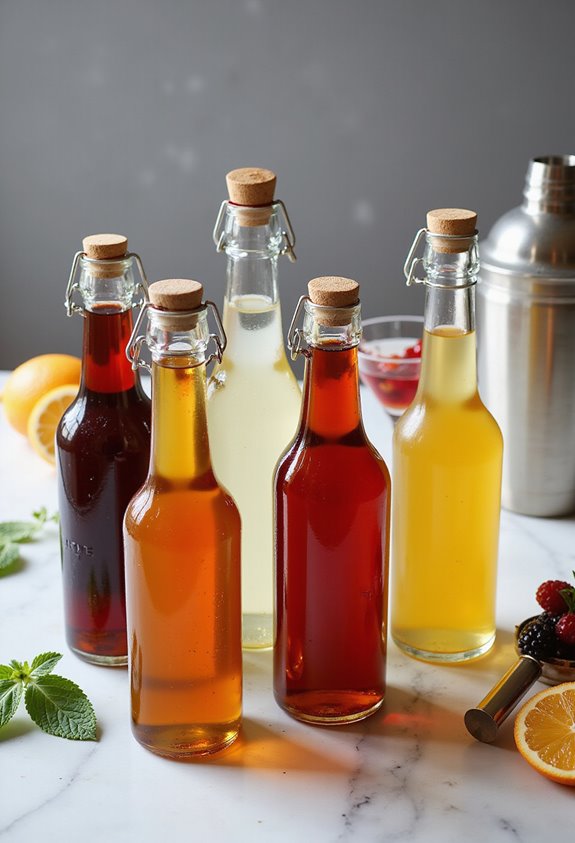
Flavored syrups serve as versatile enhancements in the culinary world, offering a wide array of taste options beyond the foundational sweetness of simple syrup. These syrups typically consist of water and various sweeteners, including cane sugar and high fructose corn syrup. Flavored syrup brands often include natural extracts or artificial flavorings, resulting in strong syrup taste profiles with distinct flavors such as fruit, nut, or spice. They are commonly used in coffee beverages, cocktails, and desserts, providing an easy way to customize flavors. With variations in thickness and sweetness, some syrups cater to health-conscious consumers with sugar-free options. This diversity makes flavored syrups a popular choice in both professional and home kitchens, streamlining the process of flavor enhancement. Additionally, many flavored syrups emphasize authentic flavors using high-quality ingredients, ensuring a superior taste experience.
Recommended Products
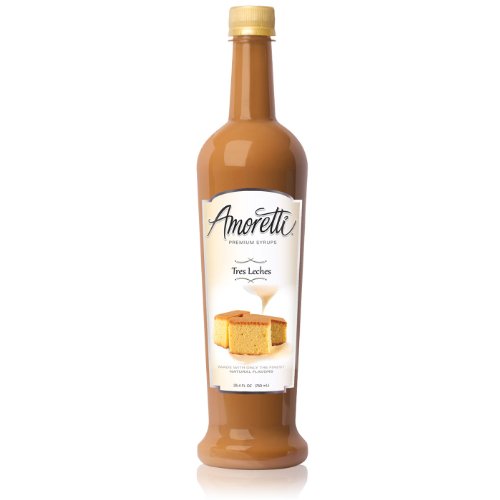
Made with natural flavor

Make it snow right in your own kitchen with the S777 Electric Shaved Ice Machine. Make a margarita, slushie, granita, iced coffee, or any other frozen snowball treat you can think of. Your own icy treat station at home. The Hawaiian Shaved Ice countertop snocone maker is simple to use and clean. Portable, easy to store when not in use.

【Fresh Made Syrup】Great for snow cones, shaved ice at home or for business. Also superb for coffee, slushie, soda , flavored drinks
When to Choose Simple Syrup
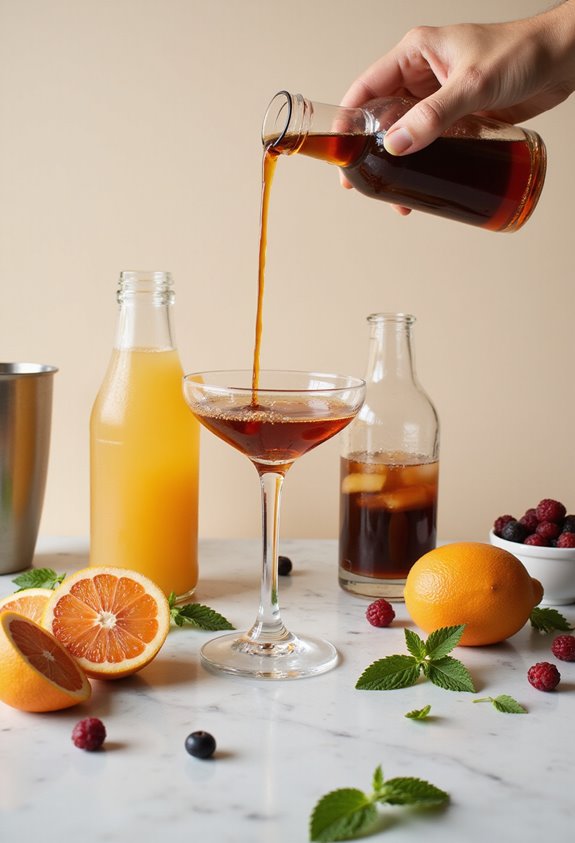
When determining the appropriate sweetening agent for various culinary applications, choosing simple syrup can be particularly advantageous due to its versatility and ease of use. Simple syrup benefits include its ability to dissolve instantly in both cold and hot liquids, therefore eliminating grainy textures caused by granulated sugar. Additionally, it allows for precise control over sweetness with customizable ratios, enabling repeatability in cocktails, which is essential in commercial environments. Simple syrup’s neutrality guarantees it will not overshadow other flavors, maintaining the integrity of complex beverages. Moreover, its application extends beyond cocktails, serving as a sweetener in baking and desserts. Effective mixing techniques with simple syrup enhance texture, assuring a smooth sensory experience in various food and drink settings. Furthermore, simple syrup can be easily complemented by specialty cocktail mixers, offering a broader range of flavor profiles in cocktails.
Recommended Products

Made with natural flavor

𝐄𝐧𝐡𝐚𝐧𝐜𝐞𝐝 𝐁𝐞𝐯𝐞𝐫𝐚𝐠𝐞 𝐄𝐱𝐩𝐞𝐫𝐢𝐞𝐧𝐜𝐞: Elevate your drinks with rich taste, the perfect addition to every drink. Indulge in a delightful drinking experience by adding Concentrated Syrup to your coffee & cocktails. Enhance the depth and complexity of your favorite beverages with our fruit syrup for drinks with enticing flavors.

Make 160 or more snowcones with this huge variety of the 20 most popular flavors of Hawaiian Shaved Ice Syrup: Cherry, Grape, Blue Raspberry, Strawberry, Lemon-Lime, Banana, Tiger's Blood, Root Beer, Watermelon, and Piña Colada. Bahama Mama, Blue Cotton Candy, Coconut, Dreamsycle, Green Apple, Mango, Peach, Pineapple, Pink Bubble Gum, and Wedding Cake. Twenty 16-ounce plastic bottles are the size for owners of shave ice stands, coffee shops, and even bars!
Advantages of Using Flavored Syrups
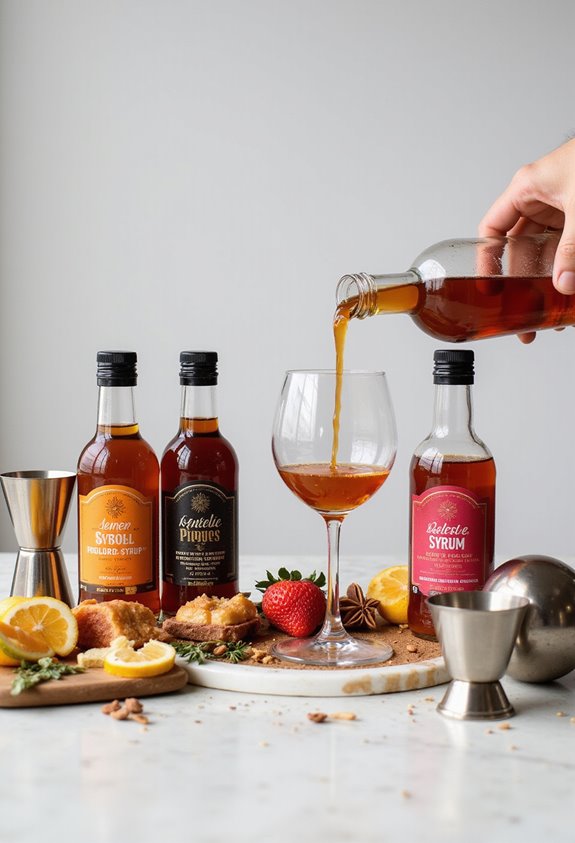
The use of flavored syrups in the culinary industry presents numerous advantages that extend beyond mere sweetness. These syrups enrich the flavor profile of cocktails by introducing signature flavors derived from fruits, spices, and herbs. They facilitate cocktail innovation, allowing mixologists to craft unique combinations that appeal to the growing consumer desire for diverse tastes. Additionally, flavored syrups preserve seasonal ingredients, ensuring availability year-round while enhancing both aroma and taste. This versatility enables bars to quickly adapt to trends, such as citrus or berry flavors, engaging customers through experimental offerings. Ultimately, flavored syrups not only enhance drink complexity but also promote a dynamic and interactive drinking culture, making them a valuable tool in any bar’s repertoire. Furthermore, premium mixers use all-natural ingredients to enhance overall flavor quality.
Recommended Products

Pure Pumpkin Spice Extract for Baking Bliss: Elevate your cookies, cakes, and pumpkin bread with our pumpkin spice flavoring. A key ingredient for autumn treats, it adds a warm, spiced twist to your recipes, perfect for pumpkin pie and more.

PREMIUM 100% PURE VANILLA BEAN PASTE - For Chefs and Homemade Baking and Cooking

Pure Almond Extract for Culinary Excellence: Enhance your culinary creations with our almond flavoring. Ideal for delivering a rich, nutty almond flavor, this essential ingredient brings a sophisticated sweet almond essence to a myriad of dishes, from delicate pastries to nuanced salads. It's especially perfect for baking iconic almond desserts like frangipane tarts, marzipan delights, and almond biscotti.
Consistency and Texture Differences
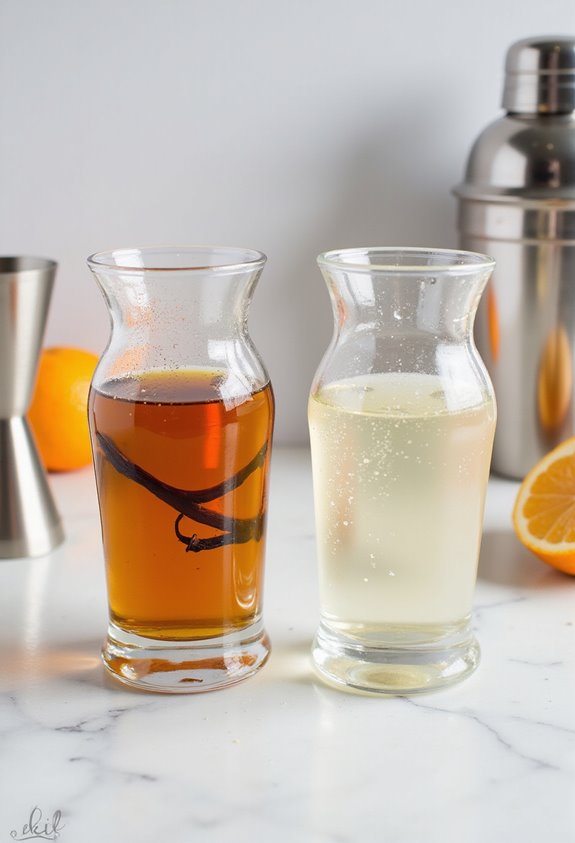
Consistency and texture play essential roles in determining the overall quality and experience of beverages that incorporate syrups. Thicker syrups, such as flavored variants, create a distinct mouthfeel enhancement, coating the palate and intensifying sweetness. In contrast, simple syrup typically has a lighter texture, allowing for smoother integration into drinks. The use of a 2:1 rich simple syrup introduces greater syrup thickness and a denser body compared to the standard 1:1 ratio. Essential for achieving the desired drink profile, adjusting syrup thickness influences the final beverage’s texture. While thicker syrups may require additional mixing for even distribution, simple syrups blend effortlessly, maintaining drink clarity and consistency, essential in both home and commercial settings. Additionally, choosing syrups made with real fruit juice can further enhance the overall flavor experience.
Shelf Life and Storage Considerations
Shelf life and storage considerations are key factors affecting the usability and quality of flavored and simple syrups. Flavored syrups spoil faster than plain simple syrups due to additional ingredients. Homemade simple syrups can last from one month to six months when refrigerated, whereas cold-processed syrups only remain viable for about a week at room temperature. For ideal preservation, syrup should be stored in sterilized, air-tight glass containers in cool, dark places. Refrigeration is critical, extending shelf life considerably. Those looking to freeze homemade syrups should be cautious, as texture issues may arise. Regular inspections for spoilage signs such as mold or discoloration are essential, ensuring only the best syrups are used in culinary creations. Additionally, using premium ingredients can enhance the flavor profile and longevity of your syrups.
Creative Uses for Both Types of Syrups
Creative applications of flavored and simple syrups greatly enhance culinary and beverage experiences. Flavored syrups introduce unique flavor pairings, transforming standard cocktails into signature drinks with vibrant tastes. Homemade syrup varieties, such as mint or hibiscus, serve as key components in mocktails, allowing for innovative non-alcoholic beverages. Meanwhile, simple syrup offers a neutral sweetness that perfectly balances flavors in both cocktails and desserts. It can improve the texture of cakes and whipped creams, ensuring moisture without granularity. Culinary enthusiasts can experiment with infused simple syrups, blending notes of ginger or rosemary into their recipes. Together, these syrups invite endless possibilities for creativity in both drinks and dishes, enriching the overall culinary landscape for home cooks and professional chefs alike.
Recommended Products

7-Inch Touchscreen with One-Touch Presets – The large HD touchscreen puts 6 preset modes at your fingertips—Slushie, Milkshake, Frappé, Margarita, Smoothie, and Chilled Juice. No pre-freezing or ice needed; just select your mode and the machine handles the rest, delivering perfectly textured frozen drinks in 15–60 minutes.

Make fresh sparkling water in seconds with the touch of a button.

Pure Apple Extract for Baking Marvels: Elevate your baking projects with our apple flavoring. This key ingredient is perfect for crafting irresistible apple pies, tarts, and pastries, delivering a, crisp apple flavor to your recipes. Ideal for infusing a delightful apple twist into all your baking favorites.
Frequently Asked Questions
Can I Make Simple Syrup With Alternative Sweeteners?
Yes, simple syrup can be made using alternative sweetener options. To achieve ideal syrup consistency, carefully measure sweeteners and consider heating techniques. Always store in airtight containers for prolonged freshness and enjoy customized flavor profiles.
How Can I Incorporate Flavored Syrups Into Desserts?
In delightful flavored syrup desserts, one can enhance flavor by drizzling over cakes, incorporating into creams, or crafting glazes. Thoughtful syrup flavor pairing can elevate treats, inviting everyone to savor each exquisite bite together.
What Are Common Mistakes When Making Simple Syrup?
Common mistakes when making simple syrup include incorrect ratios affecting syrup consistency, improper storage that leads to spoilage, and overheating during preparation. These errors diminish flavor and result in an unbalanced, unsatisfactory outcome for drinks.
How Do I Know if My Syrup Has Spoiled?
Syrup spoilage is indicated by mold identification, cloudiness, off smells, or fermentation signs. Observing these factors alongside syrup shelf life helps guarantee enjoyment, fostering a sense of belonging in culinary experiences with reliable ingredients.
Are Flavored Syrups Suitable for Non-Beverage Recipes?
Flavored syrups inherently possess versatility, elevating desserts through nuanced flavor enhancement. As culinary enthusiasts explore various recipes, these syrups marry sweetness and complexity, inviting creativity while ensuring a delightful sense of belonging among those who share culinary passions.