As an Amazon Associate, we earn from qualifying purchases. Some links on this site are affiliate links at no extra cost to you. Our recommendations are based on thorough research and editorial judgment.

Are Craft Bitters Worth The Extra Cost?

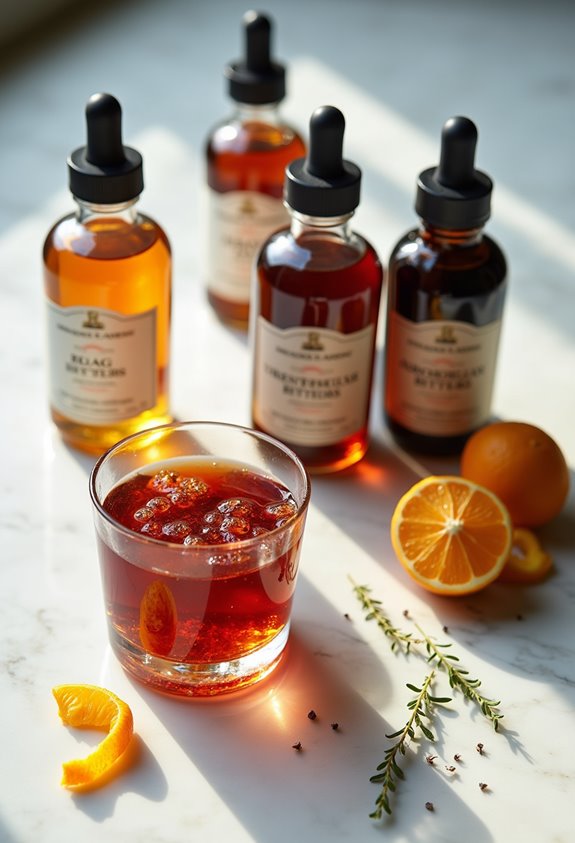
Craft bitters can justify their higher cost due to premium ingredients and artisanal production methods. Small-batch producers prioritize natural herbs and traditional steeping techniques, which contribute to unique flavor profiles. These complex flavors enhance cocktails, offering experiences not found in mass-produced options. The craft bitters market attracts a diverse demographic, particularly urban individuals aged 25-40, who appreciate quality over price. Understanding the nuances of craft bitters reveals insights into their value and your cocktail choices.
Key Takeaways
- Craft bitters offer unique flavor profiles, enhancing cocktail complexity that mass-produced bitters cannot replicate.
- High-quality, ethically sourced ingredients ensure superior taste and authenticity.
- Production methods prioritize traditional techniques, resulting in deeper flavor extraction without artificial additives.
- The artisanal nature fosters a strong connection among cocktail enthusiasts, adding cultural and community value.
- Despite higher costs, craft bitters can elevate the overall drinking experience, justifying the price to many consumers.
Understanding Craft Bitters and Their Appeal
Craft bitters, defined as alcoholic preparations infused with botanical ingredients, have gained significant popularity in the cocktail scene due to their unique flavor profiles. These artisanal mixtures use aromatic herbs, roots, and fruits to craft complex flavors, making them central to modern mixology. Bartenders appreciate craft bitters for their ability to enhance taste experiences, balancing sweet and sour notes in classic and inventive cocktails. Varieties range from traditional aromatic blends to exotic concoctions, like tamarind and chili, inviting a world of flavor experimentation. The historical roots of bitters, once medicinal tonics, add depth to their appeal. This blend of tradition and innovation continues to draw enthusiasts, ensuring craft bitters remain essential for a connected community of cocktail aficionados. Additionally, many craft bitters offer unique flavor profiles that can elevate both classic and modern cocktails, making them a worthwhile investment for any home bar.
The Price Difference: Craft Versus Mass-Produced Bitters
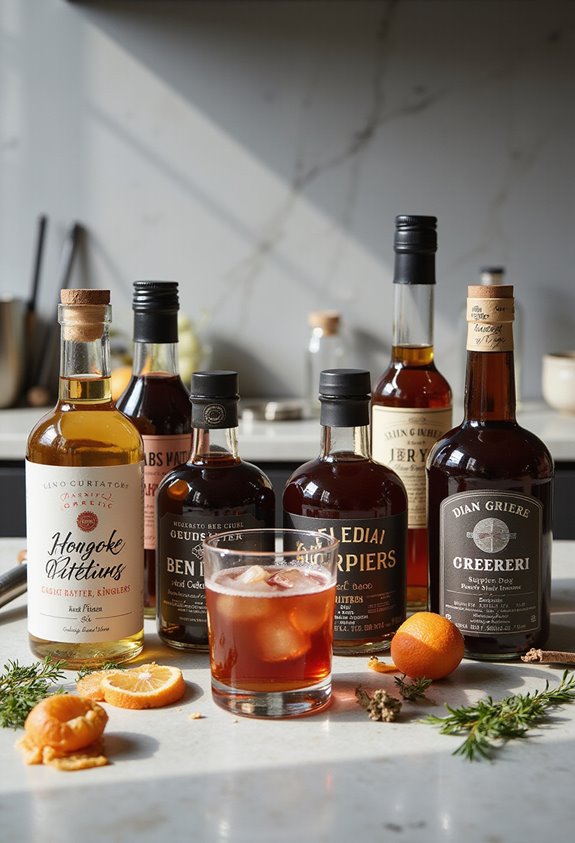
How do the prices of craft bitters compare to their mass-produced counterparts? Craft bitters generally command a higher price due to several factors. Small batch production limits economies of scale, resulting in increased costs per unit for craft brands. Additionally, the use of premium ingredients and ethical sourcing practices elevates raw material expenses. Labor-intensive processes, unique packaging, and limited distribution further contribute to the price difference. Consumer demographics indicate a willingness to pay a premium for these qualities, aligning with evolving price expectations. In contrast, mass-produced bitters benefit from extensive corporate networks, lowering their retail prices and ensuring broad accessibility. Ultimately, craft bitters occupy a niche market, reinforcing their positioning as luxury items among discerning consumers. The appeal of unique flavors in craft bitters also adds to their desirability and perceived value.
Recommended Products
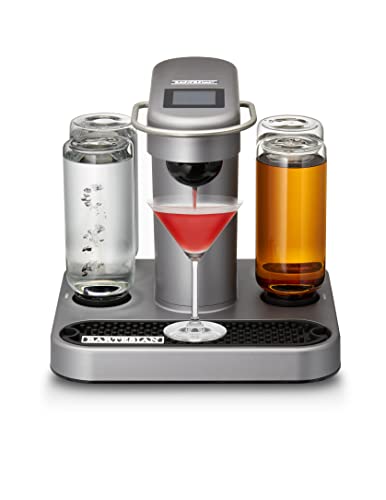
INTELLIGENT COCKTAIL CREATION: Create endless craft cocktails in the comfort of home — no need to measure or pour. Just insert a cocktail capsule into your Bartesian drink mixer machine, select your preferred strength and press mix. The system draws the spirit from the appropriate reservoir and mixes your cocktail in seconds.

Decadent Italian Flavor: Premium balsamic vinegar of Modena with notes of plum jam, red fruit, honey, and vanilla; thick texture; gourmet food; mature balance and depth

Root Beer Extract for Culinary Innovation: Elevate your culinary creations with our root beer extract. An essential ingredient for crafting classic root beer floats, delectable root beer cakes, and aromatic pastries, it infuses a genuine, nostalgic root beer flavor into your dishes. Perfect for adding a distinctive root beer twist to both sweet and savory recipes.
Quality of Ingredients: What Sets Craft Bitters Apart
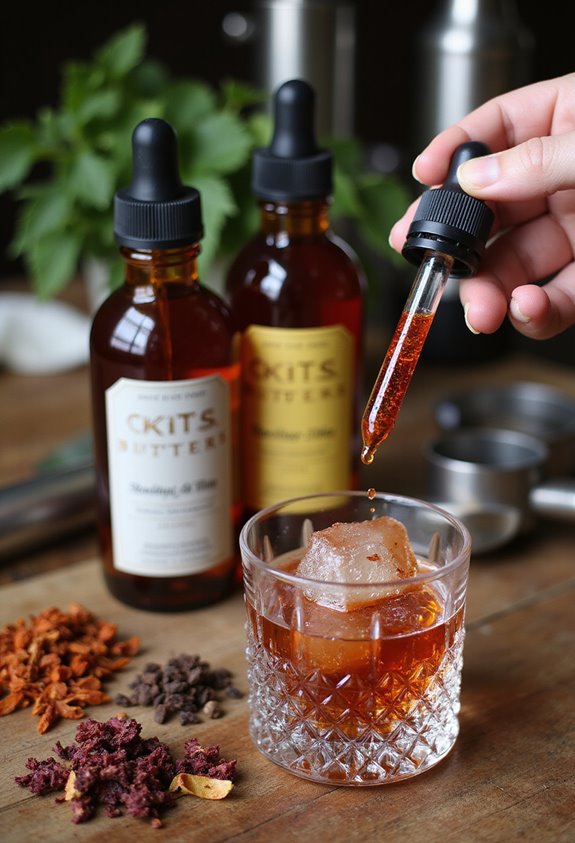
The quality of ingredients in craft bitters greatly differentiates them from mass-produced alternatives, shaping their unique profiles and market appeal. Craft producers prioritize natural herbs, spices, and botanicals, ensuring a depth of flavor absent in commercial products. Notable botanicals like gentian root and wormwood often accompany familiar spices, enhancing complexity. Producers employ meticulous botanical sourcing, often utilizing small batches and traditional steeping methods for peak flavor extraction. This attention to detail results in bitters that are layered and aromatic, appealing to discerning palates. Additionally, many craft brands avoid artificial additives, focusing solely on authentically extracted tastes. This commitment to quality and transparency in sourcing empowers bartenders to enhance cocktails and creates a sense of community among craft bitters enthusiasts. Furthermore, the unique complex flavor profile of products like Angostura enhances the overall cocktail experience.
Recommended Products


FRESH, AROMATIC & VERSATILE: A concentrated Culinary Aromatics extract that delivers true-to-nature flavor for consistent aromatic artistry. Fresh and bright across the widest range of uses, from baking and beverages to cakes, fillings, syrups, and finishing.
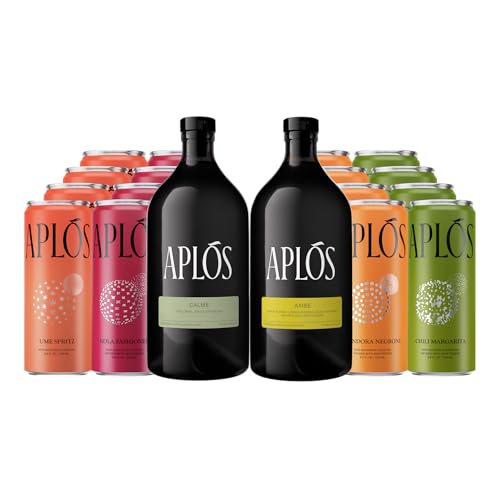
Our collection of sparkling, non-alcoholic cocktails and spirits infused with botanical ingredients for a calming and uplifting effect.
Unique Flavor Profiles and Their Impact on Cocktails
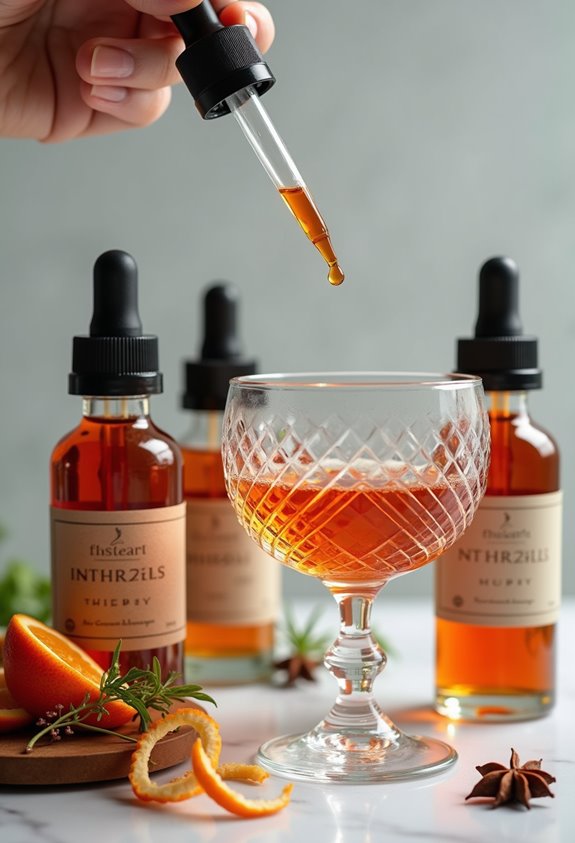
Unique flavor profiles in craft bitters greatly augment the complexity and appeal of cocktails. These bitters, often crafted with a unique blend of herbs, spices, and fruits, introduce distinctive flavors that mass-produced options lack. For instance, aromatic bitters featuring warm spices like cinnamon and clove complement whiskey, while citrus bitters brighten gin drinks. The use of small-batch, locally sourced ingredients guarantees that flavors remain fresh and refined. This meticulous approach results in cocktails with layered tastes that modulate sweetness and enhance spirit-forward notes, creating memorable experiences for consumers. Each specific bitters selection not only elevates the drink but reinforces a sense of community among cocktail enthusiasts, as they explore the vast possibilities within this dynamic craft. Additionally, the quality of ingredients in craft bitters ensures a superior flavor experience that mass-produced alternatives often fail to provide.
Recommended Products
![DIY Cocktails: A Simple Guide to Creating Your Own Signature Drinks by Marcia Simmons, Jonas Halpren [Adams Media, 2011] (Paperback) [Paperback]](https://m.media-amazon.com/images/I/51zFU3j0XrL._SL500_.jpg)

The Aer disc container acts like both a muddler and a Cocktail Shaker, extracting essential oils and juice, while at the same time chilling drinks without crushing the ice.(Vitamix Aer Disc Container)
ALL-NATURAL INGREDIENTS: Pork ham, Mediterranean Sea salt. Minimally processed and no artificial ingredients. Contains no nitrates or nitrites except for the naturally occurring in sea salt. HOOF REMOVED ACCORDING TO US LAW. USDA approved.
Consumer Trends: Who’s Buying Craft Bitters?
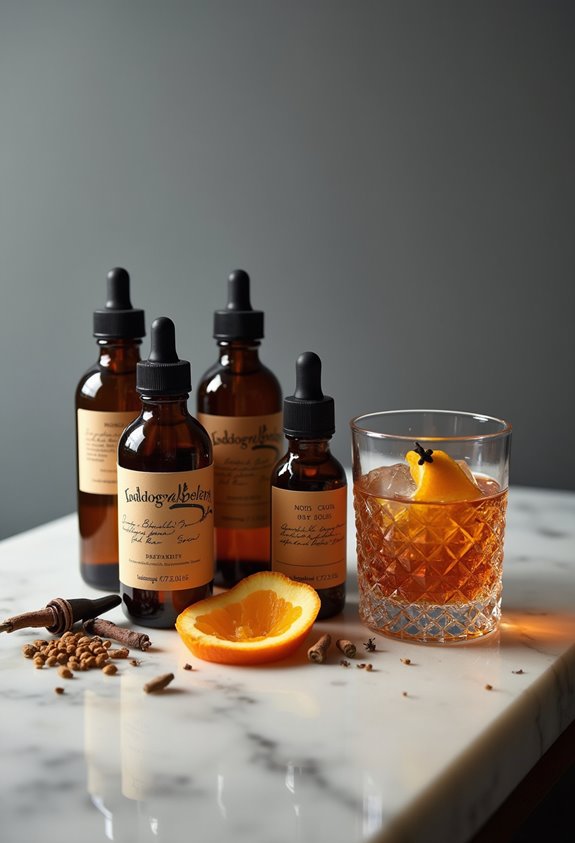
As the craft cocktail movement continues to gain momentum, a diverse demographic is emerging among craft bitters consumers. Primarily, individuals aged 25–40 are driving this trend, particularly in urban areas where vibrant cocktail cultures thrive. North America remains the largest market, benefiting from established bartending traditions and numerous bars. In Europe, consumers in the UK, Germany, and France embrace premium artisanal products. Meanwhile, the Asia-Pacific region is witnessing rapid growth due to urbanization and rising disposable incomes. Craft bitters buyers prioritize unique, sophisticated flavors over price, reflecting their desires for quality ingredients in home bartending. Specialty stores and online retailers are key purchasing channels, showcasing evolving consumer habits within this niche market. Additionally, ergonomic designs in bar tools like muddlers enhance the cocktail-making experience, appealing to home bartenders seeking quality in their craft.
Distribution and Accessibility of Craft Bitters
Distribution channels for craft bitters are expanding rapidly, reflecting the growing demand in the market. Online sales are becoming a major driver of this growth, allowing for global distribution and direct-to-consumer access. Partnerships with craft cocktail bars enhance visibility in premium venues. Offline retail remains crucial for consumer trial and brand trust, especially through specialty liquor stores. Regions like Asia-Pacific and Latin America are gradually improving accessibility due to a rising cocktail culture and increasing disposable incomes. However, regional regulations can complicate international distribution. The craft bitters market is particularly thriving in North America and Europe, where established cocktail traditions drive demand, making it necessary for producers to navigate varying laws to guarantee successful product penetration. Additionally, the emphasis on high-quality ingredients has made craft bitters a sought-after component for mixologists and home bartenders alike.
Recommended Products

FRESH, AROMATIC & VERSATILE: A concentrated Culinary Aromatics extract that delivers true-to-nature flavor for consistent aromatic artistry. Fresh and bright across the widest range of uses, from baking and beverages to cakes, fillings, syrups, and finishing.

Wake Up Ready: Jumpstart your mornings with a smooth energy lift; formulated with natural caffeine from green coffee beans plus Infinergy for long-lasting focus; feel alert and motivated without jitters or afternoon crash

Includes: 12 Pack – Perfect for larger gatherings, frequent enjoyment, or long-term stocking.
Challenges Facing the Craft Bitters Market
What obstacles hinder the growth of the craft bitters market? The industry faces numerous regulatory hurdles, varying by country, which complicate product distribution and innovation. Small producers often incur high compliance costs that limit their access to markets. Supply chain challenges exacerbate these issues, as the reliance on globally sourced botanicals exposes producers to price volatility and seasonal fluctuations. Consumer education remains another significant barrier, particularly in emerging markets where knowledge about bitters is limited. Moreover, sustainability challenges are paramount, as increasing demand for ethically sourced ingredients requires investment and transparency. Balancing the ideal of sustainable production with operational costs presents a persistent challenge for many craft bitters makers as they endeavor to capture a broader audience.
Making Your Choice: Are Craft Bitters Worth It?
The growing popularity of craft bitters raises an important question about their value amidst the challenges facing the industry. Proponents argue that craft bitters enhance cocktails by offering complex flavor profiles unavailable in mass-market brands. With their focus on high-quality botanicals and traditional production methods, these bitters align with current craft cocktail trends and offer unique taste experiences. Many enthusiasts appreciate the versatility and customization opportunities provided by craft bitters, supporting their price point. Meanwhile, flavor experimentation has led to innovative varieties that can elevate both cocktails and culinary dishes. As the market evolves, bartenders and consumers must assess whether these artisanal products justify their cost compared to more accessible alternatives in their pursuit of distinct, delightful beverages.
Recommended Products
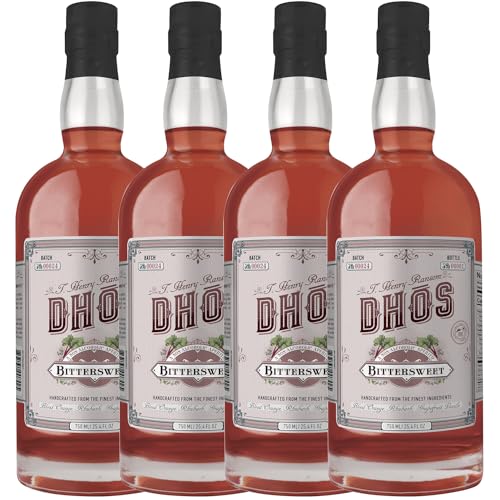
Bittersweet: Exotic and floral with layers of spice and fruits of baked oranges, watermelon, dried strawberries, kumquat, and ripe yellow cherries that all fill the glass with wild complexity. The spice notes are a combination of fresh vanilla bean, bitter roots, dried and fresh green herbs, and crushed field flowers. The texture is smooth and silky with a balanced richness that leads to the spiced finish featuring flavors of rhubarb, cinchona, vanilla, herb, and burnt citrus oil.

IDEAL TEQUILA ALTERNATIVE: Enjoy a delightfully dry and tasty take on a Blanco-style tequila, minus the alcohol

Angostura Aromatic Bitters 16.0 OZ(Pack of 3)
Frequently Asked Questions
How Long Do Craft Bitters Typically Last Once Opened?
Once opened, craft bitters typically last around five years before experiencing flavor deterioration. Users should track the expiration date, as prolonged storage may lead to changes in taste that could affect cocktail quality and enjoyment.
Can Craft Bitters Be Used in Cooking or Baking?
Craft bitters can be used in cooking or baking, enhancing culinary applications and flavor enhancement. Statistics show that just one teaspoon can elevate desserts and savory dishes, making them more complex and enjoyable for the culinary enthusiast.
Are There Non-Alcoholic Versions of Craft Bitters Available?
Yes, there are non-alcoholic options of craft bitters available. These products offer diverse flavor profiles, featuring ingredients like sage, lavender, and complex aromatic blends, catering to those seeking flavorful, alcohol-free alternatives for their beverages.
What Is the Best Way to Store Craft Bitters?
Craft bitters should be stored in cool, dark places, ideally in glass bottles. Refrigeration tips include keeping opened bottles refrigerated to slow oxidation, helping to maintain flavor and quality for a longer duration.
How Do I Choose the Right Bitters for My Cocktails?
To choose the right bitters, one must consider flavor profiles that enhance cocktail balance. Selecting bitters aligns with cocktail style—aromatic for depth, citrus for brightness, or herbal for complexity—fostering a sense of belonging among mixology enthusiasts.