As an Amazon Associate, we earn from qualifying purchases. Some links on this site are affiliate links at no extra cost to you. Our recommendations are based on thorough research and editorial judgment.


Are There Cocktail Books For Dietary Restrictions?

Cocktail books catering to dietary restrictions are increasingly popular. Titles such as Matthias Giroud’s *Low- and No-Alcohol Cocktails* emphasize natural infusions, while Derek Brown’s *Mindful Mixology* focuses on mindful sugar use. Additionally, *Healthy Cocktails* offers 50 recipes for health-conscious consumers. Plant-based cocktail books, like *The Vedge Bar Book*, highlight gluten-free and allergen-aware options. These resources reflect a growing trend toward inclusive mixology, addressing diverse health and lifestyle needs, inviting enthusiasts to explore more.
Key Takeaways
- A range of cocktail books address dietary restrictions, featuring low-sugar, vegan, and allergen-aware recipes tailored for health-conscious consumers.
- Titles like *The Vedge Bar Book* and *The Tipsy Vegan* emphasize plant-based cocktails to support diverse dietary choices.
- Books such as *Healthy Cocktails* and *Mindful Mixology* focus on minimizing added sugars and using natural ingredients for flavorful drinks.
- Resources are available online that cater to various dietary preferences, including sugar-free and mocktail recipes.
- Many cocktail guides provide clear instructions and substitutions to accommodate a variety of health and lifestyle needs.
Understanding Dietary Restrictions in Cocktails
Understanding dietary restrictions in cocktails has become increasingly important as consumers seek drinks that align with their health and lifestyle choices. As cocktail allergies rise, recognition of potential allergens in alcohol and mixers is vital. For example, gluten must be avoided in specific spirits, while dairy alternatives like coconut milk cater to lactose-intolerant consumers. Additionally, ingredient transparency is essential. Drinkers must be informed about hidden allergens in pre-made mixers, ensuring safer choices. Creative substitutions, such as using fresh herbs or fruit purees, enhance flavor without compromising dietary needs. By adapting cocktail recipes to accommodate various restrictions, mixologists foster an inclusive environment, allowing everyone to enjoy social occasions with confidence in their drink selections. Furthermore, premium mixers use all-natural ingredients that can cater to diverse dietary needs and enhance the overall taste experience.
Low-Sugar and Natural Ingredient Cocktail Books
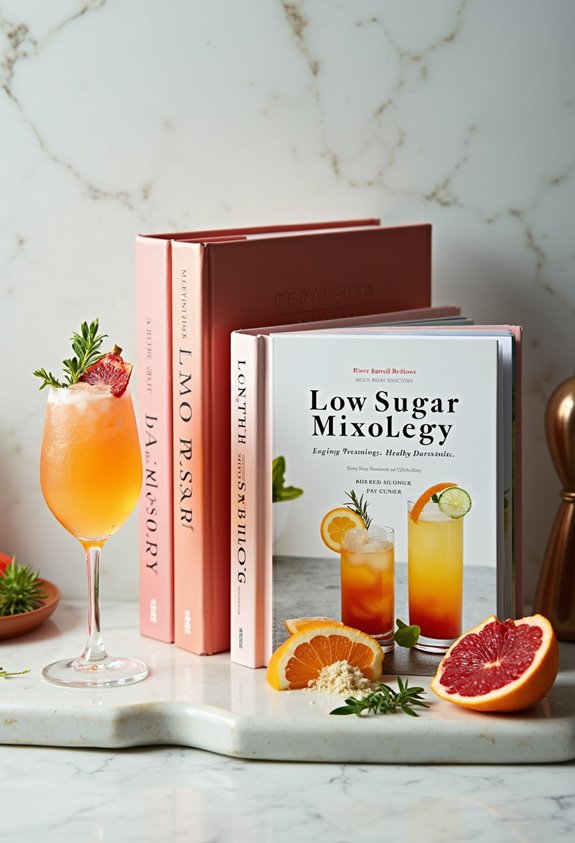
How can cocktail enthusiasts embrace healthier choices without sacrificing flavor? Low-sugar and natural ingredient cocktail books have emerged to meet this demand. Matthias Giroud’s *Low- and No-Alcohol Cocktails (2026) showcases recipes featuring natural infusions and homemade syrups, emphasizing taste without excessive sugar. Derek Brown’s Mindful Mixology* (2022) also highlights mindful sugar use alongside low and no-alcohol options. Additionally, *Healthy Cocktails: Easy & Fun Recipes for All-Natural, Low-Sugar…* presents 50 innovative cocktails, ensuring enjoyable gatherings remain health-conscious. With growing consumer interest in lower sugar diets, retailers are increasingly stocking these titles, providing creative ingredient swaps like fresh fruits and alternative sweeteners. Such resources empower homemixologists to craft flavorful drinks aligned with healthier lifestyles, underscoring the importance of using high-quality ingredients for a superior drinking experience.
Recommended Products
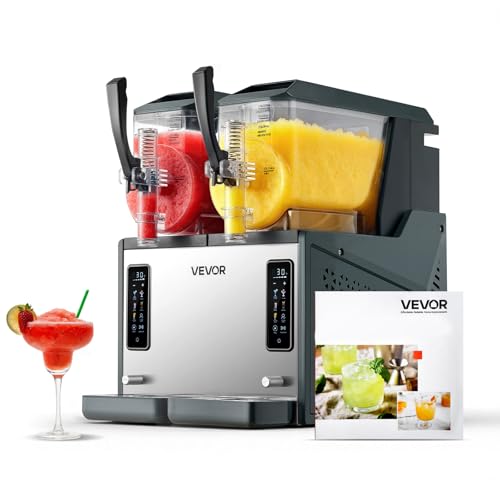
5 Preset Programs: With 5 preset programs, this slushie machine makes milkshake slushes, alcoholic slushes, cocktails, coffee slushes, and daily cold drinks. No ice or pre-cooling needed. Sugar must be ≥6%, alcohol 6%–16%, and sugar-free slushes are not allowed

7-Inch Touchscreen with One-Touch Presets – The large HD touchscreen puts 6 preset modes at your fingertips—Slushie, Milkshake, Frappé, Margarita, Smoothie, and Chilled Juice. No pre-freezing or ice needed; just select your mode and the machine handles the rest, delivering perfectly textured frozen drinks in 15–60 minutes.
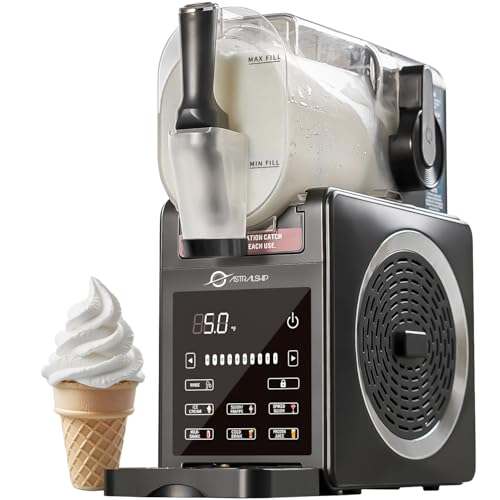
1️⃣ New Ice Cream Mode – Creamy Desserts at Home This upgraded slushie machine now includes a dedicated Ice Cream mode, allowing you to make smooth, creamy soft-serve ice cream at home. From classic vanilla and strawberry to custom flavors, the frozen drink maker delivers rich texture without hard freezing. The removable star-shaped ice cream nozzle creates professional-style swirls for a true dessert experience.
Low- and No-Alcohol Cocktail Guides
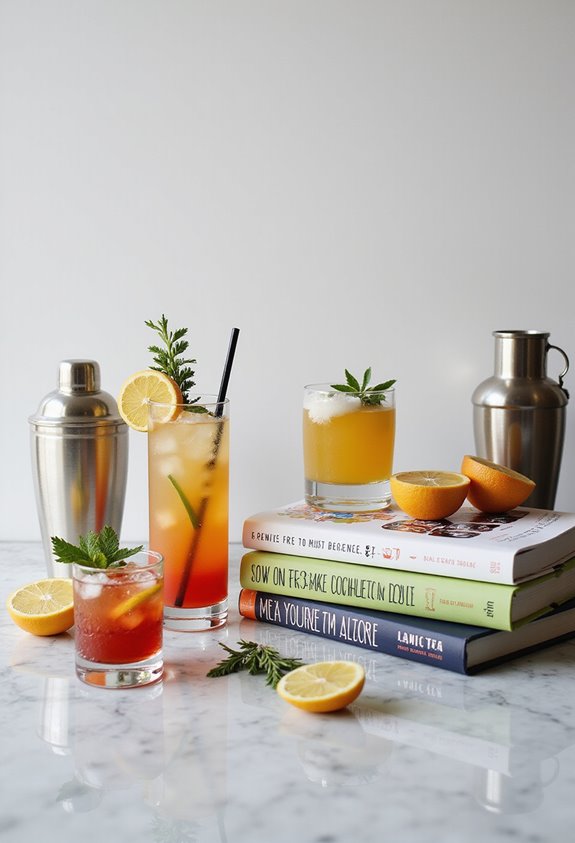
As consumers increasingly seek sophisticated yet health-conscious drinking options, low- and no-alcohol cocktail guides are gaining popularity in the mixology world. Notable titles like “Low and No Alcohol Cocktails” and Derek Brown’s “Mindful Mixology” emphasize flavor complexity while promoting mindful consumption. These guides feature step-by-step recipes, including techniques like cold infusion and syrup preparation. Authors such as Matthias Giroud explore sensory-rich recipes that enhance the cocktail experience without relying on alcohol. With over 100 creative recipes, “Drink Lightly” supports the growing desire for sophisticated, alcohol-free beverages. In addition, resources from the Diageo Bar Academy offer bartenders insightful techniques to craft professional-quality low- and no-ABV cocktails, contributing to a more inclusive drinking culture. The emphasis on natural ingredients aligns with the trend of using eco-friendly materials in culinary tools, such as acacia cutting boards.
Recommended Products
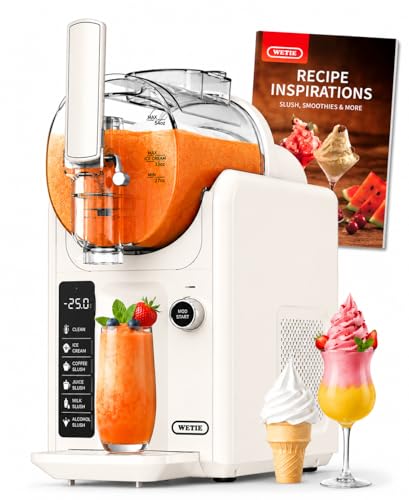
【Large 82oz Capacity with 24-Hour Runtime】The WETIE slushy machine is perfect for weekend parties, family gatherings, backyard barbecue, or simply enjoying a refreshing frozen treat at home. This slushy maker features an 82oz barrel for serving family and guests with ease. The MAX 54oz line is recommended for frozen drinks, while the MAX 33oz line is ideal for ice cream to ensure the best texture. The continuous refill function lets you add liquid without stopping, and the powerful motor maintains smooth consistency for up to 24 hours.

Premium Acrylic Material: Made from high-quality acrylic, this acrylic table has a crystal-clear surface that stays bright over time. More impact-resistant than tempered glass, it’s a secure and sturdy option, especially for homes with kids and pets

AWARD-WINNING | Both Kentucky 74 & Espresso Martini are Winners of "Best Non-Alcoholic" Awards at the LA Spirits Awards
Dietary-Specific Cocktail Books and Trends
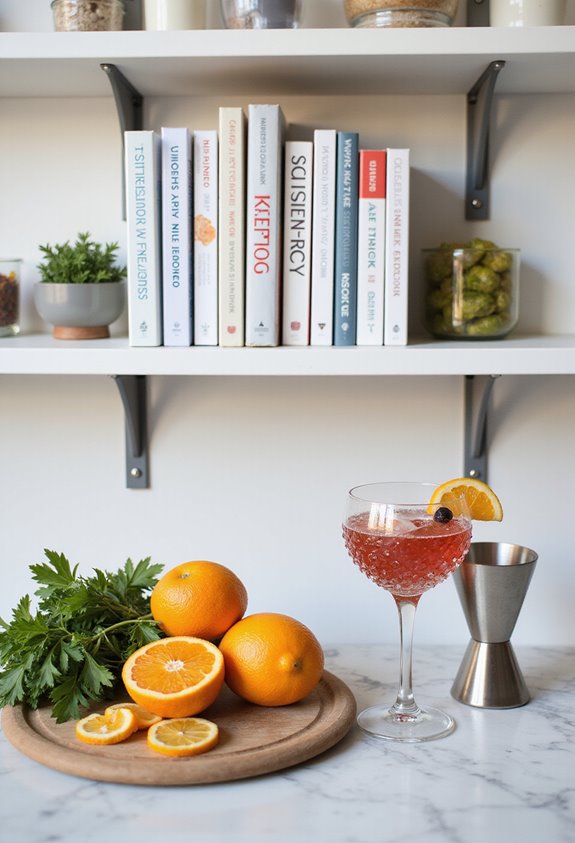
A range of dietary-specific cocktail books has emerged to meet the needs of health-conscious consumers seeking innovative beverage options. Notable titles include *The Vedge Bar Book* (2026) and John Schlimm’s *The Tipsy Vegan* (2011), both featuring plant-based cocktails that prioritize fresh ingredients. Many recipes utilize gluten-free spirits such as tequila and certain vodkas, highlighting the shift towards allergen-aware ingredients. Vegan cocktail eBooks offer accessible options, like the *10 Dessert/Cocktail Recipes Ebook*, catering to diverse dietary needs at affordable prices. Additionally, the integration of dairy-free alternatives and botanicals enhances flavor while promoting wellness. As transparency in sourcing grows, these books create an inclusive space for those with dietary restrictions, fostering a sense of belonging within the cocktail community. Furthermore, the emphasis on high-density foam padding in bar stools reflects a growing awareness of comfort in dining experiences, paralleling trends in beverage innovation.
Recommended Products

Hot Blends: Heat your soup or drinks in 6 minutes through friction heat with this kitchen blender
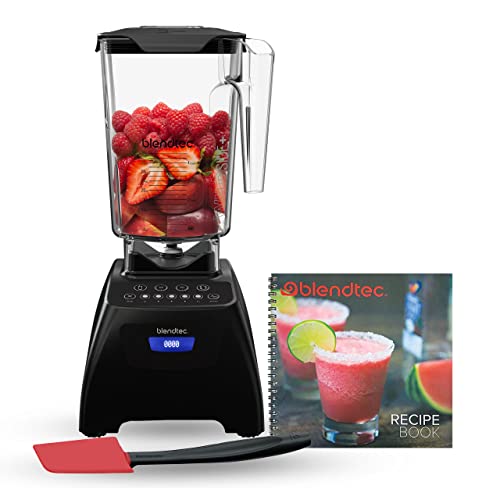
Easy blending cycles 1-touch buttons 4 pre-programmed cycles pulse and 5 speed manual control with the ability to achieve a variety of textures Complete control to adjust your blending at any time while blending Lcd display shows blending cycle time remaining
Classic and Historical Cocktail Books Including Diet Variations
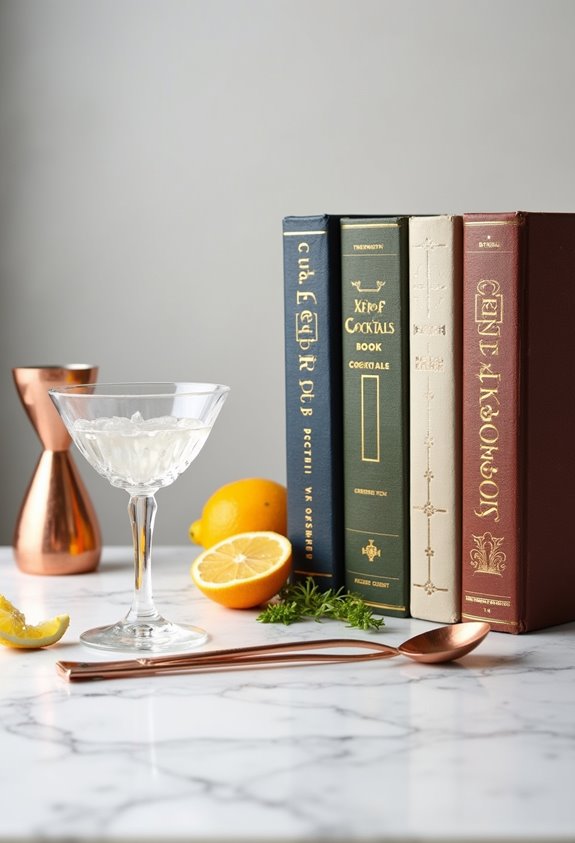
Classic and historical cocktail books have gained popularity as they adapt to contemporary dietary preferences while celebrating timeless recipes. Works like *Regarding Cocktails* by Sasha Petraske explore the art of classic drinks, providing historical context that enriches the cocktail experience. These books frequently offer cocktail adaptations, featuring original recipes along with modern riffs and low- or non-alcoholic alternatives. Three Cheers for example, presents variations of the Tom Collins, catering to diverse tastes and dietary restrictions. Additionally, tomes such as *The Book of Cocktail Ratios* highlight essential ratios and ingredient relationships, encouraging readers to experiment without losing the classic’s essence. By incorporating adjustments for different palates, these historical compilations invite all to savor the joy of cocktail crafting. Infusion kits, such as cocktail infusion kits, can further enhance the experience by allowing users to create custom flavors tailored to their dietary needs.
Online and Free Mixology Resources for Dietary Restrictions
With the rise of health-conscious trends, online resources for mixology have expanded considerably, catering to various dietary restrictions. These platforms offer a plethora of cocktail variations that emphasize fresh ingredients and healthier alternatives. Sugar-free guides showcase low-calorie recipes, including popular options like low-calorie Margaritas and Gin Basil Smash. Additionally, mocktail recipes are widely accessible, providing alcohol-free beverages that utilize fresh herbs and organic fruits. Many websites also highlight ingredient swaps, allowing for paleo and clean eating cocktails that prioritize real fruit juices and natural sweeteners. As awareness of dietary needs grows, these resources serve as essential tools for anyone looking to enjoy flavorful drinks while adhering to their health goals and preferences. Moreover, many subscription boxes focus on fresh and organic ingredients, ensuring that the cocktails align with health-conscious choices.
Retail and Marketplace Trends in Dietary Cocktail Books
The market for dietary cocktail books has experienced significant growth, reflecting the increasing demands of health-conscious consumers. Since the early 2010s, there has been a rise in niche cookbook offerings, particularly focused on vegan and gluten-free recipes. Best-selling titles, like *The Blender Girl Cookbook*, exemplify this trend with over 100 innovative beverage recipes. Retail platforms such as Etsy further showcase the evolving marketplace dynamics, catering to specialized dietary needs. Both print and digital formats thrive as consumer preferences shift towards unique and health-conscious options. Additionally, seasonal cocktail collections and themed books continue to attract attention, illustrating how industry trends align with evolving demands. Such dynamics indicate a flourishing market ripe for growth and community engagement in dietary lifestyles.
Recommended Products

Only 2 Ingredients: Organic Pomegranates and Organic Dates.

Used Book in Good Condition

Key Ingredients for Health-Conscious Cocktails
An array of ingredients is essential for crafting health-conscious cocktails that cater to dietary restrictions. Utilizing healthy sweeteners, such as stevia and sucralose, allows mixologists to create low-calorie beverages without sacrificing flavor. Fresh juices like lime and grapefruit enhance taste while contributing vitamins and antioxidants. Additionally, kombucha serves as a probiotic mixer, enriching cocktails with natural fizz and low sugar content. Flavorful infusions from fresh herbs, such as mint and jalapeño, provide complex flavors without extra calories. Light spirits, including vodka and gin, deliver low-calorie bases ideal for health-centric concoctions. Ultimately, the combination of these ingredients creates revitalizing, guilt-free cocktails that align with contemporary health trends, inviting everyone to enjoy responsibly.
Recommended Products
USDA ORGANIC: Durelife organic Erythritol is certified by the United States Department of Agriculture (USDA) as organic. This means that it is produced using organic methods and free from synthetic pesticides and fertilizers.

White Sugar Substitute: Perfect replacement for traditional white sugar, offering the same sweetness without the calories.

GREAT FOR COOKING AND BAKING: Agave sweetener is a crystallized form of agave nectar, which has been used for centuries in Mexico as a sweetener and valued for its medicinal properties. Agave is 1.5 times sweeter than sugar, so you can use less sweetener and enjoy the same level of sweetness. Try it and you’ll be amazed at the results!
Creative Mixology for Alternative Diets
As dietary preferences and health-conscious choices evolve, creative mixology emerges as a vital area for both amateur and professional bartenders. Modern cocktail books now highlight low-sugar, all-natural, and low-alcohol recipes to cater to diverse dietary needs. “Healthy Cocktails” by Jenny Dorsey exemplifies this innovative trend with 50 recipes focused on minimal added sugars and sustainable ingredients, often requiring five or fewer components. Enthusiasts can enjoy reinterpretations of classics and imaginative concoctions like green juice spritzers. Additionally, these resources prioritize accessibility through simplified preparation methods. Bartenders are encouraged to explore flavors using plant-based ingredients, herbal extracts, and spices, effectively expanding their repertoire while accommodating those with specific dietary restrictions or preferences. This movement fosters inclusion within the cocktail community.
Frequently Asked Questions
Where Can I Find Cocktail Books for Specific Dietary Needs?
Cocktail books for specific dietary needs can be found in major online retailers and specialty bookstores. They often include cocktail substitutions and flavor enhancements to accommodate various preferences, fostering a sense of belonging for diverse audiences.
Are There Cocktail Books Targeting Vegan or Plant-Based Diets?
Ever wondered how to mix plant-based spirits into delightful drinks? Several cocktail books offer innovative vegan cocktail recipes, showcasing vibrant flavors and creative blends that resonate with like-minded enthusiasts seeking belonging within the plant-based community.
How Can I Adapt Traditional Cocktails for Gluten-Free Diets?
To adapt traditional cocktails for gluten-free diets, she suggested using gluten-free spirits and making cocktail substitutions, such as fresh juices and natural sweeteners, to guarantee everyone can enjoy flavorful drinks without dietary concerns.
Do Cocktail Books Include Nutritional Information for Recipes?
Cocktail books generally lack nutritional labels and detailed recipe breakdowns, focusing instead on flavor and technique. While some modern options hint at healthier choices, extensive nutritional information is often overlooked, leaving consumers wanting more clarity.
Are There Resources for Creating Tailored Low-Alcohol Cocktails?
Resources for creating tailored low-alcohol cocktails abound, featuring low alcohol alternatives and creative substitutes. Enthusiasts can explore guides that emphasize flavor complexity, ensuring enjoyable, inclusive experiences for those seeking mindful drinking options.