As an Amazon Associate, we earn from qualifying purchases. Some links on this site are affiliate links at no extra cost to you. Our recommendations are based on thorough research and editorial judgment.


Why Do Some Bartenders Write Their Own Cocktail Books?

Bartenders write their own cocktail books to establish authority and document their craft. This trend began with Jerry Thomas, who published *How To Mix Drinks* in 1862, laying the groundwork for professional bartending. Increasing market demand for unique drinks drives bartenders to share their recipes. Authors gain recognition, enhance careers, and contribute to the cocktail community. These publications serve as educational resources, preserving industry heritage while reflecting personal perspectives and local ingredients. More detailed insights await on this topic.
Key Takeaways
- Bartenders write cocktail books to establish their expertise and authority in the mixology profession.
- Personal expression and unique perspectives in cocktail creation allow bartenders to document their individual stories and philosophies.
- The growing global cocktail market drives bartenders to cater to consumers seeking high-quality, artisanal drink experiences at home.
- Cocktail books serve as educational resources, assisting aspiring bartenders while preserving traditional recipes and techniques.
- Authors enhance their professional reputation, leading to increased opportunities for consulting, teaching, and engagement within the beverage industry.
Historical Significance and Legacy
Although the craft of bartending has evolved considerably over time, the historical significance of bartender-authored cocktail books remains foundational to the profession. Jerry Thomas initiated this tradition with his 1862 publication, *How To Mix Drinks*, which set essential recipes and standards. Early cocktail books served as crucial manuals, preserving recipes and techniques that document cultural shifts in taste and style. This legacy preservation established bartending as a recognized profession with a distinct heritage. In addition, these texts empower contemporary bartenders by connecting them to their craft’s lineage. By focusing on the cultural significance of cocktails and sharing diverse historical narratives, bartender-authored books enhance the understanding of how regional and societal influences shape drink-making practices today. Furthermore, the inclusion of essential bar cart accessories in these books can elevate the mixology experience for both amateurs and professionals alike.
Professional Development and Authority
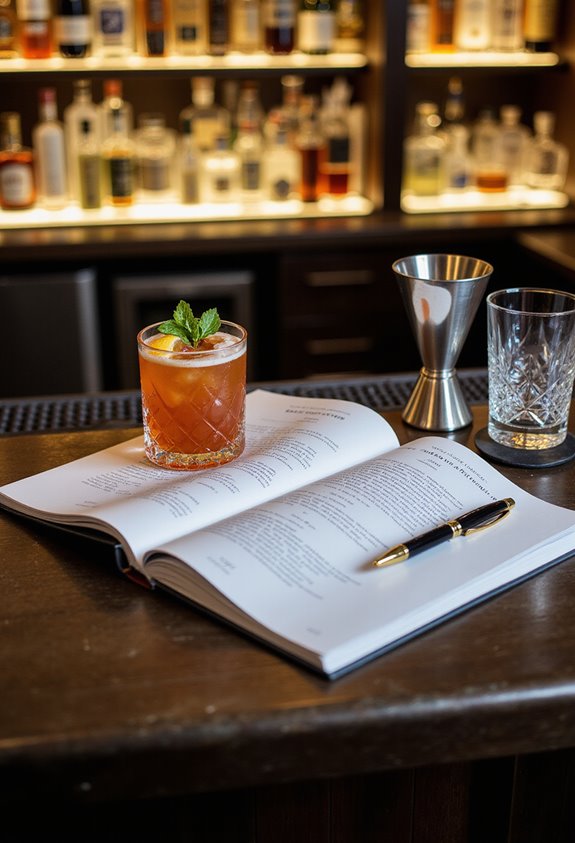
The authorship of cocktail books plays a significant role in the professional development and authority of bartenders. By publishing their own works, bartenders establish themselves as knowledgeable experts in mixology, enhancing their professional growth and credibility. Original recipes and techniques featured in these books showcase their mastery, setting them apart in competitive markets. In addition, authors have the power to influence industry standards and foster recognition within professional communities like the USBG. Authorship can also lead to new career opportunities, such as consulting or teaching roles, and increase visibility through speaking engagements and collaborations. Ultimately, writing a cocktail book allows bartenders to both share their expertise and elevate their standing in the ever-evolving landscape of the beverage industry. Moreover, many bartenders utilize their knowledge of cocktail shaker sets to create innovative recipes that highlight the tools they endorse.
Recommended Products

PROFESSIONAL MIXOLOGY BARTENDER SET - The Madison Acacia Tabletop Bar Tool Set by Legacy, a Picnic Time brand, is a portable Professional Mixology Bartender Set tailor made for shaking up martinis, manhattans, and chic classic cocktails

QUALITY CONSTRUCTION: Shakers, spoons, spring bar strainer and jigger crafted with gun metal black finished heavy-duty stainless steel to maintain shape, hide wear, and perform consistently well while keeping a refined appearance

Hammered stainless steel bedecked with a tidy trimming of simple thread, this bar tool set is as handsome as it is supremely useful when crafting a cocktail, such as our favorite Monaco Mule! Set includes stand and five tools: double-sided jigger, cocktail strainer, bar spoon, bottle opener and muddler.
Market Demand and Economic Factors
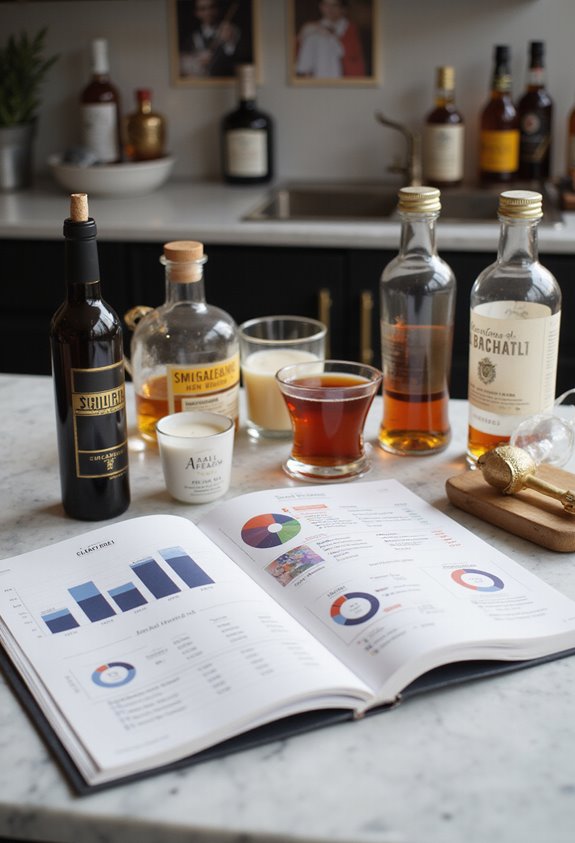
Market demand for cocktails has seen notable growth, driven by evolving consumer preferences and economic factors. The global cocktail market was valued at roughly $86 billion in 2023, projected to reach $117 billion by 2032. This surge is largely propelled by millennials and Gen Z, who favor unique, artisanal drink experiences. Consumer trends indicate a heightened interest in healthier cocktails, as well as convenient ready-to-drink options, appealing to busy lifestyles. Additionally, rising disposable incomes have encouraged greater spending on premium beverages. Consequently, bartenders are motivated to write cocktail books, aiming to capitalize on market competition and cater to consumers enthusiastic to recreate bar-quality cocktails at home. This trend aligns with the expansion of cocktail culture in diverse social settings. High-quality ingredients are essential for home bartenders, further motivating the demand for cocktail recipes in published formats.
Recommended Products

SIMPLE COCKTAIL CREATION. Insert a capsule, place a glass on the bar mat and choose the preferred strength from mocktail to strong. The cocktail maker automatically draws the spirit from the bottle and crafts a perfect cocktail in seconds.

Three 24-ounce blending jars automatically creates of 72-ounce of frozen drink per cycle

Ensures Leak-Free Sealing - Keep your liquid-rich foods fresh for longer with the Avid Armor food vacuum sealer machine. This air sealer machine provides high vacuum pressure to effectively seal soups, sauces, marinades, or even your favorite cocktails.
Personal Expression and Unique Perspective

In recent years, bartenders have increasingly turned to writing cocktail books as a means of personal expression and showcasing their unique perspectives within a competitive market. These books allow bartenders to craft their artistic identity, documenting their personal narrative and cocktail philosophy. Through written words, they can highlight their aesthetic preferences, presenting recipes and flavors distinctive to their experiences. For example, local ingredients and cultural traditions become integral to the cocktails they create, connecting readers to specific histories. Additionally, by sharing innovative techniques and twists on classics, bartenders enhance their credibility while preserving their creative contributions. Such publications not only reflect individual journeys but also serve as a lasting legacy in the evolving world of mixology. Furthermore, the inclusion of sustainable glassware options can elevate the home bar experience, aligning with contemporary trends in eco-conscious drinking.
Educational and Reference Value
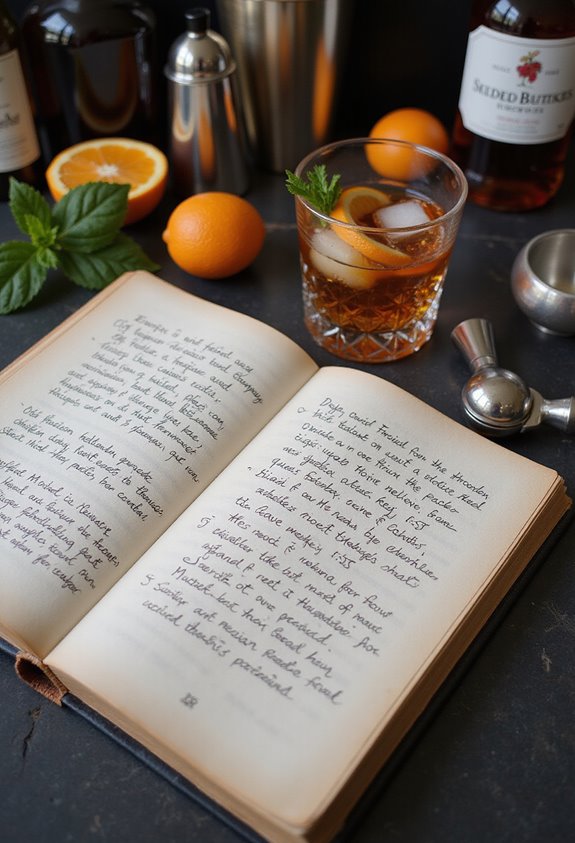
Writing cocktail books not only offers bartenders a platform for personal narratives but also serves significant educational and reference functions within the industry. These works act as educational resources, providing extensive overviews of spirits, beers, and wines that support essential bartending knowledge. Notable bartending manuals, such as “The Joy of Mixology,” include maps and infographics to enhance memory retention. They detail preparation methods, helping bartenders refine their techniques efficiently. Organizational features like indexed recipes allow for quick reference during busy service periods. Additionally, these books often share practical tips and historical anecdotes, enriching the bartender’s cultural understanding of their craft. This blend of information ultimately fosters a deeper connection to the art of mixology. Furthermore, many cocktail books feature essential tools for cocktail preparation, which help aspiring mixologists develop their skills at home.
Marketing and Brand Building
Although many bartenders thrive in the fast-paced environment of serving patrons, marketing and brand building through cocktail books offer strategic pathways for career advancement. Authorship enhances a bartender’s professional profile and distinguishes them within the industry. By leveraging branding strategies, bartenders can effectively utilize various marketing channels, tapping into retail markets like bookstores and lifestyle retailers. This not only increases personal visibility but also attracts attention from peers and media. In addition, a cocktail book serves as a tangible portfolio, showcasing creativity and expertise. The increased credibility gained through publication can lead to professional opportunities such as guest shifts and collaborative projects, ensuring that a bartender’s legacy extends beyond their time behind the bar. Furthermore, incorporating premium bar accessories into their cocktail creations can further enhance the quality and presentation of their recipes.
Recommended Products
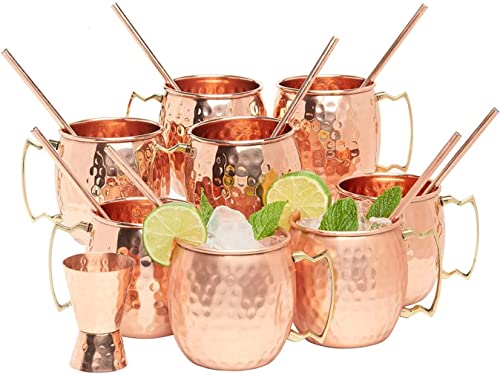
Authentic Pure Copper Craftsmanship – Expertly crafted from pure copper, inspired by the original 1941 Moscow Mule mugs. Finished with elegant brass handles for a refined, vintage aesthetic and a perfectly balanced, secure grip

Premium Material: The outdoor bar set is constructed with all heavy-duty iron with E-coating for rust and weather resistance, sturdy and durable. High quality spun polyester cushion is soft to the touch, dries quickly, and resists fading

✨【Premium 450LBS/24H Powerful Compressor】Are you worried about not having enough ice for every day business? Introducing the Holymus Commercial Ice Maker – your ultimate solution for efficient ice making! Say goodbye to waiting around for ice with its powerful compressor that churns out 182 Full Cube Ice in just 8-15 minutes. Produce up to 450lbs of ice in 24 hours, perfect for Restaurants, Bars, Cafes and Businesses
Reviving Forgotten Cocktails
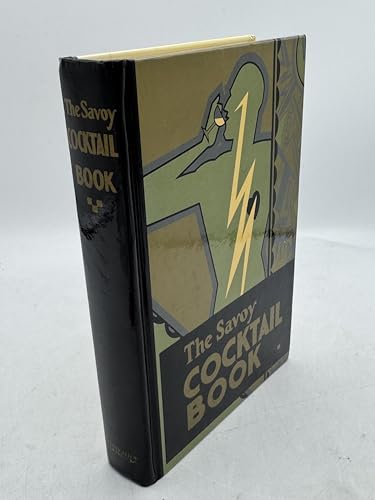
As bartenders continue to enhance their profiles through cocktail books, a parallel movement exists to revive forgotten cocktails that capture the spirit of bygone eras. These drinks, originating from historical periods such as Pre-Prohibition and the Golden Age of Cocktails, showcase unique flavor profiles and complex preparation methods. The Clover Club, a cocktail from late 1800s Philadelphia, symbolizes the intersection of cocktail culture and fashionable society. Bartenders today embrace reviving classics, using historical recipes from renowned sources like Harry Craddock’s *The Savoy Cocktail Book*. By rediscovering forgotten flavors, these mixologists not only educate patrons but also foster a deeper appreciation for beverage heritage. Events centered around these drinks strengthen community ties, connecting enthusiasts to their roots in cocktail culture.
Documenting Techniques and Innovations
Documenting techniques and innovations in cocktail preparation has become essential for modern bartenders seeking to elevate their craft. Effective technique documentation includes detailed methodologies, such as citrus handling and syrup creation, that go beyond simple recipes. Bartenders are encouraged to share innovations through extensive guides that utilize infographics and straightforward explanations. This approach helps demystify complex skills for a wider audience. The integration of scientific methods, including precise measurements of ingredients, further enhances cocktail quality and consistency. By employing advanced tools and focusing on elements like ice clarity, bartenders can push the boundaries of traditional mixology. Overall, this commitment to innovation sharing not only preserves essential skills but propels the entire bartending community forward.
Establishing Expertise in the Industry
Establishing expertise in the bartending industry has become increasingly vital for professionals maneuvering a competitive landscape. With over 700,000 bartenders in the U.S. by 2026, differentiation is essential. Authors of cocktail books not only showcase their craft techniques but also elevate their status within the hospitality community. These publications often become benchmarks for industry standards, enhancing credibility and recognition among peers. Consequently, published bartenders gain opportunities for speaking engagements and collaborations that further bolster their careers. The documented expertise evident in these works fosters trust with patrons and positions authors as authority figures. This visibility can lead to lucrative roles, including consultancy or education, demonstrating the significant impact of authorship on career advancement in the beverage industry.
Providing a Platform for Storytelling
Cocktail books serve as an essential platform for storytelling within the bartending industry, allowing authors to intertwine personal narratives with the rich history of mixology. By incorporating personal anecdotes, bartenders share their unique experiences and perspectives, transforming simple recipe collections into engaging stories. Narrative techniques help contextualize drinks, explaining their origins and cultural significance. This approach not only preserves traditions but also highlights social influences that shape cocktail evolution. In addition, these narratives foster community by inviting readers behind the scenes of the bar scene. Bartenders like Dale DeGroff and David Wondrich exemplify this storytelling craft, capturing the essence of their journeys. Consequently, cocktail books become cultural artifacts, reflecting the diverse voices and histories of the industry.
Enhancing Career Opportunities
Publishing a cocktail book can greatly enhance a bartender’s career opportunities by solidifying their reputation within the industry. This authorship not only aids in opportunity expansion but also establishes credibility, particularly after notable achievements, like opening acclaimed bars. A published book serves as a formal validation of a bartender’s expertise, attracting consulting prospects and increasing visibility growth. Writers often find themselves with networking potential that expands beyond their local scenes, reaching international markets. Additionally, income diversification occurs through royalties and related projects. Ultimately, the distinct perspective in their book helps differentiate them in a crowded field, thereby reinforcing their brand identity and professional presence in the cocktail community.
Recommended Products



Contributing to the Cocktail Community
The contributions of bartenders to the cocktail community extend far beyond their work behind the bar. Bartender-authors play an essential role in community engagement through their written works, sharing unique perspectives shaped by their personal experiences. Their books often highlight underrepresented cocktail cultures, fostering inclusivity and collaboration among bartenders. In addition, these publications serve as critical training resources, consolidating scattered knowledge and establishing a common foundation for aspiring bartenders. By documenting cocktail histories and reviving forgotten recipes, they preserve traditional practices while driving innovation. Bartending collaborations often emerge from these narratives, connecting authors with peers and fostering dialogue about diverse regional scenes. Ultimately, these contributions enrich the cocktail community, enhancing its vibrancy and sense of belonging.
Recommended Products


Connecting Modern Practices With History
While historical knowledge has always informed mixology, modern bartenders increasingly integrate these foundations into their craft. Books like Jerry Thomas’ *How To Mix Drinks* (1862) serve as essential resources, documenting cocktail evolution and establishing core recipes. Bartenders today often reference early texts to reintroduce classic techniques while infusing personal and cultural narratives into their creations. Works by authors such as Paul Clarke illustrate how historical insights can enrich contemporary cocktails, reconnecting patrons with the past. As modern mixologists blend these traditions with innovative methods, they guarantee that the essence of classic cocktails remains relevant. Through storytelling in their literature, bartenders foster a deeper appreciation for the art of mixing drinks and celebrate the diversity of cocktail culture.
Creating a Lasting Impact in Bartending
Creating a lasting impact in bartending involves more than just mastering drink recipes; it also encompasses the ways in which bartenders document their craft. By publishing cocktail books, bartenders capture their unique recipes and techniques, contributing to the bartending evolution. These works serve as formal recognition, solidifying a bartender’s expertise and cultural significance in the industry. Additionally, books educate both professionals and enthusiasts, expanding knowledge on craft techniques and beverage history. They highlight the blend of tradition and modern innovation, preserving classic recipes while introducing contemporary flavors. Moreover, authorship opens doors to new career opportunities, enhancing visibility and credibility. In this way, bartenders not only leave a legacy but also inspire future generations of cocktail culture.
Frequently Asked Questions
What Personal Experiences Inspire Bartenders to Write Cocktail Books?
Bartenders draw inspiration from their personal journeys and industry insights, reflecting unique experiences, cultural influences, and professional growth. These narratives deepen their connection to cocktail culture, fostering a sense of belonging in the broader community.
How Do Bartenders Choose What Recipes to Include in Their Books?
Bartenders select recipes based on personal experiences, current trends, and their establishment’s signature drinks, ensuring themes resonate with readers. This thoughtful recipe selection balances classic cocktails with innovative creations, fostering a sense of belonging in diverse audiences.
What Challenges Do Bartenders Face When Writing Their Own Books?
Bartenders face numerous challenges in the writing process, including extensive research challenges, balancing technical aspects with accessibility, and ensuring ingredient availability while maintaining their unique voice, all amidst the pressures of their demanding bartending careers.
How Do Cocktail Books Influence Trends in the Bar Industry?
Cocktail books drive cocktail innovation by documenting trends and techniques that shape industry standards. They inspire bartenders to experiment, enhance menus, and foster a sense of community among enthusiasts enthusiastic to explore new flavors and methods.
What Role Does Social Media Play in Promoting Cocktail Books?
Social media marketing plays an essential role in promoting cocktail books by enhancing visibility through engaging content. Influencer partnerships further amplify reach, fostering a sense of community among followers who enthusiastically share and connect over cocktails.