As an Amazon Associate, we earn from qualifying purchases. Some links on this site are affiliate links at no extra cost to you. Our recommendations are based on thorough research and editorial judgment.

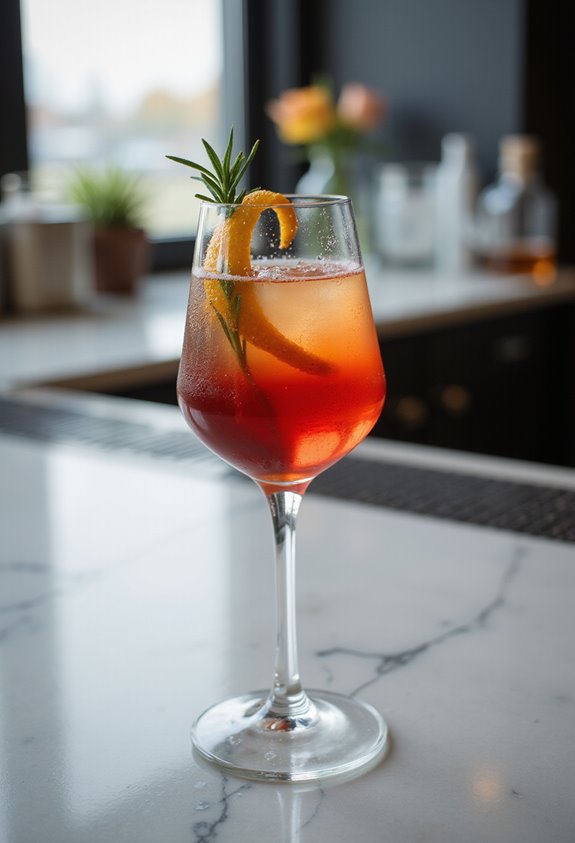
When Do Bars Typically Update Their Seasonal Menus?

Bars typically update their seasonal menus quarterly. This schedule aligns with the availability of fresh, in-season ingredients. According to industry reports, 83% of casual dining venues refresh their menus more than once a year. Fine dining establishments tend to follow a quarterly cycle, while quick-service chains may make monthly updates. These changes help meet customer expectations for new flavors and dining experiences. Further insights on the planning and execution of these menu updates are available.
Key Takeaways
- Bars typically align seasonal menu updates with the four natural seasons, refreshing their selections quarterly.
- Fast-casual and casual dining venues may update their menus several times a year.
- Quick-service chains often implement monthly updates to stay competitive.
- Preparation for seasonal menus usually begins 1-2 months prior to the planned launch.
- Seasonal updates are influenced by ingredient availability, inflation, and current market competition.
Frequency of Menu Updates
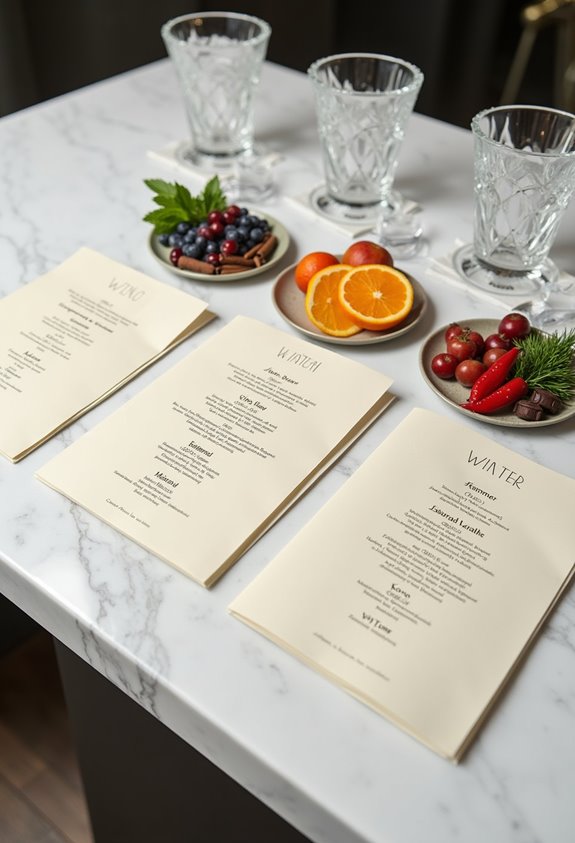
How often do bars and restaurants update their seasonal menus? Typically, establishments align updates with the four natural seasons, leading to quarterly refreshes. Fast-casual and casual dining venues may update several times a year to keep up with menu trends and maintain customer interest. Statistics show that 83% of casual dining venues update menus annually or more frequently to remain competitive. Fine dining restaurants usually follow a quarterly cycle, while quick-service chains opt for monthly updates to meet operational agility. Factors like seasonal ingredient availability, inflation, and intense competition drive these menu update strategies. Adapting quickly allows restaurants to connect with evolving consumer tastes, enhance profitability, and strengthen their brand identity in a crowded marketplace. Additionally, incorporating seasonal cocktail mixers into menus can attract mixology enthusiasts and further engage customers.
Planning and Execution Timeline
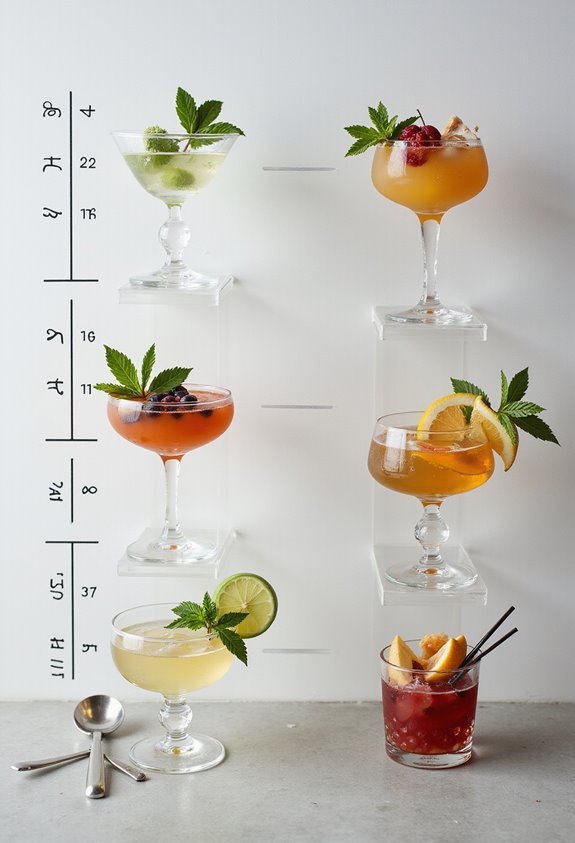
Typically, bars and restaurants engage in thorough planning for their seasonal menus several months in advance. Establishing a preparation timeline is essential, often beginning 1-2 months prior to a menu alteration. This planning phase includes sourcing fresh, peak seasonal ingredients and developing recipes. Effective coordination with local suppliers is necessary for securing quality produce and negotiating prices. Bars utilize menu planning calendars to mark important dates and milestones, allowing flexibility to adapt to local climate changes or shifts in customer demand. Staff training sessions are scheduled 2-4 weeks before launch, ensuring team members are familiar with new items. Overall, a systematic approach facilitates a seamless introduction of seasonal menus, enhancing the dining experience for customers. Incorporating high-quality ingredients can elevate the overall appeal of the new menu offerings.
Seasonal Menu Content and Ingredient Focus
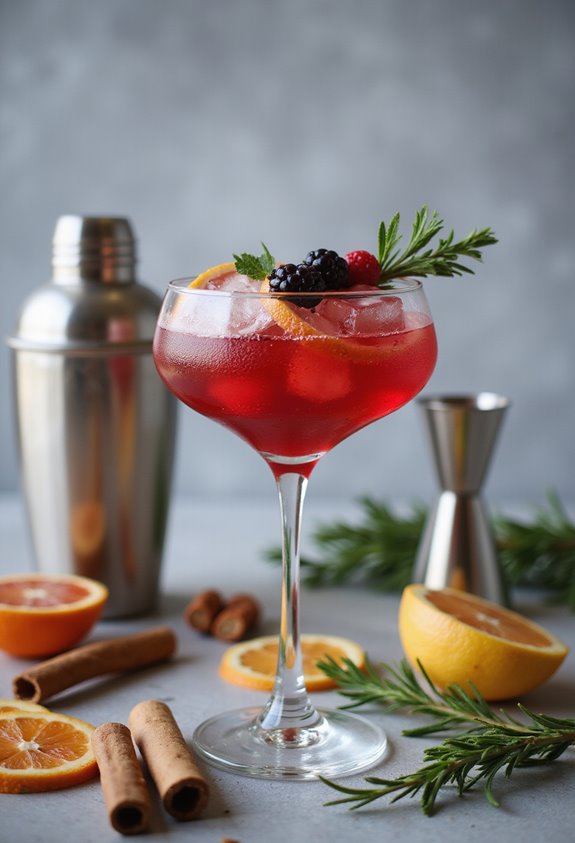
Seasonal menus emphasize the inclusion of fresh, in-season ingredients, which are essential to enhancing flavor and quality. Bars and restaurants often feature vibrant seasonal ingredients like pumpkins, apples, and cranberries in fall, while summer highlights citrus fruits and mint. These elements not only amplify dishes but also align with consumer preferences. Flavor pairings are vital; for example, hearty greens pair well with spiced cocktails in winter, while light salads complement invigorating iced teas in summer. By collaborating closely with local suppliers, establishments guarantee the freshness of their offerings. Additionally, the use of seasonal ingredients fosters culinary innovation, prompting chefs to create inventive dishes and engaging experiences that resonate with patrons seeking a sense of community through shared seasonal flavors. Incorporating unique designs and handcrafted glassware can elevate the presentation of seasonal cocktails, making the overall dining experience more memorable.
Recommended Products

Measurements: 9.5" Tall, 2.75" Wide at Rim, 3.25"

ELEGANT AND USA MADE - 3 oz. high quality, classy, elegant Arc Votive glass candle holders will elevate your glassware. The elegant shape and quality build are excellent for a lounge or bar.

Crafted from the finest crystal
Business and Marketing Considerations
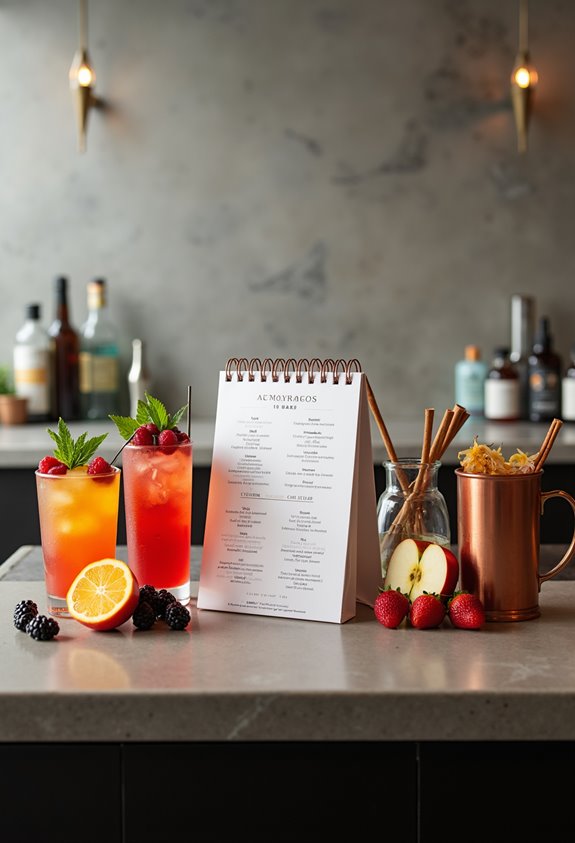
Bars and restaurants are increasingly recognizing the importance of aligning seasonal menu updates with strategic business and marketing considerations. Typically, these updates occur quarterly, coinciding with seasonal ingredient availability and customer expectations. Many establishments introduce changes just before seasons begin, using marketing tactics such as promotions and social media campaigns to maximize interest. Limited-time offerings create urgency, encouraging patronage and higher sales. In addition, aligning seasonal menus with key local events enhances relevance. Bars often analyze sales data and customer feedback to refine future updates, ensuring they meet market demands. By implementing dynamic pricing strategies, businesses manage profit margins while maintaining customer appeal, bolstering their overall business strategy and competitive positioning. Strategic updates underscore a commitment to quality and innovation. Furthermore, integrating seasonal ingredient availability into menu planning can elevate customer experiences and drive repeat visits.
Recommended Products

Set of 10 menu covers made of premium faux leather


Specifications: Menu cover size: 5" x 11.6", Applicable paper size: 4.25" X 11", 6 View, 10 Pack
Operational and Staff Impact
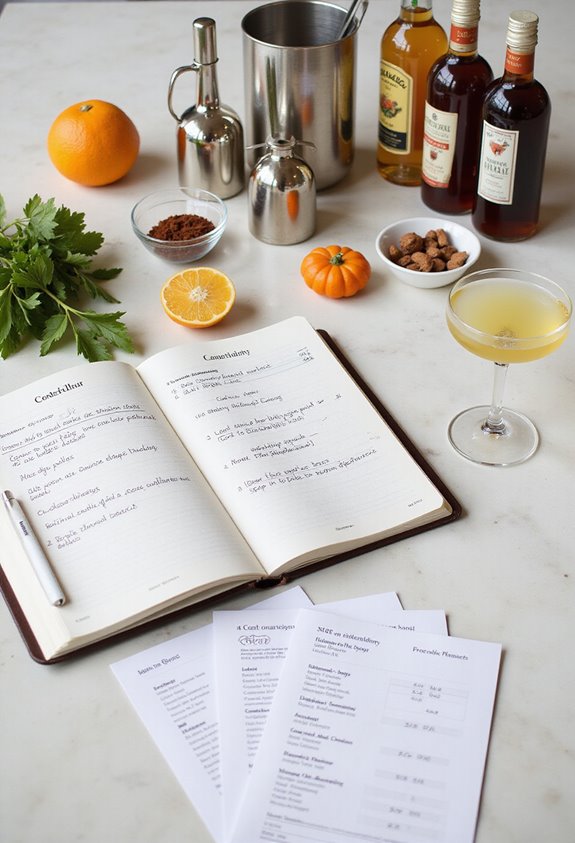
As bars and restaurants prepare to update their seasonal menus, the operational and staff implications become increasingly significant. Staff training is essential to guarantee employees understand new ingredients, preparation methods, and presentation techniques. This training often begins several weeks prior to menu launch dates and includes educating staff about the reasons for changes, allowing them to confidently promote new items. Kitchen workflows must also adapt to incorporate new dishes, which may initially increase prep time and complicate labor allocation. Efficient communication among procurement, kitchen, and front-of-house teams remains vital. Utilizing cheat sheets at point-of-sale terminals supports staff in accurately conveying menu changes to customers. Continuous feedback sessions post-launch can help identify challenges and enhance service delivery. Additionally, leveraging a user-friendly interface in point-of-sale systems can streamline order processing during busy shifts.
Variations by Venue Type
Variability in menu updating practices is evident across different types of venues in the bar and restaurant industry. High-volume urban bars often base seasonal menu changes on consumer purchase data, updating every 6-8 weeks. In contrast, small and neighborhood bars may adjust their offerings with broader seasonal changes, focusing on local ingredient sourcing to engage their communities. Fine dining establishments typically implement quarterly updates aligned with peak harvest times, emphasizing exclusivity and quality. Hotel bars adapt their menus to tourist seasons, ensuring ingredient sourcing meets demand. Specialty bars, such as craft cocktail venues, regularly refresh their selections in accordance with trending items and seasonal promotions. These differences illustrate how venue type markedly influences menu pricing and overall strategy. Additionally, many venues embrace eco-friendly practices to align with consumer preferences and promote sustainability.
Recommended Products

Bonefish Grill specializes in market-fresh fish from all over the world. Our fish is prepared over a woodburning grill and paired with original sauces or toppings made from only the freshest ingredients. Bonefish Grill offers a big city bar atmosphere serving regional craft beers and seasonal cocktails with hand-squeezed juices and fine herbs. From innovative recipes, to contemporary renditions of the classics, our chef-driven menu and bar fresh cocktails are designed to indulge your senses, regardless of the occasion

<li><strong>Premium Peppermint Flavoring</strong> – Deliver bold, refreshing peppermint flavor ideal for frostings, chocolates, baked goods, and oil-based recipes.</li>

Strategies for Seasonal Menu Implementation
Effective strategies for seasonal menu implementation are essential for bars and restaurants seeking to maintain customer interest while leveraging fresh ingredients. Conducting detailed ingredient sourcing through local suppliers helps identify peak freshness times, ensuring quality. Establishing menu themes focusing on 10–15 seasonal ingredients can anchor creativity and uniqueness. A balance between signature seasonal dishes and core year-round items maintains consistency and encourages customer loyalty. Additionally, coordinating with suppliers to schedule deliveries minimizes waste and enhances operational feasibility. Implementing quarterly menu revisions acknowledges traditional season changes while allowing for micro-season adaptations. Engaging customers through seasonal tasting events and promotions fosters community interaction, enhances the overall dining experience, and highlights the freshness and health benefits of seasonal offerings.
Recommended Products

FOODSERVICE ITEM: A lightly-seasoned soup made with crisp celery and real cream for a fresh flavor.

FOODSERVICE ITEM: A comforting homestyle recipe with hearty egg noodles and tender chicken in a rich onion- and garlic-seasoned chicken stock.
Customer Expectations and Trends
In an era where consumer preferences shift rapidly, bars and restaurants are adapting their seasonal menus to meet heightened customer expectations. Customers now anticipate menu updates that align with the changing seasons, enhancing perceptions of freshness. These expectations often include a blend of new flavors and experiential dining aspects, such as seasonal décor or themed events. Limited-time offerings amplify urgency and encourage sampling. Transparency in ingredient sourcing also fosters trust. Additionally, businesses leverage loyalty programs and social media communications to engage their clientele actively, inviting feedback and customizing experiences. Ultimately, successful seasonal menus reflect local produce, climate, and customer preferences, ensuring establishments remain relevant and responsive in an ever-evolving market.
Recommended Products

Holds 4"W x 9"H literature 3 Panel Ad Frame Table Tent Sign Holder

✅Fresh Green Color for a Unique Look: The green color of these menu covers adds a vibrant and refreshing look to your establishment. Perfect for casual, modern, or nature-inspired restaurants and cafés, it creates an inviting atmosphere while complementing a variety of dining themes and décor.

Menu Covers with Extra Half - WeChef 30 Packs of Trifold Style Menu Covers, each cover holds 3pcs 8.5"x14" pages for standard menus and a 4.25"x14" half-page perfectly sized for wine lists, ideal for steakhouses, seafood restaurants, French bistros & brasseries, wine bars, gastropubs, cafes to showcase your daily specials, drink selections, or dessert options
Frequently Asked Questions
How Do Seasonal Menus Impact Customer Dining Experiences?
In a world where diners seek authenticity, seasonal menus profoundly enhance customer experiences by aligning with preferences and current trends. They infuse excitement, enticing patrons to savor fresh flavors while fostering a sense of belonging within the culinary community.
What Are the Challenges of Updating Seasonal Menus?
Updating seasonal menus poses significant challenges due to sourcing challenges and pricing fluctuations. Ensuring ingredient availability while maintaining customer familiarity requires meticulous planning and coordination among teams, balancing creativity with operational demands to enhance the dining experience.
How Do Bars Gather Customer Feedback on Seasonal Offerings?
Bars gather customer feedback on seasonal offerings through engaging customer surveys and interactive menu tastings, which attract over 70% of loyal patrons, fostering a community atmosphere where suggestions shape the evolving drink experience for all.
Are There Specific Regulations for Seasonal Menu Items?
Seasonal menu items are subject to strict seasonal regulations and menu compliance. Bars must meet food safety laws, labeling requirements, and licensing protocols to guarantee customer safety and satisfaction while adhering to local health standards.
How Do Seasonal Menus Affect Ingredient Relationships With Suppliers?
Seasonal menus greatly enhance ingredient sourcing, fostering robust supplier relationships. As restaurants align their offerings with seasonal produce, they cultivate connections that yield freshness and optimize costs, creating a shared journey that invites diners to enjoy culinary community.