As an Amazon Associate, we earn from qualifying purchases. Some links on this site are affiliate links at no extra cost to you. Our recommendations are based on thorough research and editorial judgment.
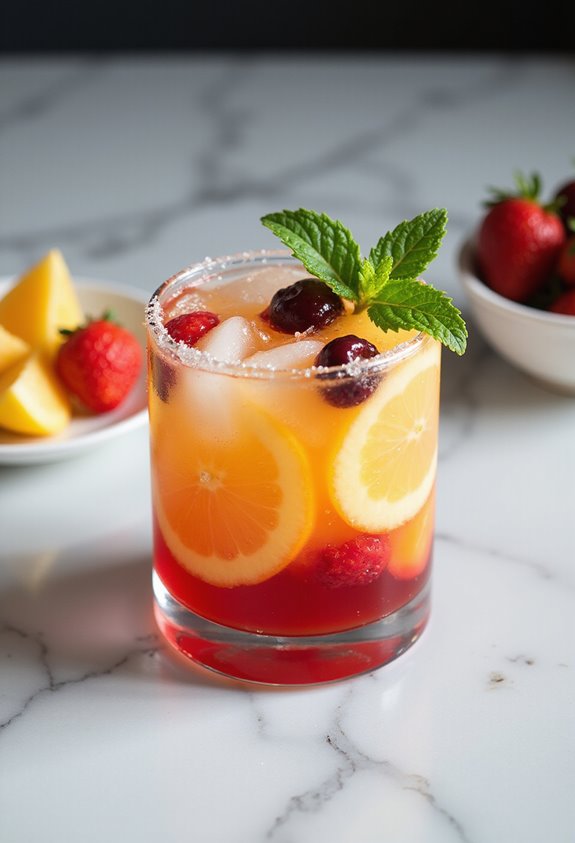
How To Teach Kids About Mocktails And Responsible Drinking?

Teaching kids about mocktails and responsible drinking involves creating engaging experiences. Mocktails, non-alcoholic beverages, help children explore flavors and social interactions. Benefits include fostering creativity and promoting responsible choices. Parents should emphasize nutritional considerations, particularly sugar content in drinks, as sugary beverages link to obesity. Meanwhile, discussions about adult alcohol consumption can reinforce safety messages. Seasonal mocktails enhance celebrations and provide family-friendly options. To further understand these concepts, insights on recipe ideas and hands-on activities follow.
Key Takeaways
- Introduce mocktails as fun, non-alcoholic alternatives to traditional cocktails, emphasizing creativity in preparation and presentation.
- Use the mocktail preparation process to discuss healthy choices and the importance of moderation without stigmatizing alcohol.
- Foster decision-making skills by allowing kids to create their unique mocktail recipes using fresh fruits and herbs.
- Incorporate discussions about sugar content in drinks, teaching kids about making informed health-conscious decisions.
- Model responsible behaviors by demonstrating moderation in adult alcohol consumption and encouraging healthy social habits during gatherings.
Understanding the Concept of Mocktails
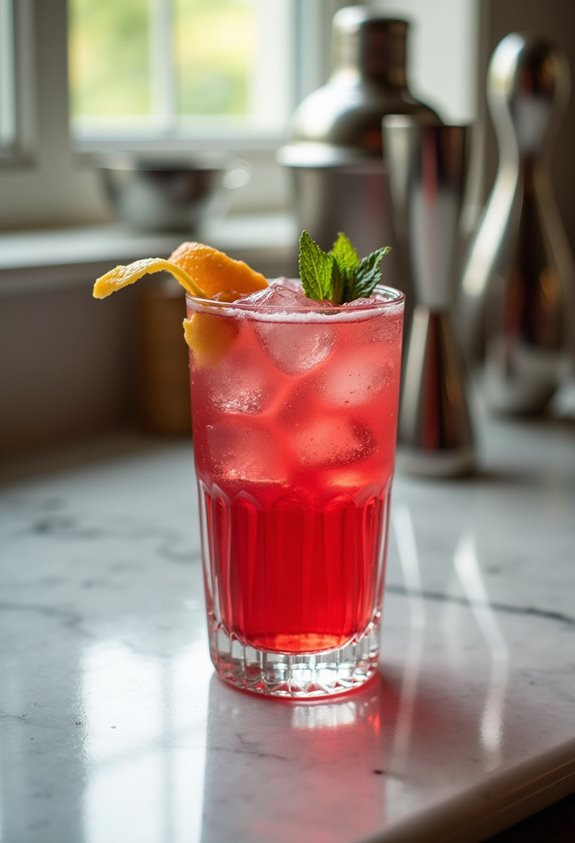
Mocktails, short for “mock cocktails,” are non-alcoholic beverages designed to replicate the taste and ambiance of traditional cocktails. Originating in the early 20th century, mocktails have evolved to offer flavorful combinations that cater to diverse preferences. They consist of ingredients such as fruit juices, sodas, and fresh herbs, creating complex flavors similar to those found in alcoholic drinks. Common examples include the Shirley Temple and Virgin Mojito. Mocktails serve individuals who abstain from alcohol for various reasons, enhancing social experiences without compromising fun. The preparation process allows creativity while maintaining a sophisticated presentation. In today’s culture, mocktails are valued not merely for their taste but as inclusive offerings that allow everyone to join in on celebratory moments. Additionally, using cocktail shaker sets can enhance the preparation experience, making it more enjoyable and engaging for kids.
The Benefits of Kid-Friendly Mocktails
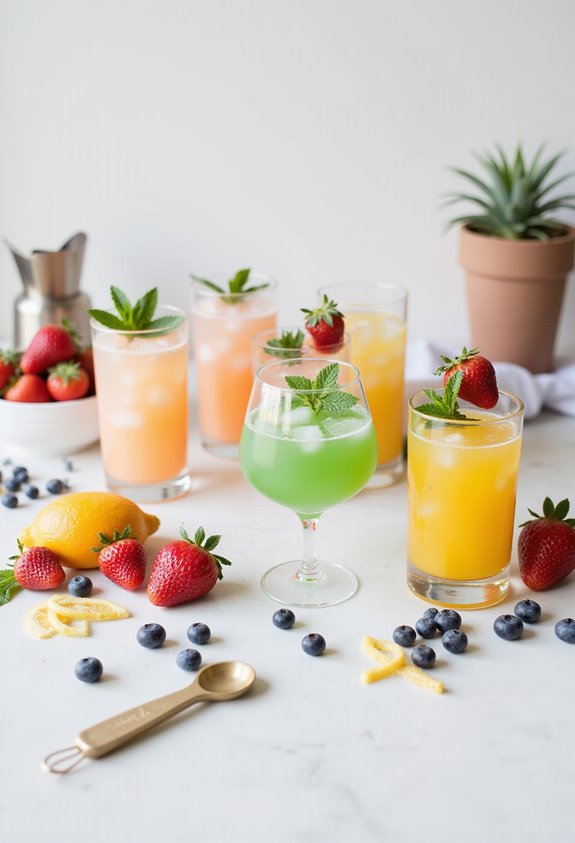
The creation of kid-friendly mocktails offers a range of benefits that extend beyond simple enjoyment. These beverages promote a significant creativity boost, as children can explore colors, flavors, and garnishes while crafting unique drinks. Engaging in mocktail preparation nurtures decision-making skills and boosts confidence, allowing children to showcase their personalities through culinary arts. Mocktails also provide essential health benefits, often incorporating fresh fruits and herbs that enhance nutritional intake without the negative effects of alcohol. Additionally, these alcohol-free options foster social inclusion during family gatherings, supporting early discussions on responsible drinking. By encouraging hands-on activity, mocktails create an enjoyable learning experience while instilling valuable life skills in a safe, supportive environment. This experience can be further enriched by introducing children to cocktail preparation techniques, which can enhance their understanding of flavors and creativity in drink crafting.
Simple Mocktail Recipes You Can Try
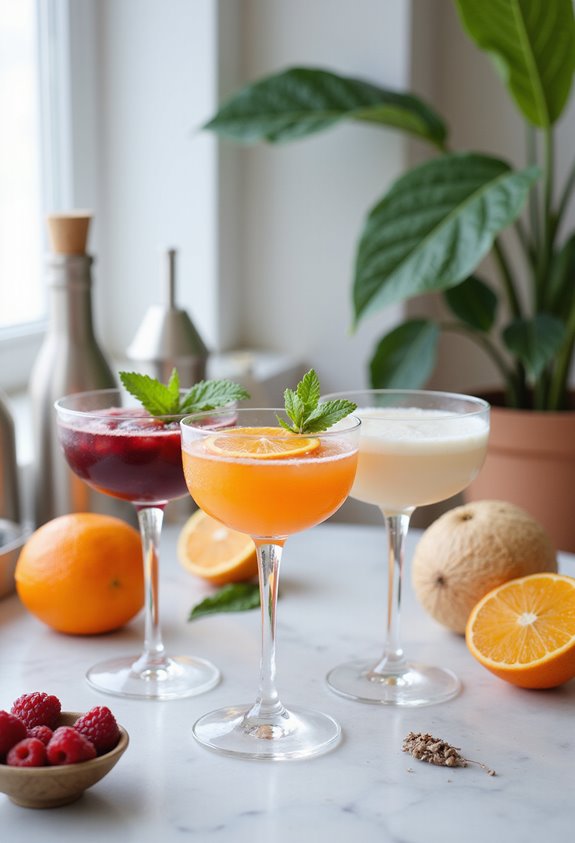
Creating kid-friendly mocktails not only enhances social gatherings but also offers a delightful opportunity for children to engage in culinary creativity. Simple recipes like the Pineapple-Orange Grenadine Sparkler mix fresh juices with sparkling water, enabling children to create fun, reinvigorating drinks. The Shirley Temple combines ginger ale and grenadine, while the Tropical Lagoon blends pineapple juice and coconut water for a tropical twist. Additionally, drinks like Raspberry Mocktails showcase flavor experimentation by incorporating fresh berries. By using vibrant garnishes such as fruit slices and colorful syrups, children can explore creative combinations. Encouraging children to mix and layer ingredients deepens their understanding of flavors and presentation, making mocktails a lively addition to any gathering. Moreover, introducing premium quality botanicals can help elevate the flavors of their mocktails, making the experience even more enjoyable.
Recommended Products

INCREDIBLE VERSATILITY: Our beverage infusions are ideal for flavoring waters, hot teas, iced teas, seltzers, cocktails, mocktails, lemonades, sodas, sangrias, champagnes, and more.
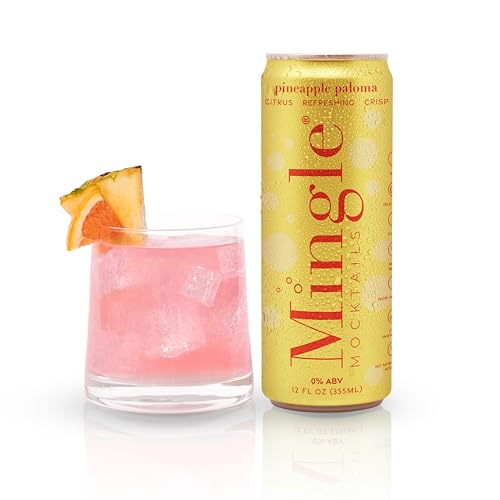
Pineapple Paloma Paradise: Experience the bright, tropical taste of Mingle Mocktails Pineapple Paloma, a refreshing and flavorful non-alcoholic delight that brings sunshine to any moment. This low-calorie, pre-mixed drink elevates your mocktail game.

Looking for a non-alcoholic mixer to mix it up in your cocktail shaker? We have you covered! Mockly is on a mission to liberate spirited drinkers from the dull and lifeless world of booze-free beverages.
Nutritional Considerations for Healthy Drinks
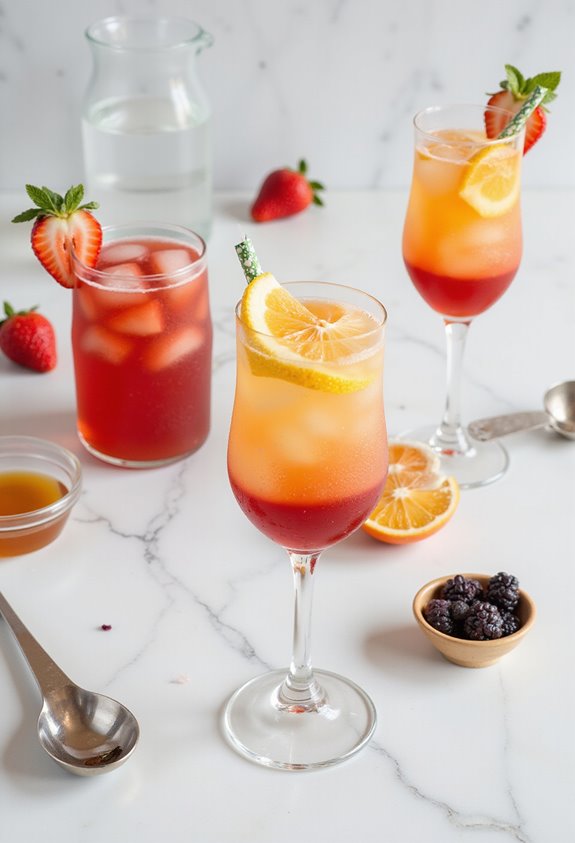
Understanding the nutritional quality of drinks is essential for promoting children’s health and well-being. The American Academy of Pediatrics recommends that children consume primarily plain water and pasteurized milk, which are crucial for hydration and nutrient intake. These beverages support growth, development, and prevent chronic diseases. Significantly, milk is rich in protein, calcium, and vitamin D, while water is calorie-free and sugar-free. In contrast, sugary drinks contribute empty calories and can lead to health issues like obesity. Nutritional guidelines advise limiting juice and flavored beverages to protect against excessive sugar intake, especially in young children. By making informed beverage choices, parents can help cultivate healthier habits that may last a lifetime. Additionally, incorporating nutritional guidelines can further enhance children’s understanding of responsible drinking.
Educating Kids About Sugar Content in Beverages
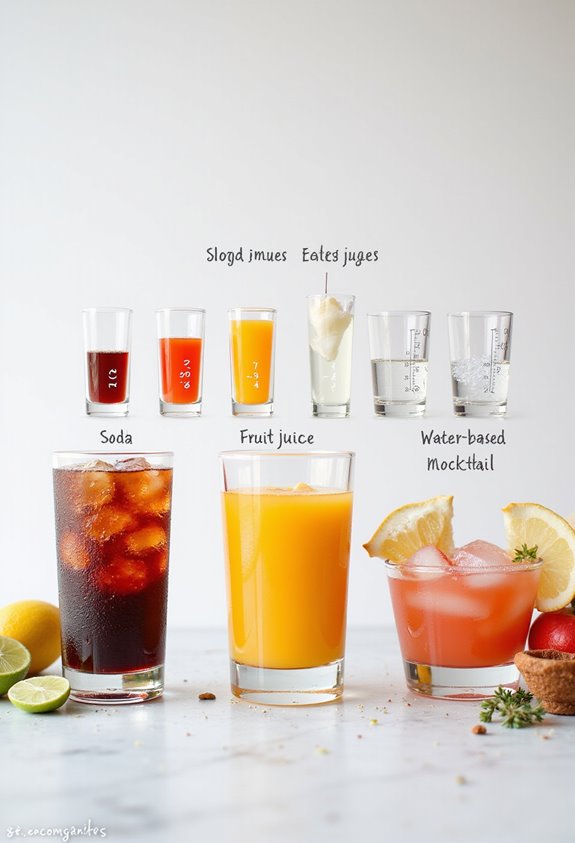
Educating kids about sugar awareness is essential as data reveals alarming trends in sugary beverage consumption. A 12-ounce can of soda typically contains about 35 grams of sugar, equivalent to nine teaspoons. Such beverages do not trigger a sense of fullness, leading to increased calorie intake. Dietary behaviors change with high sugary drink consumption, often resulting in less nutritious food choices. Popular drinks, including fruit juices and energy drinks, paint a concerning picture in beverage comparisons. Public health strategies emphasize reducing access to sugar-sweetened beverages (SSBs) in homes and schools. Educating parents enhances a child’s understanding of sugar content, promoting healthier lifestyle choices for the entire family. Additionally, many mixers contain natural ingredients that can help reduce overall sugar intake while still providing flavorful options.
Teaching the Difference Between Mocktails and Cocktails
What distinguishes mocktails from cocktails in the domain of beverages? The primary difference lies in their ingredients; cocktails contain alcohol as a core component, whereas mocktails are designed to be alcohol-free. This distinction influences their flavor profiles, with cocktails often exhibiting layered, complex tastes due to the interaction of alcohol and mixers. In contrast, mocktails achieve similar tasting comparisons through creative uses of juices, syrups, and non-alcoholic ingredients. Additionally, mocktails may include unique components like herbs and spices to mimic the textures found in cocktails. Understanding these distinguishing ingredients is essential for fostering responsible drinking habits among children, allowing them to enjoy social occasions without the risks associated with alcohol consumption. Incorporating varieties of simple syrup can enhance the flavor of mocktails, making them more appealing and enjoyable.
Involving Kids in Mocktail Preparation
Engaging children in the mocktail preparation process serves as an effective way to develop various skills and foster creativity. Children can participate by pouring pre-measured mocktail ingredients and selecting creative garnishes, such as mint sprigs or cucumber ribbons. Adults should supervise more complex tasks, such as juicing or mixing, to guarantee kitchen safety. This hands-on involvement enhances fine motor skills and boosts confidence. As kids explore different flavors and aromas, they refine their sensory awareness and descriptive vocabulary. Mocktail preparation can also be framed as a fun learning experience, connecting science and art. Ultimately, involving children in this process nurtures responsibility while providing a sense of belonging in culinary experiences within the family.
Recommended Products
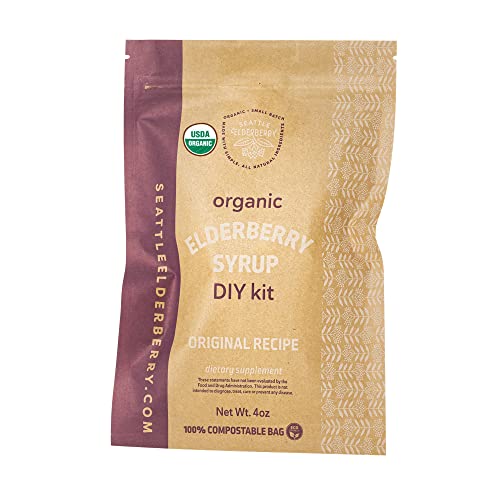
ORGANIC ELDERBERRY SYRUP DIY KIT: Contains organic elderberries & warming spices and makes 24 to 32 ounces of elderberry syrup. To make this herbal supplement, just add water, simmer, and sweeten to your or your child's preference.

NEW WAY TO GARNISH DRINKS: Introducing the Garnishmate! A unique and fun way to maximize your drink garnish experience. This Clip-On Garnish Pick allows you to expand your garnish capabilities by creating new space (3 inches) above the rim of the glass and not crowding your drink.
Encouraging Healthy Social Habits With Mocktails
Mocktails serve as an innovative approach to fostering healthy social habits among children while providing an alcohol-free alternative in social settings. These beverages promote inclusion at social gatherings, allowing kids to enjoy flavorful drinks while avoiding alcohol-related issues. By emphasizing mocktail etiquette, children learn to make responsible beverage choices, which can influence their future preferences. Introducing a variety of mocktails also enriches positive peer interactions, making social experiences enjoyable without the weight of alcohol. Educational discussions about the benefits of these beverages can further establish an understanding of healthy drinking practices. Ultimately, exposing children to mocktails encourages a culture of responsible choices, ensuring they can participate socially while maintaining their well-being and embracing vibrant flavors.
Recommended Products
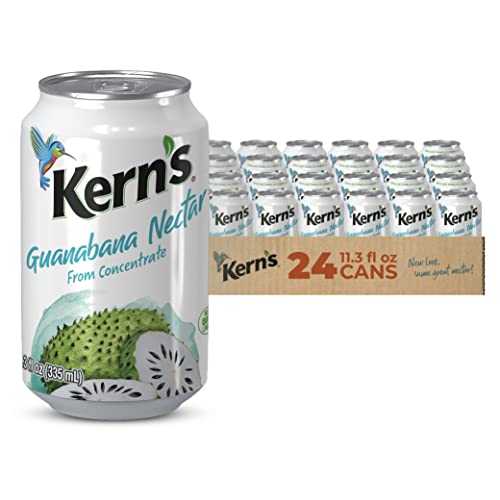
Sweet Escape in Every Sip — Kerns nectar is made to delight, bursting with the sweet, juicy flavor of sun-ripened fruit. Every sip of these fruit juice beverages is a splash of rich, smooth refreshment for the whole family. Enjoy the goodness of this soursop drink and make every moment a little sweeter.

PURE INGREDIENTS -- Rooibos, Blueberry, Apple, Elderberry, Hibiscus

[100% Edible] Our dreamy edible glitter is made of food-grade raw materials to ensure safety and edibility. It is odorless and free of common allergens. Both adults and children can use it with confidence and enjoy the dual fun of food and creativity. Product Ingredients:Mica-based pearlescent pigments, ironoxide, FD&C Red No 40, FD&C Blue No 1.
Demonstrating Responsible Drinking Concepts
Demonstrating responsible drinking concepts is essential for guiding young individuals toward making informed choices as they navigate social environments. Adults should model behavior by consuming alcohol moderately, thereby setting an example that discourages excess and unsafe practices, like drinking and driving. Communicating that alcohol is a mind-altering substance intended for legal-age adults reinforces messages of safety and legality. Research indicates that responsible parental modeling reduces the likelihood of early alcohol use and dependence in children. Furthermore, age-appropriate discussions about alcohol’s effects can dissuade curiosity and prevent risky behaviors. By framing drinking within the context of laws and health, adults can cultivate a respectful attitude towards alcohol, ultimately helping children develop critical thinking skills around consumption and social pressures.
Making Mocktails Fun and Engaging
Creating an enjoyable and educational experience around the preparation of mocktails can greatly enhance children’s understanding of nutrition and social interaction. By using vibrant mocktail garnishes like pineapple wedges and miniature umbrellas, kids are encouraged to engage visually while learning about healthy choices. Recipes involving creative ingredients, such as blue curaçao syrup and fresh juice blends, introduce fun concepts like color theory and density. Hands-on activities, such as mixing layers of grenadine syrup, further foster interaction and learning. Additionally, using sparkling water features carbonation that intrigues children. This approach not only promotes healthier drinking habits but nurtures teamwork and creativity, making mocktails a delightful educational activity that combines culinary skills with nutritional awareness.
Celebrating Special Occasions With Mocktails
As celebrations increasingly include participants of all ages, the rise of non-alcoholic alternatives has led to a greater focus on mocktails. These family-friendly beverages offer inclusive options during festive gatherings, reducing peer pressure for children to consume alcohol. Seasonal and themed mocktails enhance celebration themes, featuring vibrant flavor pairings that appeal to both kids and adults. For instance, autumn can be celebrated with spiced apple cider mocktails, while winter festivities benefit from cranberry-orange sparklers. By incorporating fresh juices and sparkling water, hosts promote hydration and a festive atmosphere. Additionally, serving these drinks in elegant glassware encourages communal sharing, making mocktails a delightful highlight in special occasions. This approach fosters a sense of belonging for everyone involved.
Recommended Products

Crafted from the finest Crystal

Crafted from the finest Crystal

Coupe Cocktail Glassware -Our Table 12 Coupe Glasses offer a fun mini coupe shape for cocktails such as champagne, spirits, martinis, daiquiris and mocktails.
Frequently Asked Questions
Can Mocktails Be Served During Kids’ Parties?
Mocktails can definitely be served during kids’ parties. Their creative combinations and fun presentations engage children’s senses while providing tasteful, safe beverage options that foster inclusivity and enjoyment, making celebrations more exciting for everyone involved.
What Age Is Appropriate for Kids to Drink Mocktails?
Surprisingly, the appropriate age for kids to enjoy mocktails often starts in preschool, according to mocktail education. Age guidelines suggest engaging them in culinary creativity while avoiding those resembling alcohol, promoting healthy habits and family bonding.
How Can Kids Choose Healthy Garnishes for Their Mocktails?
Kids can choose healthy garnishes for their mocktails by selecting vibrant garnish options like fresh fruits and herbs, promoting healthy flavors. Encouraging creativity fosters a sense of belonging, inviting them to explore colorful, nutritious choices.
Are Mocktails Safe for Children With Dietary Restrictions?
Mocktails can be perfectly safe for children with dietary restrictions, provided careful attention to ingredient labels is given. Ensuring safe ingredients and considering dietary considerations fosters a delightful experience, bringing everyone together in joyous celebration.
Can Mocktails Be Used in Educational Settings?
Mocktails can effectively enhance mocktail education in classroom activities, promoting inclusivity and creativity. They serve as engaging tools for teaching nutrition, social skills, and cultural awareness, fostering a sense of belonging among students during interactive lessons.