As an Amazon Associate, we earn from qualifying purchases. Some links on this site are affiliate links at no extra cost to you. Our recommendations are based on thorough research and editorial judgment.

How To Troubleshoot Common Issues With Cocktail Strainers?

To troubleshoot common issues with cocktail strainers, bartenders must first identify symptoms, such as slow pouring and visible residue on the strainer. Clogging often arises from muddled ingredients, particularly in fine mesh strainers. Techniques like adjusting the flow rate or employing a secondary strainer can improve filtration. Regular cleaning with mild detergents and weekly deep sanitization further maintain strainer effectiveness. Understanding these practices guarantees enhanced cocktail quality and presentation, making it essential to explore additional strategies.
Key Takeaways
- Inspect strainers for signs of wear, such as cracks or rust, to ensure optimal functionality and prevent clogs.
- Clean strainers immediately after use to prevent residue buildup and keep them functioning effectively for future cocktails.
- Adjust the gate control on a Hawthorne strainer to manage flow rate and reduce clogging from larger particles.
- Utilize tapping and jiggling techniques while pouring to dislodge any stubborn particles caught in the strainer.
- Employ a fine mesh strainer as a secondary tool to capture smaller solids, enhancing clarity and texture of cocktails.
Understanding Common Strainer Types
While selecting the appropriate cocktail strainer can enhance the quality of a drink, understanding the distinct types available is essential for both amateur and professional bartenders. The Hawthorne strainer is commonly used with Boston shaker tins and features a coil spring to filter ice and solids while pouring, optimizing cocktail techniques for shaken drinks like Margaritas. Alternatively, the Julep strainer, bowl-shaped with perforated holes, excels with stirred cocktails, enhancing presentation and preventing herbs from entering the glass. The fine mesh strainer, designed to catch finer particles such as herbs and seeds, is typically used alongside either of the first two strainers for additional clarity. Together, these strainer functions contribute to creating high-quality, visually appealing cocktails. Additionally, investing in high-quality stainless steel materials can improve the durability and effectiveness of your cocktail strainers.
Identifying Clogging Issues
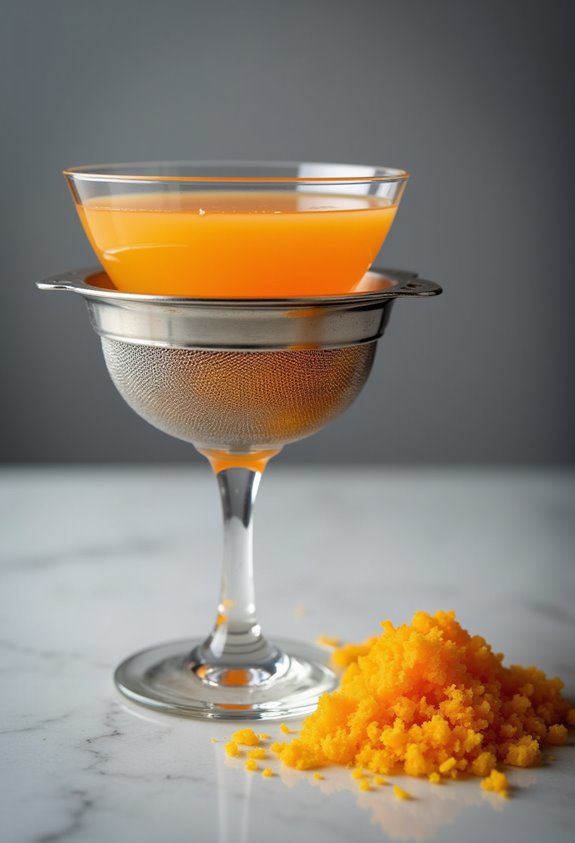
Cocktail strainers play an important role in achieving the perfect pour, yet they can encounter significant clogging issues that hinder performance. Common clogging symptoms include slow pouring speeds, noticeable resistance when pouring, and a visible buildup of pulp or ice on the strainer’s surface. These may indicate that the fine mesh strainer is trapped with debris, often due to muddled ingredients or finely crushed ice. Strainer maintenance is vital to prevent these issues. Maintaining cleanliness after each use helps eliminate trapped solids, while inspecting parts for wear guarantees ideal functionality. Additionally, bartenders may need to reflect on the strainer’s mesh size to balance efficiency without risking frequent clogs. Recognizing these symptoms early can enhance the overall cocktail experience, especially when using a high-grade stainless steel strainer that minimizes residue buildup.
Recommended Products

【ENERGY EFFICIENT】The commercial ice maker utilizes an energy-efficient copper compressor and an advanced refrigeration circulatory system and insulation technology that helps to keep ice cubes cold for 7-9 hours. This ensures that the ice stays firm and doesn't melt quickly, providing businesses with a reliable supply of ice to minimize energy consumption.

To get started with your Smart Indoor Smoker, begin by removing the protective plastic sticker from the control panel.

PROFESSIONAL MIXOLOGY BARTENDER SET - The Madison Acacia Tabletop Bar Tool Set by Legacy, a Picnic Time brand, is a portable Professional Mixology Bartender Set tailor made for shaking up martinis, manhattans, and chic classic cocktails
Techniques to Prevent Clogs
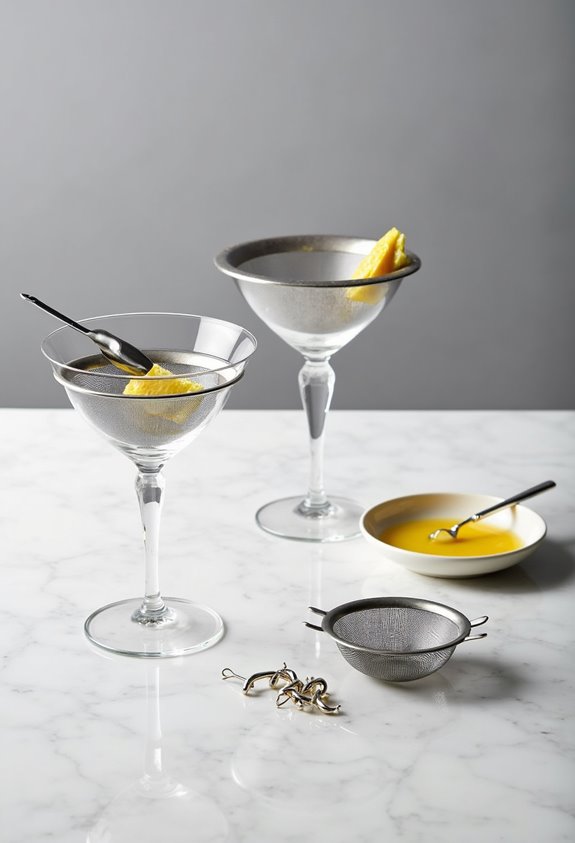
To enhance the efficiency of cocktail strainers and minimize clogging, bartenders should adopt specific techniques tailored to their tools and ingredients. Implementing effective clog prevention techniques begins with adjusting the gate control. Tightening the gate on a Hawthorne strainer slows the flow for finer straining, reducing clog risk. Bartenders can also utilize tapping and jiggling techniques during pouring to dislodge stubborn particles. Selecting appropriate mesh sizes helps balance particle capture and flow rate, while employing multiple layers of filtration, such as a second fine strainer, can limit solid load. Regular maintenance practices, including rinsing and thorough cleaning, guarantee strainers remain effective, prolonging their service life and considerably improving straining efficiency. Additionally, using high-quality materials like lead-free crystal ensures durability and enhances the overall straining experience.
Recommended Products

ALL-IN-ONE PREMIUM COCKTAIL KIT: Elevate your bar kit with our complete cocktail set! This all-inclusive kit features a weighted cocktail shaker, a tempered & annealed mixing glass, a precision bell jigger, bar spoon, and both fine mesh and Hawthorne strainers. Mix, measure, and pour with confidence for flawless cocktails every time

Bundle includes Cocktail Shaker Set Bartender Kit and Travel Bartender Bag

BUILT FOR WORKING BARTENDERS: Show up to every gig, wedding, or pop-up bar fully equipped - all 24 food-grade 304 stainless steel tools organized in a waxed canvas travel bag with shoulder strap, so nothing is missing and nothing rattles loose.
Utilizing a Secondary Strainer
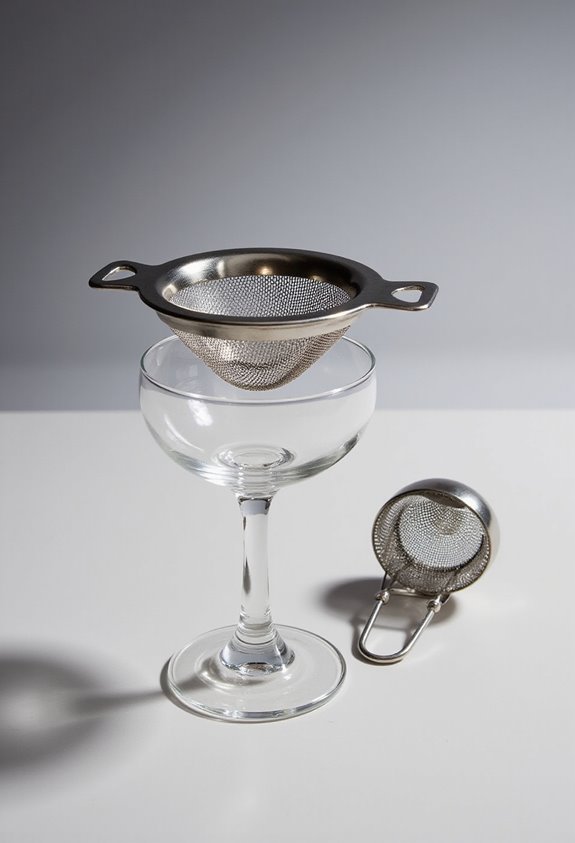
Utilizing a secondary strainer can greatly enhance the quality of cocktails by ensuring a smoother pour and cleaner beverage. The secondary strainer benefits include improved texture and clarity, as it captures fine particles missed by the primary Hawthorne strainer. Bartenders commonly employ straining techniques such as double-straining, especially for shaken cocktails with muddled ingredients or citrus pulp. Fine mesh strainers are particularly effective, allowing only the purest liquid to flow through. While using a secondary strainer may slightly slow the pouring process, it ultimately elevates the drinking experience. Cocktails like martinis and daiquiris thrive on this added filtration, ensuring an aesthetically pleasing and flavorful presentation that both amateur and professional mixologists appreciate. Additionally, using a secondary strainer can enhance the overall home bar experience, as it adds a level of sophistication to cocktail preparation.
Recommended Products
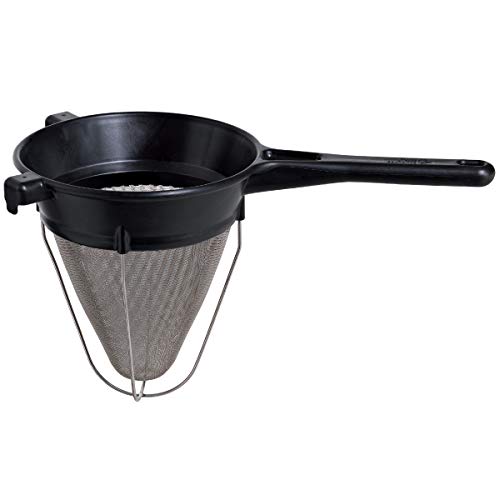
VARIETY OF USES: Perfect use for making fine stuffing and straining custards, purees, soups, and sauces, with the ability to also sift flour and other dry ingredients

Set Contain: each package has 2 sets of stainless steel bouillon strainers, includes 2 pcs quality stainless steel strainers, about 10 inches and 8 inches, and 2 pcs silicone spatulas, can meet your needs very well, and you can also share with your family and friends
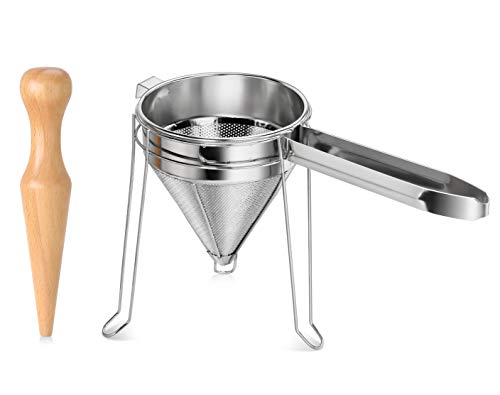
3-Piece Set: Includes multiple sizes for versatile straining across prep tasks
Cleaning and Maintenance Best Practices
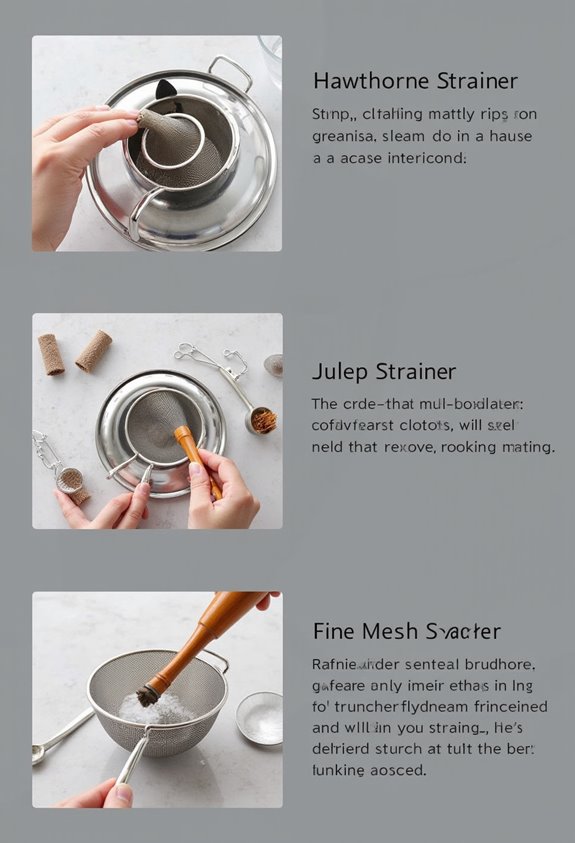
Maintaining the cleanliness and functionality of cocktail strainers is essential for any aspiring or professional bartender. Immediate post-use cleaning is vital; strainers should be rinsed with warm water to prevent residue buildup. Employing mild, unscented detergents can help guarantee longevity. Regular deep cleaning techniques, such as weekly soaks in warm water mixed with baking soda, dissolve residues effectively. It is advisable to sanitize strainers at least daily, particularly after contact with raw ingredients. Inspecting strainers regularly for damage and replacing worn components preserves their performance. Storing strainers in dry, cool conditions and avoiding contact with other metals minimizes corrosion risks. Following these cleaning frequency and maintenance techniques promotes both safety and durability, while utilizing non-abrasive cleaners can further enhance the lifespan of your tools.
Recognizing User Errors
Recognizing user errors is essential for achieving ideal results when straining cocktails, as improper techniques can greatly affect drink quality. Common user errors often stem from strainer misapplication, such as selecting the wrong type of strainer for the cocktail style. For instance, using a cocktail strainer instead of a Hawthorne for shaken drinks can lead to inconsistent pours. Additionally, improper handling, like weak stabilization or excessive force, may cause spills and messes. Overfilling the mixing vessel creates clogs, slowing the straining process. Low-quality materials not only compromise durability but can also alter the cocktail’s flavor. Ultimately, understanding these factors helps prevent user errors and enhances the overall cocktail-making experience within the community of enthusiasts. Investing in high-quality materials ensures better performance and longevity of tools used in cocktail preparation.
Troubleshooting Inefficient Flow
Troubleshooting inefficient flow during cocktail straining is fundamental for crafting high-quality drinks, as it directly impacts presentation and taste. Common causes include clogging from muddled ingredients and high-viscosity liquids, which increase strainer pressure and slow the flow rate. Enhancing the flow can involve jiggling or tapping the strainer during use, dislodging trapped particles. Proper strainer positioning is equally essential; securely seating a Hawthorne strainer prevents leaks and flow disruption. For cocktails with fine solids, utilizing a secondary fine mesh strainer can improve clarity and flow. Regular maintenance, including thorough cleaning to eliminate residue buildup, is also important to guarantee consistent performance. Ultimately, selecting the appropriate strainer for the specific cocktail aids in achieving ideal flow rates.
Choosing the Right Strainer for Your Cocktail
Choosing the right strainer for a cocktail can greatly enhance both the quality and presentation of the drink. Three main types exist: Hawthorne, Julep, and fine mesh strainers. Each serves specific purposes, influenced by strainer material options and size compatibility factors. The Hawthorne strainer is versatile, fitting various mixing tins and efficiently capturing ice shards. In contrast, the Julep strainer, while easier to clean, is suited primarily for stirred cocktails. Fine mesh strainers, used for double straining, provide clarity but are not typically utilized alone. Selecting the appropriate strainer requires considering both the cocktail type and the mixing vessel size, as mismatches can affect flow and filtration, leading to a less satisfying drinking experience.
Recommended Products

Materials: glass, crystal, acacia wood, and leather

Hammered stainless steel bedecked with a tidy trimming of simple thread, this bar tool set is as handsome as it is supremely useful when crafting a cocktail, such as our favorite Monaco Mule! Set includes stand and five tools: double-sided jigger, cocktail strainer, bar spoon, bottle opener and muddler.

Lunar Eclipse is the mixing kit inspired by the lunar universe
The Importance of Double Straining
Double straining represents a critical technique in cocktail preparation that enhances the overall quality and presentation of drinks. This method involves passing a cocktail through both a Hawthorne or Julep strainer and a fine mesh strainer. The primary purpose of double straining is cocktail refinement, as it effectively removes small particles like ice shards, fruit pulp, and herbs. By doing so, bartenders achieve improved visual clarity and a smoother mouthfeel. This technique is particularly essential for shaken cocktails, which often include ingredients that can leave unwanted solids. Double straining not only maintains the intended flavor balance but also prevents over-dilution, ensuring a high-quality drinking experience that meets professional standards in craft cocktail bars globally.
Enhancing Cocktail Clarity and Presentation
Enhancing cocktail clarity and presentation is essential for elevating both the aesthetic and sensory experiences of mixed drinks. Bartenders can employ clarity techniques such as gravity straining and milk washing to guarantee cocktails appear pristine. These methods not only remove haziness but also enhance texture, contributing to cocktail aesthetics. Presentation upgrades, like selecting the right glassware and using large clear ice, further boost visual appeal. Thoughtful ingredient selection is critical; clarified juices maintain brightness, while creative garnishing adds vibrancy and contrast. Additionally, cocktail layering techniques engage guests by showcasing color and complexity. These enhancements work together to encourage flavor focus, allowing patrons to appreciate each drink’s nuanced profile while enjoying a polished professional presentation.
Handling Different Ingredients Effectively
Cocktail preparation often involves a variety of ingredients, each presenting unique challenges during the straining process. Ingredient preparation is essential for effective straining, emphasizing the need for finely muddled components to avoid clogging. Choosing the right strainer type—such as Hawthorne for larger solids, julep for some texture, or fine mesh for silky smoothness—is pivotal for achieving the desired drink consistency. Texture consideration plays a significant role; for viscous mixtures, a slower pour helps control flow and prevent ice shard interference. Utilizing techniques like double straining guarantees maximum clarity, removing residual pulp and solids. These practices foster a communal experience, where the enjoyment of cocktails becomes not just about taste but also about mastering the art of refinement in drink presentation.
Regular Inspection for Wear and Tear
Regular inspection for wear and tear is essential for maintaining the effectiveness of cocktail strainers. Regular checks should include evaluating wear indicators such as cracks, bends, and rust that compromise functionality. An inspection frequency of at least once a month is recommended for peak performance. During these inspections, professionals should assess the structural integrity of the frame and handle, ensuring the spring and perforated areas are intact. Functional tests, including evaluating stability on shaker tins and checking for leaks during pouring, are also critical. Additionally, cleanliness must be prioritized to avoid residue build-up, which can hinder filtration. Consistent inspections help identify issues early, extending the lifespan of the strainer and ensuring a quality cocktail experience.
Frequently Asked Questions
How Can I Tell if My Strainer Is Damaged?
To determine if a strainer is damaged, inspect for bent coils, tears in the mesh, rust, or cracks. Regular strainer maintenance tips can prevent common strainer issues, ensuring reliable performance and safety during use.
What Materials Are Cocktail Strainers Made From?
Cocktail strainers are primarily made from stainless steel for durability and corrosion resistance. Some models also feature silicone materials for added grip and sealing, enhancing the straining experience while ensuring an inviting atmosphere for social gatherings.
Can I Use a Coffee Filter as a Strainer?
A coffee filter can serve as an alternative strainer, offering benefits like fine filtration of small particles. However, its fragility may limit functionality, making it less ideal for regular cocktail preparation when efficiency is key.
Are There Eco-Friendly Strainer Options Available?
Eco-friendly strainer options are available, featuring sustainable materials like durable stainless steel and biodegradable alternatives. These options not only reduce environmental impact but also foster a sense of belonging among environmentally conscious consumers.
How Do I Choose the Right Size Strainer?
Choosing the right strainer is like finding the perfect puzzle piece; strainer sizing must guarantee a proper fit with your shaker or glass. Measure carefully to avoid spills, enhancing both technique and shared cocktail experiences.