As an Amazon Associate, we earn from qualifying purchases. Some links on this site are affiliate links at no extra cost to you. Our recommendations are based on thorough research and editorial judgment.
When Should I Replace My Cocktail Shaker?

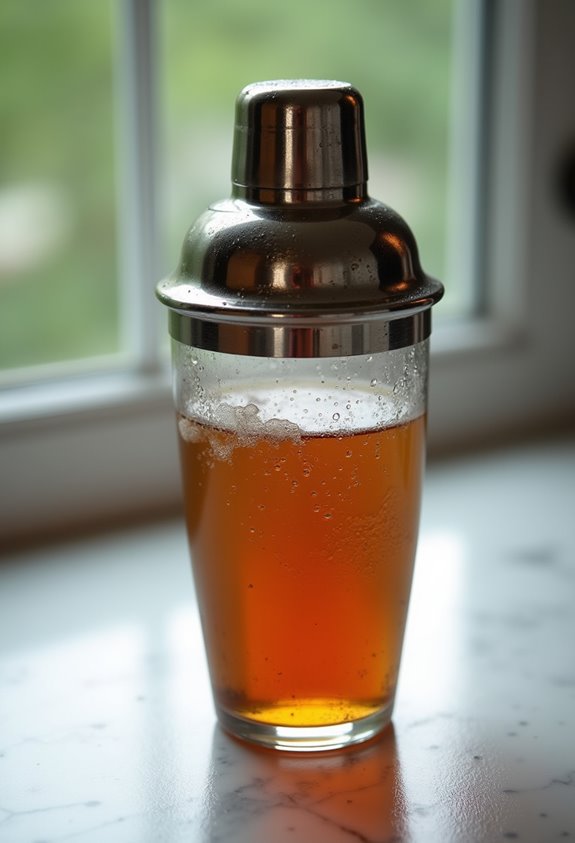
A cocktail shaker should be replaced when it shows significant wear, such as surface cracks, rust, or seal failure. Compromised seals can lead to leakage, affecting drink quality. A decline in functional performance, such as poor ice agitation or metal deformation, also warrants replacement. Frequent users may need to replace shakers every 1 to 2 years, while occasional users can last over 3 years. Understanding these factors can aid in determining the right time for replacement. More insights follow.
Key Takeaways
- Replace your cocktail shaker if you notice surface cracks that pose laceration hazards or indicate degradation.
- If the seal is ineffective and leads to leakage during shaking, it’s time for a replacement.
- Frequent ice sticking or uneven rim smoothness suggests metal deformation, warranting a new shaker.
- Maintain hygiene; if sanitation becomes challenging due to wear, consider replacing your shaker.
- For high-frequency users, replace shakers every 1 to 2 years, while occasional use shakers can last over 3 years.
Signs of Wear and Damage
Cocktail shakers, essential tools for bartenders, must be monitored for signs of wear and damage to ascertain peak performance. Common issues include surface cracks and structural dents, which can impede function and pose safety risks. For instance, cracks on glass shakers raise laceration hazards, while metal rust issues indicate serious degradation signs affecting hygiene. Seal failure often results from worn or damaged seals, leading to leaks and undermining cocktail quality. Additionally, scratches and abrasions may not hinder functionality but detract from aesthetic appeal, potentially harboring contaminants. Repeated use may also diminish decorative finishes, prompting a need for replacement. Regular inspection of these indicators is crucial to assure a consistently enjoyable cocktail experience for patrons. Investing in a quality cocktail shaker set can help minimize these issues and enhance your bartending experience.
Functional Performance Decline
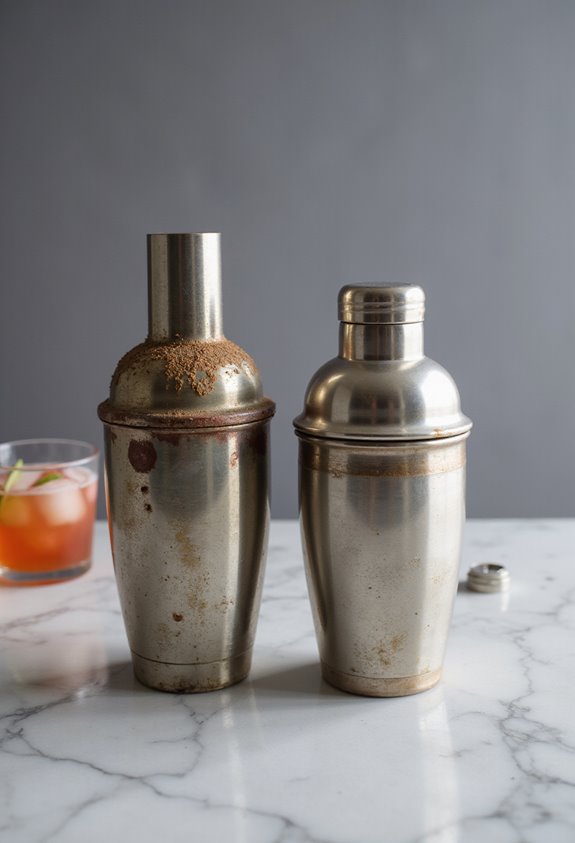
When a cocktail shaker begins to show signs of functional performance decline, it can greatly affect the quality of drink preparation. A compromised seal effectiveness often leads to leakage during shaking, reducing mixing efficiency and creating messes. Issues such as uneven rim smoothness and frequent tin sticking indicate metal deformation affecting sealing surfaces. In addition, thermal retention may suffer if cracks or weakened welds compromise insulation, causing cocktails to warm prematurely. Insufficient chilling from poor ice agitation can leave drinks improperly mixed. Users may notice a change in cocktail texture, signaling altered aeration. Ultimately, a decline in shaker function can affect drink consistency, preparation time, and overall quality, underscoring the need for timely replacement. Regularly inspecting for high-quality materials can help prevent these issues and ensure optimal performance.
Hygiene and Maintenance Issues
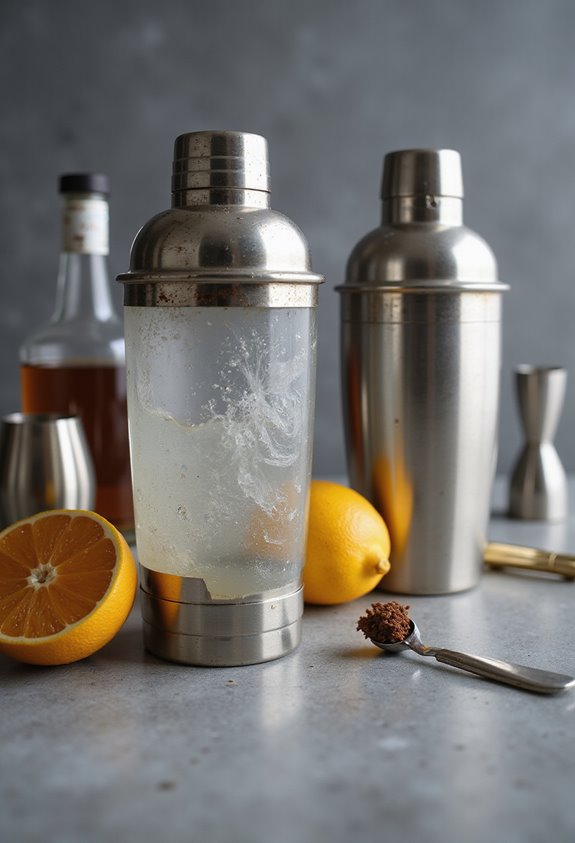
Hygiene and maintenance issues greatly impact the effectiveness and longevity of cocktail shakers. Implementing proper hygiene practices is vital to avoid bacterial growth and maintain a sanitary environment for cocktail preparation. Immediate rinsing after use prevents residue buildup, while warm, soapy water serves as an ideal cleaning solution. It is critical to avoid harsh chemicals, as they can corrode stainless steel and lead to rust. Regular maintenance strategies, such as submerging components in boiling water for sanitization, protect against harmful bacteria. Additionally, replacing worn rubber rings guarantees safe usage. By promptly addressing hygiene and maintenance, users can enhance the lifespan and functionality of their cocktail shakers, fostering a credible environment for mixing drinks. Having a set of essential bar tools not only improves efficiency but also ensures that all components are well-maintained.
Frequency of Use and Material Quality
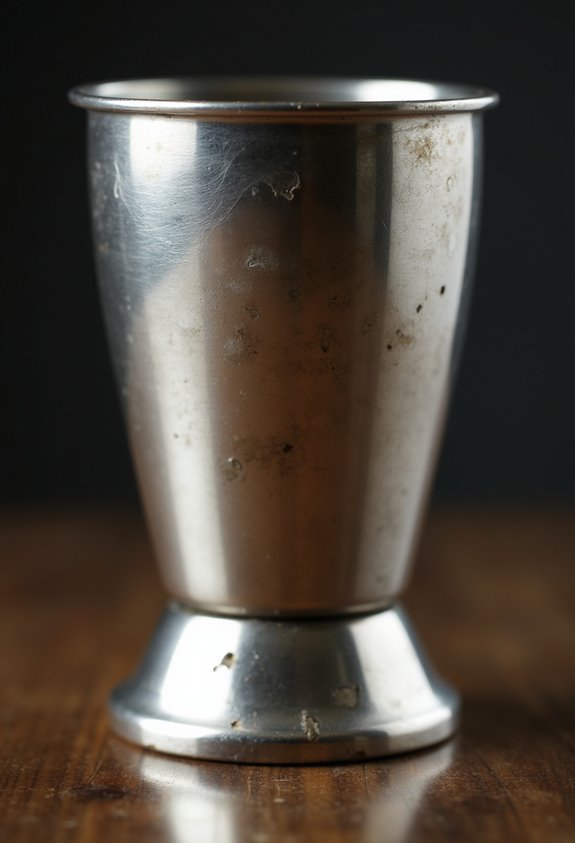
How frequently a cocktail shaker is used can greatly influence its longevity and effectiveness. Frequent users, such as professional bartenders, may need to replace their shaker every 1 to 2 years to maintain ideal performance. In contrast, occasional users can often keep their shakers for over 3 years. Material variations greatly affect durability; for example, stainless steel shakers are less prone to corrosion compared to lower-quality metals or glass varieties, which may crack or degrade. High-frequency users benefit from choosing durable shaker types—like Boston-style stainless steel shakers—while infrequent users might opt for more aesthetic options. Additionally, material quality is essential in determining how often one should consider a replacement. Ultimately, understanding one’s usage pattern and the respective materials is essential for determining replacement timing.
Replacement Parts Availability
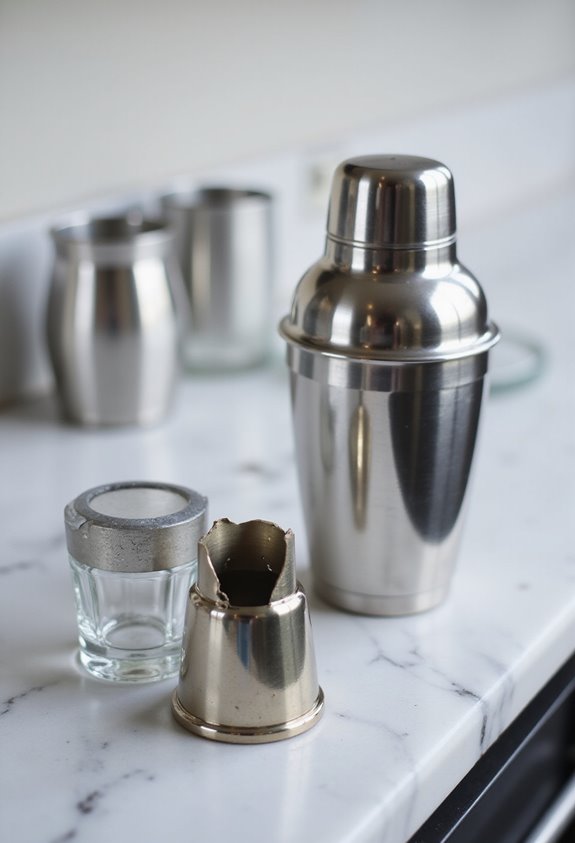
The longevity of a cocktail shaker can be greatly increased through the availability of replacement parts, which are widely accessible in various online marketplaces and specialty stores. Replacement lids can be conveniently purchased from sites like Snowfox and Etsy, with varieties including vintage and custom styles. Many options are priced around $10, making replacement affordable. Additionally, gasket options such as silicone seals are essential for preventing leaks and are sold in sets. While some parts are model-specific, manufacturers often provide responsive customer service for quick replacements. Specialty stores cater to both enthusiasts and professionals, ensuring the availability of essential components. This accessibility allows users to maintain their shakers without incurring the cost of full replacements, especially when considering high-quality materials that contribute to durability.
Cosmetic Considerations and User Preferences
While some cocktail shakers may still function effectively, users often consider cosmetic factors when deciding to replace their barware. Current design trends favor colorful, vibrant shakers adorned with thematic prints that resonate with aesthetic preferences. As tastes evolve, many opt for customized options that express personal style. Common reasons for replacement include wear, fading, and scratches that compromise visual appeal. Stainless steel shakers can exhibit signs of tarnish or rust, affecting both their hygiene perceptions and elegance. Additionally, a polished finish may lose its sheen, prompting a desire for a refreshed look. To maintain a cohesive bar setup, users frequently align their shakers with their kitchen décor, reflecting both personal identity and current trends in cocktail craftsmanship. Investing in high-quality stainless steel tools can ensure durability and a positive mixing experience over time.
Frequently Asked Questions
How Often Should I Clean My Cocktail Shaker?
Cocktail shakers should be cleaned immediately after each use for maximum maintenance. Following proper cleaning frequency and maintenance tips guarantees hygiene, prevents odors, and prolongs the shaker’s life, fostering a welcoming atmosphere for cocktail enthusiasts.
Can I Repair My Shaker Instead of Replacing It?
Most cocktail shakers can be repaired using effective techniques, as nearly 70% of repairs are successful. With proper care, one can enhance shaker durability, creating a lasting bond within the cocktail crafting community.
What Are the Benefits of Using a Hybrid Shaker?
Hybrid shakers enhance mixing efficiency with innovative features like leak-proof designs and built-in measurements. These shakers foster a sense of belonging among cocktail enthusiasts, simplifying drink preparation while ensuring perfect results every time.
Are There Specific Materials to Avoid in Shakers?
When selecting a cocktail shaker, avoid plastic and fragile glass, prioritizing materials that guarantee durability and safety. Metal options should resist rust and corrosion, promoting both health and enhanced cocktail experience for enthusiastic mixologists.
How Do I Choose the Right Size Shaker for My Needs?
Choosing the right shaker involves considering shaker dimensions and cocktail portioning. For personal enjoyment or gatherings, select a size that balances ingredient volume, serving number, and comfort to enhance both mixing pleasure and social connection.