As an Amazon Associate, we earn from qualifying purchases. Some links on this site are affiliate links at no extra cost to you. Our recommendations are based on thorough research and editorial judgment.

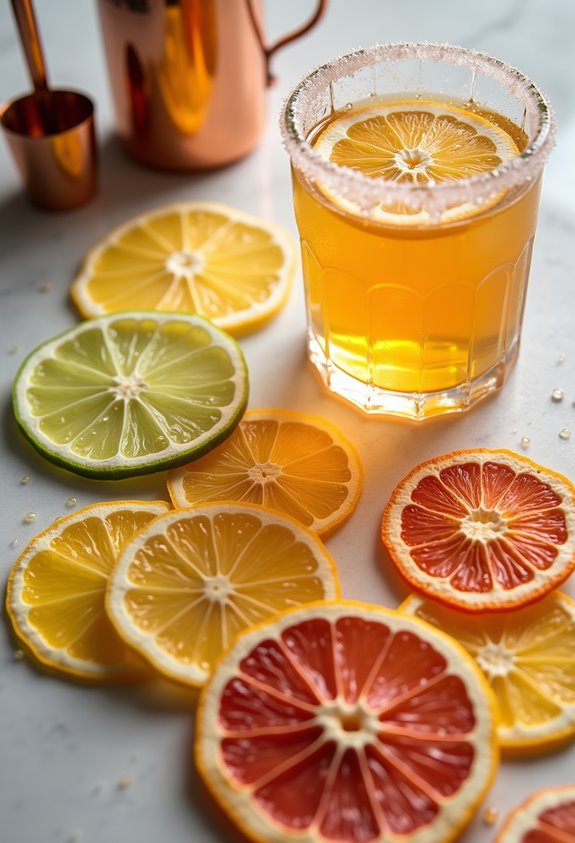
How To Preserve Fresh Citrus For Bartending?

To preserve fresh citrus for bartending, utilize methods like the Super Juice technique, which increases yield and flavor longevity. Fresh citrus juice typically lasts only 2 to 3 days when refrigerated. Dehydrating citrus at controlled temperatures can extend shelf life for months. Additionally, fermenting whole fruits in a salt brine enhances their flavor profile. Implementing these techniques can reduce waste and improve cocktail quality. Further insights on maximizing citrus usage to sustain freshness can expand operational efficiency.
Key Takeaways
- Store fresh citrus juice in airtight containers to minimize oxidation and extend shelf life by up to 2-3 days when refrigerated.
- Utilize the Citrus Stock Method to double juice yield while maintaining freshness for 2-3 days.
- Employ the Super Juice Technique by incorporating citrus peels, extending juice life up to 7-10 days and enhancing flavors.
- Dehydrate citrus for long-lasting garnishes that retain flavor and visual appeal, lasting several months in an airtight container.
- Implement fermentation with whole citrus in a salt brine to create unique flavors, preserving ingredients and extending their culinary applications.
Understanding Citrus Juice Shelf Life
Understanding the shelf life of citrus juice is essential for ensuring both quality and safety. Fresh lemon and lime juice lasts approximately 2 to 3 days when refrigerated, while orange juice typically lasts around the same duration. Significantly, citrus oxidation occurs when juice is exposed to oxygen, rapidly degrading flavor. The activity of natural enzymes can alter the taste, often providing a fresher flavor shortly after juicing, but quality declines thereafter. Juices stored in airtight containers help mitigate exposure to air and bacteria, extending shelf life. To maintain ideal quality, refrigeration at or below 40°F is critical. Bartenders should be aware that flavor degradation can negatively impact cocktail quality, emphasizing the need for timely use. Additionally, understanding juicing efficiency and capacity can help bartenders prepare the right amount of juice to minimize waste and maintain freshness.
Benefits of the Super Juice Method
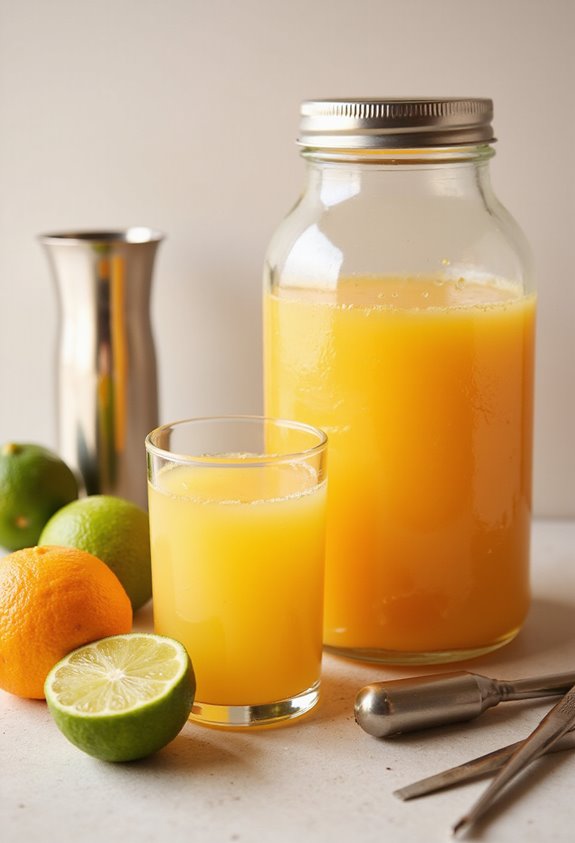
The Super Juice method offers bartenders a revolutionary approach to citrus juice preparation, maximizing yield while reducing waste. By extracting up to eight times more juice per fruit, this method enhances super juice efficiency. Incorporating citrus peels allows for richer flavor profiles, blending fresh juice with natural aromatic oils. Using citric and malic acids not only boosts perceived freshness but simplifies consistent flavor enhancement across batches. Additionally, this technique reduces raw ingredient costs and helps conserve storage space, making it ideal for both mobile and craft bars. By decreasing fruit waste, bartenders align their operations with sustainable practices, supporting eco-conscious initiatives. Overall, the Super Juice method stands as a game changer for mixing vibrant cocktails while maintaining quality and cost-effectiveness. Furthermore, utilizing ergonomic designs in juicing tools can significantly improve the efficiency and comfort of the juicing process.
Dehydrating Citrus for Extended Use
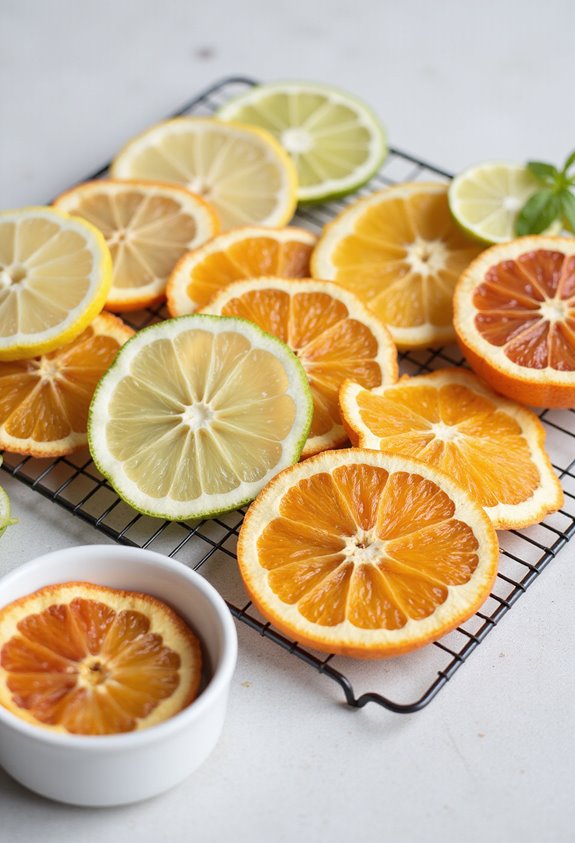
Dehydrating citrus fruits represents a practical solution for extending shelf life while enhancing the versatility of ingredients in bartending. Employing effective dehydration techniques allows bartenders to transform firm, ripe citrus selections into dried garnishes. Initially, fruits should be washed, sliced thinly, and arranged in a single layer on dehydrator racks. Using a food dehydrator provides ideal results, operating at temperatures of 57–68°C for 8 to 16 hours. Properly dried citrus can last several months when stored in airtight containers in cool, dry conditions. Bartenders benefit from dehydrated garnishes, as they maintain visual appeal and concentrated flavor without compromising drink balance. This preparation not only enhances presentation but also streamlines service during busy hours, fostering a sense of camaraderie among staff. Additionally, using high-quality ingredients in cocktails ensures that even dehydrated garnishes contribute to an elevated drinking experience.
Recommended Products

ELECTRIC PRESERVER: Finally, a multi-tiered countertop electric food dehydrator that can preserve varieties of food! It produces nutritious food with very simple preparation. Prevent food to spoil and go to waste with the new NutriChef food preserver

STAINLESS STEEL DEHYDRATOR FOR HOME AND BUSINESS USE: This commercial-grade dehydrator features a 20-layer design and a powerful 1600W motor, all while operating quietly at under 50dB. Its sturdy stainless steel construction is easy to clean, with dishwasher-safe trays for added convenience

Batch Dehydrating Made Simple: Food Dryer with 8 spacious stainless steel trays, you can dry beef strips, pineapple rings, and rosemary simultaneously. This food dehydrator machine handles your entire weekly surplus in one go, delivering jerky, fruit chips, and dried herbs without multiple runs.
Fermenting Whole Citrus for Preservation
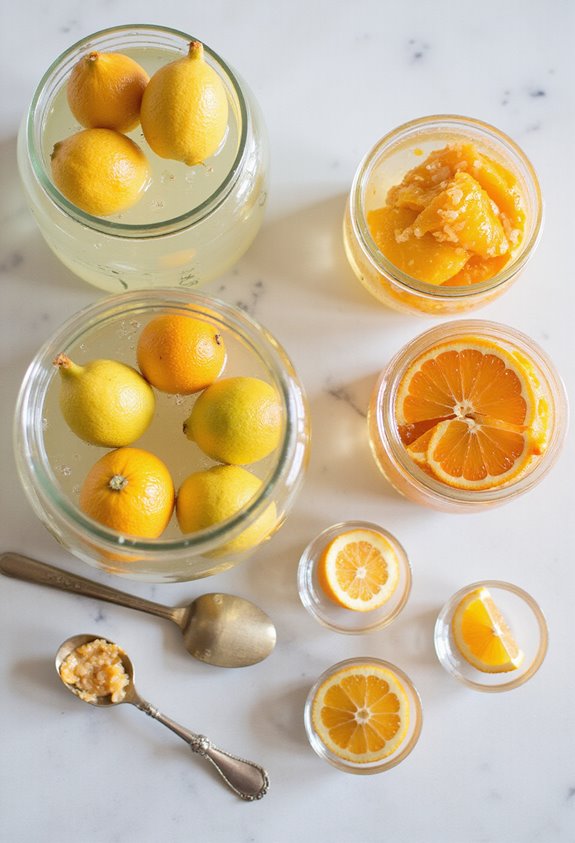
Fermenting whole citrus fruits offers a compelling method for preservation, enhancing flavors while providing diverse culinary applications. This fermentation process begins with fresh, ripe citrus varieties, such as lemons, limes, or mandarins, which must be thoroughly washed. Each fruit is prepped by cutting them to maintain structure, then salted to draw out juices. The packed citrus should be submerged in a 3% salt brine to prevent spoilage, ensuring an anaerobic environment. Preferable fermentation occurs at room temperature over 2–3 days, extending to 4–8 weeks for peak flavor development. Regularly burping jars during fermentation is essential for releasing gas, which helps prevent mold. Ultimately, this method yields a unique, tangy profile ideal for enriching cocktails, much like how self-cleaning features in ice makers enhance convenience and hygiene in kitchen settings.
Recommended Products

🍺 CONSISTENT RESULTS - Unlike those expensive 1 gallon kits, our 2 gallon recipes take just minutes to prepare and the results are scary-good! Don't be fooled by competitors messy, time consuming kits that use a jug or bucket. Our patented pro-style conical fermenter and easy-to-use recipes, produce a wicked-good result every time you brew.

🍺 CONSISTENT RESULTS - Unlike those expensive 1 gallon grain kits, our 2 gallon recipes take just minutes to prepare and the results are scary-good! Don't be fooled by competitors messy, time consuming kits that use a jug or bucket. Our patented pro-style conical fermenter and easy-to-use recipes, produce a wicked-good result every time you brew.
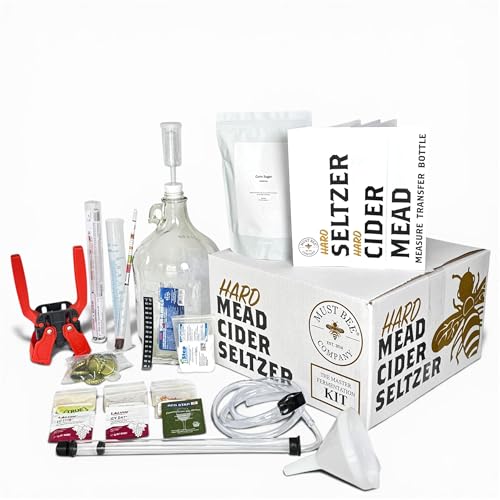
Mead: What is it? Fermented honey, water and yeast. But not like pickles or kambucha. Mead making is unique to brewing beer or wine. It's an ancient method to convert the sugars in honey into an entoxicating beverage, coined Nectar of the Gods and you dont have to be a Viking to enjoy it! Mead is a delicate beverage with floral complexity and is simular to a white wine.
Citrus Peel Infusions in High-Proof Alcohol
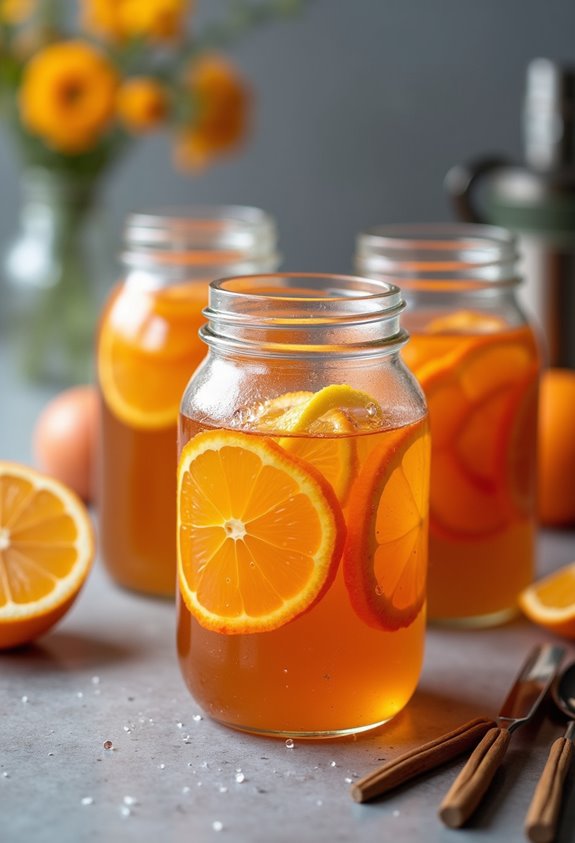
Citrus peel infusions in high-proof alcohol offer a method for extracting vibrant flavors from citrus fruits, prominently enhancing culinary experiences. The process involves using high-proof neutral spirits, such as Everclear or vodka, which efficiently facilitate citrus oil extraction from the zest while avoiding the bitter pith. The ideal infusion ratio is approximately 1:1 by volume, with typical infusion times ranging from one week to 30 days. Once infused, these spirits can serve as unique flavoring agents in cocktails or as standalone drinks. High proof preservation guarantees that the infused alcohol maintains its quality for months, providing bartenders with a versatile ingredient that can elevate various beverages while also reducing waste through repurposed citrus peels. Additionally, the use of high-quality crystal glasses can enhance the overall experience of serving these infused spirits, making for a visually appealing presentation.
Recommended Products
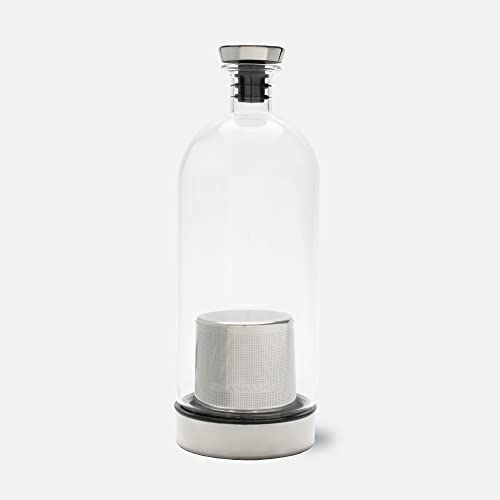
ALKEMISTA drink infusion kit helps you create and store handcrafted spirits with a simple single-bottle design. After infusing, transform this vessel into a sleek decanter for your creations.

INFUSE SPIRITS WITH FLAVOR – Customize liquor with herbs, spices, and botanicals using the 2-piece stainless steel perforated infuser and filtration rod. Works with whiskey, gin, vodka, rum, tequila, brandy, bourbon, scotch, and more.

Zero Proof Paloma Mocktails: A cult favorite, our zero sugar, non-alcoholic Paloma is a bright libation with vibrant citrusy notes and just a refreshing hint of bubbles. Enlivened with organic Reishi mushroom to soothe the spirit and quality ingredients for a night you won’t forget. 12-pack
Clarifying Citrus Cocktails for Longevity
While crafting cocktails that feature bright citrus flavors, bartenders can enhance the longevity and visual appeal of their creations through various clarification techniques. Enzymatic clarification using pectinase like Pectinex Ultra SP-L effectively breaks down cloudiness, allowing for precise removal of solids without sacrificing flavor. The milk washing technique offers another option, allowing proteins to bind with suspended solids, resulting in a creamy, stable cocktail that can last weeks. Agar clarification encapsulates sediments, providing clear citrus juices with extended usability. Each method greatly improves flavor enhancement and shelf life, enabling pre-batching for convenience. Ultimately, clarified citrus cocktails maintain their aesthetic and taste, ensuring they are suitable for both service and storage in creative mixology settings. Additionally, using fresh ingredients can enhance flavor profiles by up to 40%, further contributing to the quality of clarified cocktails.
Recommended Products

Increases juice yield. Destroys haze-causing pectin cells

SYSTEMIC ENZYMES - Systemic Enzymes Supplement is a specialized blend of potent enzymes in gastro-resistant capsules for a greater bioavailability.

Fruit juice processing: Helps keep juice clear, reduce cloudiness, and get more juice from fruits like apple, grape, citrus, mango, and berries
Tips for Maximizing Fresh Citrus Usage
Maximizing the use of fresh citrus is crucial for enhancing flavors and minimizing waste in both home kitchens and professional bars. Bartenders can employ citrus zesting techniques using a fine microplane to capture essential oils, elevating cocktails’ taste. Additionally, rolling citrus before juicing can yield up to a 20% increase in juice extraction. The use of both mechanical presses and hand squeezing maximizes output while maintaining juice quality. Storing freshly squeezed juice in airtight glass containers prevents oxidation and preserves flavors for up to 48 hours. Furthermore, combining juice with peel oils or creating citrus-infused syrups ensures the full utilization of citrus, effectively reducing waste and maximizing the potential of every fruit.
Creative Ways to Use Leftover Citrus Peels
Many culinary enthusiasts and bartenders seek innovative ways to utilize leftover citrus peels, transforming what would typically be discarded into valuable ingredients. Dried citrus peels enhance beverages like teas and mulled drinks by adding zest and aroma. Using minced dried peels with spices creates unique custom teas. Fresh peels can serve as elegant peel garnishes, twisted over drinks to release aromatic oils. Additionally, they function as natural cleaning agents due to their oil content, simplifying bar sanitation. Citrusy water infusions offer another invigorating option. Creative techniques, such as crafting peel shapes and utilizing them on cocktail picks, can elevate the aesthetic and sensory experience of cocktails while maximizing the use of every component.
Choosing the Right Preservation Method
Choosing the right preservation method for fresh citrus is essential in maintaining flavor and extending shelf life. The two popular techniques focus on maximizing citrus flavor enhancement while ensuring practical usage in cocktail presentation. The citrus stock method doubles juice yield, maintaining freshness for an additional 2-3 days when refrigerated. In contrast, the super juice technique, which involves using peels, extends juice life up to 7-10 days. Each method allows bartenders to utilize citrus efficiently, minimizing waste and optimizing resources. Both practices reflect a growing trend towards sustainability in bartending, proving indispensable for those seeking to create high-quality cocktails while adhering to best practices in freshness and flavor retention.
Sustainable Practices for Bars and Restaurants
Sustainable practices in bars and restaurants have gained prominence as establishments seek to reduce waste and enhance their environmental responsibility. Implementing real-time inventory management can minimize over-ordering, which reduces spoilage rates by up to 14%. Many bars now prioritize local sourcing, partnering with regional farmers to obtain fresh citrus, supporting community agriculture, and decreasing transportation emissions. Additionally, adopting sustainable packaging, such as compostable containers, further reduces reliance on single-use plastics. By training staff in zero-waste cocktail techniques, establishments maximize citrus usage, including employing peels and pulp in recipes. These strategies not only minimize waste but also foster a commitment to sustainability that resonates with patrons who value environmental stewardship in their dining and drinking experiences.
Frequently Asked Questions
Can I Freeze Fresh Citrus Juice for Later Use?
Yes, fresh citrus juice can be frozen for later use. By practicing proper citrus freezing techniques, individuals can enjoy the vibrant flavors of their frozen juice, making juice thawing an effortless process for their culinary adventures.
How Do I Tell if Citrus Juice Has Gone Bad?
Citrus juice, like a fading sunset, reveals spoilage through cloudiness, unusual sediment, sour aromas, or bitter tastes. Recognizing these indicators during storage fosters a sense of community, protecting oneself and others from potential health risks.
What Are the Best Citrus Fruits for Juicing?
The best citrus varieties for juicing include Persian limes and Eureka lemons, praised for their flavor and yield. Utilizing effective citrus juicing techniques enhances freshness, maximizing the enjoyment and quality of cocktails crafted by shared hands.
Can I Use Bottled Citrus Juice Instead of Fresh?
Though fresh often reigns supreme for vibrant flavor profiles, quality bottled citrus juice can seamlessly replace it in many cocktails, balancing convenience with taste. Bartenders may choose based on their individual needs and cocktail demands.
How Can I Enhance the Flavor of Stored Citrus Juice?
To enhance the flavor of stored citrus juice, one can experiment with flavor infusions and juice combinations. Blending different citrus varieties elevates taste and complexity, creating a more inviting experience for shared cocktails among friends.