As an Amazon Associate, we earn from qualifying purchases. Some links on this site are affiliate links at no extra cost to you. Our recommendations are based on thorough research and editorial judgment.

Is Homemade Grenadine Better Than Store-bought?

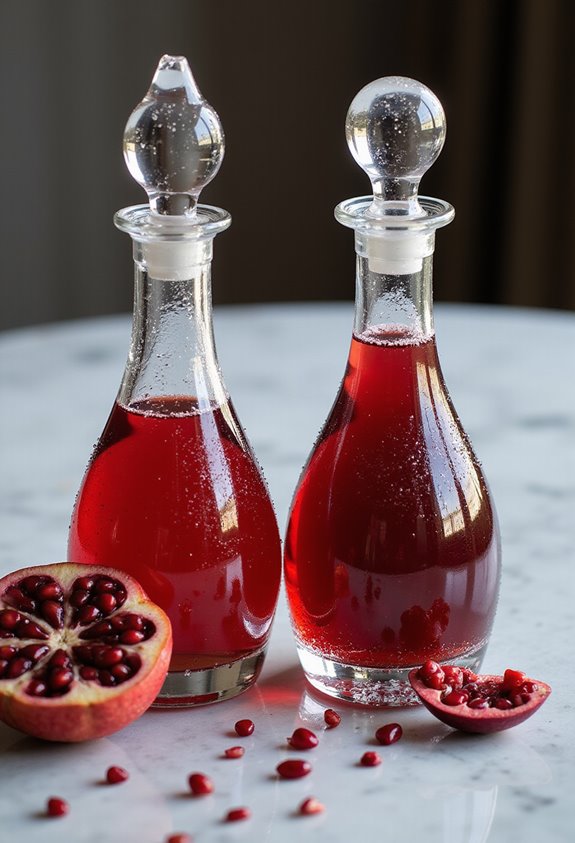
Homemade grenadine often outperforms store-bought varieties regarding flavor, ingredient quality, and freshness. It typically consists of pure pomegranate juice and sugar, resulting in a vibrant taste. In contrast, many commercial brands utilize artificial flavorings and high fructose corn syrup, compromising authenticity. While homemade versions require about 15 minutes to prepare, they offer richer texture and shelf life of up to one month. Further insights on the distinctions between these two options can be explored.
Key Takeaways
- Homemade grenadine offers a vibrant fruit intensity and balanced sweetness from real pomegranate juice, surpassing the artificial flavors of most store-bought brands.
- The shelf life of homemade grenadine is only up to one month, while store-bought varieties can last 18-24 months unopened.
- Homemade grenadine is more affordable, costing under $5 for multiple servings compared to store-bought prices ranging from $5 to $20.
- Preparation of homemade grenadine takes about 15 minutes, while store-bought options provide convenience with no preparation time needed.
- Consumers often prioritize taste and ingredient integrity, leading many to prefer homemade grenadine over the artificial formulations of commercial brands.
Shelf Life and Preservation
Grenadine syrup, whether homemade or store-bought, varies considerably in shelf life and preservation methods. Store-bought grenadine can last 18-24 months unopened when stored in a cool, dark place. Once opened, refrigeration can preserve its quality for 6-12 months. High sugar content acts as a natural preservative, enhancing its shelf stability. In contrast, homemade grenadine typically lasts up to one month due to the absence of commercial preservatives. Proper storage in airtight containers and refrigeration is essential for both types, as exposure to air and light deteriorates quality. Monitoring for signs of spoilage, such as off-odors or color changes, remains an essential preservation tip for consumers who value safety and quality in their syrups. Additionally, using unique flavors in homemade grenadine can enhance both its taste and appeal.
Flavor Profile Differences
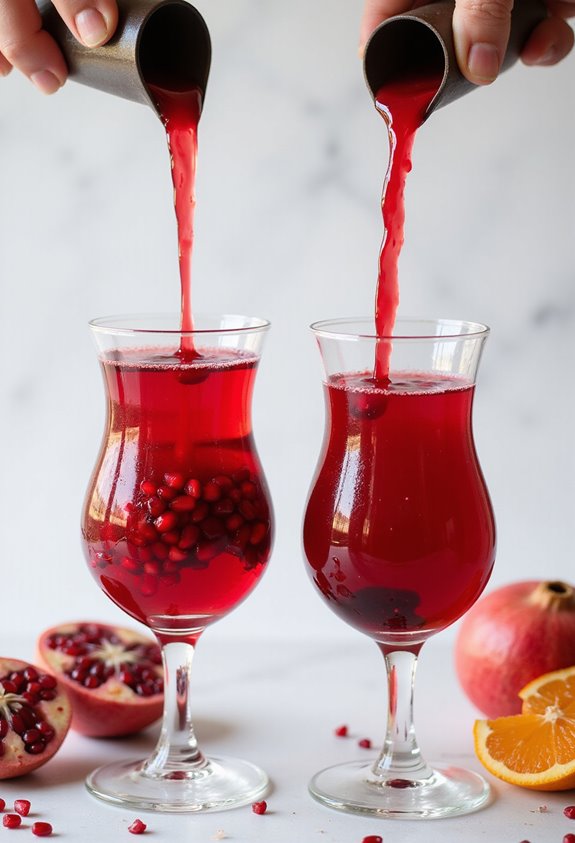
Often, the flavor profile differences between homemade and store-bought grenadine highlight variations in freshness, sweetness, and texture. Homemade grenadine typically boasts a more vibrant fruit intensity, derived from real pomegranate juice, resulting in a natural fruit brightness. In contrast, store-bought versions often rely on artificial flavorings, yielding a cloying sweetness that masks genuine fruit notes. The sweetness balance in homemade grenadine is customizable, allowing for a desirable tartness to shine through. Meanwhile, commercial brands frequently use high-fructose corn syrup, detracting from complexity and depth. Additionally, homemade grenadine’s thicker viscosity provides a richer texture, enhancing its appeal in cocktails. Consequently, the flavor profiles differ considerably, affecting not only taste but also overall drink experience. This difference in flavor can be likened to the unique complex flavor profile of Angostura bitters, which enhances the depth of cocktails.
Ingredients and Composition
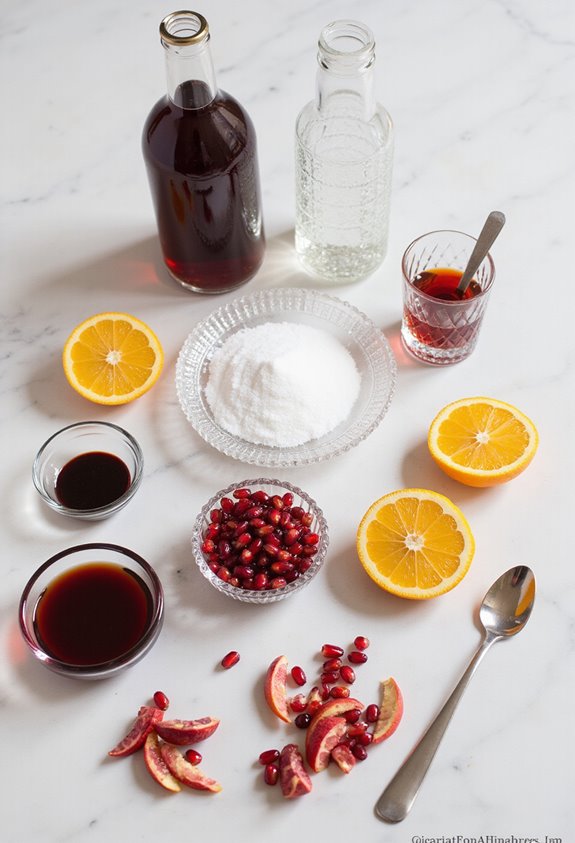
The distinction in flavor profiles between homemade and store-bought grenadine is largely influenced by their ingredients and composition. Homemade grenadine typically comprises pure pomegranate juice and white granulated sugar, offering a rich and authentic flavor. In contrast, many store-bought versions rely on ingredient sources like high fructose corn syrup, which diminishes the natural fruit essence. Composition differences are evident, as commercial products often include artificial colors, such as Red 40, and flavorings to mimic the taste of real pomegranate. While some artisanal options use cane sugar and natural extracts, they still often lack the nutrient density found in homemade varieties. Ultimately, the choice hinges on a consumer’s preference for authentic flavor versus commercially convenient options. Additionally, many flavored syrups, like Torani Sugar Free, provide low-calorie alternatives that cater to health-conscious consumers, highlighting the variety in syrup choices available.
Recommended Products

𝗘𝗳𝗳𝗼𝗿𝘁𝗹𝗲𝘀𝘀 𝗪𝗲𝗹𝗹𝗻𝗲𝘀𝘀 𝘄𝗶𝘁𝗵 𝗦𝗵𝗶𝗹𝗮𝗷𝗶𝘁 𝗚𝘂𝗺𝗺𝗶𝗲𝘀: The Nutrotonic Authentic Himalayan Organic Shilajit Gummies offers an easy and hassle-free way to enjoy the benefits of shilajit. They are sweetened by premium-grade organic manuka honey for an even bigger boost.

5 packs x 2.65 oz (75 gr) Metal (Tin) Box. Approximate Total Net Weight 0.82 lbs = 375 gr

100% Pure Red Raspberry Concentrate – Crafted from premium red raspberries, our concentrate delivers the full, natural flavor of ripe raspberries with nothing added.
Preparation Methods
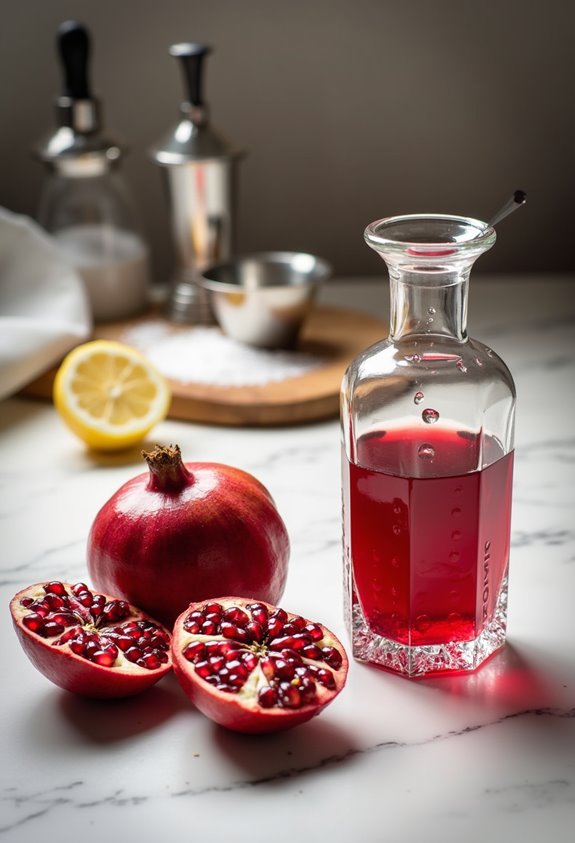
When preparing grenadine, the choice of juice source is crucial, as it directly influences the syrup’s final flavor and consistency. Fresh pomegranate juice, extracted using labor-intensive juicing techniques, offers a vibrant base. Alternatively, bottled 100% pomegranate juice provides convenience and consistent quality. The homemade process typically combines equal parts juice and sugar, heating gently until the sugar dissolves, creating a simple syrup. For depth, some incorporate pomegranate molasses and optional ingredients like citrus zest or orange blossom water. Further syrup reduction thickens the mixture, enhancing its brightness and viscosity. Careful temperature management is critical during this stage to avoid degrading flavor. Finally, using unbleached sugars can deepen the overall flavor profile of the grenadine. Additionally, opting for premium ingredients can significantly improve the overall drink quality of your grenadine syrup.
Recommended Products

LOADED WITH ANTIOXIDANTS, it's no wonder people are calling this Natures Joint Juice!

VERSATILE FLAVOR: Our beverage infusions are perfect for flavoring waters, hot teas, iced teas, seltzers, cocktails, mocktails, lemonades, sodas, sangrias, champagnes, and more.

Use in Cocktails and Culinary Applications

How does the choice between homemade and store-bought grenadine influence cocktail and culinary applications? Homemade grenadine offers a fresher, fruitier flavor profile, enhancing cocktail versatility with its real pomegranate juice. This freshness allows for the creation of complex flavors and a vibrant red color, elevating visual appeal in drinks. In contrast, store-bought options often rely on artificial ingredients, resulting in muted flavors that may lack the necessary balance. Additionally, homemade grenadine’s thickness supports better layering in cocktails, enhancing presentation. Beyond cocktails, its natural acidity enriches culinary creativity, pairing well with salad dressings and desserts. Conversely, the sweetness of store-bought syrups can overpower delicate dishes, limiting their culinary applications and contributing less to authentic flavor experiences. Furthermore, the quality of ingredients in homemade grenadine ensures a more health-conscious choice compared to commercial alternatives.
Cost and Convenience
Choosing between homemade and store-bought grenadine involves considering cost and convenience, significant factors for both casual home cooks and professional mixologists. Store-bought grenadine prices range from $5 to $20 per bottle, depending on quality and brand. In contrast, making homemade grenadine typically costs under $5 for a batch that yields multiple servings, representing a cost-effective solution. However, store-bought syrups offer convenient access through local groceries and online shops, requiring no preparation time. Homemade grenadine does necessitate a 15-minute commitment and should be used within weeks of preparation. For consumers prioritizing budget and freshness, the homemade option may be appealing, while those valuing immediate access may lean toward established brands or artisanal varieties, which often come at a premium. Additionally, creating homemade syrups allows for enhanced flavor profiles that can elevate drinks beyond standard offerings.
Customization and Control
Customization and control represent significant advantages when selecting homemade grenadine over its store-bought counterparts. Homemade grenadine allows users to select fresh pomegranate juice, resulting in a more authentic flavor. Unlike commercial versions, which often contain high-fructose corn syrup and artificial additives, homemade options can be tailored for health benefits by using natural sweeteners, like honey or agave. This customization also accommodates dietary restrictions since recipes can be adjusted for allergies or personal preferences. Additionally, consumers can control sweetness levels and syrup thickness, ensuring the final product meets individual taste and texture demands. This flexibility enhances the flavor profile, allowing for unique combinations that elevate drinks far beyond standard offerings available at stores.
Recommended Products

A Box Full of Delicious Treats - Savor the mouth-watering taste of true Turkish delights. Our tin can contains dozens of pieces of assorted pistachio, walnut, and hazelnut delights for you to enjoy! L size Metal (Tin) Box, Approximate Gross Weight 3.3 lbs = 1.5 kg = 37-40 pcs

A Box Full of Delicious Treats - Savor the mouth-watering taste of true Turkish delights. Our tin can contains dozens of pieces of assorted pistachio, walnut, and hazelnut delights for you to enjoy! L size Metal (Tin) Box, Approximate Gross Weight 3.3 lbs = 1.5 kg = 37-40 pcs

A Box Full of Delicious Treats - Savor the mouth-watering taste of true Turkish delights. Our tin can contains dozens of pieces of assorted pistachio, walnut, and hazelnut delights for you to enjoy! S size Metal (Tin) Box, Approximate Gross Weight 2.2 lbs = 1 kg = 23-27 pcs
Brand Comparisons and Options
The market for grenadine offers a variety of brands, each featuring distinct flavor profiles and ingredient compositions. Liber & Co. stands out for its authentic use of pomegranate juice and cane sugar, creating a deep crimson syrup celebrated for its flavor complexity, priced at $10 for 280ml. In contrast, Barsmith is a budget-friendly option at $5 for 375ml but lacks genuine pomegranate content, resulting in a lighter taste. Monin, a popular choice, combines pomegranate and raspberry flavors but includes high fructose corn syrup, compromising brand authenticity. Fee Brothers presents a historical classic with natural ingredients, while Rose’s, often found in grocery stores, is criticized for relying on artificial flavors, appealing primarily for its low cost.
Frequently Asked Questions
Can Homemade Grenadine Be Frozen for Longer Storage?
Like a secret garden preserved in time, homemade grenadine can indeed be frozen for extended storage. Using proper freezing techniques and sterilized storage containers guarantees longevity and retains its vibrant flavor, ready for delightful moments.
What Are the Health Benefits of Using Homemade Grenadine?
Homemade grenadine offers numerous health benefits, including antioxidant properties from fresh ingredients and natural sweetness. This promotes heart health, boosts immunity, and enhances oral hygiene, fostering a wholesome lifestyle that resonates with those seeking better choices.
How Can I Tell if My Grenadine Has Spoiled?
When inspecting grenadine, note color changes to murky hues and flavor alterations from sweet to sour. Additional signs include unusual textures, off smells, and sediment, indicating it might be time to bid farewell to that syrupy treat.
Are There Alternative Fruits for Homemade Grenadine?
Alternative fruits for homemade grenadine include blackcurrants, raspberries, cherries, cranberries, and blueberries, allowing for exciting fruit combinations and flavor variations. Each option enriches cocktails with unique sweetness and tartness, fostering a sense of creativity and belonging among enthusiasts.
What Equipment Do I Need to Make Grenadine at Home?
To make grenadine at home, essential equipment includes a saucepan, juicer for extraction, and storage containers. Optional flavor enhancers enhance taste, while effective juicing techniques guarantee a rich, vibrant syrup cherished by community-minded enthusiasts.