As an Amazon Associate, we earn from qualifying purchases. Some links on this site are affiliate links at no extra cost to you. Our recommendations are based on thorough research and editorial judgment.
Is It Possible To Make Non-alcoholic Versions Of Popular Cocktails?

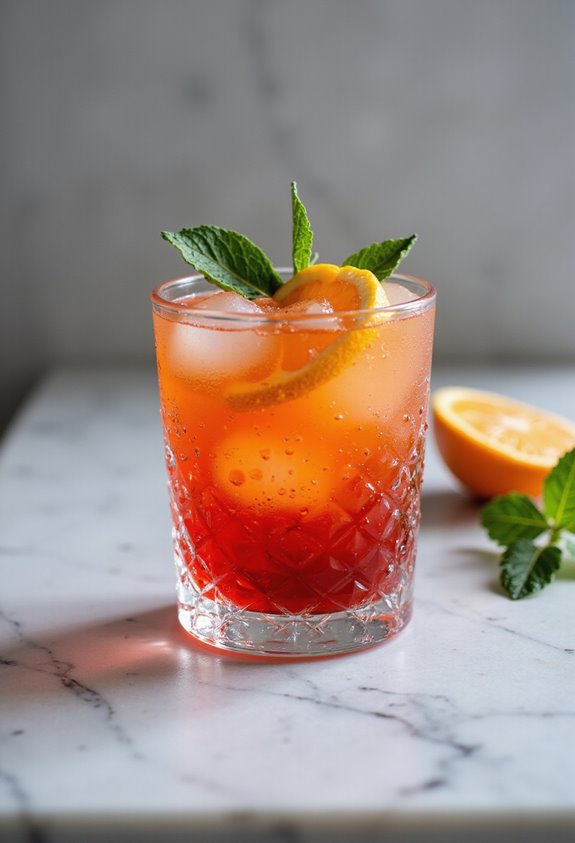
Non-alcoholic versions of popular cocktails, known as mocktails, are increasingly favored for their sophisticated flavor profiles. Drinks like the Virgin Mojito and Non-Alcoholic Moscow Mule offer invigorating alternatives without alcohol. Key ingredients include fresh juices, herbs, and carbonated mixers, promoting complexity. The sober curious movement, particularly among Gen Z and Millennials, supports this trend. With a focus on crafting well-balanced flavors, mocktails are transforming social drinking experiences. More insights on crafting these beverages follow.
Key Takeaways
- Non-alcoholic versions of popular cocktails, known as mocktails, offer flavorful alternatives without the effects of alcohol.
- Classic mocktails like Virgin Mojitos and Non-Alcoholic Moscow Mules retain signature flavors through quality ingredients and creative combinations.
- Fresh ingredients, such as fruit juices, herbs, and sparkling water, enhance the complexity and enjoyment of non-alcoholic cocktails.
- The rise of non-alcoholic spirits allows for innovative recreations of traditional cocktails, closely mimicking original flavors and experiences.
- Trends like the sober curious movement drive interest in sophisticated mocktails, catering to consumers seeking enjoyable, alcohol-free options.
Popular Non-Alcoholic Cocktails Explained
Non-alcoholic cocktails have gained popularity as sophisticated alternatives to their alcoholic counterparts, appealing to a diverse audience seeking flavorful options without the effects of alcohol. Classic mocktails like the non-alcoholic Moscow Mule and Virgin Mojito showcase cultural influences through fresh ingredients and flavor experimentation. The Moscow Mule substitutes ginger beer and lime juice for vodka, maintaining a spicy zing. The Virgin Mojito highlights muddled mint and soda water for invigorating enjoyment. Similarly, the non-alcoholic Old Fashioned employs non-alcoholic spirits to replicate the essential flavors. Roy Rogers combines coke and grenadine, providing a sweet homage to nostalgic soda drinks. These beverages emphasize high-quality, fresh components, allowing consumers to engage in vibrant social settings without alcohol’s drawbacks. Additionally, serving these mocktails in elegant cocktail glasses can enhance the overall drinking experience.
Key Ingredients for Non-Alcoholic Cocktails
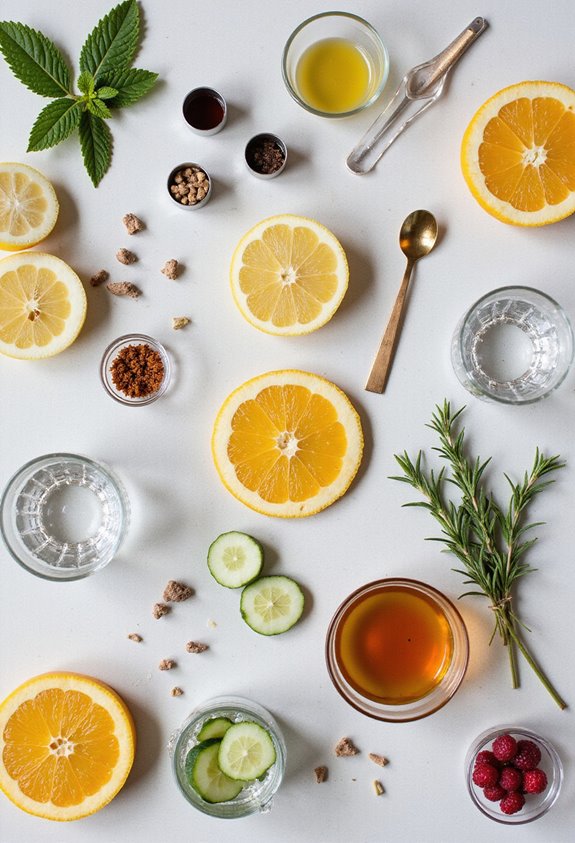
Mocktails rely on a variety of key ingredients to achieve the desired flavors and textures that mirror traditional cocktails. Essential mocktail ingredients include alcohol-free sparkling wine or ginger beer, providing complexity and effervescence. Fresh fruit juices like orange and cranberry offer the necessary sweetness and acidity. Flavor enhancements, such as simple syrups, herbs, and bitters, boost complexity while maintaining a balanced profile. Additionally, shrubs contribute a unique tartness significant in various recipes. For texture, carbonated liquids and purees create a mouthfeel reminiscent of their alcoholic counterparts. Altogether, these elements are crucial in crafting non-alcoholic cocktails that cater to diverse tastes while fostering a sense of community and belonging among consumers. Incorporating fresh and organic ingredients can further elevate the experience, ensuring flavors are vibrant and enjoyable.
Crafting the Perfect Virgin Mojito
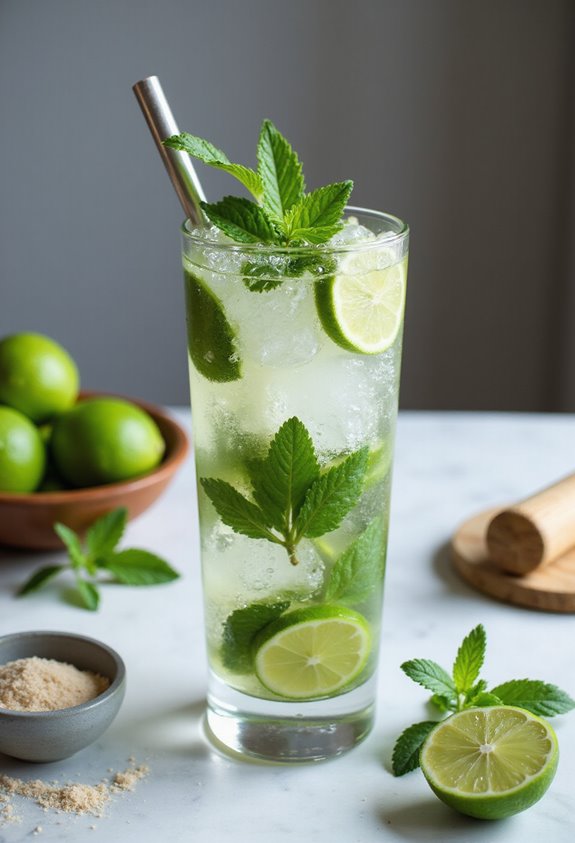
Crafting the perfect Virgin Mojito requires a careful balance of freshness and flavor, as the signature drink embodies the essence of summer rejuvenation. Essential ingredients include 10 to 15 fresh mint leaves, which provide the delightful mint aroma, and the juice of a quartered lime for tanginess. A sweetener, such as granulated sugar or simple syrup, complements the tartness, ensuring a flavor balance. Additionally, one cup of sparkling water gives the drink its invigorating fizz. The preparation involves muddling lime and sugar to release juices while gently pressing the mint leaves. For added flavor variations, incorporating fresh fruits or flavored sparkling waters can enhance the drink while maintaining its healthful attributes. Using quality mixers can further elevate the overall experience of your Virgin Mojito.
The Non-Alcoholic Moscow Mule Experience
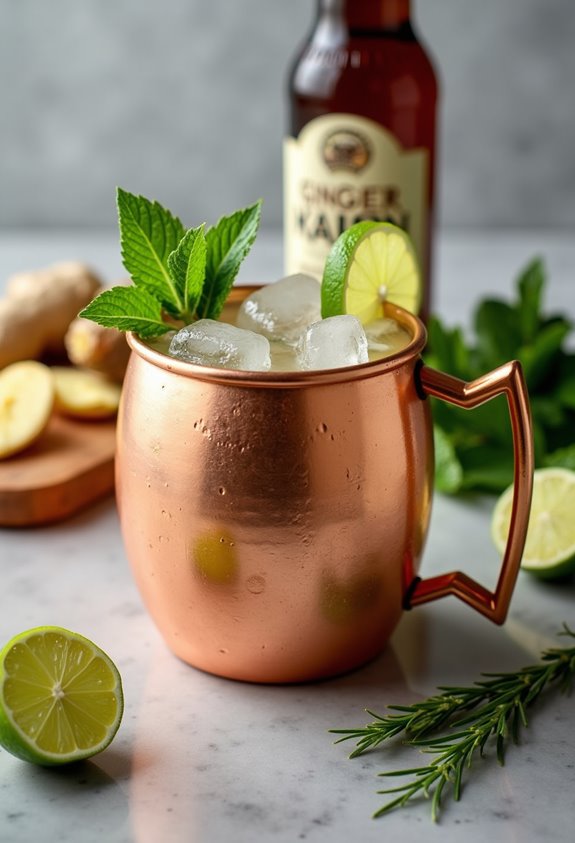
The Moscow Mule, traditionally known for its spirited blend of vodka, ginger beer, and lime, has inspired a revitalizing non-alcoholic variant that appeals to a broader audience. This mocktail maintains its invigorating essence by using quality ginger beer as a base, often enhanced with freshly squeezed lime juice. To elevate the experience, the drink is served in traditional copper mugs, which not only uphold its classic presentation but also keep the beverage chilled. Fresh mint leaves and optional non-alcoholic bitters can round out the flavors, offering complexity and aromatic notes. With around 130-140 calories per serving, the non-alcoholic Moscow Mule provides an inclusive drinking option, suitable for those seeking flavorful, alcohol-free alternatives at social gatherings. Additionally, you can enhance your mocktail experience by incorporating premium mixers known for their natural ingredients, which can elevate the overall taste profile.
How to Make a Virgin Margarita
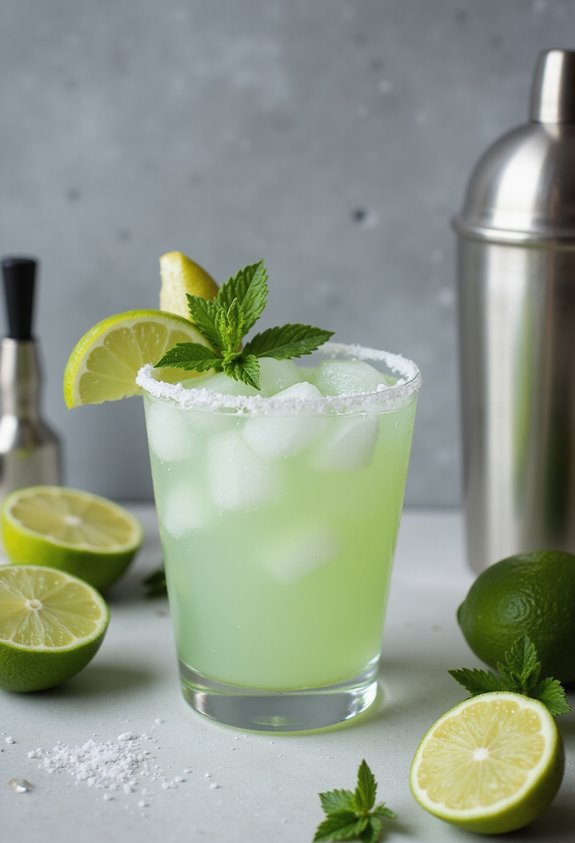
For those seeking a rejuvenating non-alcoholic option, the virgin margarita stands out as a perfect blend of citrus flavors. Essential ingredients include fresh lime, orange, and lemon juices, with agave syrup providing the needed sweetness. Mocktail variations may incorporate non-alcoholic tequila or orange bitters for flavor enhancements, retaining the drink’s complexity.
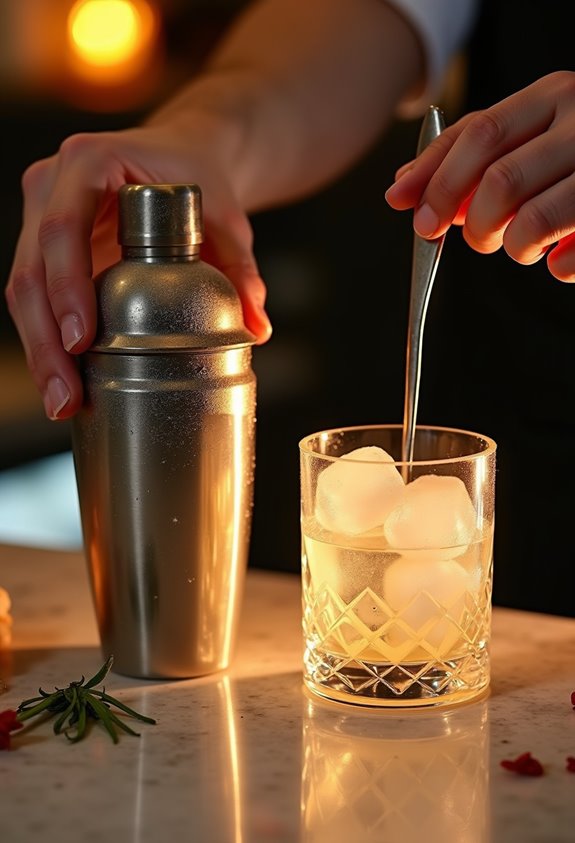
Preparation begins by rimming a glass with coarse salt, using a lime wedge to moisten it for adhering salt. After vigorously shaking the citrus juices with sweetener, mix in sparkling water to maintain fizz. Garnishing with a lime wedge completes the presentation. Experimentation with grapefruit juice or flavored sparkling waters can personalize the drink while keeping traditional characteristics intact, offering everyone a chance to enjoy the experience. Additionally, using a high-quality cocktail shaker can enhance the mixing process, ensuring a well-blended and enjoyable mocktail.
The Sweet Appeal of Shirley Temple
Shirley Temple’s namesake drink embodies a delightful fusion of sweetness and effervescence, appealing to both children and adults alike. Named after the famous child star, this mocktail features a blend of grenadine syrup and ginger ale or lemon-lime soda. Its preparation involves layering grenadine over ice, followed by soda, and gently stirring before garnishing techniques come into play. Typical garnishes include maraschino cherries and citrus wedges, which enhance both flavor and presentation. Historically, the Shirley Temple was created as a child-friendly alternative during Hollywood bar gatherings, making it a staple at family events. Its bright red color and festive appeal contribute to its lasting popularity, ensuring it remains a celebrated choice for non-alcoholic beverages. This classic drink can be elevated with the addition of specialty simple syrups, enhancing its flavor profile and offering a unique twist.
Refreshing Your Brunch With Virgin Mimosas
When hosting a brunch, incorporating virgin mimosas can elevate the dining experience for guests of all ages. These delightful mocktails are ideal for brunch gatherings, providing a rejuvenating option without alcohol. The base often features fresh orange juice, complemented by limeade or lemonade for added tartness. To create effervescence, options like lemon-lime soda or non-alcoholic sparkling wine can be included. Some enthusiasts may experiment with citrus variations, adding pineapple juice for complexity. Presentation matters; serving virgin mimosas in champagne flutes topped with fresh fruit garnishes enhances visual appeal. This versatile drink caters to diverse palates, making it suitable for all occasions, from casual get-togethers to festive celebrations, fostering inclusivity in social settings.
Techniques for Replicating Alcoholic Flavors
The art of replicating alcoholic flavors in non-alcoholic cocktails requires a meticulous approach to mimic the complexity and character of traditional spirits. Bartenders often employ non-alcoholic spirits that emulate gin, whiskey, tequila, or rum, providing essential flavor profiles. These alternatives frequently utilize botanical blends, incorporating herbs and spices to create depth and mimic the sensory characteristics of alcohol. Techniques such as muddling release essential oils from fresh herbs, enhancing overall flavor. Additionally, the use of non-alcoholic bitters can add much-needed intricacy. The careful balance of sweet, sour, and bitter elements is vital. Ultimately, by layering flavors and textures, non-alcoholic cocktails can offer a rich tasting experience that resonates with the familiar sensations of their alcoholic counterparts.
Health Trends Driving Non-Alcoholic Cocktails
As the sober curious movement gains momentum, health trends increasingly drive the popularity of non-alcoholic cocktails across various demographics. Nearly 40% of consumers abstain from alcohol entirely, with Gen Z and Millennials leading this trend for wellness reasons. Sober curiosity allows individuals to enjoy social experiences without alcohol, making non-alcoholic options fashionable. Approximately 32% of casual diners express interest in mocktails, showing widespread appeal. Motivated by health benefits, almost 50% of sober-curious individuals prefer functional beverages that offer wellness properties such as improved hydration and energy enhancement. This preference reflects a significant shift in consumer expectations, as non-alcoholic drinks are now seen as sophisticated alternatives rather than mere substitutes, reshaping social drinking culture.
Creative Mocktail Ideas for Every Season
Health trends have transformed non-alcoholic options from simple substitutes into sophisticated offerings. Seasonal themes inspire an array of creative mocktail ideas, appealing to groups seeking flavorful alternatives. For summer, beverages like the Grapefruit and Rosemary Mocktail provide invigorating combinations of tart grapefruit and aromatic rosemary. Autumn invites drinks such as the Apple Ginger Fizz, blending crisp apple and warm spices. In winter, the Sparkling Blood Orange Mocktail celebrates the season with sweet blood orange juice and clever herb pairings. Year-round, ingredients like watermelon and mint promise hydration while peach and basil deliver versatility. These innovative twists allow everyone to savor delightful experiences, forging connections through shared moments around delicious and invigorating drinks.
Challenges in Non-Alcoholic Cocktail Creation
Creating non-alcoholic cocktails presents numerous challenges that mixologists must navigate to deliver flavorful and enjoyable drinks. One primary obstacle is replicating the depth of flavor that alcohol provides; without it, cocktails tend to lack complexity. Moreover, dilution challenges arise since non-alcoholic spirits often dilute drinks, leading to a watery texture. Mixologists must balance each ingredient to enhance flavor without overwhelming the drink. Additionally, maintaining microbial stability is vital for safety, as the absence of alcohol increases the risk of spoilage. Consequently, meticulous sterilization processes are necessary to guarantee product safety. Overall, crafting non-alcoholic cocktails requires careful ingredient selection, creative techniques, and a commitment to quality, making the task both complex and rewarding for skilled mixologists.
Non-Alcoholic Spirits: Exploring the Options
Non-alcoholic spirits have gained significant traction in the beverage market, providing an alcohol-free alternative that mimics traditional flavors. These non-alcoholic innovations replicate tastes resembling gin, whiskey, rum, and tequila with less than 0.5% ABV. Leading brands such as Ritual Zero Proof and Lyre’s offer products that enhance flavor profiles, using natural ingredients and botanical infusions. Techniques like distillation enable the preservation of essential flavor compounds while removing ethanol. With increasing consumer acceptance, especially among the “dry curious” movement, non-alcoholic options are now commonly found in bars and retail settings. The growing interest in sophisticated alcohol-free drinks has propelled products like ISH London Botanical Spirit and Curious Elixirs into mainstream popularity, appealing to social drinkers and health-conscious individuals alike.
Enhancing Mocktails With Fresh Ingredients
How can the incorporation of fresh ingredients elevate the mocktail experience? Fresh citrus ingredients, such as lime, lemon, and orange, enhance the natural tartness of mocktails, balancing sweetness and bitterness. Citrus zest further enriches the aroma and adds complexity. Herb infusions like mint and basil introduce aromatic depth, offsetting sweetness with revitalizing notes. The visual appeal of vibrant herbs enhances presentation, ensuring that each drink captivates attention. Incorporating fresh fruit and vegetable purees, such as berries or cucumber, creates texture and colors. Additionally, spices like fresh ginger can add warmth and zest. Combining these citrus combinations with herb infusions yields a healthful, sophisticated beverage choice that promotes inclusivity and enjoyment for all.
The Art of Balancing Flavor Profiles
Achieving an ideal balance of flavor profiles is vital for crafting exquisite mocktails that mimic the complexity of traditional cocktails. Flavor balancing involves using complementary and contrasting ingredients to create harmony. Sweeteners, such as honey or agave nectar, counteract bitterness from non-alcoholic spirits, while acidity provides a revitalizing bite. Ingredient synergy is essential; for example, pairing sweet citrus with herbal notes builds a well-rounded experience. Astringent sources, like black tea, introduce texture, further enhancing complexity. Careful use of vinegars or shrubs adds depth without overwhelming the palate. The goal is to replicate the layered taste experiences reminiscent of alcoholic beverages, satisfying those who seek the richness of flavor in their non-alcoholic options.
Social Acceptance of Non-Alcoholic Drinking
An increasing number of establishments are catering to the rising interest in non-alcoholic beverages, driven largely by Millennials and Generation Z. Social gatherings now often feature mocktails and non-alcoholic beers, reflecting significant cultural shifts towards healthier lifestyles. From August 2021 to July 2026, social media engagement around these beverages has surged, outperforming traditional alcoholic options in discussions. With approximately 30% of U.S. adults choosing not to consume alcohol, the market for non-alcoholic drinks is growing. Bars and restaurants are responding by creating dedicated non-alcoholic sections on their menus. This move enhances inclusivity and reflects changing norms, as non-alcoholic choices are recognized as deliberate options rather than mere substitutes, further promoting community and connection among diverse social preferences.
Frequently Asked Questions
Can I Use Alcoholic Mixers in My Non-Alcoholic Cocktails?
When it comes to non-alcoholic cocktails, using alcoholic mixers is akin to mixing oil and water. Opt for mixer alternatives instead, focusing on flavor enhancements that deliver a delightful experience while ensuring true non-alcoholic enjoyment.
Are Non-Alcoholic Cocktails Suitable for Kids?
Non-alcoholic cocktails can be suitable for kids when crafted with kid-friendly ingredients and thoughtful mocktail recipes. Emphasizing natural flavors and lower sugar content guarantees a fun, safe experience that encourages inclusion without promoting adult drinking habits.
How Can I Make Non-Alcoholic Cocktails More Visually Appealing?
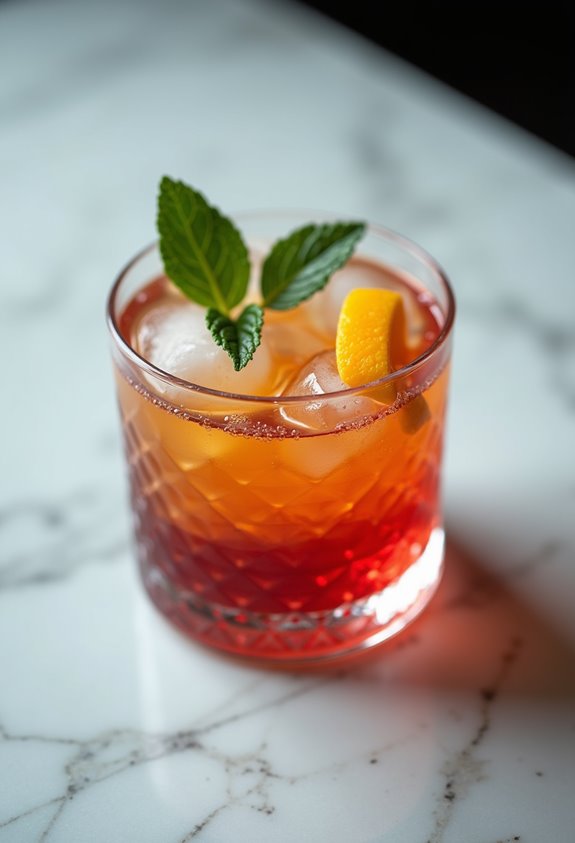
To enhance the visual appeal of non-alcoholic cocktails, employing creative garnish techniques and vibrant color combinations captivates the senses, inviting social connection and belonging while transforming each drink into a delightful, shared experience among friends.
Can I Prepare Non-Alcoholic Cocktails in Advance for a Party?
Yes, non-alcoholic cocktails can be prepared in advance through batch preparation. This allows for flavor experimentation, enhancing gatherings. Proper storage and timely mixing preserve freshness, ensuring delightful experiences for all guests sharing the moment.
Are There Specific Glassware Recommendations for Serving Mocktails?
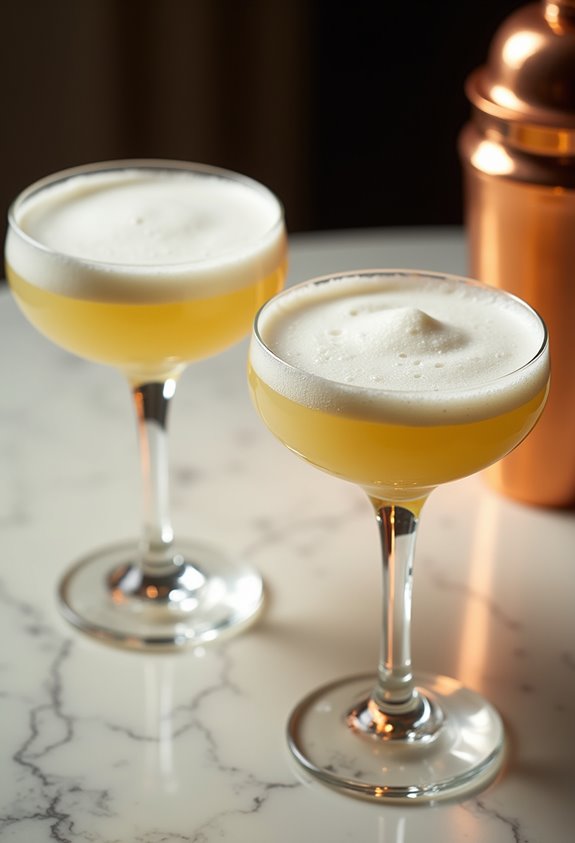
Specific mocktail glassware enhances serving styles, blending aesthetics and function. Utilizing highball glasses for fizzy drinks, coupes for elegance, and rocks glasses for flavorful sips promotes a delightful experience, inviting guests to enjoy their non-alcoholic offerings together.