As an Amazon Associate, we earn from qualifying purchases. Some links on this site are affiliate links at no extra cost to you. Our recommendations are based on thorough research and editorial judgment.
Is Dry Shaking Better For Cocktails With Egg Whites?

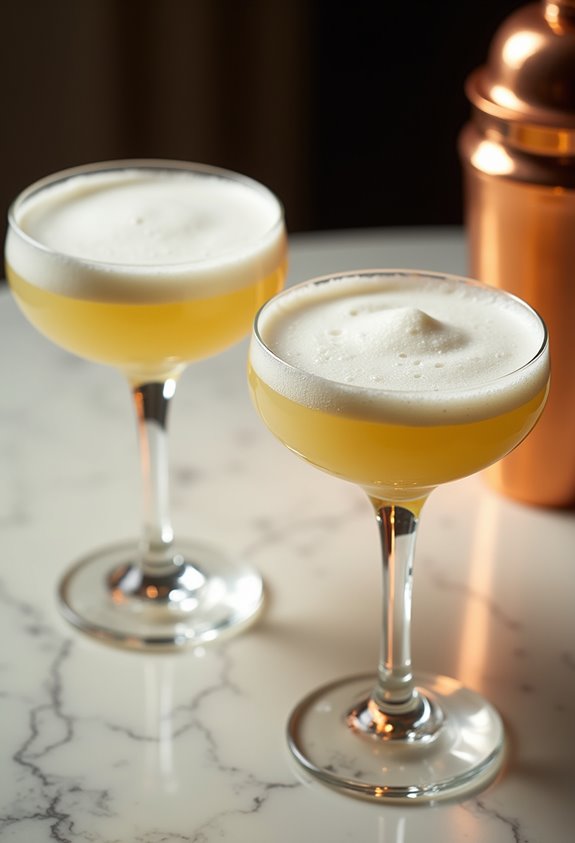
Dry shaking is regarded as an effective technique for cocktails that include egg whites. This method enhances aeration and emulsification, resulting in a richer and more stable foam. It typically involves shaking without ice to prevent dilution, which aids in protein coagulation. Following a thorough dry shake, a wet shake can be performed to chill the mixture. Bartenders often favor this technique for its ability to improve texture and appearance in cocktails. Further insights into shaking methods are available.
Key Takeaways
- Dry shaking aerates the egg whites, creating a rich, stable foam without dilution.
- This technique promotes smaller, uniform bubbles, enhancing the texture of the cocktail.
- A dry shake followed by a wet shake yields a balanced flavor and maintains foam quality.
- It minimizes the risk of over-dilution, keeping the cocktail’s integrity intact.
- Overall, dry shaking is essential for achieving a visually appealing and frothy egg white cocktail.
Understanding the Dry Shake Technique
The dry shake technique is an essential method used by bartenders to create cocktails with a rich, frothy texture. By shaking egg white ingredients without ice, bartenders aerate the mixture, forming a stable foam that enhances the cocktail’s appearance and mouthfeel. This technique prevents dilution, allowing prime protein coagulation for froth stability. The duration of a typical dry shake lasts between 20-60 seconds, requiring vigorous shaking to guarantee sufficient air incorporation. Many bartenders also use egg white alternatives, such as aquafaba, to achieve similar frothy results while accommodating vegan preferences. The dry shake’s benefits include creamy texture and improved aroma release, making it a favored approach for classic cocktails like the Pisco Sour and Ramos Gin Fizz. Additionally, bamboo bar carts can be a stylish addition to any home bar setup, enhancing the overall cocktail experience.
Comparing Dry Shaking and Wet Shaking
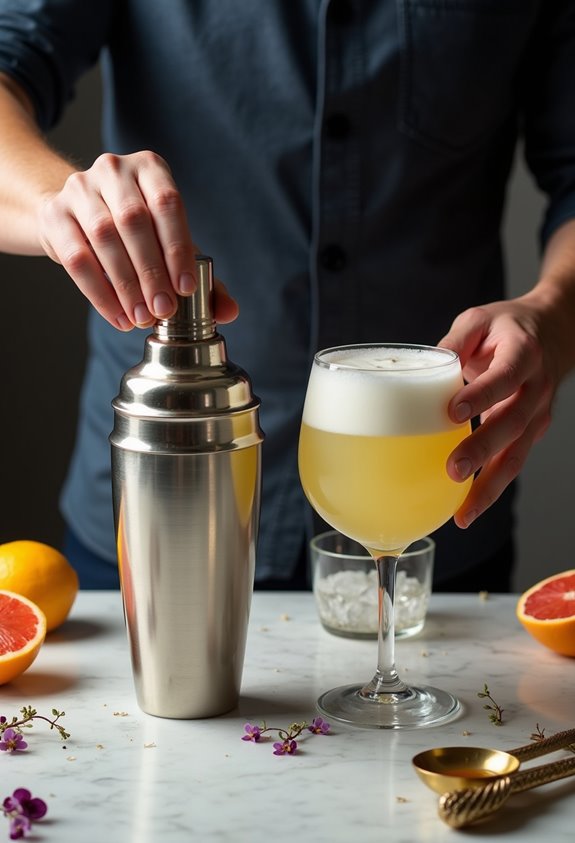
When comparing dry shaking and wet shaking, it becomes evident that each technique impacts cocktail foam quality and texture considerably. Dry shaking, performed without ice, allows for better aeration and emulsification of egg whites, leading to the coveted dry shake benefits of a thicker, creamier foam. In contrast, wet shaking, which involves ice, introduces dilution and generally results in lighter foam with wet shake limitations, such as instability and a quicker collapse. The combination of a dry shake followed by a wet shake is often hailed as the gold standard for crafting egg white cocktails. This classic method enhances mouthfeel and guarantees balanced flavor without sacrificing foam integrity, providing a smoother drinking experience that appeals to cocktail enthusiasts. Additionally, using essential tools from a quality bar kit can significantly enhance the cocktail-making process, ensuring precision and professional results.
Exploring Dry Shake Vs Reverse Dry Shake
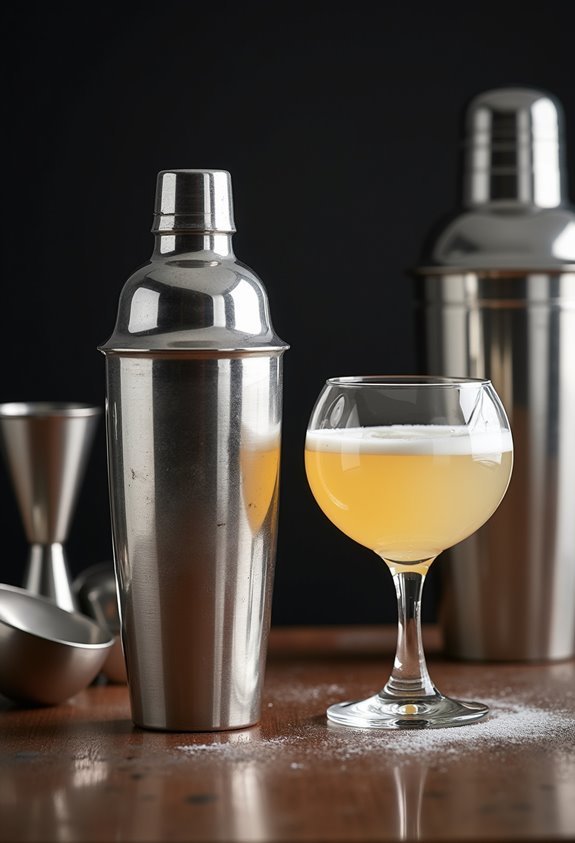
Although both dry shake and reverse dry shake techniques are essential methods for integrating egg whites into cocktails, they differ markedly in execution and resulting foam quality. The dry shake benefits include a tighter, denser foam, making it ideal for drinks that prominently display foam, like the Ramos Gin Fizz. Conversely, reverse shake advantages lie in its ability to create larger bubbles and a more voluminous foam, thanks to the initial chilling with ice. This method is preferred for classic cocktails such as the Whisky Sour, enhancing authenticity. Bartenders may opt for reverse dry shake for improved foam stability, requiring less egg white while achieving satisfying results, thereby highlighting the significance of technique in crafting well-balanced cocktails. Using high-quality stainless steel materials in cocktail sets can further enhance the mixing experience and foam quality.
Recommended Products

PROFESSIONAL MIXOLOGY BARTENDER SET - The Madison Acacia Tabletop Bar Tool Set by Legacy, a Picnic Time brand, is a portable Professional Mixology Bartender Set tailor made for shaking up martinis, manhattans, and chic classic cocktails

QUALITY CONSTRUCTION: Shakers, spoons, spring bar strainer and jigger crafted with gun metal black finished heavy-duty stainless steel to maintain shape, hide wear, and perform consistently well while keeping a refined appearance

Hammered stainless steel bedecked with a tidy trimming of simple thread, this bar tool set is as handsome as it is supremely useful when crafting a cocktail, such as our favorite Monaco Mule! Set includes stand and five tools: double-sided jigger, cocktail strainer, bar spoon, bottle opener and muddler.
The Science Behind Foam Quality and Texture
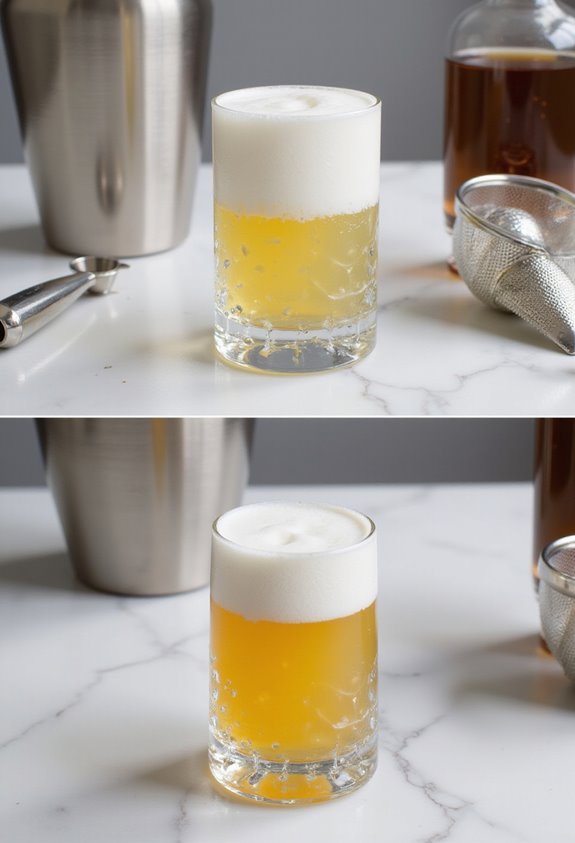
Foam quality and texture in cocktails are intricately tied to the science of protein emulsification and air incorporation. Key to this process are egg white proteins, primarily ovalbumin, which unfold and bond during shaking, creating a network that traps air bubbles. This results in improved foam stability and a velvety mouthfeel. The technique of dry shaking enhances emulsification without dilution from melting ice, promoting smaller, uniform bubbles and consequently enhancing texture. Conversely, over-shaking can lead to larger, less stable foam bubbles, negatively impacting overall quality. Additionally, citrus acids interact with proteins to stabilize foam, preventing rapid collapse and ensuring durability of the frothy layer in cocktails served to guests, ultimately contributing to a pleasing drinking experience. This method is often utilized by mixology enthusiasts looking to elevate their cocktail presentations.
Practical Tips for Successful Dry Shaking
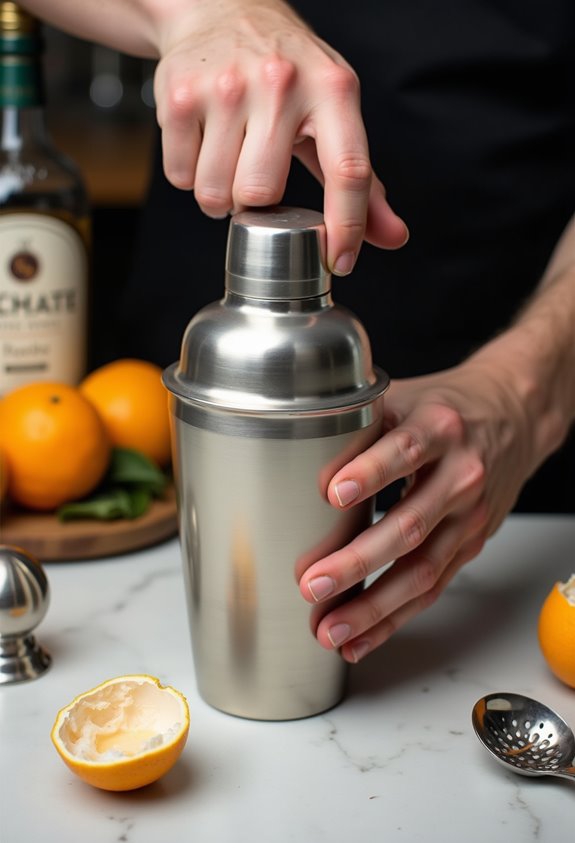
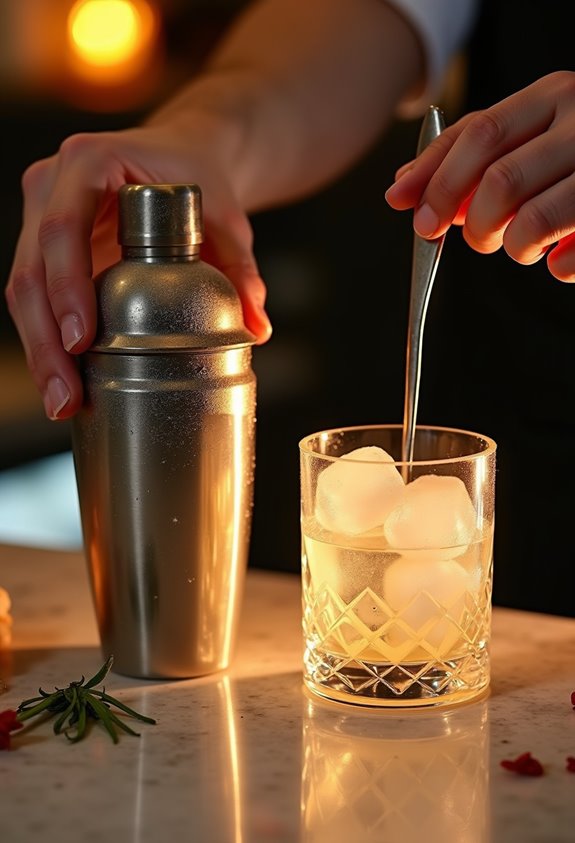
Successful dry shaking techniques can greatly improve cocktail presentation and texture. To maximize dry shake benefits, bartenders should begin with a vigorous shake for 15-20 seconds without ice. This incorporates air, enhancing foam stability. Following the dry shake, adding ice for another 15-20 seconds is crucial for chilling and dilution. It is recommended to use a sturdy cocktail shaker and a fine mesh strainer to guarantee a smooth pour and stable foam. Additionally, bartenders can opt to remove the spring from the strainer during the dry shake to boost aeration. Finally, serving cocktails promptly preserves the foam’s integrity, assuring an appealing visual and textural experience for guests. Following these guidelines can elevate any cocktail made with egg whites, especially when paired with quality bar tools.
Recommended Products

ALL-IN-ONE PREMIUM COCKTAIL KIT: Elevate your bar kit with our complete cocktail set! This all-inclusive kit features a weighted cocktail shaker, a tempered & annealed mixing glass, a precision bell jigger, bar spoon, and both fine mesh and Hawthorne strainers. Mix, measure, and pour with confidence for flawless cocktails every time
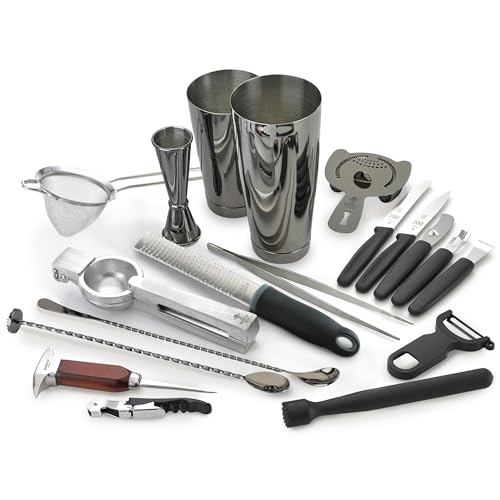
QUALITY CONSTRUCTION: Shakers, spoons, spring bar strainer and jigger crafted with gun metal black finished heavy-duty stainless steel to maintain shape, hide wear, and perform consistently well while keeping a refined appearance

PORTABLE BAR BAG: Enjoy cocktails on the go with the Barillio travel bartender kit. The professional cocktail maker set is securely organized in designated compartments within the stylish, coffee colored, waxed canvas bar bag. Mixology never looked better.
Assessing Overall Effectiveness and Bartender Preferences
Evaluating the overall effectiveness of dry shaking techniques reveals varying preferences among bartenders, who often prioritize foam quality and cocktail texture. Many professionals favor the pure dry shake method for its superior foaminess and air incorporation, while others lean towards the reverse dry shake to achieve improved foam stabilization and balanced dilution. Bartender techniques differ widely, with some advocating for moderate shaking durations of 12 to 30 seconds to avoid excessive meringue-like foam. Despite ongoing debates about the ideal shaking order, the consensus highlights that multiple stages generally enhance the cocktail’s texture and emulsification. Ultimately, bartender preferences reflect personal philosophies on achieving the perfect balance between froth and flavor in egg white cocktails. Choosing the right cocktail shaker can significantly influence the shaking process and the final outcome of the cocktail.
Frequently Asked Questions
Can Dry Shaking Be Done With Other Ingredients Besides Egg Whites?
Yes, dry shaking can incorporate innovative ingredients, including aquafaba, thick syrups, and fruit purées. These dry shake alternatives enhance texture and aeration, providing unique qualities that can elevate the cocktail experience for enthusiasts.
What Tools Are Best for Effective Dry Shaking?
In the dance of cocktail creation, effective shaking techniques unfold with tools like durable shakers, fine mesh strainers, and ergonomic designs, enriching the craft. Alternative tools, like whisks, further elevate the artistry, inviting community appreciation.
How Do I Know if I’ve Shaken Long Enough?
Determining sufficient shaking time involves evaluating the cocktail’s texture; an aerated, creamy foam indicates effective shaking technique. When the shaker feels cold and firm, it’s typically a sign that shaking duration has been adequate.
Can I Use Pasteurized Egg Whites for Dry Shaking?
Yes, using pasteurized egg whites for dry shaking addresses safety concerns while enhancing texture improvement. This method allows everyone to enjoy cocktails with a frothy, stable head, fostering belonging in social settings and mixology experiences.
Does Dry Shaking Affect the Flavor of the Cocktail?
Dry shaking positively influences the flavor profile by enhancing ingredient balance, softening harsher notes, and improving texture. This process promotes a smoother experience, allowing for a more enjoyable and cohesive drinking experience that invites social connection.