As an Amazon Associate, we earn from qualifying purchases. Some links on this site are affiliate links at no extra cost to you. Our recommendations are based on thorough research and editorial judgment.

When Should I Shake Versus Stir A Cocktail?

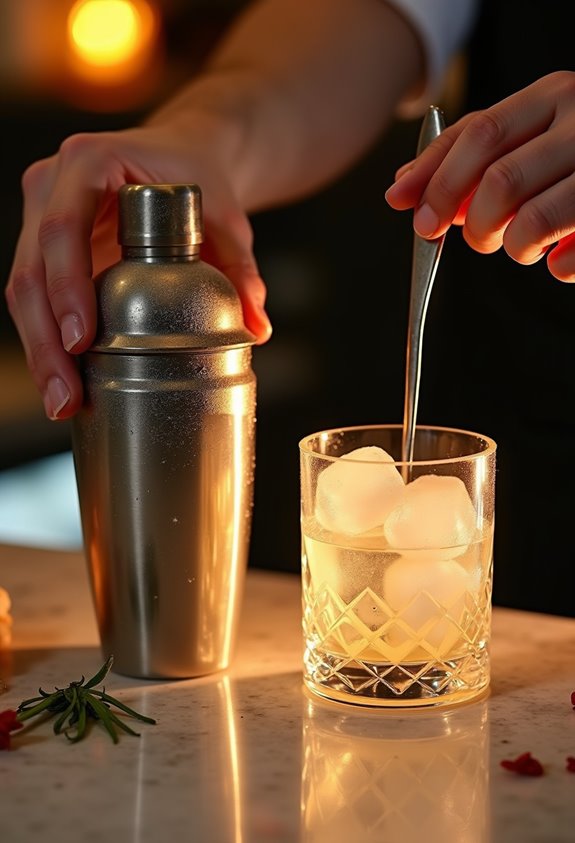
Cocktail preparation requires distinct techniques: shaking and stirring. Shaking is ideal for cocktails with juices, syrups, or creams, as it effectively blends these ingredients. It cools drinks rapidly, achieving temperatures as low as -8°C while adding aeration. In contrast, stirring is suited for spirit-only cocktails, maintaining clarity and enhancing traditional flavors without excessive dilution. Understanding when to apply each method is essential for mastering cocktail artistry. Further insights on these techniques await exploration.
Key Takeaways
- Shake cocktails with juices, syrups, or cream for effective blending and aeration, such as Margaritas or Daiquiris.
- Stir cocktails made solely from spirits, liqueurs, or bitters to maintain a smooth texture and enhance subtle flavors, like Martinis or Old Fashioneds.
- Use shaking to rapidly chill drinks, reaching temperatures below 0°C, and create a lighter mouthfeel through aeration.
- Opt for stirring with high-quality ice for controlled dilution, preserving clarity and the cocktail’s flavor integrity over 30 to 45 seconds.
- Adjust technique based on ingredients: shake for emulsification and integration, stir for maintaining composition and elegance in presentation.
Understanding the Basics of Shaking and Stirring
Cocktail preparation hinges on the understanding of two fundamental techniques: shaking and stirring. These mixing methods play essential roles in how a cocktail’s flavors, textures, and appearance develop. Cocktails containing juice, syrup, or cream should be shaken to properly blend and aerate ingredients, creating a unified flavor profile. In contrast, drinks made solely from spirits, liqueurs, and bitters are best stirred, maintaining clarity and enhancing subtle flavors. Shaking introduces tiny air bubbles, resulting in an aerated texture, while stirring preserves a smooth, silky finish. The key is selecting the appropriate cocktail technique based on ingredients and desired outcome. For instance, classic shaken drinks include Margaritas, while spirit-forward favorites like Martinis are best stirred for ideal flavor integrity. Understanding the essential tools used in cocktail preparation can further enhance the mixing experience.
The Science Behind Shaking Cocktails
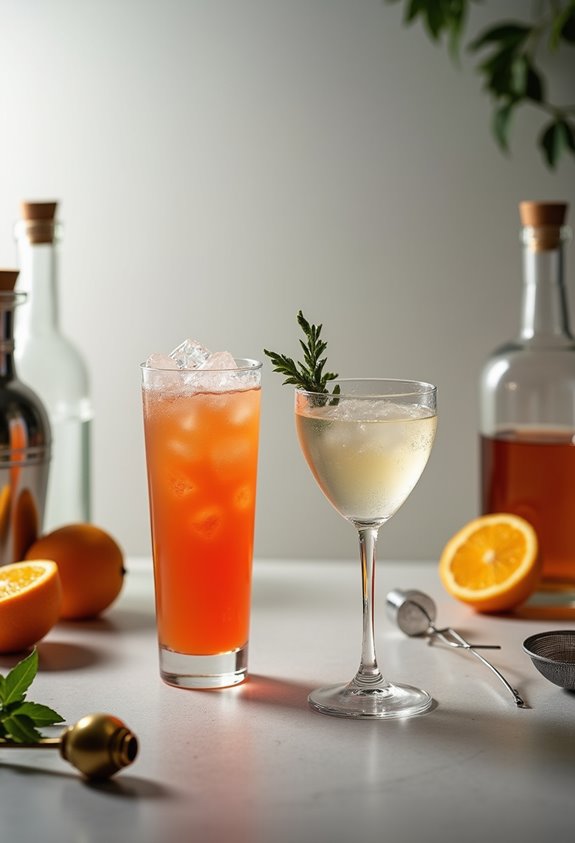
Understanding the science behind shaking cocktails reveals the intricate interplay between temperature, dilution, and texture. Shaking mechanics rapidly cools drinks to temperatures below 0°C, sometimes reaching -7°C, through a combination of mechanical agitation and increased ice contact. This cooling effect occurs while minimizing temperature rise caused by friction, which remains under 2°C. Remarkably, the use of metal shakers offers superior cooling compared to glass unless pre-chilled. As ice melts, it introduces water into the mix, substantially lowering alcohol strength. Additionally, shaking promotes aeration, adding bubbles that enhance texture and sensations. These cocktail thermodynamics and fluid dynamics contribute to flavor balance and an enjoyable drinking experience, essential for well-crafted cocktails. Furthermore, using quality mixers in shaken drinks can amplify the overall flavor profile, ensuring an elevated tasting experience.
When to Shake: Key Ingredients to Consider
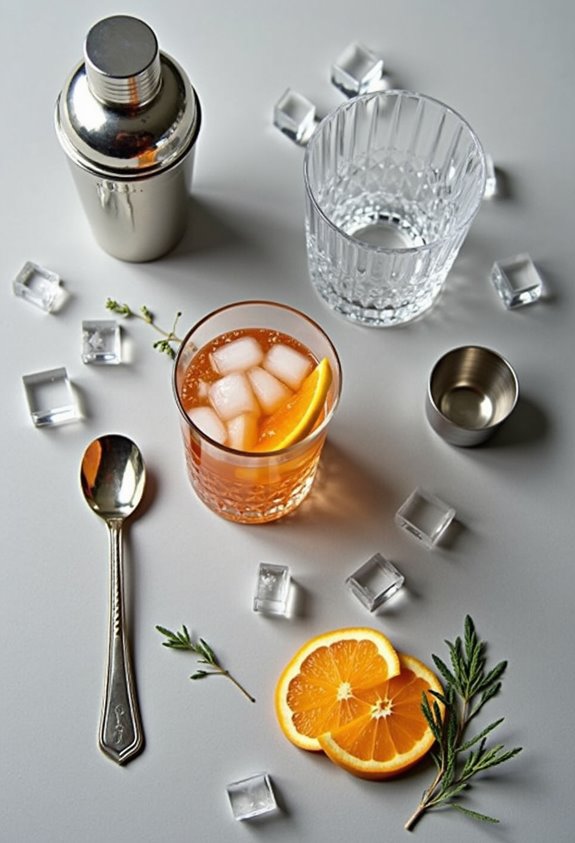
When preparing cocktails, the choice between shaking and stirring hinges markedly on the specific ingredients used. Shaking techniques are essential for drinks that incorporate acidic ingredients like citrus juices, which meld flavors and aerate the mixture effectively. Cocktails such as margaritas and whiskey sours benefit from this method, achieving a frothy texture that enhances appeal. Dairy components, too, require vigorous shaking for emulsification, contributing to a rich mouthfeel. Additionally, cocktails featuring egg whites gain distinctive qualities through proper shaking, enhancing foam stability. Syrups and heavy sweeteners are best integrated via shaking, preventing separation and ensuring a consistent flavor profile. However, caution is advised with carbonated mixers, as shaking them can lead to loss of carbonation and unwanted mess. Furthermore, using high-quality ingredients can significantly improve the final cocktail experience, ensuring that each sip is both flavorful and satisfying.
Recommended Products

QUALITY CONSTRUCTION: Shakers, spoons, spring bar strainer and jigger crafted with heavy-duty stainless steel to maintain shape, hide wear, and perform consistently well while keeping a refined appearance
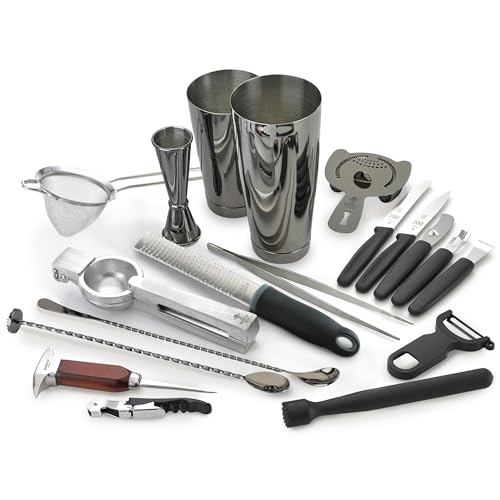
QUALITY CONSTRUCTION: Shakers, spoons, spring bar strainer and jigger crafted with gun metal black finished heavy-duty stainless steel to maintain shape, hide wear, and perform consistently well while keeping a refined appearance

Unlike typical cider, our family recipe marries cranberry and citrus juices infused with an exquisite blend of spices.
Benefits of Shaking Cocktails
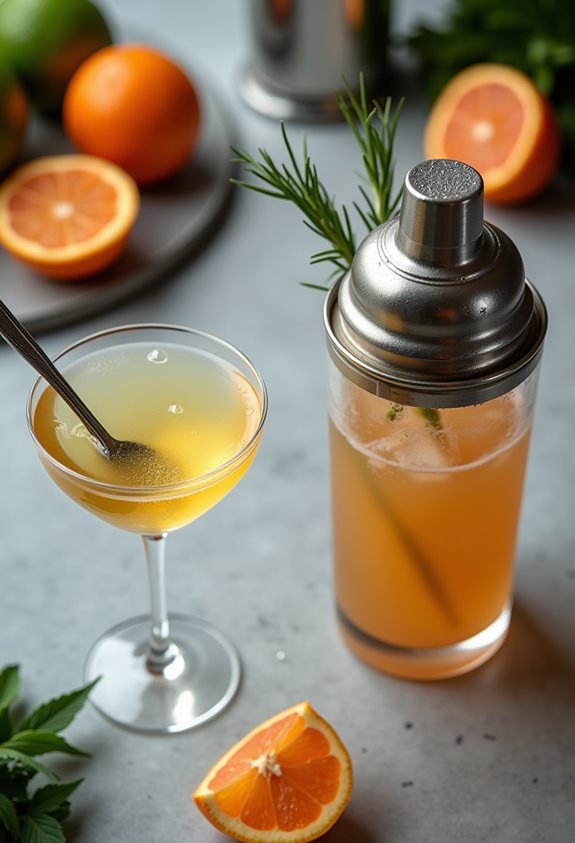
Shaking cocktails offers significant benefits that enhance both the preparation process and the final product. Primarily, shaking benefits include improved mixing and flavor blending, especially when combining complex ingredients like juices, dairy, and egg whites. This method efficiently balances flavors while chilling drinks rapidly, achieving peak taste in a fraction of the time compared to stirring. The process introduces cocktail aeration, creating a velvety texture that enhances mouthfeel and reduces bitterness. Additionally, dry shaking can maximize froth and texture before chilling, leading to a delightful sensory experience. With its combination of visual appeal and practicality, shaking not only elevates the drink’s quality but also engenders a sense of community among cocktail enthusiasts who appreciate the art of mixology. Many of the top bar kits, like the Mixology Bartender Kit, include quality shakers that are essential for this technique.
Visual Cues: What Shaken Cocktails Look Like
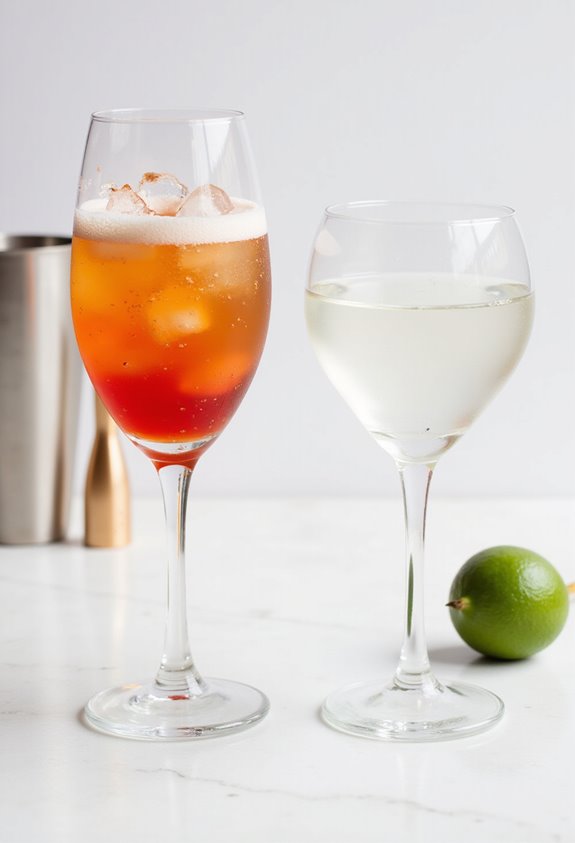
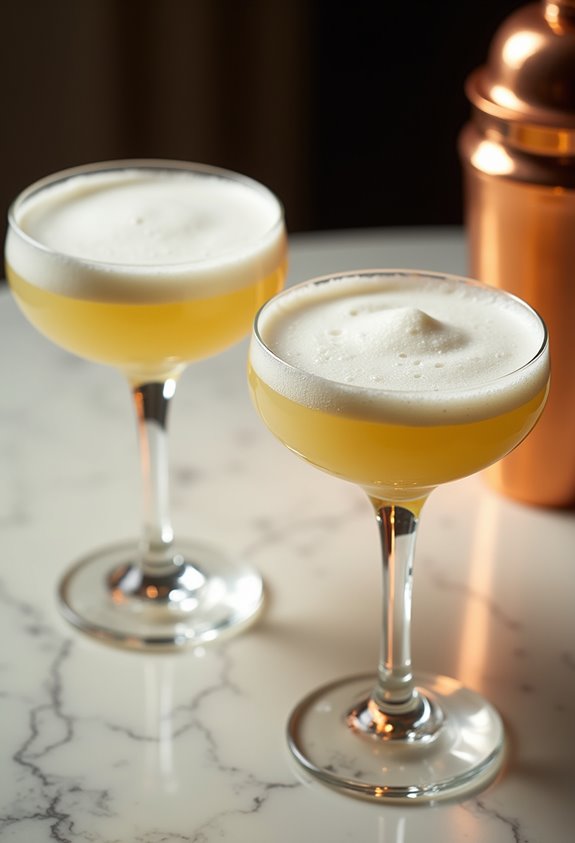
A shaken cocktail presents distinct visual cues that set it apart from its stirred counterparts. The cloudiness of shaken drinks results from aeration and tiny ice particles, creating a semi-opaque appearance. Drinks like Pornstar Martinis exhibit frothy tops due to emulsification, enhancing their visual texture. The vibrant colors of shaken cocktails appear slightly muted, attributed to increased dilution from ice melting rapidly during shaking. Additionally, condensation forms on the glass, reinforcing the drink’s chill. A rich foam layer stabilizes atop creamy cocktails, contributing to their enchanting cocktail aesthetics. These distinctive characteristics not only mark shaken cocktails visually but also create an enticing experience for those who enjoy cocktails and seek uniqueness in each pour. The flavor profile importance ensures that the taste remains balanced even with the visual appeal.
The Art of Stirring Cocktails
Stirring cocktails represents a nuanced technique that emphasizes precision and artistry in mixology. This method enhances cocktail aesthetics by ensuring clarity and smoothness through careful control of dilution and temperature. High-quality, large ice cubes are preferred, as they chill effectively without excessive melting. Proper grip and a gentle push/pull motion are essential for achieving stirring finesse, allowing the drink’s ingredients to blend harmoniously. Typically, stirring should last 7 to 30 seconds, depending on the cocktail’s strength. Additionally, the choice of mixing glass plays a critical role; heavy glass provides better temperature control than metal counterparts. Ultimately, the goal is to create a well-balanced cocktail that delights the senses while maintaining its visual appeal. Using a high-quality stainless steel cocktail shaker can greatly enhance the mixing experience and ensure durability.
When to Stir: Key Ingredients to Consider
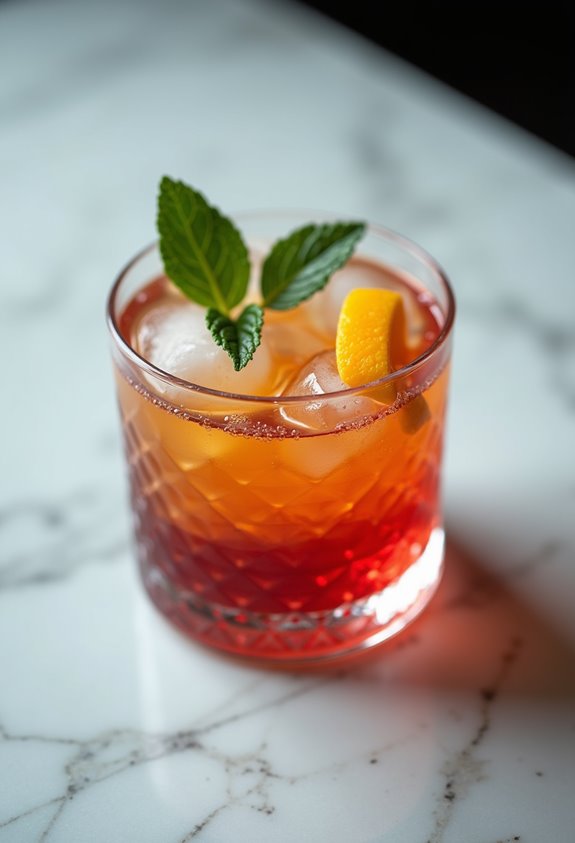
The decision to stir a cocktail hinges critically on the ingredients involved, particularly their viscosity and interaction. Cocktails consisting solely of spirits, bitters, and syrups are best stirred, as they feature similar densities. For instance, a Negroni combines gin, vermouth, and Campari, all ideal for stirring techniques. This method preserves clarity and texture essential for spirit-forward drinks like the Martini or Manhattan. Additionally, cocktails without citrus juices or egg whites benefit from gentle stirring, which allows for proper dilution without aeration. When ingredient viscosity aligns, stirring achieves an even blend without compromising drink structure. Ultimately, this technique enhances the flavor while ensuring a pristine appearance, crucial for classic cocktails enjoyed in social settings.
Recommended Products

Cocktail Set: The cocktail shaker set is made from stainless steel polished to a gleaming mirror finish. Barware includes cocktail shaker, jigger, and stirring spoon. Bar accessories make great wedding gifts
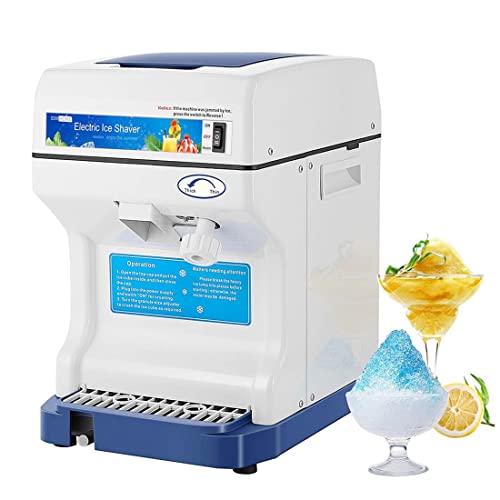
PREMIUM MATERIALS - Constructed with high-quality ABS material and durable aluminum rotary blades, this ice shaver is built to last; Used both at home and commercially, this shaver is suitable for making snow cones, slushies, milkshakes, yogurt freezes, and other delicious frozen drinks

Electric martini maker for preparing the perfect martini at home
Benefits of Stirring Cocktails
Beverage professionals often recognize a variety of advantages associated with the stirring method in cocktail preparation. Stirring maintains cocktail clarity and preserves the silky texture of spirit-forward beverages, such as Manhattans and Martinis. This technique avoids aeration, allowing the authentic flavors of the base spirits to shine while ensuring flavor integrity remains intact. By controlling dilution, stirring limits the cocktail’s water content, keeping it at the desired strength. Typically, stirring for 30 to 45 seconds offers peak chilling without sacrificing composition. Bartenders appreciate the aesthetic appeal of stirred cocktails, as the clear presentation signals careful craftsmanship. Ultimately, stirring contributes to an excellent drinking experience, appealing to both classic cocktail enthusiasts and those who value quality in their libations.
Visual Cues: What Stirred Cocktails Look Like
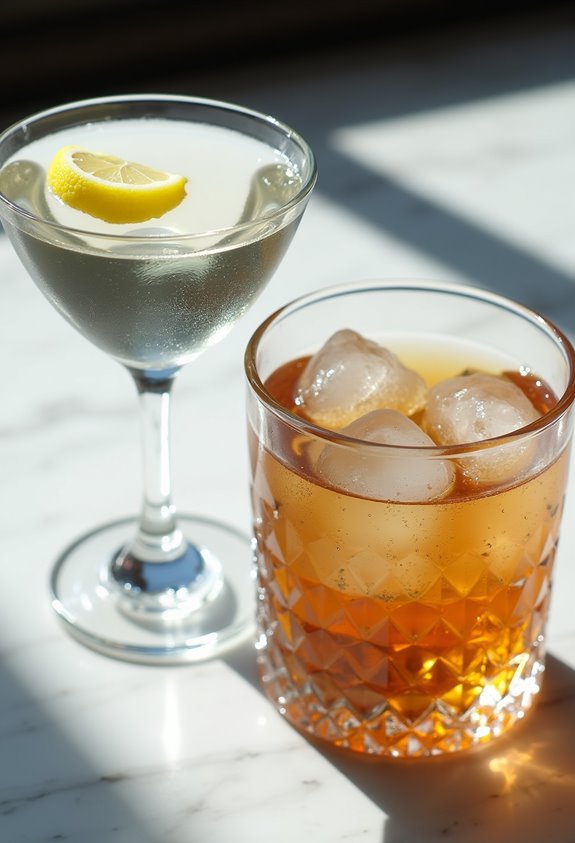
A stirred cocktail is distinguished by its crystal-clear appearance, which conveys a sense of sophistication and mastery in its preparation. This clarity, often referred to as cocktail translucence, allows audiences to appreciate the true colors of the spirits used. The smooth, unbroken surface of stirred cocktails, like Manhattans and Martinis, embodies visual harmony, free from bubbles or foam that characterize shaken variations. Bartenders showcase their skill through this pristine aesthetic, as the lack of ice shards maintains a polished look. The gentle mixing technique guarantees that the presentation remains undisturbed, inviting appreciation for the refined craftsmanship behind each drink. In this way, clarity not only enhances the visual appeal but also enriches the overall sensory experience.
Effects of Dilution and Temperature on Cocktails
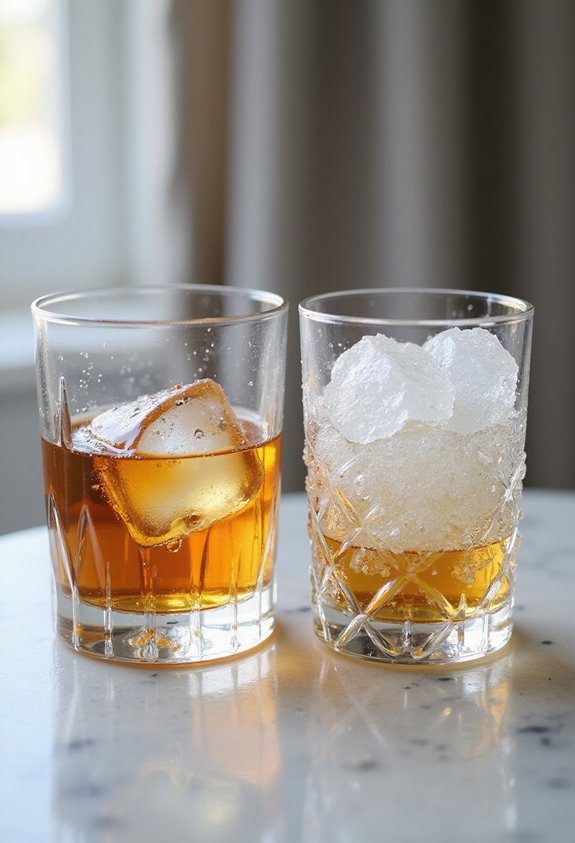
Understanding the effects of dilution and temperature on cocktails is essential for bartenders and enthusiasts alike. The dilution dynamics vary markedly between shaking and stirring. Shaking achieves rapid dilution, melting ice swiftly for a chill plateau around -5°C to -8°C. In contrast, stirring leads to a gentler dilution, often leaving cocktails warmer and less diluted. This temperature balance impacts mouthfeel; shaken drinks feel lighter due to colder temperatures, while stirred drinks retain a heavier, silkier texture. Alcohol concentration also plays an important role, allowing higher ABV cocktails to chill below standard ice-water equilibrium. Proper awareness of these factors enhances flavor balance, preventing over-dilution that weakens the alcohol presence and maintaining the cocktail’s integrity.
Tips for Perfectly Shaking a Cocktail
Shaking a cocktail requires attention to detail and specific techniques to achieve ideal results. The proper shaking technique involves filling a shaker halfway with ice, ensuring efficient chilling and dilution. All ingredients should be added before sealing the shaker tightly to prevent leakage. Holding the shaker vertically or horizontally allows for vigorous shaking for 10 to 15 seconds, which is key for maximum cocktail aeration. This process enhances texture and reduces bitterness in cocktails, especially those containing egg white, where dry shaking can create a frothy foam. Practice is essential; mastering muscle memory helps in delivering cocktails efficiently while preventing slips. Using stainless steel shakers is recommended, as they maintain temperature better than glass options.
Recommended Products

Lunar Eclipse is the mixing kit inspired by the lunar universe

STAINLESS STEEL - These 16.2 oz. stainless steel cocktail shakers consist of high-quality stainless steel that is safe, durable and non-corrosive. They are solidly built while being lightweight enough that you can use them frequently.

The Shaker: Classic Style Boston 2 Cup Shaker. The large cup, 7 inches tall, is 30 ounces and the smaller cup is 18 ounces and 5 3/4 inches tall.
Tips for Perfectly Stirring a Cocktail
Mastering the art of stirring cocktails is as important as perfecting the shaking technique. To achieve ideal cocktail clarity, one must practice the proper stirring technique. Begin by combining ingredients in a well-chilled mixing glass filled with ice. Hold the bar spoon lightly, gripping it between fingers, and stir using finger motion to maintain a smooth spin. Aim to stir for 18 to 30 seconds, depending on the alcohol’s strength and desired dilution. Avoid excessive noise, as loud clashing indicates over-agitation. The back of the spoon should remain against the glass to move ice uniformly. With these tips, one can create perfectly balanced, clarity-enhanced cocktails that delight the senses and offer a sense of community among cocktail enthusiasts.
Combining Techniques: When to Use Both
In the domain of cocktail preparation, bartenders often employ both shaking and stirring techniques to achieve ideal texture and flavor balance. This combination is particularly useful for cocktails requiring intricate cocktail layering. For instance, mixing heavy ingredients like fruit purees may benefit from an initial shake to create froth and emulsify. Following this, the cocktail can be gently stirred to maintain clarity and control dilution. This sequential method enhances texture balance while optimizing mouthfeel. Cocktails such as the Whiskey Sour often shift from shaking to stirring, preserving flavor subtleties. Ultimately, combining these techniques allows bartenders to craft drinks that are both aerated and refined, appealing to diverse palates and showcasing the art of cocktail creation.
Recommended Products

PROFESSIONAL MIXOLOGY BARTENDER SET - The Madison Acacia Tabletop Bar Tool Set by Legacy, a Picnic Time brand, is a portable Professional Mixology Bartender Set tailor made for shaking up martinis, manhattans, and chic classic cocktails

LUXURIOUSLY HEAVY - These beautiful, high quality durable, casale pint glasses are perfect for serving your customers a cold beer.
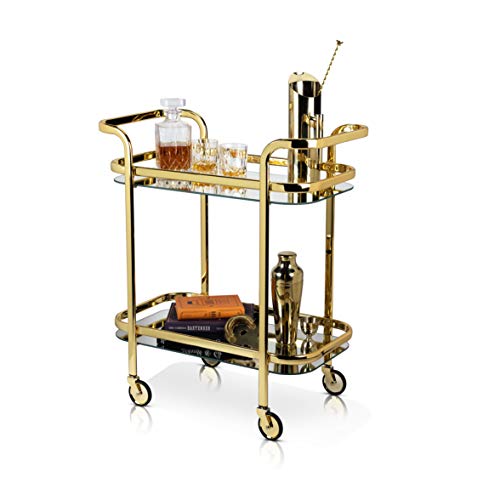
HOST IN STYLE with a shining bar cart featuring a trendy, timeless design that evokes the golden era of cocktails.
The Impact of Presentation on Cocktail Choice
What role does visual presentation play in the selection of cocktails? Presentation impact considerably influences consumers’ choices, particularly among cocktail enthusiasts. Approximately 41% prioritize high quality in their drink selections, while 23% seek a sense of premiumness through aesthetic appeal. Vibrant colors and fresh garnishes enhance perceptions of cocktail quality, making drinks more shareable on social media. Nearly 70% of drinkers are enticed to choose premium options when presented visually. Additionally, 76% are likely to recommend visually appealing cocktails, underlining the importance of presentation in customer satisfaction. In both formal and casual settings, the visual aspects of drinks have a pivotal role in driving consumer behavior, shaping initial decisions and enhancing experiences in various social contexts.
Frequently Asked Questions
Can You Shake Carbonated Cocktails Without Losing Carbonation?
A skilled bartender can use the shaking technique to enhance carbonation preservation in cocktails, balancing energy and duration. By shaking efficiently, the drinker enjoys both effervescence and flavor, fostering a shared experience around expertly crafted mixes.
Does Shaking or Stirring Affect Cocktail Flavor Profiles?
Shaking introduces texture variation and enhances flavor dilution, brightening citrus notes while softening spirit intensity. In contrast, stirring maintains a smoother, balanced profile, allowing for subtle appreciation of flavors, creating a sense of belonging among cocktail enthusiasts.
What Tools Are Best for Shaking or Stirring Cocktails?
The best tools for shaking include Cobbler shakers for beginners and Boston shakers for professionals, while stirring practices benefit from mixing glasses and bar spoons, fostering a sense of community among cocktail enthusiasts aspiring for perfection.
How Does Temperature Affect the Choice to Shake or Stir?
Temperature control influences the choice between shaking or stirring cocktails. Shaking rapidly cools and increases ice dilution, ideal for balancing bold flavors, while stirring maintains steadier temperatures, preserving integrity in more delicate, spirit-forward drinks.
Is There a Way to Combine Shaking and Stirring Techniques Effectively?
Combining shaking technique and stirring technique effectively involves shaking first to emulsify and chill, followed by gentle stirring to enhance texture and clarity. This sequence allows bartenders to create balanced, flavorful cocktails suitable for any occasion.