As an Amazon Associate, we earn from qualifying purchases. Some links on this site are affiliate links at no extra cost to you. Our recommendations are based on thorough research and editorial judgment.

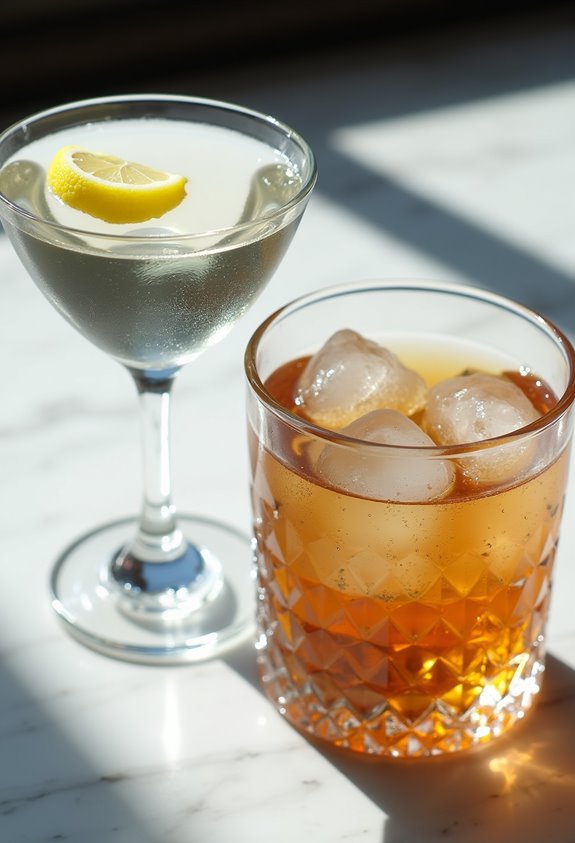
Why Are Some Cocktails Served Up And Others On The Rocks?

Some cocktails are served “up” while others are served on the rocks due to differences in ingredients and desired flavor profiles. Cocktails like martinis and Manhattans are served up to emphasize presentation and enhance delicate flavors. In contrast, drinks such as the Old Fashioned are served on the rocks, allowing ice to soften the spirit and evolve the taste through gradual dilution. Understanding these distinctions helps enhance the overall drinking experience and appreciate the artistry in cocktail preparation.
Key Takeaways
- Cocktails served “up” are chilled and strained to highlight delicate flavors and aromatics, enhancing the tasting experience.
- Serving cocktails “on the rocks” allows ice to enhance and soften the drink’s flavors while promoting an evolving taste as it dilutes.
- Certain cocktails are traditionally associated with specific glassware, which influences the choice between serving up or on the rocks.
- The selection depends on the type of spirits and ingredients used, with lighter, fresher cocktails often preferred on the rocks.
- The intended drinking experience shapes the decision; “up” drinks emphasize elegance, while “on the rocks” invites a more casual enjoyment.
Understanding Serving Styles
Understanding serving styles in cocktails is essential for both bartenders and enthusiasts. Different glass shapes dictate serving etiquette, with cocktail glasses often designed for drinks served up while lowball glasses accommodate on-the-rocks beverages. This reflects contemporary cocktail trends, where specific cocktails are traditionally served in designated glassware to enhance aroma and flavor. For instance, martinis are served up to maintain clarity and temperature, while drinks like the Gin Rickey favor an on-the-rocks format for refreshment. Additionally, the presence of ice in on-the-rocks cocktails allows for gradual dilution, enhancing the sipping experience. Mastery of these serving styles not only elevates the cocktail experience but also fosters a sense of community and belonging among those who appreciate fine beverages. Selecting the right cocktail glass type can further enhance the overall enjoyment and presentation of your favorite drinks.
The Concept of Serving Up
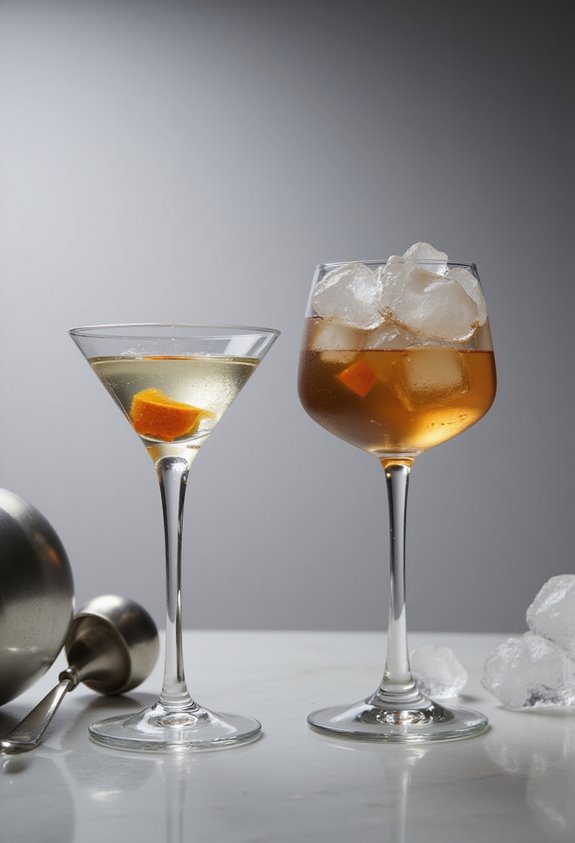
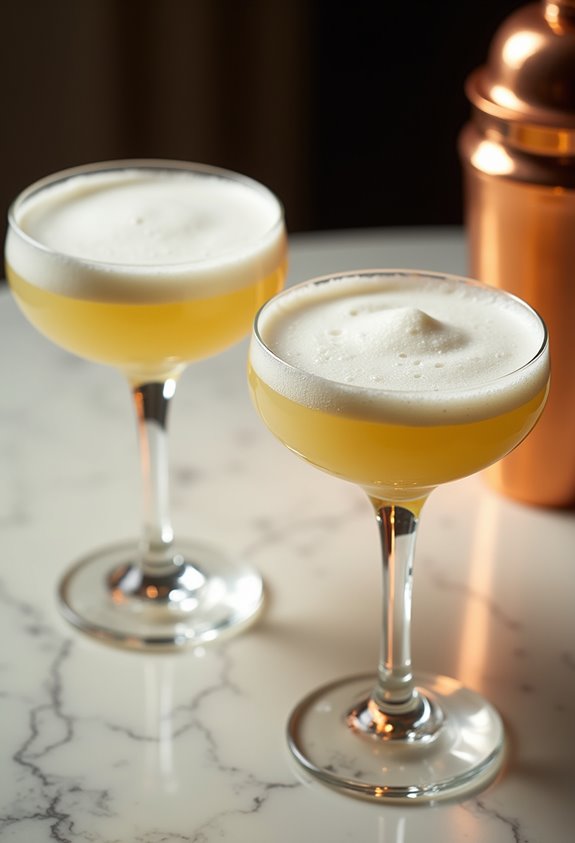
The concept of serving cocktails “up” refers to a specific method that emphasizes the drink’s flavor and presentation. This technique involves chilling the cocktail by shaking or stirring with ice, then straining to remove the ice before serving in a stemmed glass. This method is essential for cocktails with delicate flavor profiles, such as martinis and Manhattans, where flavor preservation is key. By serving cocktails up, bartenders guarantee the drink remains cold and undiluted, showcasing its intended balance. Stemmed glassware highlights elegance while enhancing aroma without interference from melting ice. The practice of serving up not only elevates the drinking experience but also reflects refined cocktail techniques that prioritize taste clarity and presentation. Additionally, using high-quality materials like 18/8 stainless steel in bar tools contributes to the overall cocktail preparation experience.
The Appeal of Serving On the Rocks
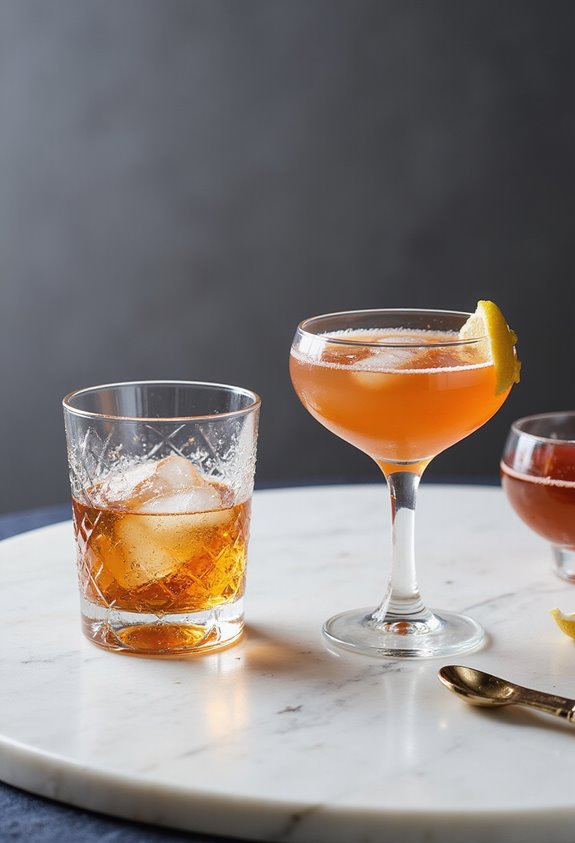
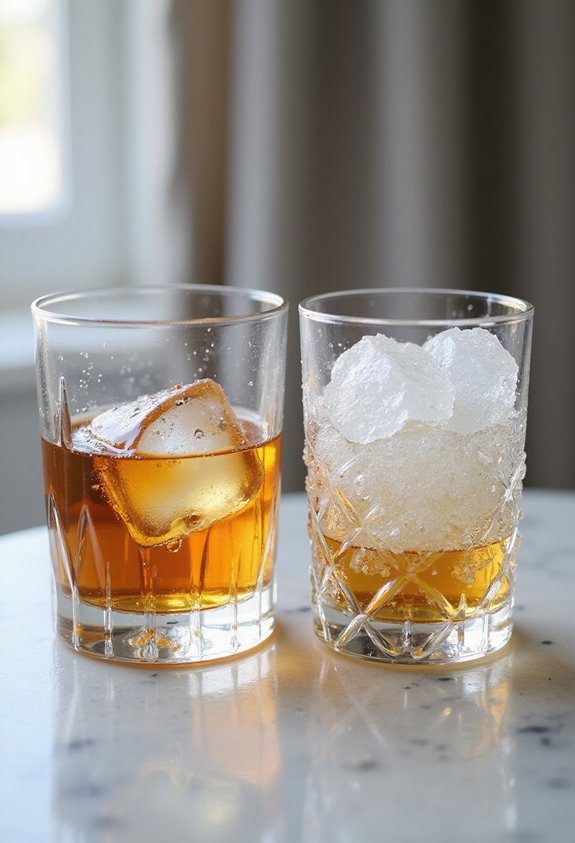
While many cocktail enthusiasts appreciate the elegance of drinks served up, the appeal of cocktails served on the rocks resonates with both casual drinkers and connoisseurs alike. Ice benefits are significant, as the cooling effect enhances flavor and aroma while softening the harshness of some spirits. The gradual melting of ice creates a dilution that promotes an evolving taste experience. This process not only opens up complex flavors in spirits like bourbon and gin but also manages the perception of alcohol strength. Additionally, serving on the rocks aligns with cultural practices and offers an approachable drinking style that fosters social connections. The tactile experience of chilled drinks invites consumers to savor their cocktails, making for a more relaxed atmosphere. Moreover, the cleanliness and clarity of glassware can significantly impact the overall drinking experience, reinforcing the importance of proper glass cleaning.
Factors Influencing Cocktail Preparation
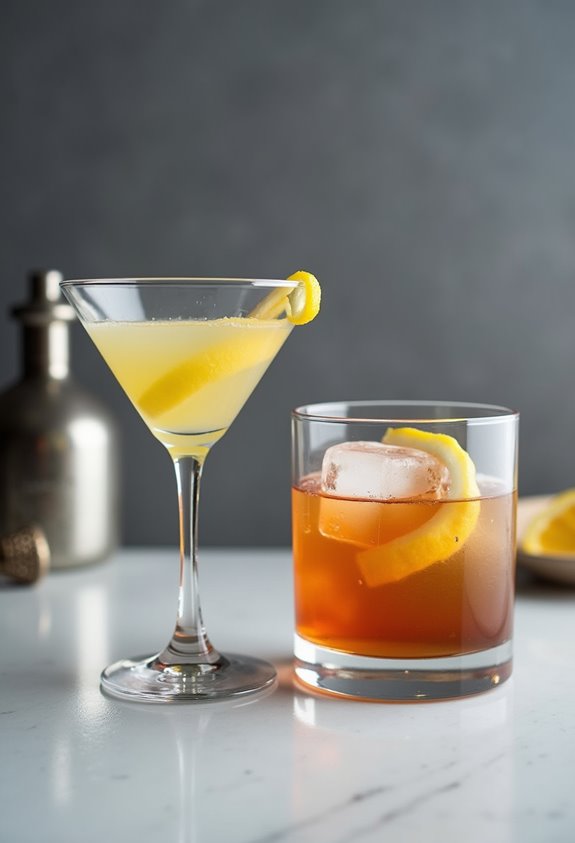
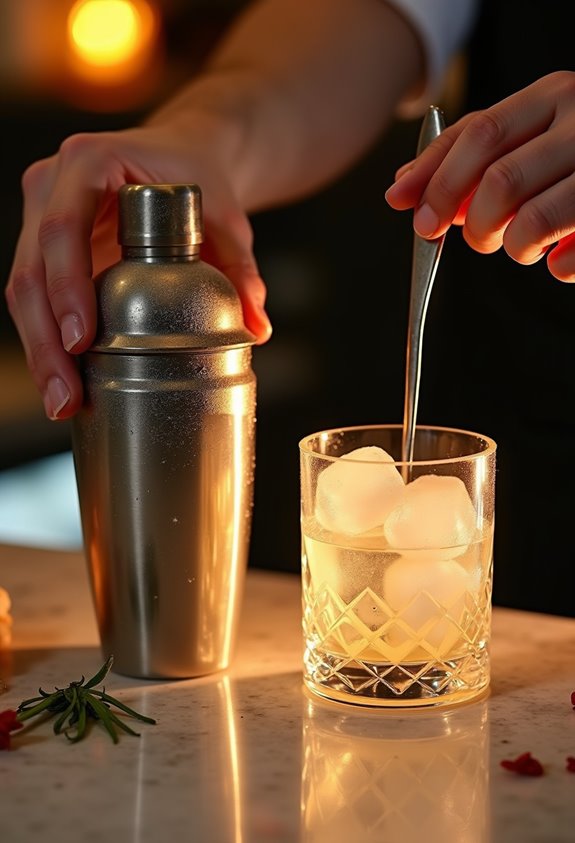
Factors influencing cocktail preparation encompass various elements, including ingredient characteristics, mixing techniques, and presentation styles. The quality of ingredients greatly impacts flavor balance, as fresh components create a richer profile. Specific mixing techniques, such as shaking or stirring, depend on cocktail complexity; for example, cocktails with citrus typically require shaking to guarantee thorough mixing. Additionally, the choice to muddle fresh herbs or fruits enhances depth, pulling out essential oils and flavors. Moreover, the selection of glassware plays a role in presentation, as certain styles elevate the drink’s aroma and visual appeal. Ultimately, achieving harmony in taste and aesthetic influences how both bartenders and patrons experience cocktails, fostering a shared appreciation for this craft. Furthermore, the use of essential cocktail tools can significantly enhance the precision and creativity in crafting cocktails, allowing for a more refined experience.
The Role of Temperature in Cocktails
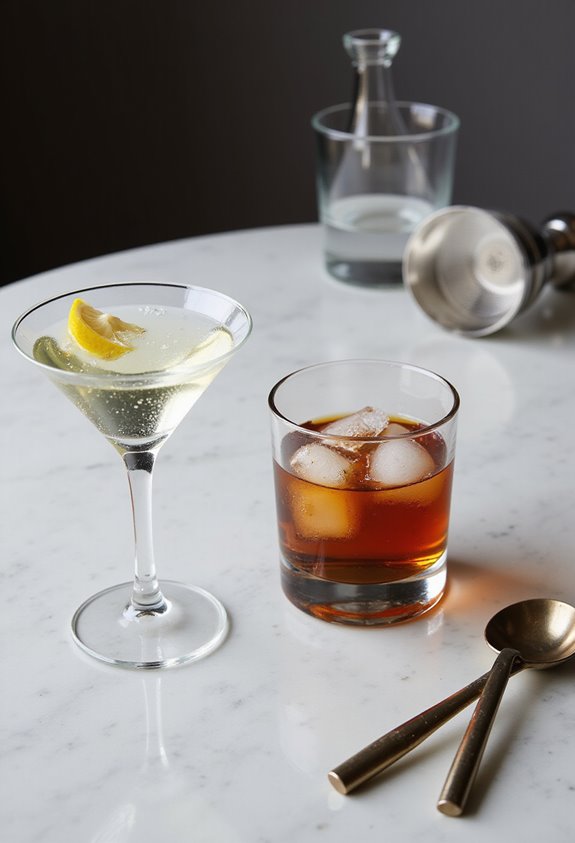
Temperature greatly influences the overall experience of cocktails, shaping both flavor perception and the sensory aspects of consumption. Cold temperatures suppress perceived sweetness, enhancing refreshment and creating a clean taste experience. Conversely, warmer temperatures amplify sweetness, balancing a cocktail’s richness and complexity. Serving temperature is essential, as a drink served too warm can accentuate alcohol burn, while colder options tame this harshness. Slight temperature effects can transform flavor recognition, sometimes making a cocktail taste entirely different. For example, “up” cocktails maintain lower temperatures longer, preserving crispness, whereas “on the rocks” drinks benefit from gradual warming, enhancing aroma and softening flavors. In this way, temperature intricately connects to the richness and appeal of every cocktail degree. Additionally, the right bar tools can significantly enhance the efficiency of temperature control during cocktail preparation.
Aesthetic Considerations in Cocktail Presentation
In cocktail culture, aesthetic presentation significantly enhances the drinking experience by reinforcing a drink’s identity and appeal. The careful selection of glassware serves to define the cocktail’s character—classic shapes evoke sophistication, while unique styles suggest a playful spirit. In addition, garnish creativity plays an essential role in adding color contrast and texture, transforming a simple drink into an artistic expression. Incorporating storytelling elements through presentation techniques can connect the cocktail to local culture or brand identity. Strategic lighting effects amplify colors and textures, creating a visually engaging display. By embracing these aesthetic considerations, bartenders elevate not just the cocktails themselves, but the overall experience for guests, fostering a sense of belonging within the vibrant cocktail community. Furthermore, using quality mixers enhances flavor and elevates cocktails, adding to their visual and taste appeal.
The Impact of Dilution on Flavor
While enjoying a cocktail, patrons may overlook the importance of dilution, which plays a significant role in flavor development. Dilution techniques vary greatly, impacting flavor perception. For instance, shaken cocktails often undergo more dilution due to vigorous ice agitation, resulting in a lighter texture, while stirred cocktails maintain a smoother, more spirit-driven taste. The type of ice also matters; larger ice cubes melt slower, preserving flavor, whereas crushed ice leads to faster dilution. Ideal dilution levels are essential to balance acidity, sweetness, and bitterness. Each cocktail requires a unique approach to achieve best flavor integrity. By understanding the science behind dilution, enthusiasts can enhance their tasting experience and appreciate the craftsmanship behind their favorite drinks.
Classic Cocktails Best Served Up
Classic cocktails served “up” are a tribute to the artistry of mixology, presenting drinks in elegant stemmed glassware such as coupes and martini glasses without ice. This method showcases classic ingredients and refined cocktail techniques, ensuring ideal flavor intensity. Cocktails like the Manhattan, Martini, and Negroni benefit from chilling but avoid dilution, preserving their aromatic qualities. The absence of ice maintains the visual appeal of these drinks, highlighting garnishes such as citrus twists or cherries. Straining cocktails into chilled glassware emphasizes balance, allowing drinkers to appreciate subtle flavor nuances. This presentation invites slower sipping, essential for experiencing the complexities of spirit-forward cocktails that rely on clarity and precision. Classic cocktails served up are a celebration of sophistication and tradition.
Popular Choices for On the Rocks
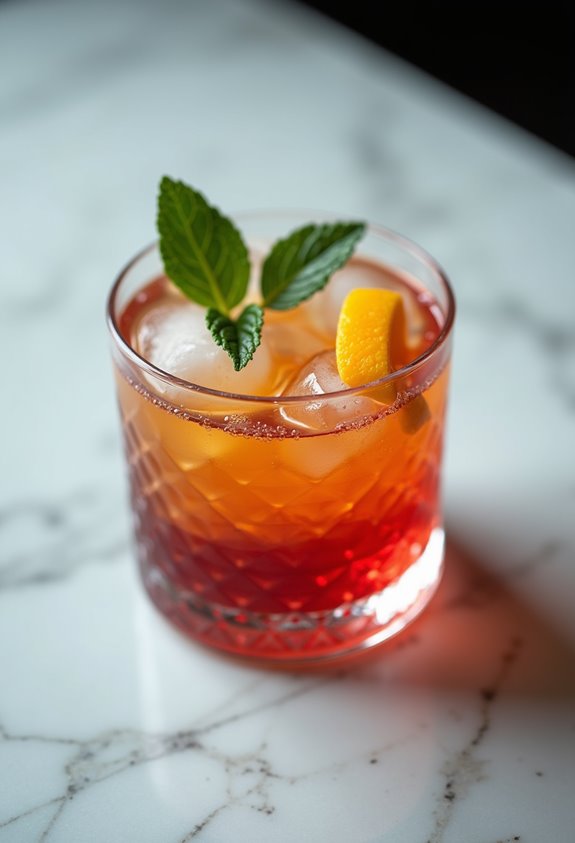
Cocktails served on the rocks have gained significant popularity among consumers who appreciate a revitalizing sipping experience. Whiskey and bourbon-based cocktails are often favored, as their flavors deepen with ice, with classics like the Old Fashioned showcasing this appeal. Meanwhile, tequila options, such as the Margarita or Rosita, highlight agave’s freshness when served on ice. Gin cocktails, like the Gin Bramble and Gin Rickey, offer a botanical complexity that shines when chilled. Rum drinks, including the Daiquiri and Mojito, capitalize on tropical flavors, while bitter cocktails like the Negroni balance sweetness and bitterness effectively on the rocks. Overall, these on the rocks choices reflect diverse cocktail preferences for an enjoyable drinking occasion.
Common Mistakes in Cocktail Terminology
What are the most common mistakes made in cocktail terminology? Many patrons misunderstand key terms, affecting their cocktail experience. For instance, using “neat” interchangeably with “straight up” can lead to incorrect orders. Misapprehending ice terminology is another issue; large ice cubes provide slow dilution for stirred drinks, while crushed ice quickly chills shaken cocktails. Mixing techniques are also misapplied, as shaking is meant for cocktails containing citrus or dairy, while stirring preserves clarity in spirit-forward beverages. Additionally, customers often confuse mixers, like seltzer and club soda, leading to unexpected flavors. Understanding these terms, rooted in cocktail history, is crucial for enhancing communication with bartenders and ensuring a satisfying drink experience without unnecessary complications.
Best Practices for Ordering Cocktails
Effective communication is essential for a seamless bar experience, particularly when ordering cocktails. Adhering to proper cocktail etiquette can greatly enhance service. Patrons should place their entire drink order at once, ensuring clarity for busy bartenders. When naming drinks, specify the primary liquor first, such as “Gin and Tonic,” to avoid confusion. For drink customizations, patrons may request single or double shots, and can specify whether they prefer their cocktails “up” or “on the rocks.” Additionally, selecting straightforward cocktails during peak hours helps maintain a smooth workflow. Using polite signals, such as eye contact, fosters respectful interactions. Ultimately, understanding the bar’s environment promotes a positive experience for both bartenders and customers.
Frequently Asked Questions
Can Cocktails Be Served Both up and on the Rocks?
Yes, cocktails exhibit remarkable versatility, allowing them to be served both up and on the rocks. Serving preferences often depend on personal taste, ensuring everyone can enjoy their drink in a way that feels right to them.
How Does Ice Impact the Flavor of Cocktails?
In a bustling cocktail bar, a whiskey sour’s flavor profile reveals itself as ice melts, achieving temperature balance and flavor dilution, softening harsh notes while enhancing sweetness, ultimately elevating the drinker’s experience and creating connection.
What Glassware Is Best for Different Serving Styles?
The glass shape greatly influences serving temperature and aroma. Up cocktails benefit from elegant, stemmed glasses, while on-the-rocks drinks thrive in sturdy tumblers, fostering a communal experience that enhances enjoyment and connection among friends.
Are There Specific Cocktails That Shouldn’T Be Served on the Rocks?
Certain specific recipes, like martinis and Manhattans, shouldn’t be served on the rocks due to their delicate flavor profiles. Ice dilution can disrupt the intended taste, emphasizing the importance of serving them straight up for peak enjoyment.
How Do Serving Styles Influence Cocktail Culture?
Serving styles, akin to delicate brushstrokes on a canvas, shape cocktail culture by harmonizing presenting aesthetics with cultural traditions. They foster connections, inviting patrons to gather and celebrate shared experiences through the artistry of each sip.