As an Amazon Associate, we earn from qualifying purchases. Some links on this site are affiliate links at no extra cost to you. Our recommendations are based on thorough research and editorial judgment.
Where Can I Find Cocktail Books In Different Languages?

Major online retailers such as Amazon, Barnes & Noble, and Book Depository offer cocktail books in multiple languages. Specialized shops, including Death & Co Market and Cocktail Kingdom, provide curated selections. For vintage editions, Antique bookstores and the EUVS Digital Collection are significant resources. Libraries and international sellers enhance access to diverse titles. Engaging with communities and publishers can yield further discoveries. Additional insights into specific titles and trends can expand knowledge of this niche literature.
Key Takeaways
- Major online retailers like Amazon and Book Depository offer multilingual cocktail books with global shipping options.
- Specialized stores such as Death & Co Market and Cocktail Kingdom feature curated selections of international cocktail books.
- Online marketplaces like AbeBooks provide access to rare and out-of-print multilingual titles from independent sellers.
- Digital platforms like EUVS Digital Collection and Open Culture showcase vintage cocktail books in various languages for easy access.
- Community forums and social media groups help enthusiasts exchange recommendations for cocktail books across different languages.
Major Online Retailers for Multilingual Cocktail Books
The landscape of multilingual cocktail books has expanded markedly, thanks to major online retailers providing broader access to diverse culinary literature. Amazon advantages include extensive selections in multiple languages and user ratings that guide readers toward popular titles. Barnes & Noble offerings primarily focus on English, with select bilingual editions enriching its inventory. Book Depository stands out through its global reach and free shipping, showcasing over a million titles, including niche languages. Waterstones selections prominently feature European languages, collaborating with international publishers for authentic editions. Ultimately, AbeBooks specialty lies in rare and out-of-print multilingual books, connecting buyers with independent sellers for unique finds. Together, these retailers enhance accessibility to cocktail literature for enthusiasts worldwide. Additionally, many cocktail books also include essential tools that are useful for aspiring mixologists, further enriching their learning experience.
Recommended Products


Specialized Cocktail Bookstores and Markets
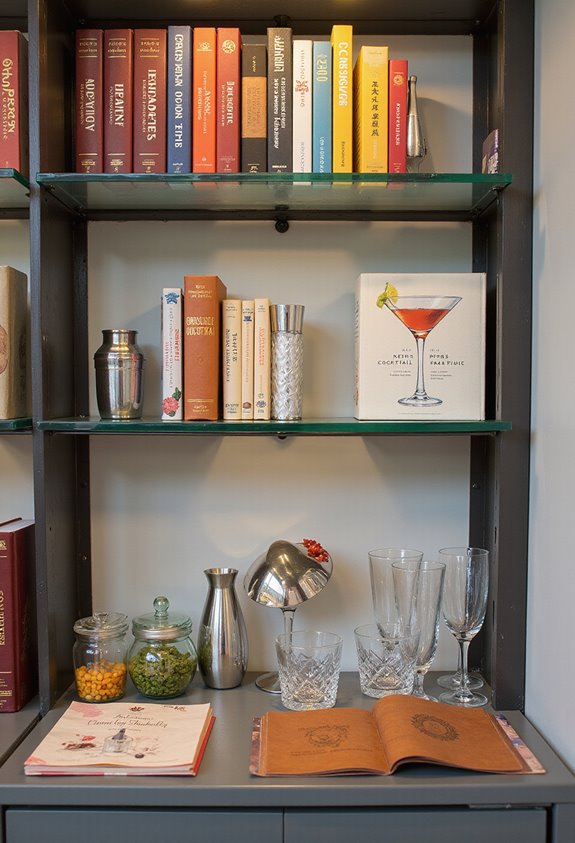
Specialized bookstores dedicated to cocktail literature have emerged in major urban centers, catering to enthusiasts and collectors alike. Notable outlets like Death & Co Market offer author-signed cocktail books and a selection of international tomes. Independent bookstores in cultural hubs such as Berlin and Lisbon may also feature diverse cocktail collections. In addition, Cook and Book in Brussels merges literature with gastronomy, while antiquarian bookstores, like Antiquariaat Brinkman in Amsterdam, provide unique finds in various languages. Cocktail book fairs and international bartending events often spotlight specialized vendors, promoting multilingual cocktail guides. Moreover, pop-up markets frequently serve as platforms for discovering innovative cocktail literature, creating a sense of community among cocktail aficionados keen to explore the craft in multiple languages. Additionally, many cocktail kits include essential tools to enhance the home bartending experience, making them a perfect complement to any cocktail book collection.
Recommended Products


Vintage and Rare Cocktail Book Collections

Vintage and rare cocktail book collections provide a fascinating glimpse into the evolution of cocktail culture. Prominent collections include Greg Boehm’s Rare Cocktail Library, which features works dating back to 1676, including Jerry Thomas’s first edition of “How to Mix Drinks.” Cocktail Kingdom in New York houses another extensive collection, accessible by appointment. The EUVS Digital Collection offers a searchable library of vintage cocktail texts from the 1820s to 1940s, enhancing rare book preservation efforts. Such collections often highlight vintage cocktail trends and provide insights through original bar menus and pamphlets. These rare works not only reflect the artistry of bartending but also the rich cultural exchanges inherent in cocktail history, making them invaluable for researchers and cocktail enthusiasts alike. Additionally, many of these collections emphasize energy efficiency guidelines that reflect the modern standards of preserving not just cocktails, but also the environment.
Online Marketplaces for International Editions
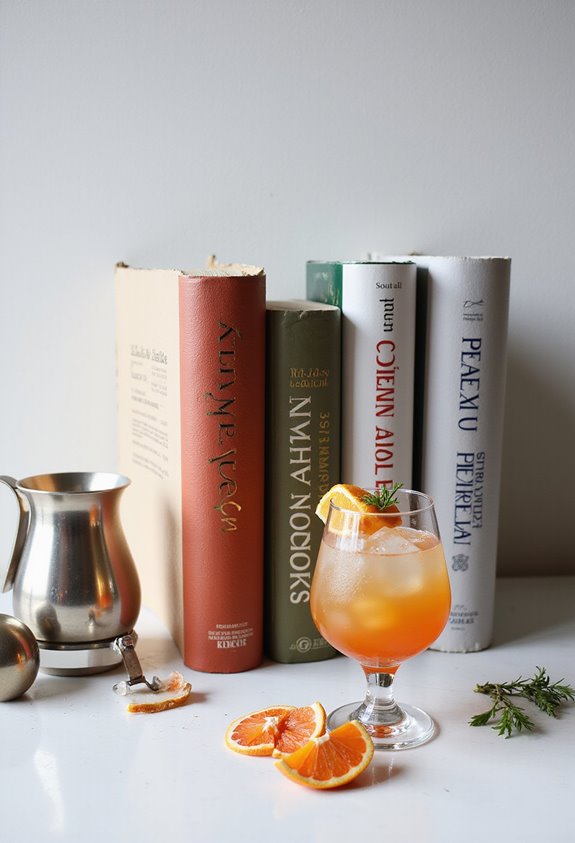
Although many readers might consider English as the primary language for cocktail literature, several online marketplaces cater to an international audience, offering a wide range of cocktail books in multiple languages. Major platforms like Amazon and eBay provide international titles in various languages, such as Spanish, Italian, French, and German editions. Specialty stores, including Cocktail Kingdom and Death & Co Market, feature curated international editions for multilingual readers. Additionally, platforms like AbeBooks and EUVS Digital Library specialize in rare and vintage language editions. Boutique bookstores also enhance language accessibility by offering selected titles online. These diverse resources empower cocktail enthusiasts to explore literature that resonates with their cultural backgrounds and language preferences, offering insights into smoke production efficiency for enhancing their mixology skills.
Libraries and Archives for Diverse Cocktail Literature
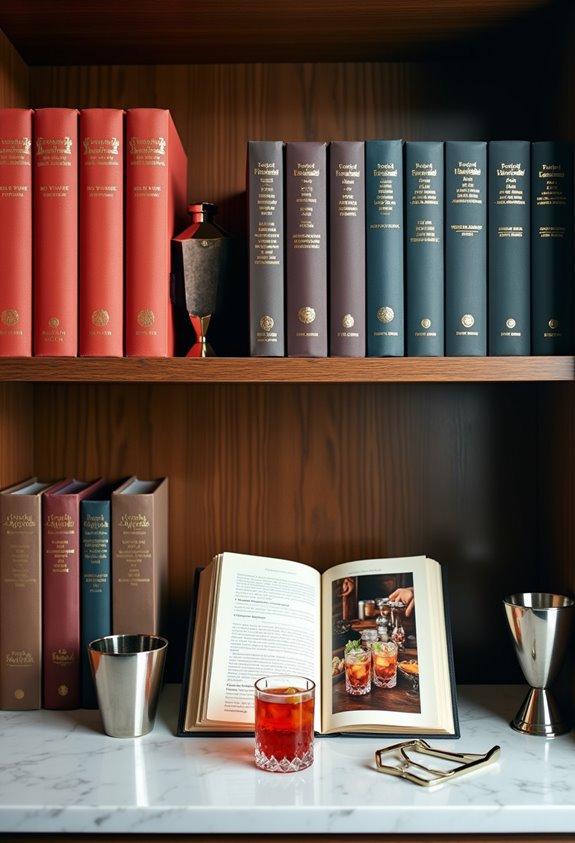
Libraries and archives around the world play an essential role in preserving diverse cocktail literature for researchers and enthusiasts alike. Institutions such as the Cocktail Kingdom Library in New York City offer over 3,000 vintage titles, while the EUVS Digital Collection provides free access to books in several languages. National libraries, including the Bibliothèque nationale de France, house important early cocktail literature. University libraries, such as those at Cornell University, support multilingual literacy and contain rare manuscripts. Digital resources, like the Internet Archive, curate international cocktail manuals, fostering cultural exchange. Additionally, specialized drink museums offer unique archival collections. Together, these resources encourage exploration into the rich history and diverse traditions of cocktail craft. Furthermore, premium olives that are often featured in cocktail recipes can also be discovered in various cocktail literature, enhancing the overall drink experience.
Popular Types of Cocktail Books Available in Various Languages
Cocktail books come in a wide variety of types and styles, catering to diverse audiences and cultures around the world. Classic works like *Vintage Spirits & Forgotten Cocktails* by Ted Haigh and *Old Waldorf Astoria Bar Book* by A.S. Crockett highlight cocktail history and unique drink culture. Thematic books, such as *The Japanese Art of the Cocktail* and *Apéritif: Cocktail Hour the French Way*, explore specific regional traditions. English titles like *The Joy of Mixology* combine technique with cocktail history, while classic manuals have been translated into multiple languages to enhance accessibility. Modern volumes, including *The PDT Cocktail Book*, continue to influence global mixology, showcasing the evolving landscape of cocktail literature across languages. Additionally, considering factors like material quality and aesthetic design can significantly impact your selection of cocktail glassware when experimenting with recipes from these books.
Recommended Products

COFFEE TABLE BOOK STACK: Set of 3 realistic 8” x 11” fake books with blank, unlined pages to write in or leave empty. Our large decoration books display beautifully as coffee table décor, office décor, kitchen décor or farmhouse décor for the home.

PERSONALIZED: this leather recipe book with personal laser engraving will become the best choice for the gift. Each custom cookbook binder can be different from the one you can see on photos because each piece of leather is unique. The color can be lighter or darker.

▶️ MAKE BARTENDER QUALITY COCKTAILS AT HOME: Learn over 100 Cocktail recipes! Each card includes ingredients, step-by-step instructions, history, flavor profile, and a QR code you can scan with phone or tablet to watch instructional video
Geographic and Language Trends in Cocktail Book Publishing
As the global interest in mixology continues to rise, geographic and language trends in cocktail book publishing are becoming increasingly prominent. The United States dominates the market, valued at $25.3 billion in 2026, fostering a rich pool of English-language titles. Meanwhile, China’s market, projected to hit $21.1 billion by 2030, shows growing interest in Mandarin cocktail books that reflect local cultural influences. European countries, such as Germany and France, are witnessing stable growth in multilingual cocktail literature tailored to regional flavors. Japan, too, maintains a niche market focusing on local spirits, highlighting its unique bar culture. This landscape reflects a vibrant cross-cultural exchange, as diverse readerships seek authoritative and engaging cocktail resources in their native languages.
Recommendations for Searching Multilingual Cocktail Books
Finding multilingual cocktail books requires knowledge of various resources that cater to diverse language preferences. International online booksellers like Amazon provide filters for language-specific search results, enhancing accessibility. Specialty bookstores dedicated to culinary literature often stock these books or accept special orders upon request. University libraries with gastronomy departments may offer unique collections, while public libraries serve communities with language-specific sections. Events such as international book fairs and food festivals showcase diverse titles, promoting cultural exchange. Forums and social media groups allow enthusiasts to trade recommendations and reviews. Readers seeking accuracy in translation should prioritize publishers known for their commitment to preserving cocktail history, ensuring each recipe resonates authentically across languages.
Digital Platforms Offering Translated Cocktail Content
Numerous digital platforms provide valuable resources for those interested in translated cocktail content. The EUVS Digital Collection features vintage cocktail books from the 1820s to the 1940s in multiple languages, including French. Additionally, the Exposition Universelle des Vins et Spiritueux hosts classic cocktail books, many without modern counterparts. Open Culture offers historic recipes from as early as 1753 in various languages. E-book marketplaces like Amazon Kindle and Apple Books provide translated titles in major languages such as Spanish and German. Mixology apps also present multilingual recipes, enhancing global cocktail culture. These digital solutions promote accessibility to diverse cocktail literature, fostering a vibrant community of enthusiasts engaged in digital mixology across different languages.
Engaging With Publishers for Foreign Editions
Engaging with publishers for foreign editions requires a nuanced understanding of the rights licensing process in the book industry. Authors and agents must navigate foreign rights carefully, conducting licensing negotiations that outline terms and conditions clearly. The original publisher or author’s agent typically manages these rights, guaranteeing contracts address aspects such as duration, format, and deadlines. Agents, evaluating a book’s international appeal, actively approach foreign publishers to secure translation deals. Within these agreements, the foreign publisher typically gains editorial control to adapt the content for local markets. Collaborative efforts between original and foreign publishers guarantee a profitable partnership, as they share responsibilities for marketing, production costs, and royalties, thereby enhancing the book’s reach across diverse cultures.
Frequently Asked Questions
Are There Specific Cocktail Book Authors Known for Multilingual Works?
Several multilingual authors have enriched cocktail literature. Notable figures like Masahiro Urushido and Jim Meehan have created works that resonate globally, bridging cultures and languages, making cocktail crafting accessible to diverse communities keen to explore.
How Do I Know if a Cocktail Book Is Available in My Language?
To determine language availability for cocktail books, individuals should check publishers’ websites, retailer descriptions, and library catalogs, ensuring translation quality meets expectations through reviews and community discussions about specific editions in different languages.
What Are Some Popular Cocktail Recipes Across Different Cultures?
Globally, cocktail enthusiasts enjoy over 200,000 Margarita variations, highlighting diverse flavor profiles. Sake cocktails also rise in popularity, merging tradition with modern creativity, creating shared experiences that connect cultures and foster community among drinkers.
Can I Find Cocktail Books Specifically Focusing on My Region’s Spirits?
Yes, numerous cocktail books focus on local libations, showcasing regional recipes. Specialty bookstores and online platforms often provide curated selections, fostering connections to the rich cultural tapestry of unique spirits from various regions.
Are There Cocktail Books That Teach Mixology Techniques in My Language?
Mixology manuals may manifest in myriad languages, minimizing language barriers for budding bartenders. Though various resources exist to explore mixology terminology, not all techniques are universally documented, so thorough searches yield the best results.