As an Amazon Associate, we earn from qualifying purchases. Some links on this site are affiliate links at no extra cost to you. Our recommendations are based on thorough research and editorial judgment.
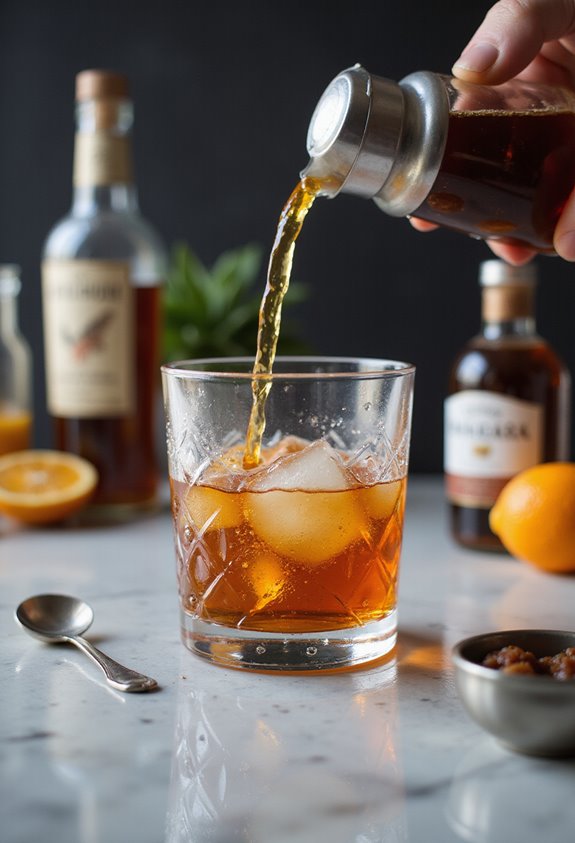
Where Can I Learn Advanced Cocktail Mixing Techniques?

Individuals interested in learning advanced cocktail mixing techniques have several options. Institutions such as Seller Server Online and A Bar Above provide extensive courses, both online and in-person. Topics include fermentation, molecular mixology, and innovative presentation methods. Additionally, masterclasses focus on advanced tools and techniques. Networking events with the United States Bartenders’ Guild further support professional growth. Each program markedly enhances bartending skills, offering potential pathways for career advancement and exploration of new cocktail trends. More insights follow.
Key Takeaways
- Enroll in professional advanced mixology courses from institutions like Seller Server Online and A Bar Above for comprehensive training in cocktail techniques.
- Explore specialized classes focusing on advanced fermentation and molecular mixology to learn innovative cocktail creation methods.
- Participate in masterclasses that teach advanced bartending tools and techniques, enhancing your cocktail’s texture and flavor.
- Join networking events hosted by the United States Bartenders’ Guild to connect with industry professionals and enhance your career opportunities.
- Consider online advanced mixology academies that offer accredited certifications and flexible learning options accessible globally.
Professional Advanced Mixology Courses
Professional advanced mixology courses provide aspiring bartenders with essential skills and knowledge for success in the competitive beverage industry. Institutions like Seller Server Online and A Bar Above offer extensive programs that cover a wide range of topics. Courses include bar tools, liquor types, and popular drinks, while also integrating craft cocktail trends and beverage science. These bartending certifications can enhance career prospects and meet regulatory requirements for alcohol server training in various U.S. states. Accessible remotely or in-person, these programs facilitate flexibility for learners. The immersive training experiences focus on both technical skills and customer interaction, preparing students for professional roles. By enrolling, individuals can gain a solid foundation in advanced mixology and elevate their bartending career opportunities. Many courses also provide insights into essential cocktail-making tools, which are crucial for mastering professional techniques.
Recommended Products

✔ THE LAST DRINK MIXER SET YOU'LL EVER NEED » A complete bartending kit cocktail set with all the bar cart essentials equipment you need to shake & mix up delicious adult alcoholic drinks & mocktails

All-in-one Bartender Kit» Barillio’s mission is to provide High-end products in the most complete bar tool set, while saving you cost and trouble. Barillio Pro Edition comes with all the mixology gear needed to make delicious cocktails at home, including some of Barillio’s design-patented barware. Just prop open the box and you’ll find 32 sleek bar tools that will surely upgrade your cocktail game.

PORTABLE BAR BAG: Enjoy cocktails on the go with the Barillio travel bartender kit. The professional cocktail maker set is securely organized in designated compartments within the stylish, coffee colored, waxed canvas bar bag. Mixology never looked better.
Specialized Mixology Classes and Techniques
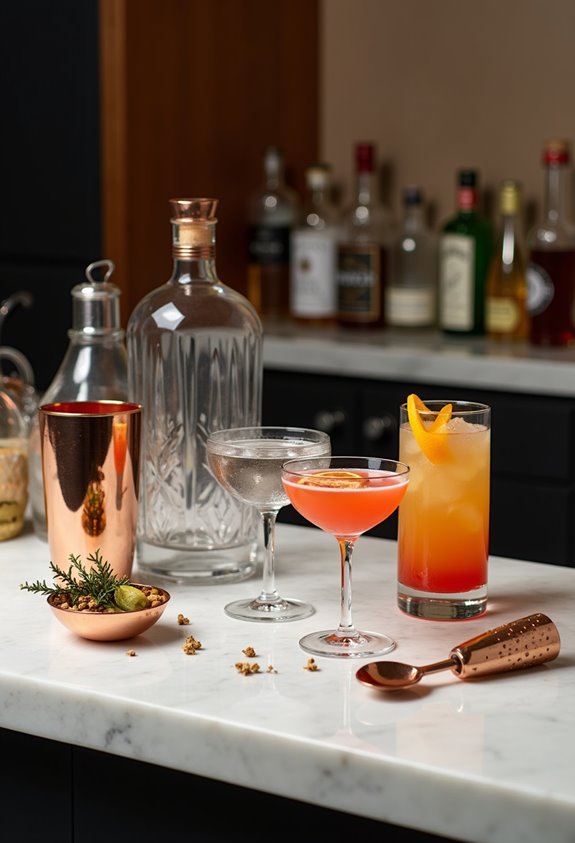
What specialized techniques are shaping the future of mixology? Advanced fermentation and molecular mixology classes emphasize innovative methods for cocktail creation. Techniques like fat-washing and clarification enhance flavors, integrating fresh ingredients for a tailored experience. Classes focus on crafting infusion-based syrups and acid-adjusted cordials that reflect current cocktail trends. Additionally, students learn to manipulate textures through foams and gels, using stabilizers and emulsifiers. Advanced garnishing skills are taught to elevate presentation, merging aesthetics with flavor enhancement. Live tutorials provide practical experience, allowing participants to explore unique flavor profiles and creative expressions. These specialized classes reflect a growing community dedicated to mastery in the art of cocktail mixing, fostering a sense of belonging among aspiring mixologists. Furthermore, many classes emphasize the use of high-quality infusions to elevate the overall cocktail experience.
Masterclasses on Advanced Tools and Methods
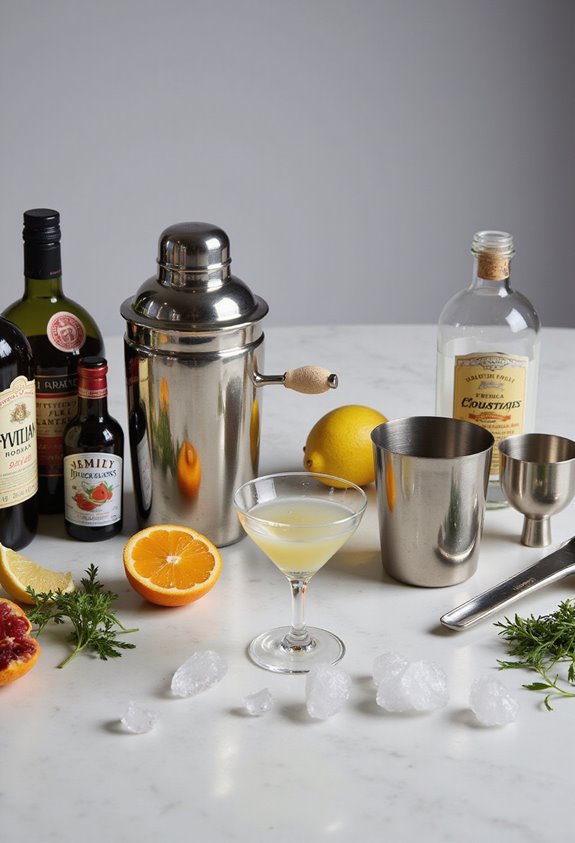
Masterclasses on advanced tools and methods in mixology are becoming increasingly popular among aspiring bartenders and enthusiasts. These sessions often feature sophisticated techniques like rotary evaporator distilling, which concentrates flavors and creates small-batch distillations. Additionally, sous vide barrel aging replicates the aging process of cocktails without the need for physical barrels. Participants learn to utilize advanced tools such as Hawthorne strainers and bar spoons to perfect their mixing methods. Innovative techniques like nitrogen cavitation and rapid infusion allow for quick flavor exploration, perfect for busy environments. By mastering these advanced tools and methods, attendees gain valuable skills that enhance cocktail texture and taste, bringing a touch of professionalism to their craft. Furthermore, many of these classes incorporate insights about high-quality stainless steel materials, ensuring participants understand the importance of durable tools in their cocktail-making journey.
Recommended Products
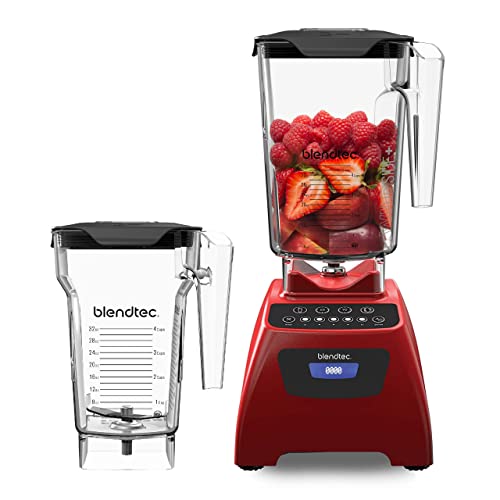
Powerful 1560 Watts, 120 volt, 13 amps, 3 Peak HP Motor

Hot Blends: Heat your soup or drinks in 6 minutes through friction heat with this kitchen blender

The world’s most versatile soda maker that carbonates water, juice, tea, cocktails, and more. Enjoy expanded drink options with a bundle designed to add convenience and extra value to your routine.
Intensive Advanced Bartender Training
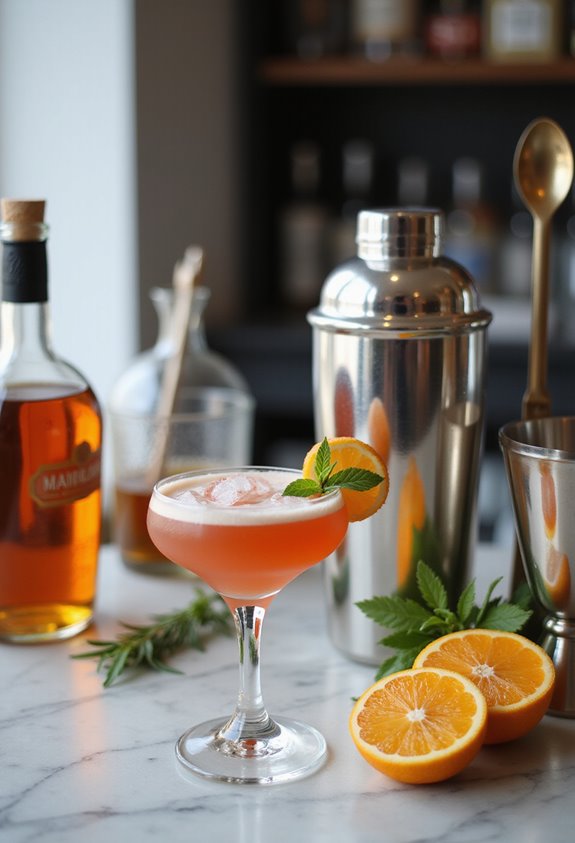
Intensive Advanced Bartender Training courses, offered worldwide in cities such as Amsterdam and Philadelphia, focus on refining the skills of experienced bartenders. These programs, ranging from four days to two weeks, exclude beginners and emphasize hands-on training with expert instructors. Participants engage in advanced cocktail preparation techniques and learn innovative methods like fat washing and spherification. Certifications from reputable institutions enhance professional credibility. Additionally, these intensive training programs often provide networking opportunities and job support, fostering connections within the industry. Participants not only master spirit tasting and cocktail innovation but also acquire essential skills such as efficient service and management strategies, ensuring they remain competitive in the fast-paced bartending landscape. Furthermore, the use of channel knives for garnishing can elevate the presentation of cocktails, showcasing the artistry involved in mixology.
Recommended Products


Overall Length: 8.4 Inches. Opener Length: 3.65 Inches. Closed Length: 5.205 Inches.

MULTI-FUNCTION DESIGN: Cut, slice, and peel garnishes effortlessly with the sharp 18/0 stainless steel blade, while the built-in bottle opener and forked tip provide added versatility.
Online Advanced Mixology Academies
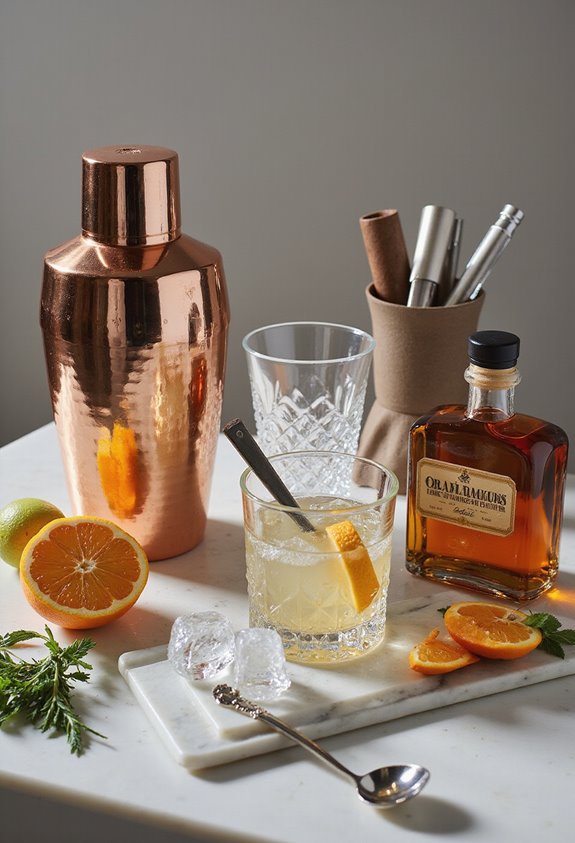
As the demand for skilled bartenders grows, Online Advanced Mixology Academies have emerged as an essential resource for those seeking to enhance their expertise. These academies offer accredited online mixology certifications that encompass a wide range of topics. Programs from providers like SellerServerOnline.com feature modules covering bartender essentials, advanced cocktail presentation, and ingredient knowledge. Students can learn at their own pace, as courses are accessible globally. Additionally, the Diageo Bar Academy hosts free masterclasses led by world champion bartenders, focusing on innovative techniques. Institutions like the European Bartender School provide downloadable materials and internationally recognized certifications. With flexible subscription models and modern techniques, these online platforms cater to aspiring mixologists keen to elevate their craft. Furthermore, many programs emphasize the importance of user-friendly interfaces to streamline the learning experience for students.
Regional In-Person Advanced Bartending Workshops
Regional in-person advanced bartending workshops provide essential training opportunities for aspiring mixologists seeking to refine their skills. Notable institutions such as The Cocktail Camp in San Francisco offer hands-on courses focusing on guest interaction and professional garnishing. Similarly, the National Bartending School near Berkeley provides extensive practical training in a mock bar environment, emphasizing bar management skills. The Local Bartending School in San Jose specializes in personalized 1-on-1 lessons, training students in advanced techniques while connecting them with busy local bartending hotspots. These workshops often emphasize local cocktail trends and state-specific certification requirements, ensuring participants gain relevant knowledge and skills to thrive in their communities. By merging theoretical knowledge with practical experience, these workshops foster a sense of belonging in the bartending community. Additionally, aspiring bartenders can benefit from learning about high-performance blenders, which are essential tools for creating unique and flavorful cocktail mixes.
Learning From World Champion Bartenders
Learning from world champion bartenders offers mixologists unique insights into advanced techniques and innovative practices that can enhance their craft. These champions employ flair performance not merely for spectacle but to streamline cocktail innovation and enhance efficiency. Techniques such as synchronized pouring and multi-object handling improve speed without compromising quality. World-class bartenders also showcase signature moves like behind-the-back pours and intricate catches, elevating showmanship and maintaining precision. Notable figures, such as Jacob Martin and Aashi Bhatnagar, offer masterclasses that explore these advanced skills. Such training emphasizes mental acuity and physical coordination, enabling bartenders to anticipate orders while managing multiple tasks simultaneously. By integrating flair with practical application, champions redefine what it means to excel in cocktail mixing.
Exploring Molecular Mixology Techniques
What techniques are transforming cocktail preparation into a mesmerizing scientific art form? Molecular mixology utilizes principles from molecular gastronomy, offering fresh experiences in flavor and texture. Key techniques include spherification methods, which form liquid-filled spheres, creating bursts of flavor. Bartenders use reverse spherification to craft visually stunning orbs that mimic classic ingredients. Emulsification methods enhance cocktails by stabilizing mixtures of fats and liquids, resulting in creamy foams from ingredients like egg whites and fruit juices. By adopting these innovations, bartenders can manipulate textures and flavors, delivering a multisensory experience. Vacuum sealing and sous vide processes further enrich infusions, enabling unique flavor combinations that traditional methods cannot achieve. Molecular mixology continues to redefine the cocktail landscape by blending art and science.
Developing Unique Signature Cocktails
Developing unique signature cocktails has become an essential aspect of modern bartending, where creativity meets meticulous craftsmanship. Bartenders start by mastering classic flavor profiles—sweet, sour, bitter, salty, and umami—to create balanced or contrasting drinks. Selecting a base spirit, such as gin or whiskey, allows for individual expression and audience connection. Unique ingredient pairing, like homemade syrups and surprising garnishes, distinguishes these cocktails. Equally important, the cocktail’s story enhances its identity, attracting patrons. Bartenders utilize flavor balance techniques, ensuring no single taste dominates. Feedback from peers and patrons aids refinement, while detailed notes support the experimentation process. Presentation, including creative garnishes and appropriate glassware, ultimately transforms a drink into a memorable experience, reinforcing the drink’s narrative.
Hands-On Training With Specialized Equipment
Hands-on training with specialized equipment is vital for aspiring mixologists seeking to elevate their craft and guarantee accuracy in cocktail preparation. Tools such as sous vide machines allow for accurate temperature-controlled infusions, enhancing flavors without introducing bitterness. Immersion circulators further assure even infusion and chilling. Advanced techniques, like clarification methods employing centrifuges, create crystal-clear cocktails by removing fine particles while maintaining rich flavors. Superbags and gelatin clarification are also fundamental for achieving aesthetic clarity. Participating in workshops featuring this state-of-the-art equipment at reputable bars or culinary schools enables learners to master essential skills. Establishments like 100% Barman provide access to these tools, assuring that budding cocktail artisans gain firsthand experience and cultivate their creativity in an inviting community.
Networking Opportunities Within the Bartending Community
In the vibrant world of bartending, how do professionals effectively cultivate connections that can advance their careers? Industry networking events, such as the United States Bartenders’ Guild meetings, create valuable community connections. Events like Bar Convent Brooklyn and the San Antonio Cocktail Conference foster networking strategies by bringing bartenders, brands, and educators together. Additionally, international festivals, such as Barra Mexico and Singapore Cocktail Festival, enhance global collaboration. Online forums also play a pivotal role, offering virtual platforms for sharing techniques and advice. Competitions elevate professional visibility while workshops encourage hands-on interaction, solidifying relationships among peers. Altogether, these opportunities empower bartenders to enrich their skills and expand their professional networks, ultimately benefiting their careers within the bartending community.
Frequently Asked Questions
How Much Do Advanced Mixology Courses Typically Cost?
Advanced mixology courses typically cost between $100 to $800, depending on factors like duration and format. Individuals should engage in budget planning to guarantee they access suitable training that enhances their cocktail crafting skills.
Are There Prerequisites for Enrolling in Advanced Bartending Training?
Prerequisite skills are generally required for enrollment in advanced bartending training, ensuring candidates possess foundational knowledge. These criteria emphasize the importance of prior experience, preparing participants for the complexities of high-level mixology within the industry.
Can I Get a Certification From These Advanced Mixology Courses?
Yes, participants can obtain certification from advanced mixology courses, which often offer recognized course accreditation. These certifications provide benefits such as enhanced employability, validation of skills, and increased confidence in creating sophisticated cocktails in diverse settings.
What Is the Duration of Online Advanced Mixology Academies?
Online advanced mixology academies boast a delightful course schedule, bursting with 180+ bite-sized videos, tailored to every learner’s unique pace. This flexibility encourages aspirants to master cocktail techniques at their own rhythm, fostering community and connection.
Are Classes Suitable for Beginners or Only Experienced Bartenders?
Classes are designed for both beginner expectations and experienced bartenders, offering pathways that accommodate various skill levels. This inclusive approach fosters a sense of belonging, encouraging all participants to enhance their bartender experience at their own pace.