As an Amazon Associate, we earn from qualifying purchases. Some links on this site are affiliate links at no extra cost to you. Our recommendations are based on thorough research and editorial judgment.

Are There Quick Fixes For Over-diluted Cocktails?

Over-diluted cocktails can undermine flavor and potency. Quick fixes include adjusting mixing techniques, such as using larger ice cubes to slow melting. Quality ingredients like fresh juices and high-quality spirits enhance taste. Adding bitters can balance sweetness effectively. Instead of freezing cocktails, ideal chilling methods should be employed. Building cocktails directly in the glass allows for better integration. Using textured additives like egg whites can enhance mouthfeel. More strategies can help combat dilution effects effectively.
Key Takeaways
- Add a splash of fresh juice or a dash of bitters to reinvigorate flavors in an over-diluted cocktail.
- Use high-quality spirits to enhance the drink’s profile and mask excessive dilution.
- Incorporate a flavored syrup or a flavorful modifier to balance out the taste lost from dilution.
- Chill a new glass and transfer the cocktail to minimize dilution while maintaining a suitable temperature.
- Add a fresh garnish or aromatic herbs to elevate scent and enhance flavor perception, masking dilution effects.
Understanding Over-Dilution in Cocktails
Over-dilution in cocktails refers to the excessive incorporation of water, primarily through the melting of ice, which can compromise the drink’s flavor and potency. Proper dilution is essential for achieving balanced cocktail viscosity, enriching aromas and mouthfeel while enhancing refreshment. However, exceeding dilution thresholds ultimately results in tasteless, watered-down beverages that detract from enjoyment. Factors such as ice size and method of mixing, like shaking versus stirring, notably influence the rate of dilution. Smaller ice pieces and aggressive shaking lead to rapid water addition, while larger cubes melt slower, allowing for better control. Understanding these mechanics aids in preserving intended flavors, making each cocktail an inviting experience for those who appreciate the craft. Additionally, incorporating unique flavors from bitters can enhance complexity and balance in cocktails, further mitigating the effects of over-dilution.
Signs of an Over-Diluted Cocktail
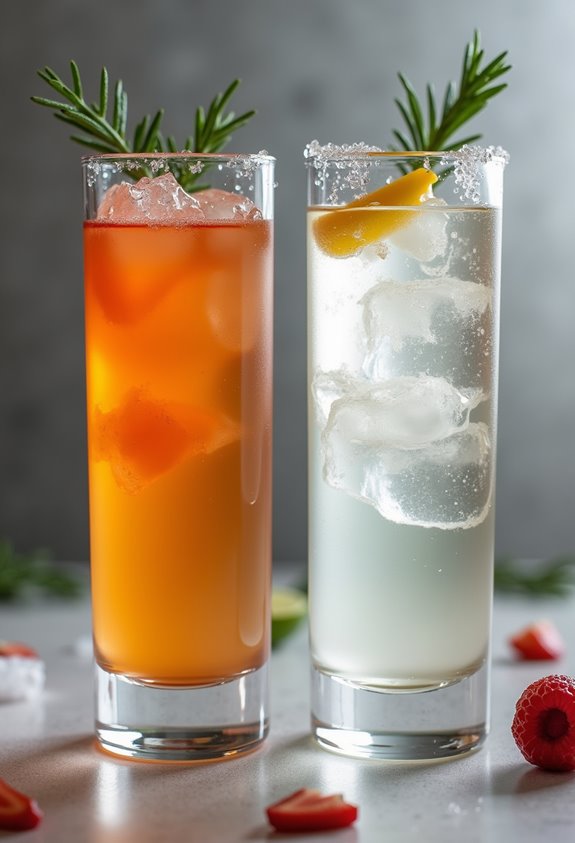
How can one identify an over-diluted cocktail? There are several visual indicators and taste characteristics to take into account. An over-diluted cocktail typically appears more watery and lacks the vibrant color expected. Additionally, garnishes may seem soggy, and the texture is thinner than usual. Flavor balance suffers as primary ingredients become muted, diminishing the cocktail’s overall strength and complexity. Aromatically, the drink’s nose may be faint, lacking the expected botanical scents. Moreover, physical symptoms for consumers may include mild headaches or dehydration, potentially misleading drinkers about the cocktail’s true strength. Recognizing these signs helps guarantee enjoyment and enhances social experiences with cocktails, maintaining a sense of belonging among enthusiasts. To improve the flavor and texture of cocktails, consider adjustable temperature settings which can help achieve optimal mixing conditions.
Adjusting Mixing Techniques
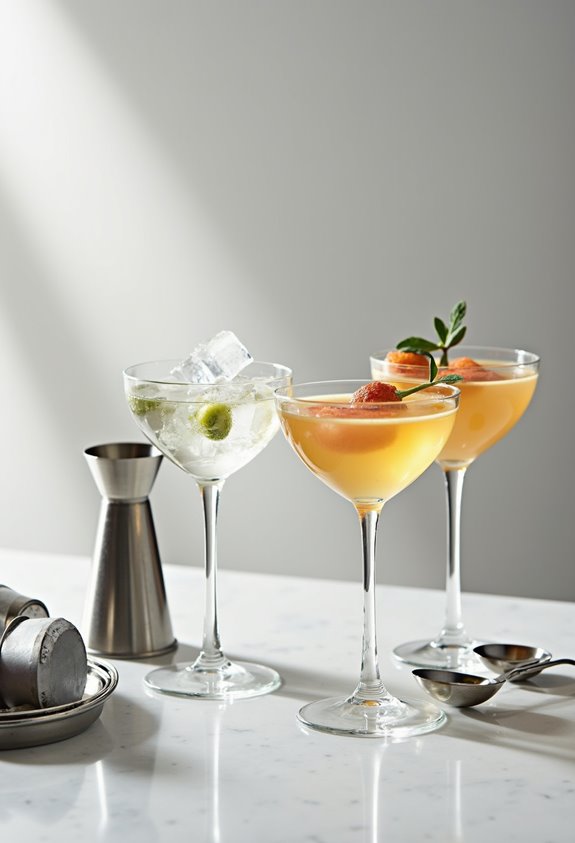
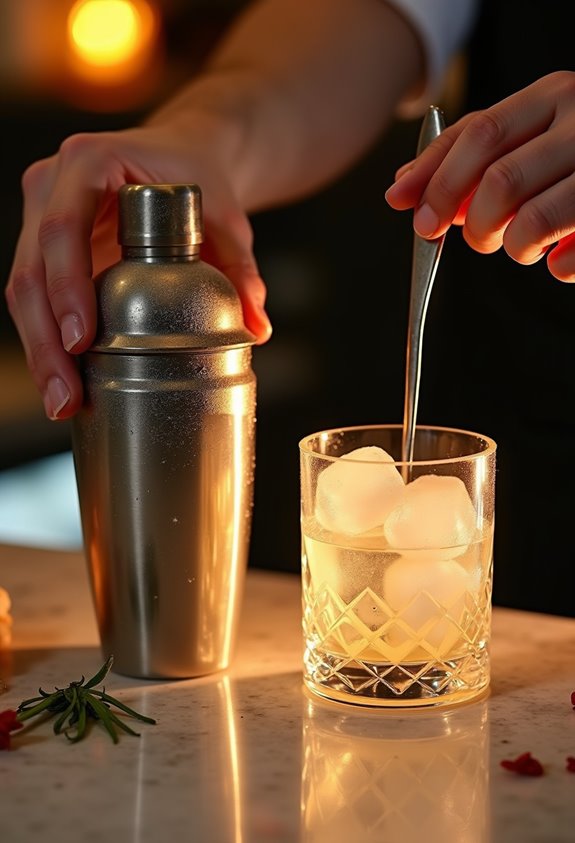
Adjusting mixing techniques is essential for maintaining the integrity of a cocktail’s flavor and texture. Diversifying mixing styles, such as shaking and stirring, can greatly affect dilution rates. For example, using large ice cubes during a shake slows melting, thereby reducing excessive dilution while chilling the drink effectively. Shorter whip shakes yield minimal dilution, preserving the cocktail’s character. Conversely, when stirring, employing a moderate speed for 20-30 seconds helps retain clarity and texture. Pre-chilling glasses can minimize further dilution during service. These technique adjustments, including careful attention to ice selection and temperature control, guarantee that cocktails maintain their intended profiles, making them enjoyable for all who partake. Additionally, utilizing insulated cocktail shakers can further enhance temperature control, preventing unwanted dilution. Optimizing these methods can create a better cocktail experience.
Recommended Products
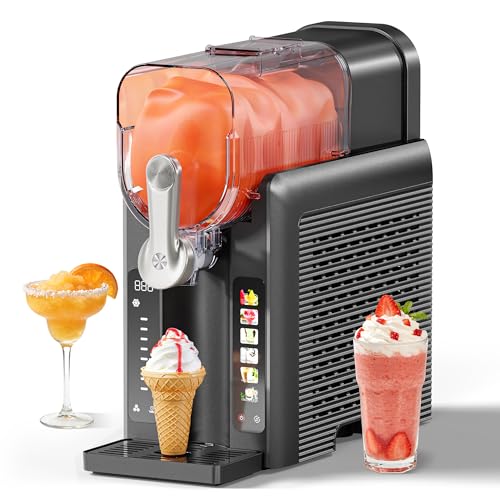
Skip the Ice, Savor Pure Flavor: This slushy maker features advanced cooling technology that freezes your drinks without a single ice cube. No watery mess from melting ice, no diluted taste—just rich, genuine flavor in every gulp

The Breville Super Q is a super-quick, stronger and more personal, commercial grade blender; The most powerful motor, 5 one touch programs and 12 speed settings ensure smooth and soft textures with less noise due to blender's noise suppression technology

Easy to Use: The Classic 575 kitchen blender has 4 cycles for perfect soups, smoothies, and shakes
Using Quality Ingredients
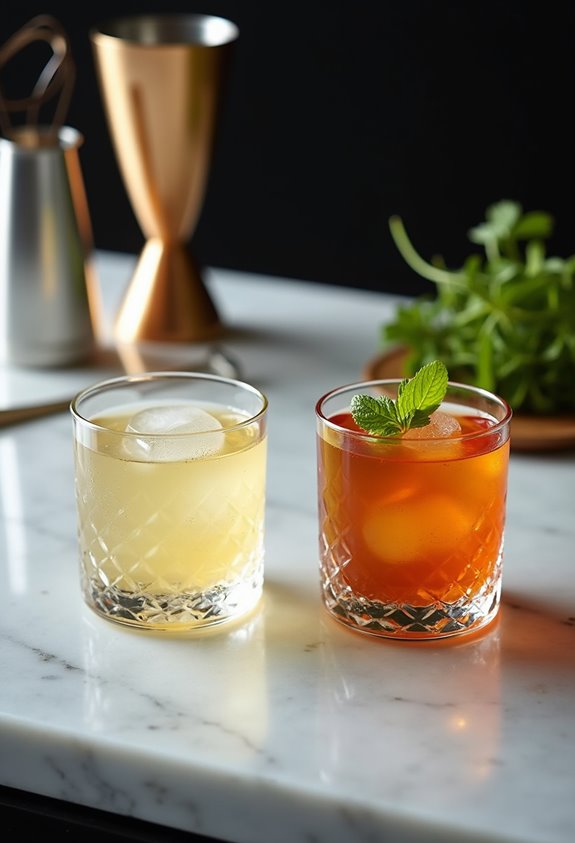
Quality ingredients play an essential role in the crafting of cocktails, influencing their flavor and overall character. Choosing high-quality base spirits guarantees a richer flavor profile that holds up against dilution, preserving the cocktail’s essence. Premium spirits typically contain balanced congeners, enhancing aroma and taste even when mixed. Freshly squeezed juices serve as essential enhancing mixers, providing vibrant acidity and natural sweetness that improve balance despite any dilution. Crafting homemade simple syrups from pure cane sugar allows for clean sweetness, while fresh herbs and garnishes elevate complexity. Finally, using filtered water assures that dilution does not introduce off-flavors, supporting the integrity of the cocktail. Together, these quality ingredients minimize the need for corrective measures in over-diluted drinks. Additionally, using portable ice makers can provide consistent ice production, ensuring that your cocktails remain perfectly chilled without excessive dilution.
Recommended Products

ELEGANT EVENT TENT: Our High Peak Frame Tents are designed for a quick and easy setup. This stylish, sleek easy high peak canopy tent can be set-up on grass, in a parking lot, or on other asphalt surfaces with one of our stake drivers (not included). Their size and elegant look make them ideal for outdoor events such as vendor booths at fairs, craft shows, flea markets, trade shows and similar events.

Includes one cabinet with two doors easy accesible from any side.

Includes one cabinet with two doors easy accesible from any side.
Incorporating Bitters and Modifiers
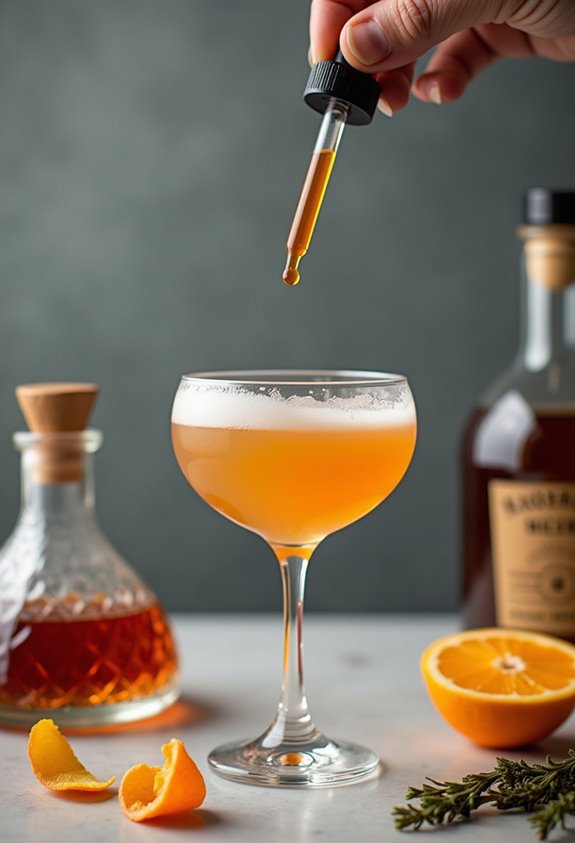
Incorporating bitters and modifiers into cocktails serves as an effective strategy to rectify over-dilution and restore balance. By carefully selecting bitters like aromatic or orange varieties, bartenders can counteract excessive sweetness while adding depth. A few dashes—typically 6-8 drops per ounce of spirit—enhance flavor without overwhelming the drink. Additionally, combining bitters with fresh citrus juice or a dash of amaro can further brighten flavors. This approach relies on thoughtful flavor pairing and testing, enabling adjustments to achieve the desired taste. Ultimately, bitters and modifiers act as essential tools in the cocktail toolkit, providing solutions to maintain harmony in drinks, especially in social settings where camaraderie around perfect cocktails thrives. Using high-quality blood orange bitters can significantly elevate cocktail flavors and enhance overall enjoyment.
Increasing Spirit Strength
Increasing spirit strength is a critical technique for bartenders seeking to enhance the potency and flavor of cocktails. By incorporating high-proof modifiers, bartenders can directly raise the alcohol content of their drinks. These spirits, typically above 50% ABV, contribute rich flavors but may introduce a burning sensation, requiring careful balance with other ingredients. Bartenders often benefit from spirit layering techniques, allowing for gradual increases in potency without significant dilution. Additionally, infusing spirits with botanicals or fruits enhances complexity while maintaining volume. Adjusting non-alcoholic components and utilizing larger ice cubes can also help preserve alcohol concentration. Effective management of dilution versus strength guarantees a well-rounded and flavorful cocktail experience that resonates with patrons. Utilizing high-quality materials in cocktail shakers can also prevent leaks and enhance the mixing experience.
Recommended Products


Stylish Home Bar Storage Solution: The Kozyard home bar unit adds both style and functionality to your home. Designed with spacious shelves and practical storage space, it keeps glassware, wine bottles, spirits, and bar accessories neatly organized. Perfect for kitchens, dining rooms, or living rooms, this indoor bar cabinet enhances your space while creating a dedicated area for entertaining guests.
Choosing the Right Ice
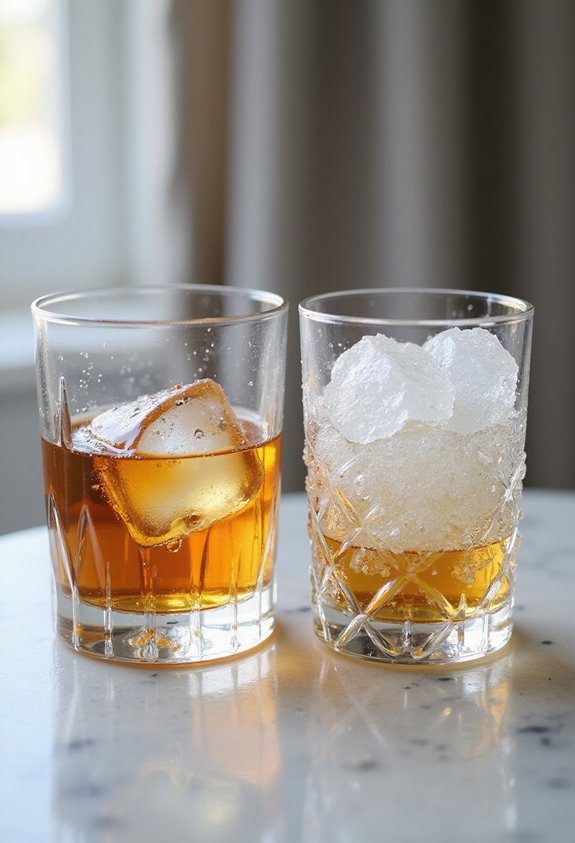
Choosing the right ice is essential for maximizing the quality and integrity of cocktails. Different ice shapes and sizes greatly influence cocktail dilution and temperature. Larger ice cubes, such as those measuring 2×2 inches, melt slowly, preserving the flavor of spirit-forward cocktails like the Old Fashioned. In contrast, crushed ice cools rapidly but introduces excessive dilution, best suited for tiki drinks. Standard ice cubes offer balanced dilution, making them perfect for medium cocktails. Spherical ice shapes minimize exposure and melting due to their surface area, enhancing chill without compromising taste. Overall, selecting the appropriate ice type helps maintain a cocktail’s intended flavor profile, ensuring a superior drinking experience for all enthusiasts.
Recommended Products

Sealed, maintenance-free bearings for reduced preventative maintenance and long-lasting performance
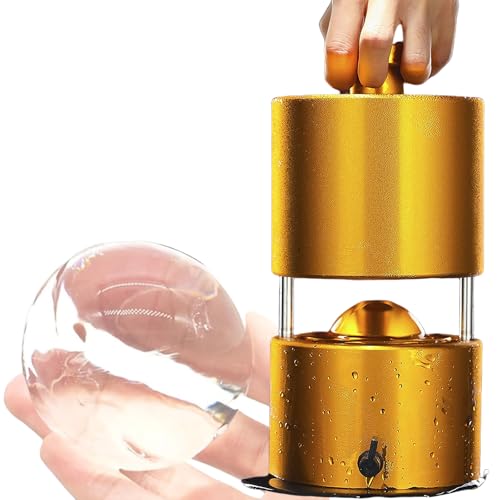
QUICK COMPRESSION: The ice ball press utilizes gravity and the natural heat conductivity of metal to compress ice cubes, cutting them into appropriately sized ice balls. A single ice ball can be made in 40-60 seconds, and if you want to reuse it multiple times, please soak it in warm water before reuse.

🌞[ Novelty Decor ]:Fake led ice cubes night lights will look funny and novelty inside swimming pool or champagne towers .light up ice cubes maybe as a bath lights for kids,you can light up bath cubes for kids bathtub. Glow cube will bring you a unique atmosphere when you take the lighted ice cubes for whiskey cocktail drinks ,wine party, night clubs, bars, music events, weddings, and other holiday , Christmas or new year decorations
Ice Management Strategies
Effective ice management strategies are critical in cocktail preparation, ensuring ideal flavor and temperature are maintained throughout the drinking experience. Using ample fresh ice, preferably stored in drained ice wells, helps cocktails stay colder for longer, limiting dilution. Ice shapes also play a role; larger ice cubes or spheres have less surface area, reducing melt rate. Handling ice with tongs or scoops prevents contamination and unwanted melting. It is essential to store ice in airtight containers to avoid imparting unwanted flavors. Additionally, chilling tools prior to use minimizes heat transfer, preserving the ice’s integrity. By employing these methods, bartenders can effectively control dilution and enhance the overall enjoyment of cocktails.
Recommended Products

Commercial Scotsman Gourmet Ice Maker Machine creates crystal clear octagonal shaped top-hat ice cubes for mixed drinks. The Ice produced is crystal clear and very hard, this creates a slow melt and keeps your drinks ice cold with less dilution over time

COMMERCIAL ICE MACHINE FOR BUSINESSES: Elevate your ice-making capabilities with our Foster 1000 lbs modular ice-making machine. Equipped a water filter, this ice maker is perfect for restaurants, bars, and food service operations. (Head only)
The Right Mixing Duration
Understanding the right mixing duration is vital for achieving the ideal flavor and alcohol content in cocktails. Mixing precision influences dilution, directly affecting the final taste and character of the drink. Typically, stirred cocktails require 45 seconds to 2 minutes of mixing to reach the desired chilling while maintaining cocktail equilibrium. Stirring for around 45 seconds often achieves optimal dilution without over-watering the beverage. Conversely, shaking cocktails typically need only about 15 seconds for proper consistency. It is essential to monitor mixing duration, as prolonged agitation can lead to excessive dilution and a softened flavor profile. Bartenders equipped with scales and temperature probes can standardize these processes, ensuring consistent results across varied cocktail types and styles.
Balancing Flavors
In the domain of mixology, balancing flavors becomes essential, especially when cocktails suffer from over-dilution. One effective method is sweetness adjustment, where increasing sweet ingredients, such as simple syrup, can restore the drink’s harmony. This subtle adjustment counteracts weak flavors and softens harsh alcohol notes. Additionally, incorporating fresh citrus juice enhances acidity, providing a sharp contrast that revitalizes the cocktail’s profile. Bitters, with their complex flavor profiles, can add depth and aromatic richness that combats dilution. Saline solutions, when used sparingly, can also enrich the overall flavor perception, creating a fuller experience. By employing these techniques, bartenders can achieve significant flavor enhancement, ensuring that cocktails maintain their intended character and appeal.
Chill Instead of Freeze
Chilling cocktail glasses rather than freezing them can enhance flavor and presentation while mitigating risks associated with extreme temperature changes. Various chilling techniques exist to achieve ideal cooling without compromising the integrity of glass types. For instance, placing glasses in front of a freezer fan can chill them in two minutes using convection. Alternatively, wrapping a moist towel around a glass utilizes evaporative cooling to reduce the temperature effectively. Filling a glass with crushed ice can also cool it rapidly. While freezing can be convenient, it risks thermal shock, especially with delicate glassware. Chilling enhances the overall sensory experience, ensuring cocktails remain crisp, flavorful, and well-presented from the first sip to the last.
Building Directly in the Glass
Building cocktails directly in the glass has gained recognition as a practical technique for optimizing flavor and efficiency in bartending. This method allows bartenders to guarantee ingredient balance while enhancing cocktail presentation. By mixing ingredients before adding ice, bartenders can achieve better integration without obstruction. Ice is added extensively afterward to chill the drink effectively, limiting excess dilution. Stirring gently integrates components without losing carbonation, especially essential for drinks with sparkling elements. Muddling solid ingredients like mint retains flavors and aromas, elevating the cocktail’s complexity. This approach is particularly beneficial in busy bar environments, saving time and reducing the need for additional tools. Observing the ice melt helps manage dilution, guaranteeing a well-balanced and flavorful drink for patrons.
Utilizing Textured Additives
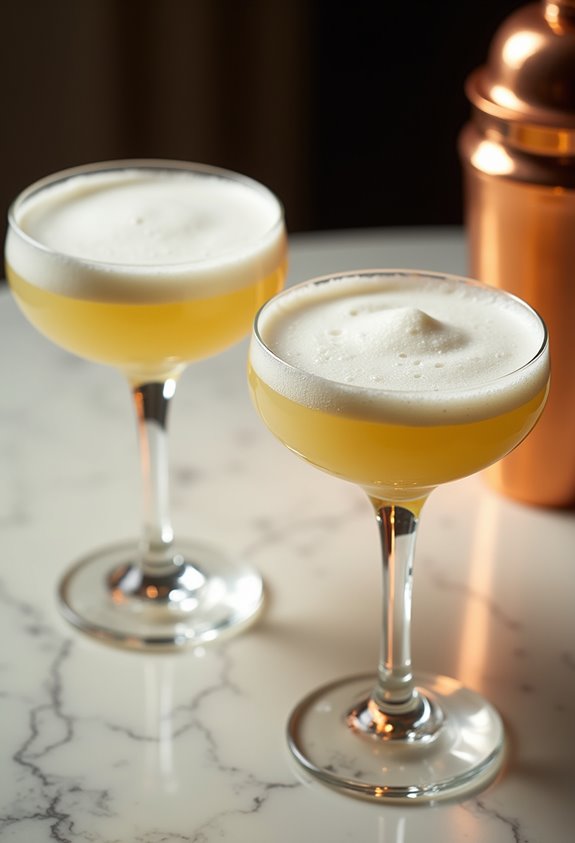
Textured additives serve as an essential tool for bartenders seeking to enhance the mouthfeel of over-diluted cocktails. Techniques utilizing dairy and eggs can greatly improve texture. For instance, egg whites create a foamy head, adding airy lightness, while egg yolks lend a rich, creamy body. Additionally, incorporating dairy products like cream can counteract dilution effects, providing a luxurious mouthfeel. Stabilizers and emulsifiers, such as xanthan gum, maintain layered textures and prevent foam collapse, ensuring consistency in presentation. Bartenders also use fat-washing techniques, which infuse spirits with oils, yielding silkiness and richness. By employing these textured additives skillfully, mixologists achieve mouthfeel enhancement, transforming diluted concoctions into satisfying, cohesive drinks.
Experimenting With Aroma and Garnishes
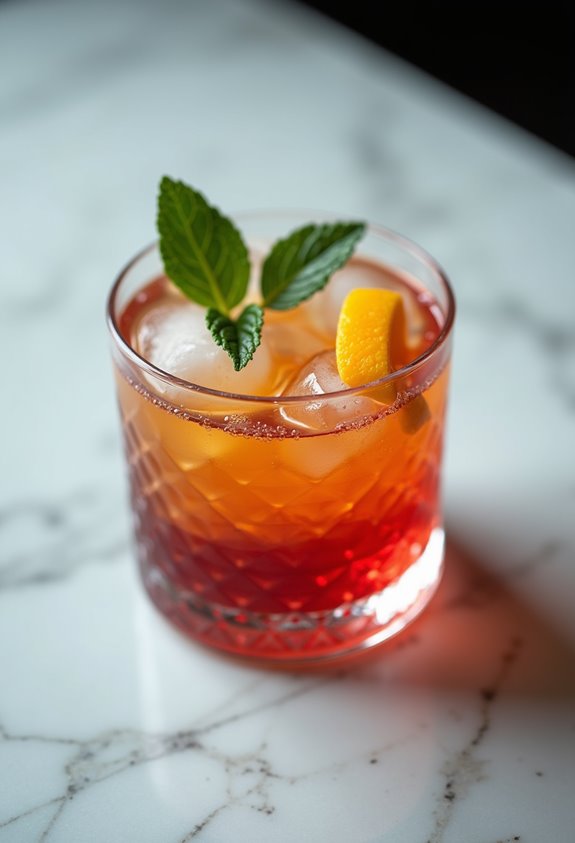
Addressing over-dilution in cocktails requires not only improved textures but also the enhancement of aromas through thoughtful garnishing. The use of aromatic garnishes such as citrus peels can elevate a cocktail’s scent, offering essential oils that heighten flavor perception. Incorporating fragrant herbs like mint and basil introduces vibrant fragrances that can complement a drink’s profile. Additionally, techniques like smoking garnishes or toasting spices create richer aroma layers while enhancing complexity. Innovation in garnish presentation, such as rimming glasses with spices or expressing citrus oils, can further manipulate scent. These strategies not only visually appeal to patrons but also aid in flavor balancing, masking the effects of dilution and enriching the overall drinking experience.
Frequently Asked Questions
Can Over-Dilution Affect the Aroma of My Cocktail?
Over-dilution can greatly affect a cocktail’s aroma intensity and clarity. As aroma compounds become less perceivable, the overall flavor profile diminishes, creating an unbalanced drink that detracts from the enjoyable experience of cocktail enjoyment.
How Can I Store Ice to Avoid Freezer Odors?
Proper ice storage is essential; studies indicate about 25% of people dislike ice for its unpleasant tastes. To maintain ice quality, use airtight containers, store away from strong odors, and utilize filtered water for clarity.
What’s the Best Way to Test Cocktail Dilution at Home?
The best way to test cocktail dilution at home involves taste testing various dilution ratios, measuring initial and post-mixing volumes, and adjusting ice types and amounts for desired consistency and flavor balance in drinks.
Are There Specific Spirits That Dilute More Than Others?
In the cocktail kingdom, vodka and gin, like ethereal spirits, dilute effortlessly, while whiskey and rum, with their rich flavor tapestries, resist, retaining depth. Each spirit dances its unique dilution rhythm, crafting unforgettable connections among enthusiasts.
How Does the Glass Shape Impact Dilution Rate?
Glass shape greatly impacts dilution rate through its influence on surface area and temperature. Various glass types interact with dilution science, altering air exposure and sip behavior, effectively managing how quickly cocktails might lose balance and flavor.