As an Amazon Associate, we earn from qualifying purchases. Some links on this site are affiliate links at no extra cost to you. Our recommendations are based on thorough research and editorial judgment.


How Can I Make My Cocktails Look More Professional?

To achieve a professional look for cocktails, bartenders should prioritize glassware selection, garnishing techniques, and ingredient quality. Highball glasses suit mixed drinks, while coupe glasses add elegance to spirits served up. Utilizing clean cuts for garnishes enhances visual appeal. Creative layering with high-quality ice not only improves aesthetics but also maintains temperature. Fresh, unique ingredients provide distinctive flavors. By focusing on these elements, bartenders can considerably elevate their cocktail presentations, with further insights available on advanced techniques.
Key Takeaways
- Select high-quality glassware, like coupes or Nick & Nora glasses, to elevate the cocktail’s presentation and enhance the drinking experience.
- Ensure your garnishes are visually appealing by using creative cuts, vibrant colors, and fresh herbs to enhance the overall cocktail artistry.
- Implement directional freezing techniques for crystal-clear ice, and choose custom shapes to improve visual appeal and minimize dilution.
- Use a variety of high-quality, unique ingredients, such as rare fruits and infused spirits, to provide distinctive flavors and aromas.
- Maintain consistency in cocktail preparation by following Standard Operating Procedures and training to ensure uniformity in presentation and quality.
Glassware Selection for Visual Harmony
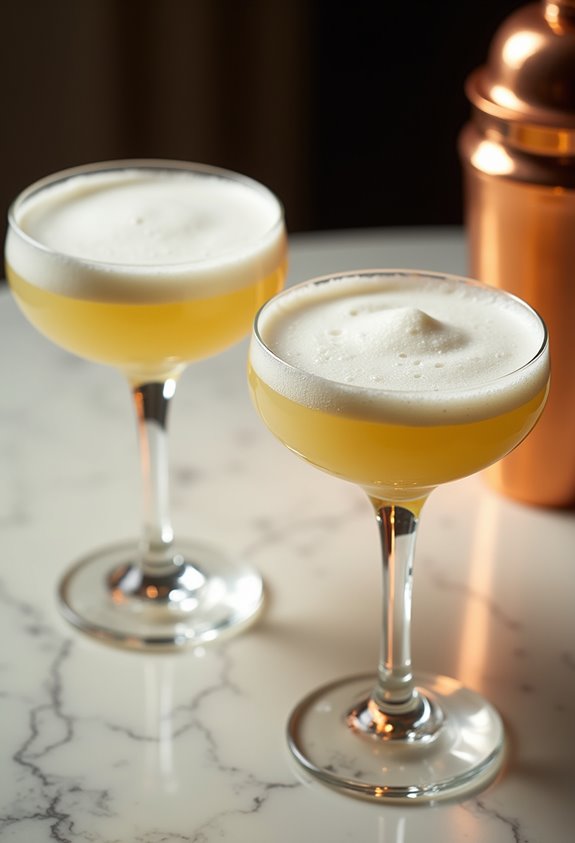
When crafting professional cocktails, the selection of appropriate glassware plays an essential role in achieving visual harmony. Highball glasses, with their considerable glass height, are suited for mixed drinks like gin and tonic. In contrast, lowball glasses, with a shorter height and thicker glass thickness, provide a sturdy structure for spirits served over ice. Coupe glasses, showcasing elegance, enhance drinks served up, while Nick & Nora glasses foster aroma concentration. Collins glasses, tall and slender, are excellent for soda-based cocktails. It’s crucial to select glassware that balances thickness; too thin can break, while too thick may feel cumbersome. Clarity and quality also impact visual appeal, ensuring each cocktail commands attention and respect. Choosing high-quality crystal can significantly elevate both the aesthetic and drinking experience of your cocktails.
Recommended Products

Dimensions: 4.5", 12oz

High quality crystal material

Crystal stemware
Mastering Garnishing Techniques
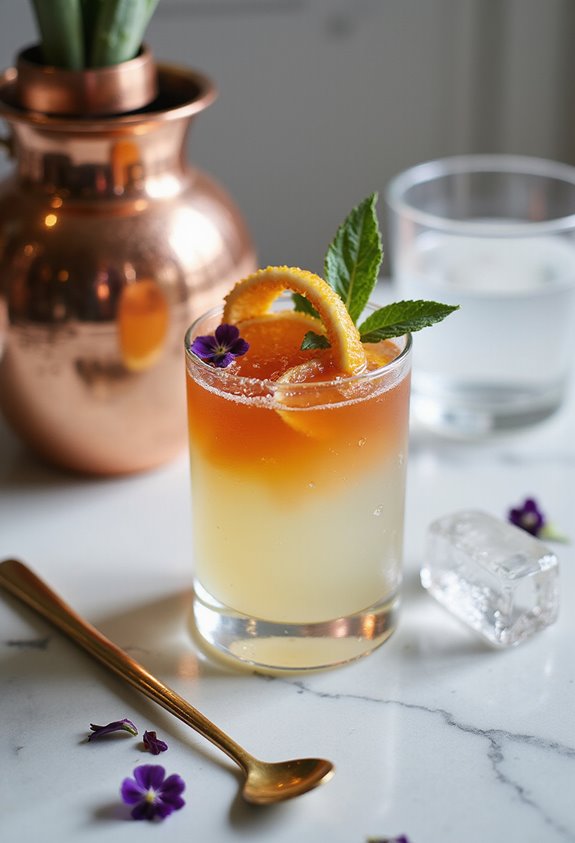
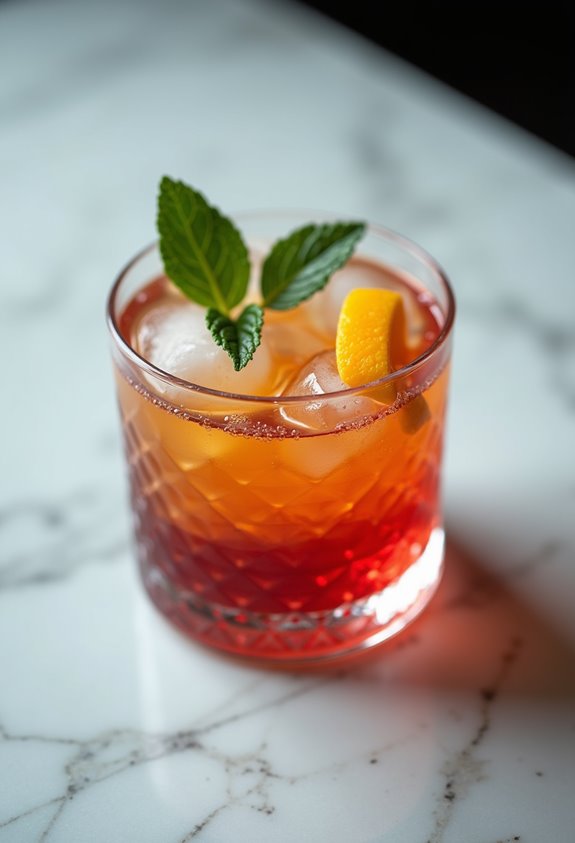
Garnishing cocktails elevates their visual and sensory appeal, transforming a simple drink into an exquisite presentation. Mastery of garnishing techniques involves understanding various garnish types and effective flavor pairing. For clean cuts, use sharp knives—a larger knife for fruits like pineapples, and a smaller one for delicate items. Channel knives facilitate the creation of elegant citrus twists. Removing excess white pith from peels prevents bitterness, ensuring freshness. Herbs, like mint and rosemary, should be gently bruised to release oils. Rimming techniques, such as applying flavored salts or sugars, enhance both taste and visual allure. Finally, creatively combining colors and textures in garnish presentation can bring harmony to cocktails, inviting others to appreciate the artistry behind each drink. Additionally, using tools from a comprehensive Mixology Bartender Kit can help streamline the garnishing process and elevate your cocktail crafting skills.
Enhancing Cocktails With Strategic Lighting
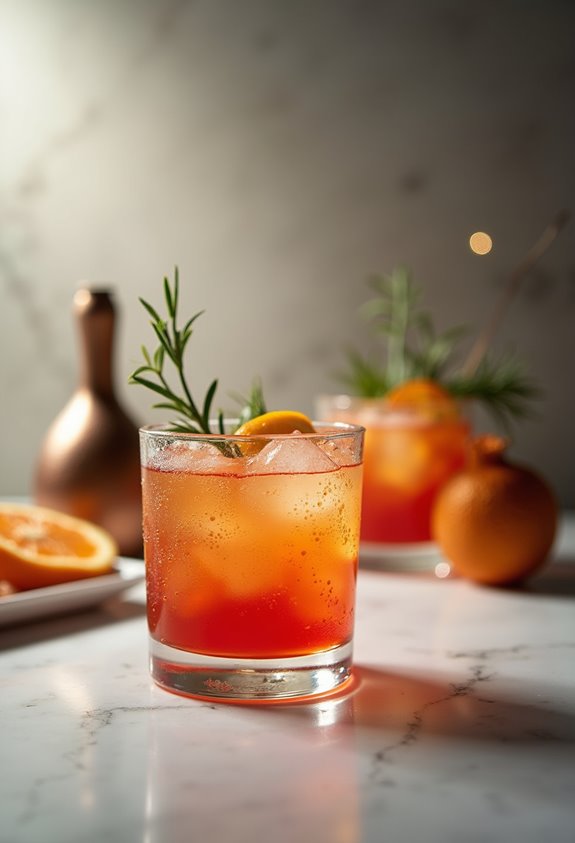
How can strategic lighting transform the presentation of cocktails? Implementing directional lighting techniques can greatly enhance the visual appeal of cocktails. Using focused beams from lights such as fresnels creates sharp shadows, adding depth to the drink’s presentation. Positioning a key light at a height and distance promotes photogenic long shadows, showcasing cocktail angles beautifully. Additionally, side lighting techniques smooth reflections on glassware, highlighting a cocktail’s contours without glare. Backlighting offers a warm glow through drinks, especially effective for cloudy cocktails, amplifying color and texture. Employing white reflectors balances lighting effects, enhancing clarity and detail. By utilizing these strategic lighting approaches, one can elevate cocktail presentation, achieving a clean, professional look that captivates guests. Furthermore, selecting high-quality materials like stainless steel shakers can enhance the overall aesthetic of your cocktails as they reflect light beautifully.
Creating Layers and Textures in Drinks
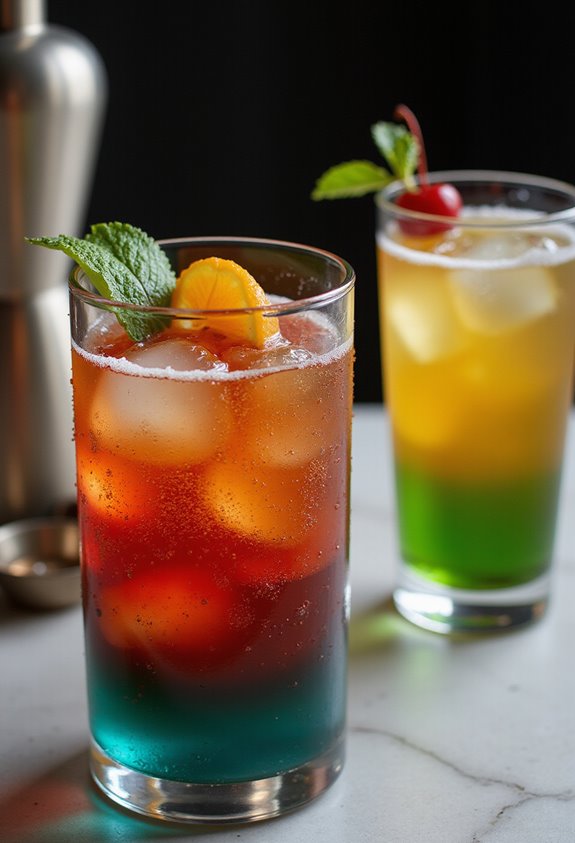
Creating layers and textures in cocktails greatly enhances their visual appeal and complexity. Utilizing specific layering techniques allows bartenders to achieve this desired effect. Starting with denser liquids, typically high in sugar, guarantees layers remain distinct. A bar spoon, held upside down, aids in diffusing the new pour, preventing disturbance of existing layers. Irregular ice pieces can create pockets to support garnishes, enhancing the drink’s appearance. Additionally, alternating between carbonated and still liquids adds an engaging texture contrast. Recognizing the specific gravity of ingredients guarantees that denser options remain below lighter ones. By employing these techniques, bartenders not only craft visually stunning cocktails but also elevate the overall drinking experience for their guests. Incorporating high-quality 18/8 stainless steel tools from a reputable cocktail shaker set enhances both the mixing process and the final presentation.
Themed Presentation and Menu Ideas
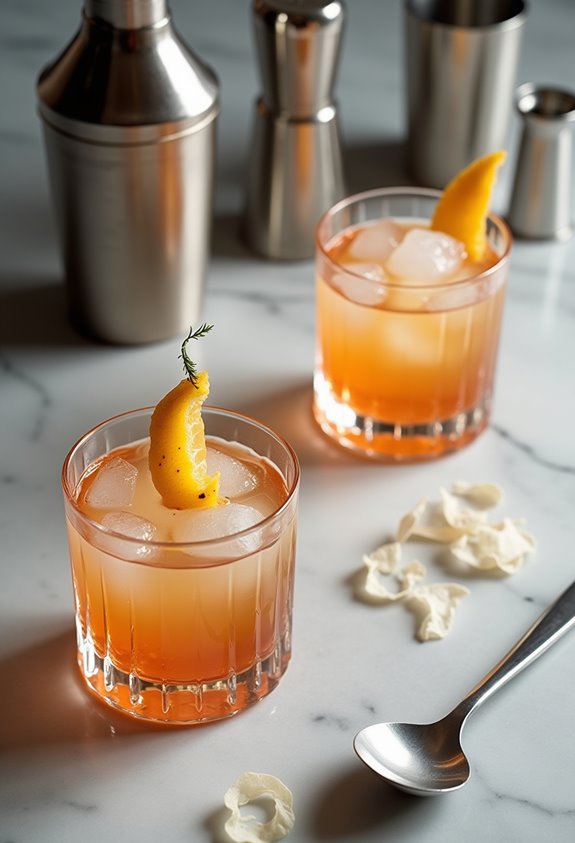
Themed presentation and menu ideas greatly enhance the professionalism and appeal of cocktails, particularly during special occasions. Tailoring thematic menus to align with holidays, such as incorporating cranberries and peppermint for Christmas, fosters guest engagement. Seasonal ingredients, like spiked hot chocolate in winter, create comfort and relevance. Visual elements, such as matching glassware and unique garnishes, reinforce the theme while enriching the cocktail experience. Creative garnishes should complement the drink without overshadowing its essence. Menu descriptions that narrate each cocktail’s inspiration deepen guest engagement and enhance immersion. Clear communication of the theme across both presentation and menu aids guest selection and anticipation. Collectively, these strategies create immersive experiences that amplify the perceived professionalism of any cocktail service. Additionally, incorporating flavors from specialty simple syrups can elevate the overall drinking experience and provide unique taste profiles.
Professional Techniques for Shaking and Stirring
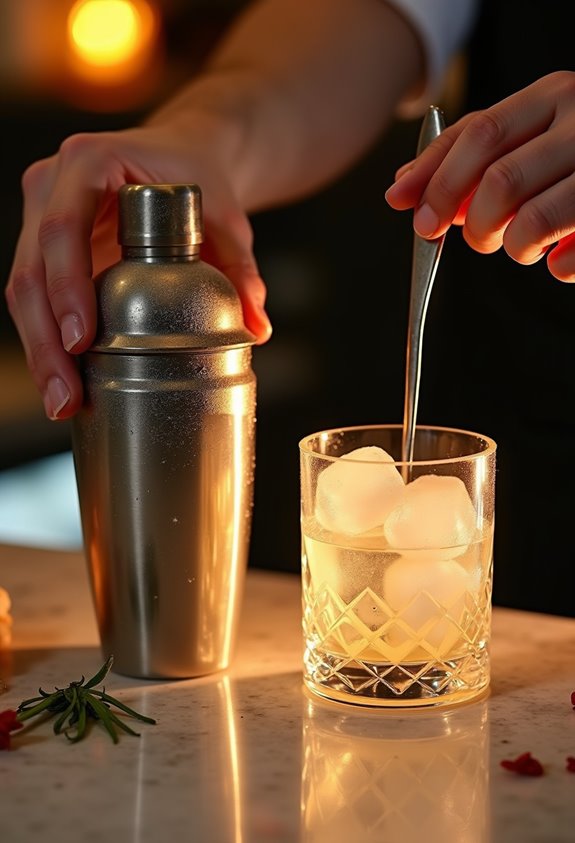
Mastering the art of shaking and stirring cocktails is essential for achieving a professional outcome. Proper shaking techniques chill, combine, dilute, and aerate ingredients, enhancing texture and flavor. A horizontal shaking motion over the shoulder should last 10-15 seconds for best mixing. Professional bartenders often favor two-piece Boston shakers for a tight seal, while beginners may opt for the three-piece cobbler model. Stirring methods, on the other hand, require gentle circular movements using a bar spoon. This preserves clarity and texture in spirit-forward cocktails. The choice between shaking and stirring depends on the cocktail recipe, with shaking being ideal for frothy drinks, and stirring suitable for clear, silky presentations. Each technique contributes fundamentally to the final cocktail experience. Additionally, using high-quality premium stainless steel tools ensures durability and enhances the overall mixing experience.
Recommended Products

PROFESSIONAL MIXOLOGY BARTENDER SET - The Madison Acacia Tabletop Bar Tool Set by Legacy, a Picnic Time brand, is a portable Professional Mixology Bartender Set tailor made for shaking up martinis, manhattans, and chic classic cocktails

QUALITY CONSTRUCTION: Shakers, spoons, spring bar strainer and jigger crafted with gun metal black finished heavy-duty stainless steel to maintain shape, hide wear, and perform consistently well while keeping a refined appearance

Hammered stainless steel bedecked with a tidy trimming of simple thread, this bar tool set is as handsome as it is supremely useful when crafting a cocktail, such as our favorite Monaco Mule! Set includes stand and five tools: double-sided jigger, cocktail strainer, bar spoon, bottle opener and muddler.
Finishing Touches to Elevate Your Cocktails
When it comes to crafting cocktails, the finishing touches can considerably enhance the overall presentation and flavor profile. Appropriate rim decoration, such as sugar for tart cocktails or salt for savory drinks, adds balance. Chocolate rims complement dessert cocktails, while citrus zest enhances the aroma of classics. For garnish presentation, fresh herbs like mint and rosemary provide lush visuals and fragrant oils when gently bruised. Slices of citrus not only enhance the drink’s appeal but also infuse it with fresh scent. Edible flowers and exotic leaves add vibrant color without compromising flavor. Finally, incorporating decorative picks to skewer garnishes elevates the sophistication, creating an inviting experience that fosters a sense of community among cocktail enthusiasts.
The Importance of Ice Quality and Presentation
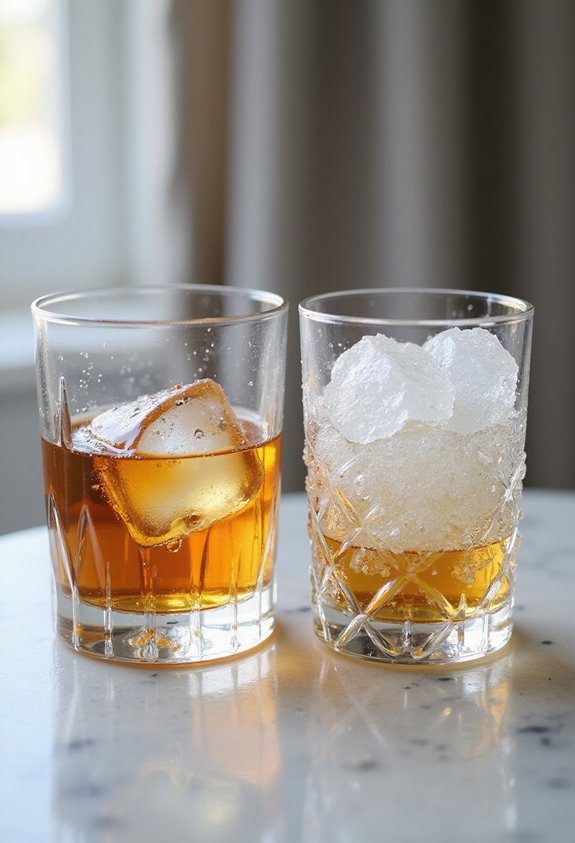
Ice quality and presentation greatly impact the overall experience of a cocktail, influencing both aesthetic appeal and flavor integrity. Various ice types enhance visual aspects; for instance, large spheres and diamond shapes slow melting while elevating ice aesthetics. Clear ice is essential, as ice clarity reflects professionalism and craftsmanship. Techniques like directional freezing produce crystal-clear ice, highlighting a bartender’s attention to detail. Using custom ice shapes and inclusions can make cocktails memorable, appealing to social media users. Proper ice size is critical; larger formations maintain temperature with minimal dilution, enhancing mouthfeel. Ultimately, investing in quality ice not only boosts the visual appeal of cocktails but also signifies care and dedication, fostering a sense of belonging among patrons.
Experimenting With Unique Ingredients
After establishing the significance of ice quality in cocktail preparation, bartenders increasingly explore unique ingredients to enhance their craftsmanship. They utilize rare fruits like yuzu and passion fruit to achieve distinctive citrus notes. Exotic spices, such as saffron and cardamom, introduce subtle warmth and intriguing aromas. Infusing spirits with unconventional botanicals, including lavender or hibiscus, provides aromatic depth. The trend also includes homemade syrups, crafted from fresh herbs or seasonal fruits to deepen flavor profiles. Savory elements like smoked salts and umami-rich ingredients elevate the tasting experience. Additionally, molecular techniques, such as spherification for liquid bursts or smoke infusions, offer visually striking presentations, enticing clientele to embrace these innovative combinations in their cocktail creations.
Consistency and Training for Bartenders
In a successful cocktail establishment, consistency and extensive training for bartenders are essential to delivering high-quality service. Standard Operating Procedures (SOP) implementation guarantees that drink preparation and customer interactions remain uniform. New hires benefit from mentorship, receiving hands-on training by shadowing experienced bartenders which fosters both skill development and cultural integration. This approach emphasizes training consistency, underlining the importance of adhering to thorough cocktail recipes. Additionally, wellness programs addressing physical health can enhance staff longevity and reduce injuries. Regular performance feedback sessions help reinforce high standards, guarantee compliance with industry regulations, and celebrate achievements. By cultivating a supportive environment, bar establishments can elevate service quality, fostering a sense of belonging and professionalism among their teams.
Seasonal and Local Ingredient Integration
As consumers increasingly seek unique and authentic dining experiences, the integration of seasonal and local ingredients into cocktail menus has become a notable trend in the beverage industry. Establishments now emphasize hyper-local sourcing, utilizing regionally grown herbs, fruits, and spirits to highlight local flavors. Seasonal ingredients not only provide freshness but also enhance the overall narrative of each cocktail. For instance, summer cocktails often feature vibrant fruits like watermelon and mango, while winter options incorporate warming elements like coffee and creamy profiles. Crafting house-made mixers using seasonal produce allows bartenders to adapt quickly to consumer preferences. This approach fosters a deeper connection with patrons who appreciate farm-to-glass experiences, supporting both local economies and a sense of community belonging.
Frequently Asked Questions
How Can I Choose the Right Cocktail for Different Occasions?
To choose the right cocktail for different occasions, one should consider signature cocktails that reflect the theme, incorporate seasonal selections, and align with the guests’ preferences to foster a welcoming atmosphere and memorable experiences.
What Role Does Cocktail Temperature Play in Presentation?
In high-end settings, cocktail temperature, paired with quality ice, enhances visual appeal and flavor, assuring guests of meticulous preparation. A perfectly chilled drink exudes professionalism, inviting patrons to indulge in a rejuvenating, sensory experience.
How Do I Clean and Maintain Glassware for Optimal Shine?
To achieve ideal shine, glass polishing requires drying with a lint-free cloth and inspecting for imperfections, while proper glass storage should be upright to prevent dust accumulation and maintain structural integrity for enhanced presentation.
What Are Some Common Mistakes in Cocktail Presentation to Avoid?
Research shows 60% of cocktail enthusiasts notice presentation flaws. Avoid common mistakes like improper glassware selection and careless garnish placement, as these elements greatly impact cocktail perception and enjoyment, fostering a more professional and inviting atmosphere.
How Can I Incorporate Edible Garnishes That Are Also Nutritious?
Incorporating nutritious edible flowers and vibrant herb sprigs not only enhances cocktail aesthetics but also adds flavor and health benefits, inviting guests to enjoy visually appealing drinks that celebrate freshness and well-being.