As an Amazon Associate, we earn from qualifying purchases. Some links on this site are affiliate links at no extra cost to you. Our recommendations are based on thorough research and editorial judgment.

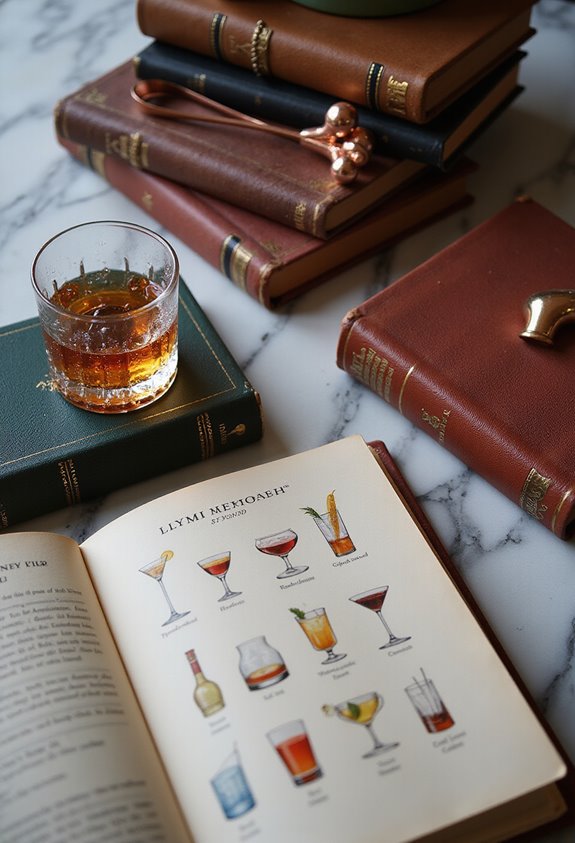
Is It Worth Collecting Vintage Cocktail Books?

Collecting vintage cocktail books offers significant cultural and historical value. Titles like Jerry Thomas’s *The Bar-Tender’s Guide* and *The Savoy Cocktail Book* provide insights into mixology evolution and social customs. Rarity enhances collectibility, with first editions commanding premium prices. These books serve as practical resources, though some recipes may reflect outdated trends. As interest in craft cocktails rises, so does the value of these collections. Further exploration reveals essential strategies for building a remarkable collection.
Key Takeaways
- Vintage cocktail books offer insights into historical drinking rituals, enhancing appreciation for the craft of mixology.
- Rarity and first editions can significantly increase a book’s value, making them worthwhile investments.
- They serve as practical resources, documenting original recipes and techniques for modern mixologists.
- The aesthetic appeal of vintage designs, influenced by art movements, adds to their collectible nature.
- Establishing provenance ensures authenticity, elevating value and connection to the cultural significance of the era.
Historical and Cultural Significance
Vintage cocktail books hold significant historical and cultural importance in the evolution of mixology and social practices surrounding drinking. Early manuals, like Jerry Thomas’s *The Bar-Tender’s Guide* (1862), outline foundational cocktail recipes, tracing the shift from simple punches to complex mixed drinks. These texts reflect social rituals and cocktail etiquette of their time, revealing the impact of historical events like Prohibition. The 1930 *The Savoy Cocktail Book* embodies the Jazz Age, showcasing the era’s glamour alongside innovative cocktail styles. Additionally, these books depict gender roles and hospitality customs, emphasizing drinking as a communal ritual. Collecting vintage cocktail literature not only preserves recipes but also provides insight into the socio-economic contexts that shaped contemporary cocktail culture. Furthermore, they often contain key ingredients and techniques that continue to influence modern bartending practices.
Rarity and Collectibility
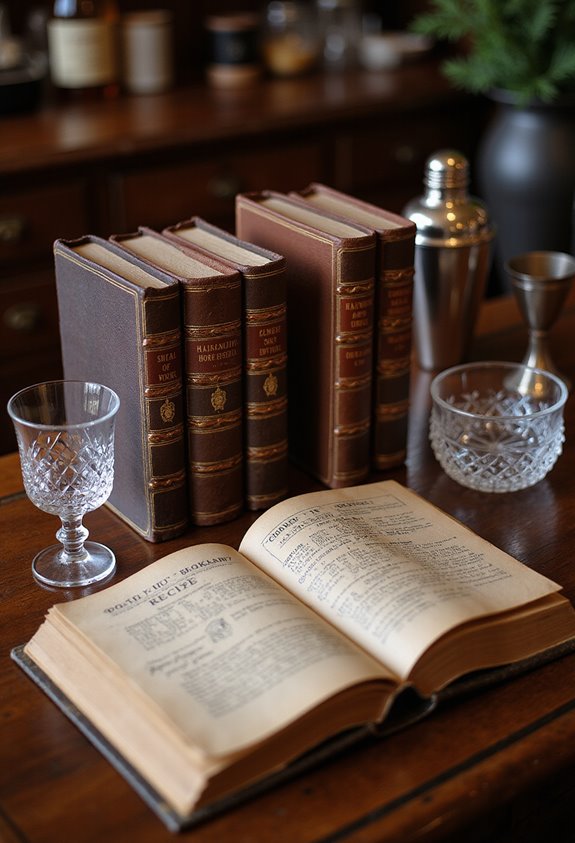
The rarity of vintage cocktail books markedly enhances their collectibility, especially among enthusiasts and scholars of mixology. Notable titles, including *The Savoy Cocktail Book* (1930) and Jerry Thomas’s *The Bar-Tender’s Guide* (1862), exemplify the scarcity factors driving collector motivations. With limited first editions and smaller print runs than modern works, these historical texts command premium prices, sometimes exceeding hundreds of dollars. The condition and preservation challenges further amplify their desirability, as many early editions suffer from wear and degradation. The resurgence of cocktail culture has fueled interest, driving prices upward. Collectors often seek first editions with original dust jackets, merging nostalgia with a desire for exclusivity, as rare finds become coveted treasures in the marketplace. Additionally, the increasing popularity of bartender kits has contributed to a renewed appreciation for classic cocktail literature, as enthusiasts look to deepen their mixology knowledge.
Reference and Practical Use
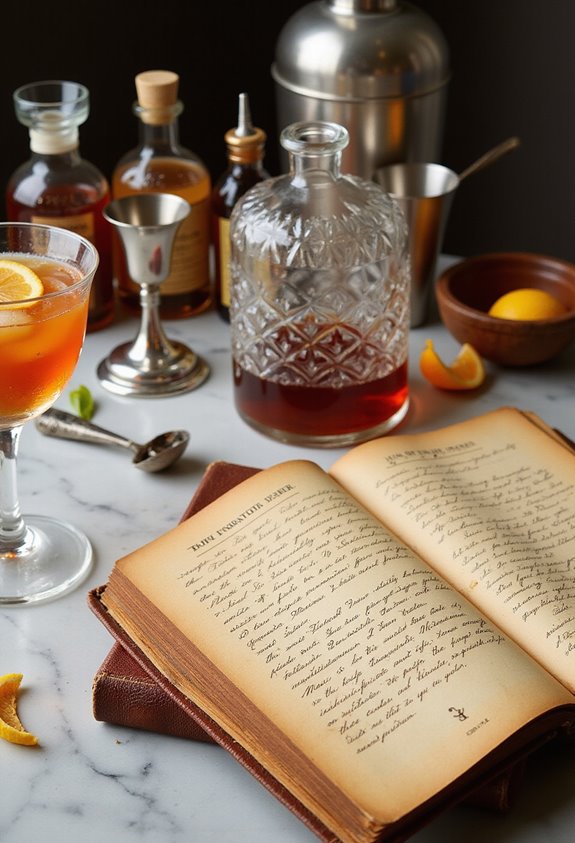
Collecting vintage cocktail books serves as both a historical resource and a practical tool for modern mixologists. These books document cocktail recipes and trends from specific eras, offering invaluable reference accuracy for those interested in mixology’s evolution. They provide original, unaltered recipes that serve as a benchmark for authentic recreations, allowing bartenders to adapt recipes while preserving their essence. Many vintage books include foundational knowledge on mixing techniques and cocktail balance principles, relevant even today. However, challenges arise due to outdated ingredients and measurement discrepancies when attempting modern recipe adaptation. Collectors often turn to these volumes for inspiration and diversity, ensuring that classic drinks remain part of the cocktail culture. Consequently, vintage cocktail books play a pivotal role in both educational settings and contemporary bars. Additionally, many bartenders appreciate the design aesthetics of vintage cocktail books, which often reflect the cultural style of their time, enhancing the overall appeal of their collections.
Economic and Investment Considerations
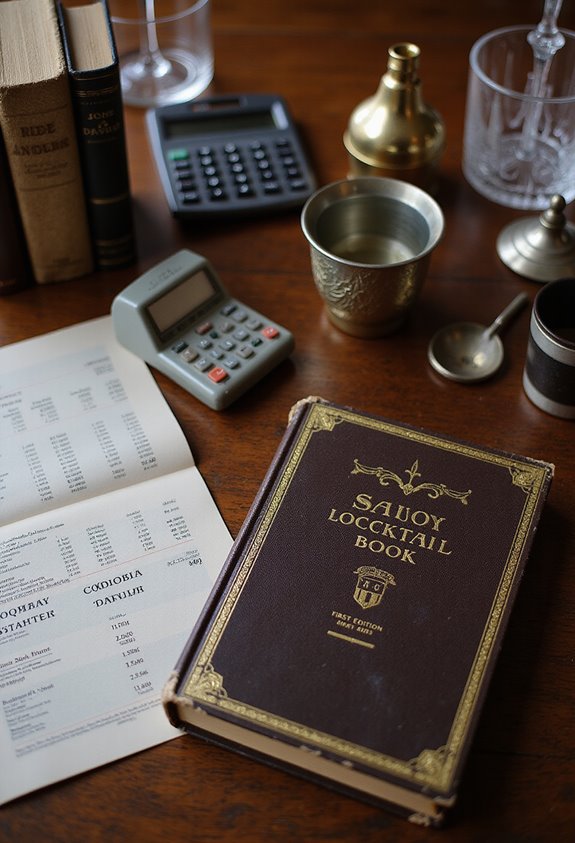
A notable increase in the interest surrounding vintage cocktail books has greatly heightened their market demand and economic value. Titles from pre-1960, such as *The Savoy Cocktail Book* and Jerry Thomas’s *The Bar-Tender’s Guide*, are particularly coveted. Collectors employ various investment strategies, focusing on rarity, condition, and historical significance to navigate potential market fluctuations. While first editions and signed copies boast higher value, the collectible book market can be volatile, influenced by changing tastes. Overpaying for less popular titles can diminish returns, reinforcing the need for expertise. Additionally, the specialized niche may limit liquidity, making it crucial for collectors to verify the authenticity of items to safeguard their investments and guarantee long-term economic viability. Investing in premium bar tools can enhance the overall cocktail experience and complement the knowledge gained from vintage cocktail books.
Accessibility and Availability

As interest in vintage cocktail books continues to rise, accessibility and availability of these titles present both opportunities and challenges for collectors and enthusiasts. Many iconic titles, such as *How to Mix Drinks* and *Trader Vic’s Bartender’s Guide*, can be purchased through specialty retailers like Cocktail Kingdom. Digital archives have further expanded access, offering free online materials, including over 500 recipes from early 20th-century manuals. However, physical copies often come with high costs, and a scarcity of first editions complicates accessibility. Additionally, translators are needed for books in foreign languages. While online marketplaces provide occasional access to rare finds, costs and shipping limitations remain barriers for some collectors, especially outside key market regions. Collectors may also find interest in Old Fashioned mixes, which highlight the evolution of cocktail culture and provide insights into historical recipes.
Recommended Products

PREMIUM SOLID & ENGINEERED WOOD BUILD: Features a robust solid wood frame with a thick 1.8-inch tabletop and oversized block base, delivering exceptional durability and supporting up to 300 lbs with an architectural, substantial presence.

【4 Pieces Living Room Table】Our living room table set is composed of 4 pieces, 1 coffee table, 1 console table, 2 end tables. Inspired by modern style, this simple and luxurious faux marble living room table set provides you a place to storage and display your loved things. This living room table set is versatile enough to suit any style and complements any scene perfectly
【4 Pieces Living Room Table】Our living room table set is composed of 4 pieces, 1 coffee table, 1 console table, 2 end tables. Inspired by modern style, this simple and luxurious faux marble living room table set provides you a place to storage and display your loved things. This living room table set is versatile enough to suit any style and complements any scene perfectly
Community and Educational Value
Vintage cocktail books hold significant community and educational value in the field of mixology, serving both as treasured artifacts and practical resources. They preserve historic recipes and techniques, fostering community engagement through the sharing of knowledge among enthusiasts. Collectors and bartenders utilize these texts to understand cocktail culture and its evolution, bridging gaps in foundational knowledge. Beyond individual enjoyment, forums and clubs, such as the eGullet Society, encourage collaboration and mentorship within the community. Events inspired by vintage recipes strengthen these connections, creating bonds among collectors. This collective pursuit of authentic cocktail heritage enhances appreciation for the artistry involved, making vintage books essential resources that inform and inspire both professionals and hobbyists in the cocktail sector. Additionally, the use of high-grade stainless steel tools, as detailed in modern resources, reflects the ongoing evolution of cocktail craftsmanship.
Key Vintage Cocktail Books to Consider
Collecting vintage cocktail books offers enthusiasts and professionals alike a glimpse into the rich history of mixology. Notable titles include *The Savoy Cocktail Book* (1930) by Harry Craddock, featuring around 800 classic recipes accompanied by historical notes and illustrations. Another essential work is *The Bar-Tender’s Guide* (1862) by Jerry Thomas, which introduced iconic drinks like the Old Fashioned and Manhattan. Collectors seek this pioneering book for its significant role in American bartending culture. Additionally, *The Old Waldorf-Astoria Bar Book* documents high-society cocktail trends, while rare editions like *Bar Magic with Bohemian Liquors* remain highly sought after. These collectible editions reflect the evolution of bartending and the vibrant history of cocktails.
Recommended Products

【Beautiful & Durable】This rectangular coffee table pairs a multilayer solid wood tabletop with a reinforced carbon steel frame, providing excellent stability and a load capacity of up to 330 lbs. Its moisture-resistant finish prevents warping and keeps the surface smooth for everyday use—whether placing drinks, décor, snacks, or a laptop. The bold contrast of black steel and warm wood grain adds style, making it ideal for living rooms, lounges, or reception areas.

[Modern Imitation Stone Design] This round coffee table set features a beige faux stone tabletop with a textured surface, enhancing visual interest and providing a stylish vintage look. Note: small surface holes are part of the imitation stone design and not defects.

【Modern Living Room Design】This coffee table for living room combines clean lines with a walnut finish, creating a versatile piece that complements both modern and vintage décor
The Role of Art and Design in Vintage Books
The art and design of vintage cocktail books play a crucial role in their appeal and significance, reflecting the cultural and historical contexts of their eras. Cover and interior designs often embody artistic interpretation aligned with movements like Art Deco, showcasing the glamour of the 1920s and 1930s. Illustrations vary from detailed line drawings to vibrant watercolor paintings, enhancing the visual narrative of cocktail culture. Typography complements these artistic elements, reinforcing the vintage aesthetic. Decorative borders and stylized headings create an immersive experience, while caricatures of bartenders and patrons weave social history into the storytelling. Such design choices not only elevate user engagement but also amplify the collectible nature of these books, affirming their status as artifacts of both style and substance.
Understanding Condition Grading
In evaluating the value and collectibility of cocktail books, understanding condition grading is paramount. Books are categorized based on physical condition and completeness, employing established condition terminology and grading standards. An As New (A.N.) book is flawless, while Fine (F) denotes a lightly read copy, nearly indistinguishable from A.N. Books labeled as Very Good** (VG) show minor signs of use, while Good (G) copies exhibit considerable wear. Lower grades, such as Fair and Poor, reflect more pronounced defects, often limiting collectibility. Dust jackets** are graded separately and can considerably impact overall value. It is essential for collectors to understand these classifications to guarantee informed purchasing decisions and to maintain trust within the vintage book community.
How to Build a Vintage Cocktail Book Collection
How can one effectively establish a vintage cocktail book collection? Successful collectors prioritize first edition hardback books, pamphlets, and cocktail ephemera, focusing on volumes from the 1820s to the 1940s. Iconic titles like “The Bartender’s Guide” by Trader Vic or Jerry Thomas’ 1887 guide are foundational. Sourcing tips include exploring vintage bookstores and barware shops while participating in cocktail book fairs and auctions. Collecting strategies should also involve cataloging each book meticulously, organizing by era, and checking digital archives for authenticity. Engagement with collector communities fosters knowledge exchange, enhancing the experience. Additionally, acquiring related ephemera enriches context and historical significance, creating a well-rounded collection that resonates with fellow enthusiasts.
Recommended Products
![Mad Men - Complete Season 1-7 [Blu-ray]](https://m.media-amazon.com/images/I/61u7Rd9VwcL._SL500_.jpg)
Mad Men - Complete Season 1-7 - 22-Disc Boxset

Through the looking glass – Experience Alice's Adventures in Wonderland with an iconic scene from the popular novel from Lewis Carroll. The vintage first edition book images feature scenes from the Mad Hatter's tea party, as well as the first page of this classic text.

Trends in Collecting Vintage Cocktail Books
Interest in vintage cocktail books has surged, reflecting broader trends in mixology and home entertaining. The growing fascination with craft cocktails has led many enthusiasts to seek out these authentic sources, as vintage guides preserve classic recipes and cocktail history essential for both novice and experienced mixologists. Vintage reprints have made these works accessible, maintaining their popularity. Collectors are particularly drawn to early editions, with certain titles, like Trader Vic’s, becoming prized possessions. Additionally, cultural themes and modern reinterpretations in cocktail literature attract a wider audience, enhancing the allure of vintage books. Online marketplaces and social media further facilitate the exchange and appreciation of these unique collections, solidifying their place within contemporary cocktail culture.
The Importance of Provenance
Establishing provenance is critical for collectors of vintage cocktail books, as it provides a documented history of ownership and origin that verifies authenticity. Provenance authentication directly influences a book’s value, especially for rare editions or works by notable figures like Jerry Thomas and Theodore Proulx. Books with clear provenance documentation tend to command higher prices due to their confirmed rarity and historical significance. Collectors are encouraged to obtain provenance records, such as stamps, prior ownership details, or inscriptions, which enhance credibility. Researching publication dates and connections to iconic bars also adds depth to a book’s story. Without thorough provenance, distinguishing between original prints and later reproductions becomes challenging, emphasizing the importance of careful provenance verification in collecting.
Expanding Your Collection With Related Memorabilia
Expanding a vintage cocktail book collection often involves exploring a variety of related memorabilia that enhances the overall thematic experience. Collectors may find vintage barware such as shakers, glassware, and serving trays, which elevate cocktail parties. This barware not only serves practical purposes but also aids in creating thematic displays that transport guests to bygone eras. Additionally, paper collectibles, such as vintage menus or advertisements, provide stylistic decoration and offer a glimpse into historical cocktail culture. Unique cocktail accessories, like swizzle sticks and garnish picks, enrich this experience, particularly when displayed alongside curated cocktail books like *The Savoy Cocktail Book*. Collectors who engage with these related items can develop a more thorough understanding and appreciation of the cocktail craft.
Recommended Products

Product Size: Approx. φ3.4 x 3.7 inches (8.7 x 9.4 cm), Diameter: Approx. 3.4 inches (8.7 cm)

Crafted from the finest Crystal

★ 1x Traditional 4 spout Absinthe fountain with a removable lid (capacity 33.8 oz. / height 15 inches, made in Europe by a glassblower manufactory with a long tradition, the fountain is of high quality, mouth-blown glass does not have ugly looking manufacturing seams like pressed glass))
Frequently Asked Questions
What Should I Look for in a Vintage Cocktail Book?
When seeking vintage cocktail books, collectors should prioritize design elements and recipe accuracy, balancing aesthetic appeal with authentic, historically significant content, fostering a sense of belonging within the rich tapestry of mixology heritage and social culture.
How Can I Tell if a Book Is a First Edition?
To determine if a book is a first edition, check the copyright page for absence of print runs, look for explicit “first edition” statements, and examine unique physical characteristics that denote it as an original release.
Are There Specific Authors I Should Focus On?
In a garden of vintage literature, classic mixologists like Jerry Thomas and Harry Craddock bloom, offering influential recipes and deep connections to cocktail history. Focusing on these authors fosters a community of passionate enthusiasts and collectors.
What Are the Common Mistakes to Avoid When Collecting?
Common mistakes to avoid when collecting include neglecting condition assessment, skipping thorough market research, and failing to focus collection themes. Enthusiasts should prioritize informed purchases to cultivate a cohesive and visually appealing collection that resonates personally.
Can Digital Versions of Vintage Cocktail Books Be Valuable?
Digital versions of vintage cocktail books hold a unique charm, embodying the essence of digital preservation. In today’s market trends, they foster community among enthusiasts, offering affordable access while safeguarding the timeless recipes cherished by many.