As an Amazon Associate, we earn from qualifying purchases. Some links on this site are affiliate links at no extra cost to you. Our recommendations are based on thorough research and editorial judgment.

When Should I Use Dehydrated Fruit As A Garnish?

Dehydrated fruit should be used as a garnish to enhance visual appeal and intensify flavors in cocktails and dishes. Vibrant colors and crisp textures provide aesthetic versatility, making them suitable for various culinary presentations. They are also effective in reducing waste by extending shelf life and supporting sustainable practices. Additionally, their alignment with dietary preferences like gluten-free and vegan diets makes them a practical choice. For more insights on usage and creative techniques, further information is available.
Key Takeaways
- Use dehydrated fruit as a garnish when you want to enhance the visual appeal of your cocktails with vibrant colors that won’t wilt.
- Incorporate dehydrated fruit to intensify flavors and create unique pairings, such as dehydrated lemon in a Margarita for added acidity.
- Serve dehydrated fruit garnishes in place of fresh fruit during extended gatherings, as they have a longer shelf life and reduce waste.
- Opt for dehydrated fruit when catering to diverse dietary preferences, as they are gluten-free, vegan, and suitable for various restrictions.
- Choose dehydrated fruit for creative presentations, utilizing their crisp texture and striking appearance to elevate the overall dining experience.
Enhancing Visual Appeal
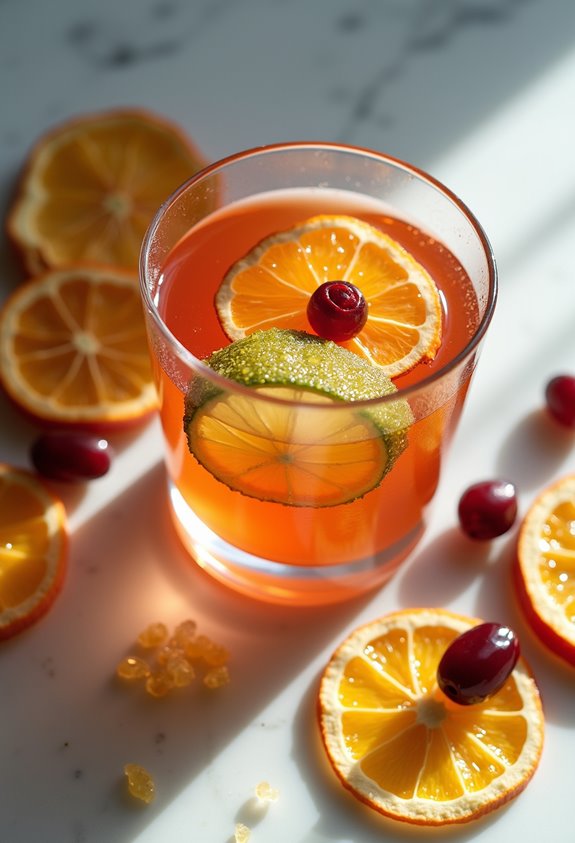
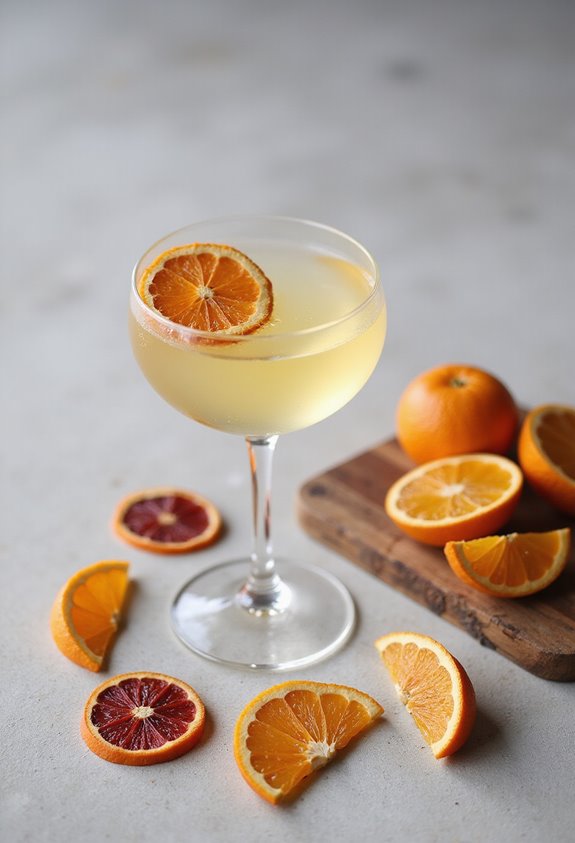
Dehydrated fruit garnishes considerably enhance the visual appeal of cocktails, offering a sophisticated alternative to fresh fruit. These garnishes maintain bright, vivid colors longer than their fresh counterparts, improving color perception. The drying process preserves the fruit’s appearance, preventing wilting and spoilage, which can detract from garnish dynamics. Dehydrated fruits like blood orange or lime create eye-catching contrasts that draw attention and complement the drink’s hues. Their consistent size and shape contribute to a professional look ideal for upscale settings. Significantly, they resist condensation, ensuring the drink’s aesthetic remains intact. With their ability to layer for multidimensional effects, dehydrated garnishes serve as focal points, enriching cocktail presentation during long events without the need for frequent replacement. Additionally, incorporating colorful salt rimmers can further enhance the overall drink presentation.
Intensifying Flavors
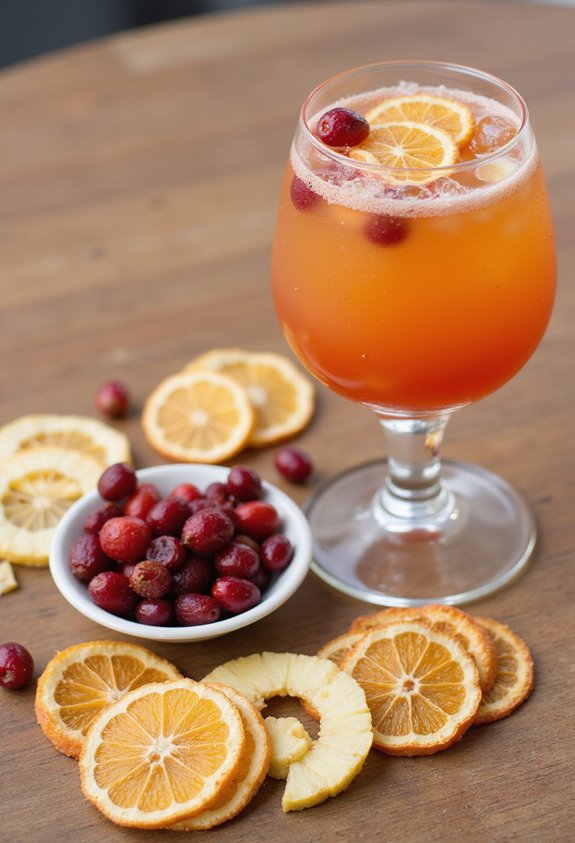
The use of dehydrated fruits not only enhances the visual appeal of cocktails but also serves to intensify flavors considerably. By removing water content, dehydration concentrates the natural sugars and acids of fruits, resulting in bolder flavor profiles. For example, dehydrated citrus slices release aromatic oils that elevate cocktails with a delightful zest. Additionally, fruits like grapes become more intensely sweet, adding depth to drinks. When rehydrated in beverages, these dried fruits facilitate slow flavor infusion, enriching both aroma and mouthfeel. Herb crisps, made from rosemary or basil, provide bursts of flavor, transforming the sensory experience. This aromatic enhancement is essential for pairing garnishes with complementary drinks, amplifying the overall enjoyment of each cocktail. Furthermore, using high-quality ingredients ensures that the flavors of dehydrated fruits are maximized, aligning with the principles of enhancing the overall cocktail experience.
Recommended Products
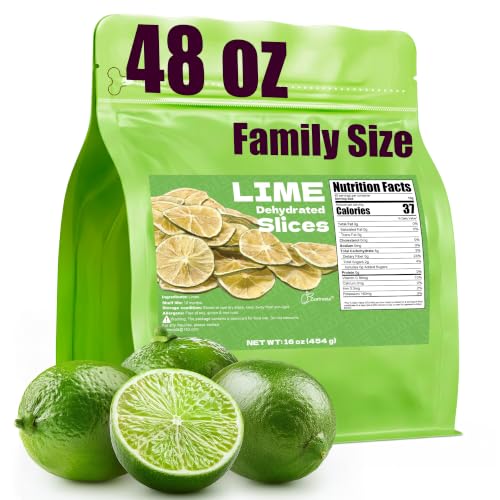
VIBRANT COLOR & RICH SCENT: These premium dried lime slices showcase bright natural tones, authentic invigorating lime scent, neat even cuts, and perfectly preserve the innate original fruits essence

Real Lime Flavor: Made from real limes, these dehydrated slices deliver an authentic, tangy citrus flavor.
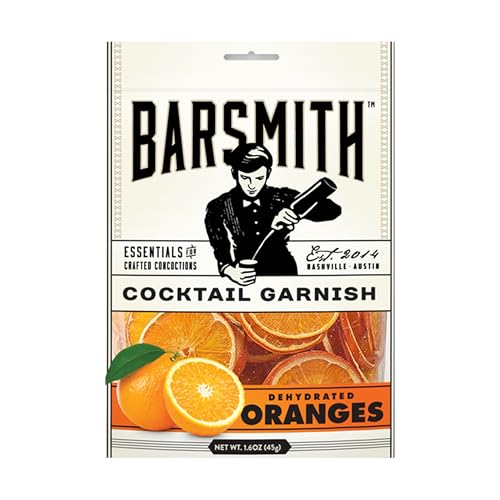
Real Orange Flavor: Made from real oranges, these dehydrated slices deliver an authentic, zesty citrus flavor.
Aesthetic Versatility
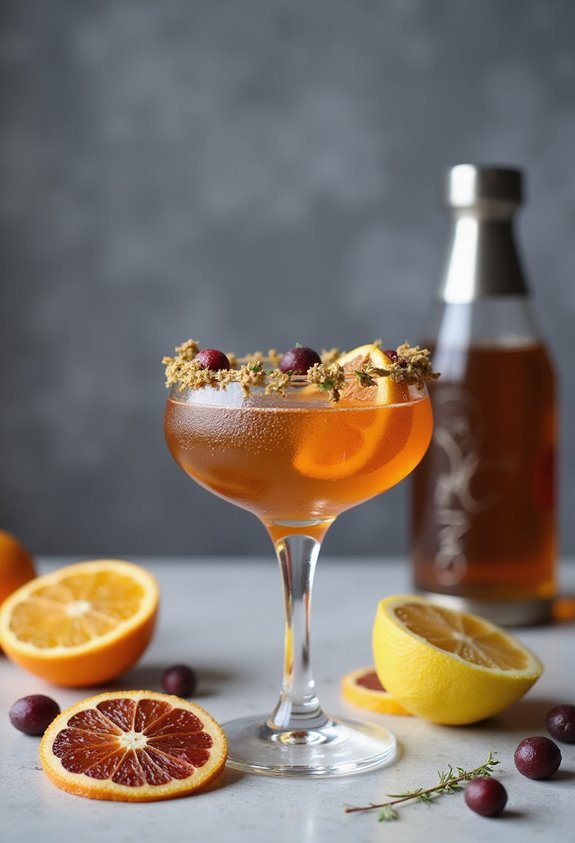
Aesthetic versatility of dehydrated fruit serves as a considerable asset in culinary presentations, enhancing both cocktails and dishes with visual impact. The vibrant colors preserved through low-temperature drying provide an appealing contrast in various culinary settings. These fruits maintain their shapes and textures, allowing elegant garnishes such as thin slices or curled petals. Dehydrated citrus, particularly, forms striking rims or floating accents, exuding a jewel-like quality. Their natural wrinkling offers a rustic presentation appreciated in modern plating. Additionally, the crisp texture delivers valuable textural contrast, enriching the overall dining experience. Chefs can seamlessly integrate dried fruits across diverse categories, promoting creativity while remaining efficient. This versatility supports contemporary culinary artistry and elevates food and beverage offerings considerably, especially when paired with aesthetic appeal that enhances the ambiance of gatherings.
Reducing Waste
Reducing waste in food service operations has become a considerable concern for many establishments. Dehydrating fruits greatly minimizes waste management challenges by extending the shelf life of garnishes. Establishments can prepare dehydrated garnishes in advance, preventing spoilage of fresh fruits. For example, one kilo of wasted lemon garnishes produces carbon emissions similar to a 20-minute car journey. Additionally, dehydrated fruits contribute to sustainable practices by reducing landfill contributions and methane emissions from decomposing produce. This approach supports bars and restaurants in achieving zero-waste goals and ideal inventory management. The ability to bulk purchase and reduce spoilage ultimately promotes environmental responsibility, making dehydrated garnishes an efficient solution for modern food service operations that prioritize sustainability and waste reduction. Furthermore, using lead-free glass for serving drinks enhances both safety and aesthetics in beverage presentations.
Seasonal and Unique Ingredient Use
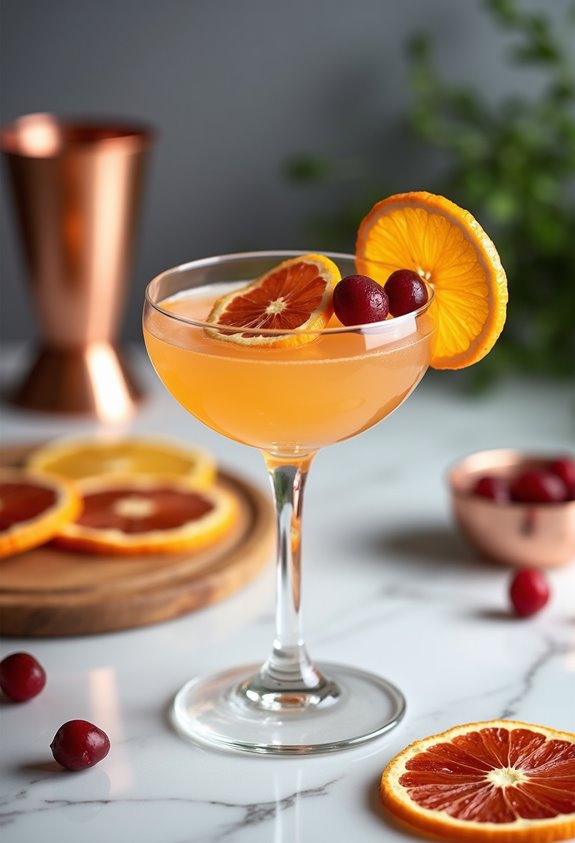
Utilizing dehydrated fruits offers a dynamic approach to incorporating seasonal and unique ingredients into culinary creations. Dehydrated fruits, such as blood oranges and Meyer lemons, provide year-round access to flavors that are otherwise limited by seasonal availability. By locking in the natural sweetness and tartness, dehydrated garnishes maintain a concentrated flavor profile, enhancing the sensory experience of dishes and cocktails. Their striking visual appeal adds elegance to presentations. Additionally, these unique flavors can complement fresh herbs or edible flowers, creating a multi-layered taste experience. As specialty fruits become available briefly, dehydration allows chefs to utilize these ingredients year-round, tailoring garnishes to specific themes and elevating overall culinary artistry. Moreover, using premium cocktail sets can enhance the presentation and effectiveness of these garnishes in cocktails.
Quick Service Solutions
Dehydrated fruit garnishes offer a practical solution for quick service establishments seeking to streamline operations without sacrificing quality. They eliminate labor-intensive steps such as cleaning and slicing, resulting in significant time savings. Shelf-stable and requiring no refrigeration, these garnishes optimize storage space and reduce waste, as they prevent spoilage encountered with fresh ingredients. Additionally, bulk packaging designed for high-volume environments allows for consistent use, enabling staff to focus on enhancing customer service. The extended shelf life of dehydrated fruits, which can last months, supports efficient inventory management. Quick service establishments can benefit from predictable costs and minimal labor, reinforcing their commitment to quality while ensuring a positive guest experience throughout busy hours. Incorporating specialty cocktail mixers can also elevate the overall drink offerings, enhancing customer satisfaction.
Recommended Products

Ocean-harvested seaweed, packed with minerals, vitamins, and natural goodness. A delicious, healthy upgrade to every meal.

18 Tray Big Space to Preserve Freshness: 18 commercial-size trays plus jerky rack and hooks of this dehydrator let you load an entire crate of apples, beef slabs or herb harvest in one shot. Pick fresh vegetables from your garden and everything finishes together—no tray-shuffling, no spoilage, just shelf-loads of healthy snacks ready for jars, bags or camping coolers.

🧅 PREMIUM HIGHEST QUALITY DRIED GOURMET CHOPPED ONION – It’s Delish presents the high-quality, premium food items to bring a delightful freshness in your dishes. Our dried chopped onions have the same distinctive taste of fresh onions. Its fresh flavor brings a new enjoyable taste to your dishes and enhances your culinary experience with hearty flavor and bold taste.
Flavor Pairings With Cocktails
Cocktails frequently benefit from the innovative use of garnishes, particularly those crafted from dehydrated fruits. Dehydrated lemon and lime enhance cocktails like Margaritas, providing essential cocktail acidity and flavor balance. Similarly, dehydrated orange enriches Negronis with its sweet and bitter notes, harmonizing with spirit-forward drinks. Tropical options, such as dehydrated pineapple and mango, add concentrated sweetness, making them ideal for rum-based cocktails. Meanwhile, herbal additions like dehydrated rosemary or mint offer aromatic depth, especially in gin cocktails. These garnishes enhance visual appeal and maintain flavor consistency, avoiding spoilage. By strategically pairing dehydrated fruits and herbs, mixologists can create cocktails that are not only flavorful but also visually stunning, ensuring a delightful experience for the drinker.
Creative Presentation Techniques
Effective presentation techniques can markedly enhance the appeal of beverages, particularly when incorporating dehydrated fruits as garnishes. Utilizing proper dehydration techniques transforms fruits like citrus and apples into eye-catching elements. For a striking visual impact, slices should be uniform, around 1–2 mm thick. This consistency guarantees ideal dehydration and texture. Pairing garnishes creatively—such as skewering small fruits with olives or herbs—adds depth to presentations. Dehydrated citrus wheels, for instance, provide vibrant colors and aromatic oils. Additionally, using twists or spirals can release delightful aromas. Rimming cocktail glasses with powdered dehydrated fruit not only elevates aesthetic appeal but also boosts flavor. These thoughtful garnish combinations enhance both the sensory experience and the overall aesthetic of beverages.
Storage and Handling Best Practices
Proper storage and handling of dehydrated fruit are vital to maintaining its quality and extending shelf life. To guarantee effective dehydrated fruit storage, utilize airtight containers such as glass jars or Mylar bags with oxygen absorbers. These methods help exclude moisture and oxygen that lead to spoilage. It is best to store dehydrated fruits in a cool, dry, dark location, ideally below 15°C (60°F). Proper packaging techniques include cooling fruits completely before sealing and limiting exposure by packaging in smaller portions. Frequent inspections of stored fruit for moisture reabsorption are essential. Mold that develops should be immediately addressed by discarding affected pieces to protect the overall quality of the batch. Ultimately, proper care guarantees that dehydrated fruit retains its flavor and texture for longer.
Catering to Dietary Preferences
How can caterers effectively accommodate diverse dietary preferences while maintaining flavor and presentation? Dehydrated fruit garnishes serve as an excellent solution, naturally aligning with gluten-free, vegan, and paleo diets, thereby addressing various dietary restrictions. With their absence of additives, dehydrated fruits enhance allergen awareness, making them a safe choice. These garnishes not only concentrate flavors but also retain essential nutrients like vitamins and fiber, appealing to health-conscious guests. Their extended shelf life guarantees availability, reducing the need for substitutions that could disrupt presentation. Additionally, the vibrant colors and textures of dehydrated fruits enrich dishes, creating an inviting atmosphere that fosters community among diners, regardless of their dietary choices. This versatility makes dehydrated fruits a valuable tool for caterers today.
Recommended Products
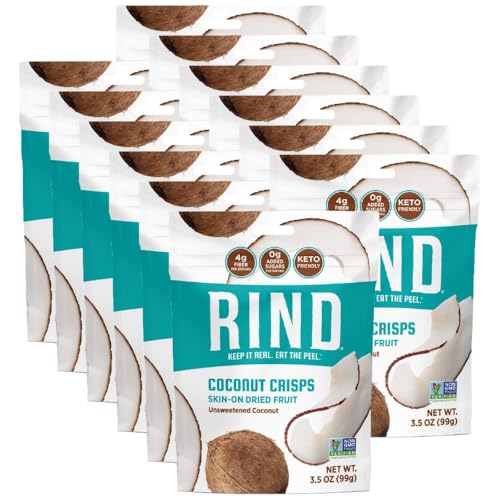
Peel Powered: Crunchy and keto-friendly, we shaved the whole coconut into crispy smiles to maximize all the flavor and nutritional power. Coconuts are packed with heart healthy fats to fuel your day as well as essential minerals, including iron, copper and manganese, and selenium to enhance your immune system.

MINIMALLY PROCESSED, NO ARTIFICIAL INGREDIENTS: Real, convenient, & healthy, our freeze dried meals are made right here in the USA using real ingredients like grass-fed beef & free-range chicken combined with nutritious vegetables. What makes our meals unique is their high protein content derived strictly from meat. No protein powder or high-carb fillers like pasta or rice to worry about. The 7-pack contains vegan-friendly breakfast options as well that are grain-free cereal with fruits & nuts.
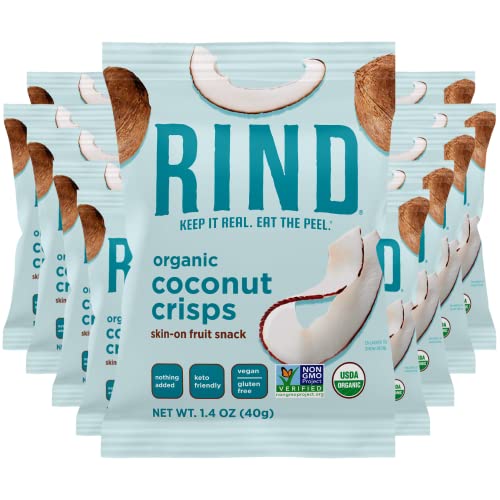
Peel Powered: Crunchy and keto-friendly, we shaved the whole coconut into crispy smiles to maximize all the flavor and nutritional power. Coconuts are packed with heart healthy fats to fuel your day as well as essential minerals, including iron, copper and manganese, and selenium to enhance your immune system.
Elevating Home Entertaining
In an era where home entertaining is increasingly popular, using dehydrated fruit garnishes has emerged as a practical solution for enhancing cocktails and presentations. Dehydrated fruits offer time efficiency and convenience, reducing preparation stress during gatherings. Home entertainers can enjoy garnish creativity, elevating the aesthetic appeal of their drinks without compromising on service time. In addition, these garnishes provide a unique visual contrast to traditional options, enhancing perceived sophistication. For an organized entertaining experience, dehydrated garnishes extend shelf life, allow for batch preparation, and reduce waste. Incorporating dehydrated fruit can effectively combine striking appearance with function, aligning with important entertaining tips. Such garnishes can create memorable moments without overwhelming guests, ensuring a smoother entertaining flow.
Recommended Products

PREMIUM Delicious and decorative candied and dried hibiscus flowers

🍸 ELEVATE THE LOOK AND TASTE of Your Creations: Add a visually striking and flavorful touch to your cocktails, mocktails, desserts, and dishes. The vibrant appeal of our Dried Orange slice. Enhances both the presentation and taste, making every drink or dish a work of art

🍸 ELEVATE THE LOOK AND TASTE of Cocktails & Mocktails – with our lime garnish. The perfect citrus finishing touch for margaritas, mojitos, gin & tonics, and more. Also ideal for non-alcoholic drinks like iced teas, lemonade, or infused water.
Frequently Asked Questions
How Do I Rehydrate Dehydrated Fruit for Garnishing?
Rehydration techniques vary; a gentle spray method maintains delicate fruits’ visual appeal, while soaking suits firmer varieties. Ideal garnish presentation occurs by rehydrating just before use, preserving vibrant colors and textures for an inviting display.
Can I Use Dehydrated Fruit in Cooking?
Yes, dehydrated fruit can enhance various cooking techniques, offering natural sweetness and unique textures. Its versatility allows for incorporation in dishes like salads and baked goods, providing flavor, nutrition, and creativity to everyday meals.
Are There Any Specific Safety Concerns With Dehydrated Fruit?
Dehydrated fruit presents several safety concerns, particularly regarding shelf life and food safety. Proper handling, pasteurization, and storage are essential to prevent contamination and prolong freshness, ensuring enjoyment without compromising health or quality.
What Types of Dehydrated Fruit Are Most Popular?
Dehydrated strawberries and dried mango grace cocktails with a charming sweetness, crafting delightful connections between flavors and aesthetics. Their vibrant hues and unique textures weave an inviting tapestry, fostering a sense of community in every sip.
How Do I Choose the Right Dehydrated Fruit for My Cocktail?
Choosing the right dehydrated fruit for cocktails involves considering flavor profiles and color contrasts. Bold, vibrant fruits can enhance visual appeal while harmonizing taste, ensuring drinks not only impress visually but also resonate with the palate.